



目录

  • 1 Chapter 1 – Preparing for a Leadership Career
    • 1.1 Introduction
    • 1.2 Why a Career in Hospitality and Tourism?
    • 1.3 Selecting an Industry Segment
    • 1.4 Types of Available Positions
    • 1.5 Traits of Leaders
    • 1.6 Traditional Management Styles
    • 1.7 Varying your Leadership Style
  • 2 Chapter 2 – Hospitality and Tourism Leadership
    • 2.1 Introduction
    • 2.2 21st Century Leadership Styles
    • 2.3 Leadership Development Goals
    • 2.4 Empowerment
    • 2.5 Showing Respect and Value for Diversity
    • 2.6 Global Guest Audiences
    • 2.7 Welcoming Other Cultures
  • 3 Chapter 3 – Leadership and the Guest Cycle
    • 3.1 Introduction
    • 3.2 Follow the Guest: Making the Cycle Seamless
    • 3.3 Guest Recovery
    • 3.4 Problem Solving
  • 4 Chapter 4 – Managing the Guest Experience Cycle
    • 4.1 Introduction
    • 4.2 Managing the Guest Experience: Being Inclusive
    • 4.3 Guest Experience Property Standards
    • 4.4 Managing the Guest Service Measurement (GSM) Process
    • 4.5 Guest Service Gold: Leading a Gold Team
    • 4.6 Managing Green Practices
  • 5 Chapter 5 – Leadership, Employees and Communication
    • 5.1 Introduction
    • 5.2 Purpose of the Mission Statement
    • 5.3 Communicating Employee Purpose and Role
    • 5.4 Setting Performance Goals
    • 5.5 Listening, Speaking and Writing
    • 5.6 Managing Difficult People
    • 5.7 Guest Communication
    • 5.8 Media Training
  • 6 Chapter 6 – Front Office Leadership
    • 6.1 Introduction
    • 6.2 Responsibilities of the Front Office Manager
    • 6.3 Reports: The Night Audit Paper Trail
    • 6.4 Labor Costs and the Night Audit
    • 6.5 Measuring Employee Performance
    • 6.6 Guests and the Front Desk
    • 6.7 Green Practice Programs for Guests
  • 7 Chapter 7 – Managing Housekeeping Operations
    • 7.1 Introduction
    • 7.2 Being the Executive Housekeeper
    • 7.3 Building a Budget
    • 7.4 Budgeting Labor and Linen Expenses
    • 7.5 Managing Housekeeping Performance Standards
    • 7.6 Training Housekeeping Staff
    • 7.7 Managing Housekeeping Green Practices
  • 8 Chapter 8 – Leadership and Facilities Management
    • 8.1 Introduction
    • 8.2 Function of the Chief Engineer
    • 8.3 Budgeting to Meet ADA Requirements
    • 8.4 Energy Management
    • 8.5 Emergency Systems Planning
    • 8.6 Managing the Facility’s Green Practices
  • 9 Chapter 9 – Food and Beverage Service Leadership
    • 9.1 Introduction
    • 9.2 Organization and Staffing of Food and Beverage Operations
    • 9.3 Menu Management
    • 9.4 Purchasing Supplies and Equipment
    • 9.5 Facility Design, Décor and Cleaning
    • 9.6 Managing Sanitation and Safety
    • 9.7 Labor and Revenue Control
    • 9.8 Nutrition and Sustainable Foods
  • 10 Chapter 10 – Managing Banquets and Catered Events
    • 10.1 Introduction
    • 10.2 Booking and Planning Events
    • 10.3 Reports: Preparing for Service
    • 10.4 Delivering Service
    • 10.5 After Service
  • 11 Chapter 11 – Human Resources
    • 11.1 Introduction
    • 11.2 Interview and Hiring Practices
    • 11.3 Employment Laws
    • 11.4 Managing Compensation and Benefits
    • 11.5 Corporate Social Responsibility
  • 12 Chapter 12 – Managing Operational Finance
    • 12.1 Introduction
    • 12.2 Financial Statements
    • 12.3 Operational Expenses and the Capital Budget
    • 12.4 Revenue Management
    • 12.5 Managing Labor Costs
    • 12.6 Taxes: Reporting and Remitting
  • 13 Chapter 13 – Marketing
    • 13.1 Introduction
    • 13.2 The Marketing Mix
    • 13.3 Steps of a Marketing Plan
    • 13.4 Channels of Distribution
    • 13.5 The Marketing Budget
    • 13.6 Industry Trends and Marketing
  • 14 Chapter 14 – Sales
    • 14.1 Introduction
    • 14.2 Training for Sales Success
    • 14.3 Managing a Sales Team
    • 14.4 Selling to Global Audiences
    • 14.5 Selling to Special Segments
    • 14.6 Selling to the Digital Traveler
  • 15 Chapter 15 – Safety
    • 15.1 Introduction
    • 15.2 Managing Workplace Safety
    • 15.3 Risk Management and Insurance
    • 15.4 OSHA: Following the Requirements
  • 16 Chapter 16 – Security
    • 16.1 Introduction
    • 16.2 Hotel Security: Access Control and Guestroom Security
    • 16.3 Employee Security Issues
    • 16.4 Emergency Management and Media Relations
Nutrition and Sustainable Foods


Consumers are increasingly making lifestyle choices and changes that contribute to healthier living. More guests are choosing smaller portion sizes and demanding foods that arte low in fat, sodium, cholesterol and sugar.
消费者越来越注重生活方式的选择,并做出改变以求得更加健康的生活方式。
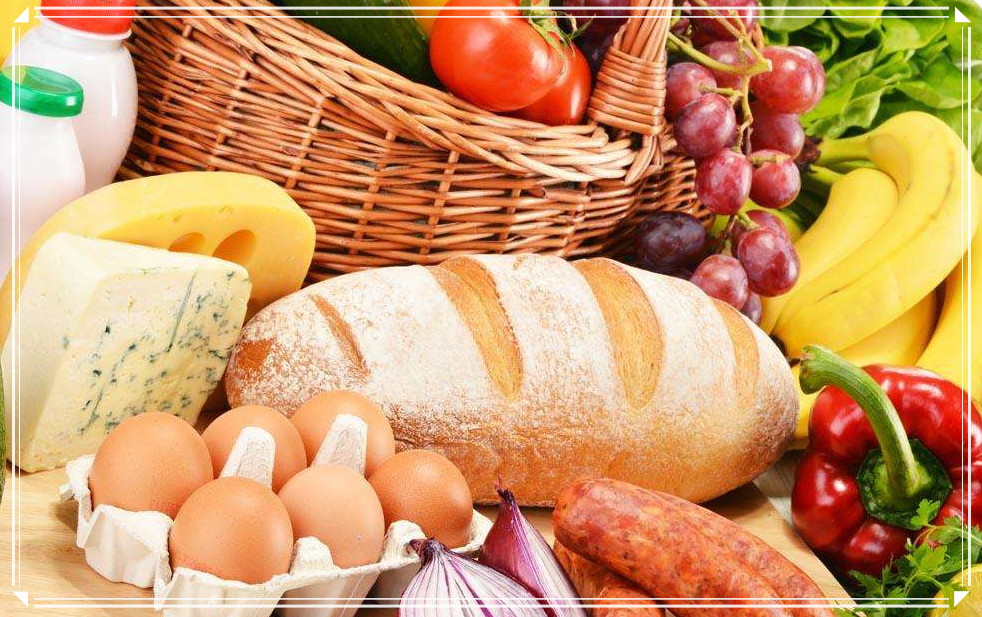
Vegetarian, vegan and pescetarian menu items are appealing to a growing number of restaurant owners.
素食者、纯素食者和素食者菜单项目对越来越多的餐馆老板都有吸引力。
Some guests may need to avoid certain foods because they have a food allergy. Food allergy involves a reaction of the person’s immune system.
一些顾客会避免吃某些食物可能是因为食物过敏。食物过敏会引发人的免疫系统产生反应。
Many allergic reactions are caused by milk, eggs, nuts, shellfish and wheat. Guests typically know which foods they are allergic to and ask about ingredients before they place their order.
许多食物过敏是由牛奶、鸡蛋、坚果、贝壳类以及大麦造成的。宾客确切知道自己的过敏食物源,因此在点菜前会详细问及菜品用料。
It is important that food and beverage staff and managers take food allergies seriously, research ways they can create menu choices to accommodate allergies and ensure a safe dining experience for all guests.
餐饮业经理和员工慎重对待食物过敏极其重要,创立菜单时研究可以替换过敏食物源的选项以确保所有宾客都能得到安全的用餐经历。

In recent years an increasing number of guests prefer organic foods or other sustainable food options at restaurants.
近些年越来越多的宾客喜欢在菜馆点选有机食物或其他可持续性食物的菜品。
The term organic foods refer to plants or animals raised without the use of chemicals.
有机食物一词表明植物活动的生长过程中没有使用化学试剂。
Sustainable foods are those that have been grown or raised locally or without harming the environment.

可持续性食物则是指在本地生长,并且生长过程中对环境没有造成危害的食物。
Some examples are; eggs from cage-free chickens, fair trade coffee, grass fed and antibiotic free meat
一些例子是,来自三洋的鸡,公平贸易咖啡,草食和没有喂养抗生素食物的动物肉类制品。
Many restaurants appeal to this new market of guests who will to pay a premium for the generally higher-priced organic foods.
许多餐馆都在迎合这个新的顾客群体,他们会为那些价格更高的有机食品支付高价。
This section concludes chapter 9 of your course.
以上为第9章的全部内容。
Thank you for your attention and participation.
谢谢你的收看和参与。