



目录

  • 1 Chapter 1 – Preparing for a Leadership Career
    • 1.1 Introduction
    • 1.2 Why a Career in Hospitality and Tourism?
    • 1.3 Selecting an Industry Segment
    • 1.4 Types of Available Positions
    • 1.5 Traits of Leaders
    • 1.6 Traditional Management Styles
    • 1.7 Varying your Leadership Style
  • 2 Chapter 2 – Hospitality and Tourism Leadership
    • 2.1 Introduction
    • 2.2 21st Century Leadership Styles
    • 2.3 Leadership Development Goals
    • 2.4 Empowerment
    • 2.5 Showing Respect and Value for Diversity
    • 2.6 Global Guest Audiences
    • 2.7 Welcoming Other Cultures
  • 3 Chapter 3 – Leadership and the Guest Cycle
    • 3.1 Introduction
    • 3.2 Follow the Guest: Making the Cycle Seamless
    • 3.3 Guest Recovery
    • 3.4 Problem Solving
  • 4 Chapter 4 – Managing the Guest Experience Cycle
    • 4.1 Introduction
    • 4.2 Managing the Guest Experience: Being Inclusive
    • 4.3 Guest Experience Property Standards
    • 4.4 Managing the Guest Service Measurement (GSM) Process
    • 4.5 Guest Service Gold: Leading a Gold Team
    • 4.6 Managing Green Practices
  • 5 Chapter 5 – Leadership, Employees and Communication
    • 5.1 Introduction
    • 5.2 Purpose of the Mission Statement
    • 5.3 Communicating Employee Purpose and Role
    • 5.4 Setting Performance Goals
    • 5.5 Listening, Speaking and Writing
    • 5.6 Managing Difficult People
    • 5.7 Guest Communication
    • 5.8 Media Training
  • 6 Chapter 6 – Front Office Leadership
    • 6.1 Introduction
    • 6.2 Responsibilities of the Front Office Manager
    • 6.3 Reports: The Night Audit Paper Trail
    • 6.4 Labor Costs and the Night Audit
    • 6.5 Measuring Employee Performance
    • 6.6 Guests and the Front Desk
    • 6.7 Green Practice Programs for Guests
  • 7 Chapter 7 – Managing Housekeeping Operations
    • 7.1 Introduction
    • 7.2 Being the Executive Housekeeper
    • 7.3 Building a Budget
    • 7.4 Budgeting Labor and Linen Expenses
    • 7.5 Managing Housekeeping Performance Standards
    • 7.6 Training Housekeeping Staff
    • 7.7 Managing Housekeeping Green Practices
  • 8 Chapter 8 – Leadership and Facilities Management
    • 8.1 Introduction
    • 8.2 Function of the Chief Engineer
    • 8.3 Budgeting to Meet ADA Requirements
    • 8.4 Energy Management
    • 8.5 Emergency Systems Planning
    • 8.6 Managing the Facility’s Green Practices
  • 9 Chapter 9 – Food and Beverage Service Leadership
    • 9.1 Introduction
    • 9.2 Organization and Staffing of Food and Beverage Operations
    • 9.3 Menu Management
    • 9.4 Purchasing Supplies and Equipment
    • 9.5 Facility Design, Décor and Cleaning
    • 9.6 Managing Sanitation and Safety
    • 9.7 Labor and Revenue Control
    • 9.8 Nutrition and Sustainable Foods
  • 10 Chapter 10 – Managing Banquets and Catered Events
    • 10.1 Introduction
    • 10.2 Booking and Planning Events
    • 10.3 Reports: Preparing for Service
    • 10.4 Delivering Service
    • 10.5 After Service
  • 11 Chapter 11 – Human Resources
    • 11.1 Introduction
    • 11.2 Interview and Hiring Practices
    • 11.3 Employment Laws
    • 11.4 Managing Compensation and Benefits
    • 11.5 Corporate Social Responsibility
  • 12 Chapter 12 – Managing Operational Finance
    • 12.1 Introduction
    • 12.2 Financial Statements
    • 12.3 Operational Expenses and the Capital Budget
    • 12.4 Revenue Management
    • 12.5 Managing Labor Costs
    • 12.6 Taxes: Reporting and Remitting
  • 13 Chapter 13 – Marketing
    • 13.1 Introduction
    • 13.2 The Marketing Mix
    • 13.3 Steps of a Marketing Plan
    • 13.4 Channels of Distribution
    • 13.5 The Marketing Budget
    • 13.6 Industry Trends and Marketing
  • 14 Chapter 14 – Sales
    • 14.1 Introduction
    • 14.2 Training for Sales Success
    • 14.3 Managing a Sales Team
    • 14.4 Selling to Global Audiences
    • 14.5 Selling to Special Segments
    • 14.6 Selling to the Digital Traveler
  • 15 Chapter 15 – Safety
    • 15.1 Introduction
    • 15.2 Managing Workplace Safety
    • 15.3 Risk Management and Insurance
    • 15.4 OSHA: Following the Requirements
  • 16 Chapter 16 – Security
    • 16.1 Introduction
    • 16.2 Hotel Security: Access Control and Guestroom Security
    • 16.3 Employee Security Issues
    • 16.4 Emergency Management and Media Relations
Reports: Preparing for Service


When preparing for service for a banquet or catered event, managers must fulfill the following responsibilities:
宴会酒席活动的服务准备中,经理须担负以下职责:
Creating the menu, planning the décor, setting up function rooms, scheduling and training staff members, preparing, plating and storing food.
建立菜单,计划室内装饰,准备功能厅,安排班次表,训练员工,准备和贮藏食材,以及上菜摆盘的相关事宜。
The type of function room chosen and how it is decorated are largely decided based on the needs and expectations of the client and the client’s budget.
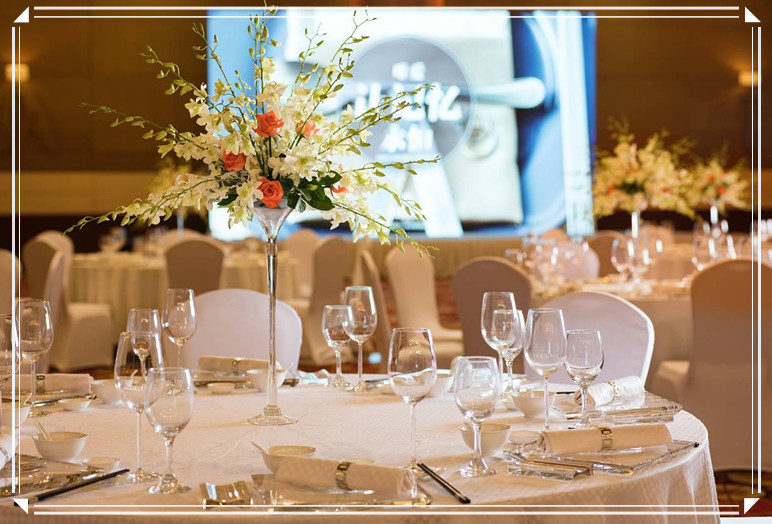
功能厅的选择和装潢很大程度上取决于客户的需求、期望和预算。
Adequate space, location of bars, buffet stations, decorations and guest tables, seating arrangements and other requests need important considerations for the success of any event.
要想活动举办成功,就需要仔细考虑空间是否足够,吧台位置、自助餐台、座位安排等是否合理。

Prior to the event and before the guests’ arrival, the managers oversee the set-up; equipment and service components to ensure a secure environment but also guarantee all requirements of the event are in place.
在宴会发生前和客人到达之前,经理们负责监督设备的安装、设备和服务组件,以确保安全的环境,同时保证所有的活动所需要的要求都到位。
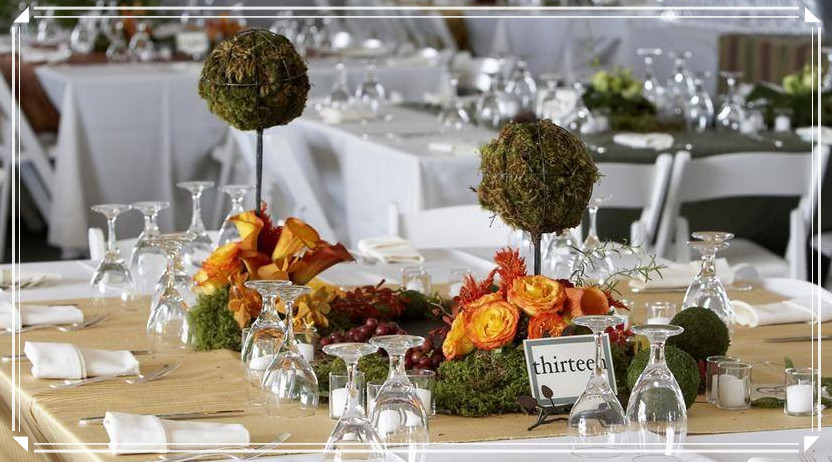
Based on the number of the special functions scheduled, the banquet director schedules staff to set-up and break down function rooms, as well as staff to perform all the guest contact service tasks involved in the events.
根据计划中特别活动的功能数量,宴会经理可安排员工分时间布置或隔开功能室,并完成活动中涉及宾客联系服务的所有任务。
The number of staff varies according the operation, the event and the service style. As a rule of thumb the ratio is 1 server for 10 to 15 guests.
员工数量取决于运营状况、活动本身和服务方式。根据经验,1位服务员可为10-15名宾客提供服务。
The staff members must be trained and receive a briefing of the function details prior to the event. Knowledge and skills of the service styles are repeated a number of times to ensure a faultless service to the function patrons.
员工必须受过良好的训练,并在活动之前就收到活动功能的细节简介。他们应反复实践服务方式的知识与技能,由此为参与活动的宾客提供完美无缺的服务。
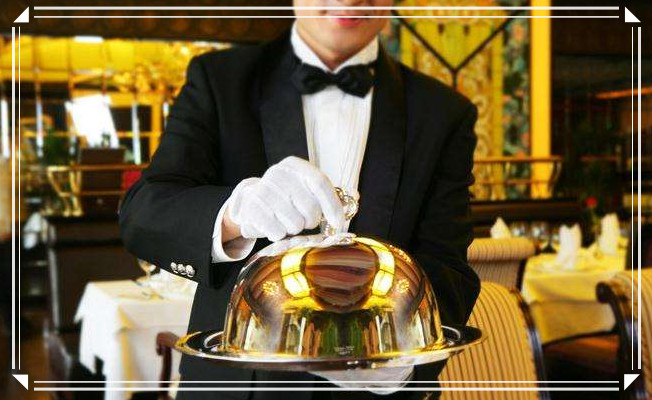
The input of the chef and other food production staff members is used to develop menus, plating and storing the food. Most operations use a manual plating process. Using a systematic approach to the plating, 5 staff members can plate food for 300 people in approximately 45 minutes.
厨师和其他食品生产人员负责努力开发菜单、摆盘上菜以及储藏食物。大部分酒店都会采用人工上菜的流程。上菜方法系统化,5名员工大概在45分钟内可为300名宾客上菜服务。
Foods prepared for large banquets are stored hot or cold in holding cabinets, to ensure that is kept outside the temperature danger zone known as TDZ.
为大型宴会准备的冷热食物应储藏在保温箱内,让其远离危险的温度范围(TDZ)。
Leaving food out too long at room temperature can cause bacteria to grow to dangerous levels that can cause illness.
将食物过长时间放置于室温环境会导致细菌滋生,若食用则会危害健康。
The TDZ is between 40°F or(4°C) to 140 °F or (60°C).
危险温度范围是 40°F(4°C)— 140 °F(60°C)之间。
We will discuss delivering the banquet service in the next session.
下节我们将探讨宴会服务的细节。