



目录

  • 1 Chapter 1 – Preparing for a Leadership Career
    • 1.1 Introduction
    • 1.2 Why a Career in Hospitality and Tourism?
    • 1.3 Selecting an Industry Segment
    • 1.4 Types of Available Positions
    • 1.5 Traits of Leaders
    • 1.6 Traditional Management Styles
    • 1.7 Varying your Leadership Style
  • 2 Chapter 2 – Hospitality and Tourism Leadership
    • 2.1 Introduction
    • 2.2 21st Century Leadership Styles
    • 2.3 Leadership Development Goals
    • 2.4 Empowerment
    • 2.5 Showing Respect and Value for Diversity
    • 2.6 Global Guest Audiences
    • 2.7 Welcoming Other Cultures
  • 3 Chapter 3 – Leadership and the Guest Cycle
    • 3.1 Introduction
    • 3.2 Follow the Guest: Making the Cycle Seamless
    • 3.3 Guest Recovery
    • 3.4 Problem Solving
  • 4 Chapter 4 – Managing the Guest Experience Cycle
    • 4.1 Introduction
    • 4.2 Managing the Guest Experience: Being Inclusive
    • 4.3 Guest Experience Property Standards
    • 4.4 Managing the Guest Service Measurement (GSM) Process
    • 4.5 Guest Service Gold: Leading a Gold Team
    • 4.6 Managing Green Practices
  • 5 Chapter 5 – Leadership, Employees and Communication
    • 5.1 Introduction
    • 5.2 Purpose of the Mission Statement
    • 5.3 Communicating Employee Purpose and Role
    • 5.4 Setting Performance Goals
    • 5.5 Listening, Speaking and Writing
    • 5.6 Managing Difficult People
    • 5.7 Guest Communication
    • 5.8 Media Training
  • 6 Chapter 6 – Front Office Leadership
    • 6.1 Introduction
    • 6.2 Responsibilities of the Front Office Manager
    • 6.3 Reports: The Night Audit Paper Trail
    • 6.4 Labor Costs and the Night Audit
    • 6.5 Measuring Employee Performance
    • 6.6 Guests and the Front Desk
    • 6.7 Green Practice Programs for Guests
  • 7 Chapter 7 – Managing Housekeeping Operations
    • 7.1 Introduction
    • 7.2 Being the Executive Housekeeper
    • 7.3 Building a Budget
    • 7.4 Budgeting Labor and Linen Expenses
    • 7.5 Managing Housekeeping Performance Standards
    • 7.6 Training Housekeeping Staff
    • 7.7 Managing Housekeeping Green Practices
  • 8 Chapter 8 – Leadership and Facilities Management
    • 8.1 Introduction
    • 8.2 Function of the Chief Engineer
    • 8.3 Budgeting to Meet ADA Requirements
    • 8.4 Energy Management
    • 8.5 Emergency Systems Planning
    • 8.6 Managing the Facility’s Green Practices
  • 9 Chapter 9 – Food and Beverage Service Leadership
    • 9.1 Introduction
    • 9.2 Organization and Staffing of Food and Beverage Operations
    • 9.3 Menu Management
    • 9.4 Purchasing Supplies and Equipment
    • 9.5 Facility Design, Décor and Cleaning
    • 9.6 Managing Sanitation and Safety
    • 9.7 Labor and Revenue Control
    • 9.8 Nutrition and Sustainable Foods
  • 10 Chapter 10 – Managing Banquets and Catered Events
    • 10.1 Introduction
    • 10.2 Booking and Planning Events
    • 10.3 Reports: Preparing for Service
    • 10.4 Delivering Service
    • 10.5 After Service
  • 11 Chapter 11 – Human Resources
    • 11.1 Introduction
    • 11.2 Interview and Hiring Practices
    • 11.3 Employment Laws
    • 11.4 Managing Compensation and Benefits
    • 11.5 Corporate Social Responsibility
  • 12 Chapter 12 – Managing Operational Finance
    • 12.1 Introduction
    • 12.2 Financial Statements
    • 12.3 Operational Expenses and the Capital Budget
    • 12.4 Revenue Management
    • 12.5 Managing Labor Costs
    • 12.6 Taxes: Reporting and Remitting
  • 13 Chapter 13 – Marketing
    • 13.1 Introduction
    • 13.2 The Marketing Mix
    • 13.3 Steps of a Marketing Plan
    • 13.4 Channels of Distribution
    • 13.5 The Marketing Budget
    • 13.6 Industry Trends and Marketing
  • 14 Chapter 14 – Sales
    • 14.1 Introduction
    • 14.2 Training for Sales Success
    • 14.3 Managing a Sales Team
    • 14.4 Selling to Global Audiences
    • 14.5 Selling to Special Segments
    • 14.6 Selling to the Digital Traveler
  • 15 Chapter 15 – Safety
    • 15.1 Introduction
    • 15.2 Managing Workplace Safety
    • 15.3 Risk Management and Insurance
    • 15.4 OSHA: Following the Requirements
  • 16 Chapter 16 – Security
    • 16.1 Introduction
    • 16.2 Hotel Security: Access Control and Guestroom Security
    • 16.3 Employee Security Issues
    • 16.4 Emergency Management and Media Relations
Managing Sanitation and Safety


Sanitation and safety are very critical to the food and beverage industry and cannot be ignored.
清洁和安全问题对餐饮行业来说至关重要,是绝对不能被忽视的问题。
Sanitation means promoting human health through the prevention of human contact with hazardous bacteria or waste.
清洁意味着防止人与有害病毒或废品接触以保持身体健康。
Safety is the prevention of workplace accidents and injuries.
安全则是预防工作场所发生(人员)意外受伤。
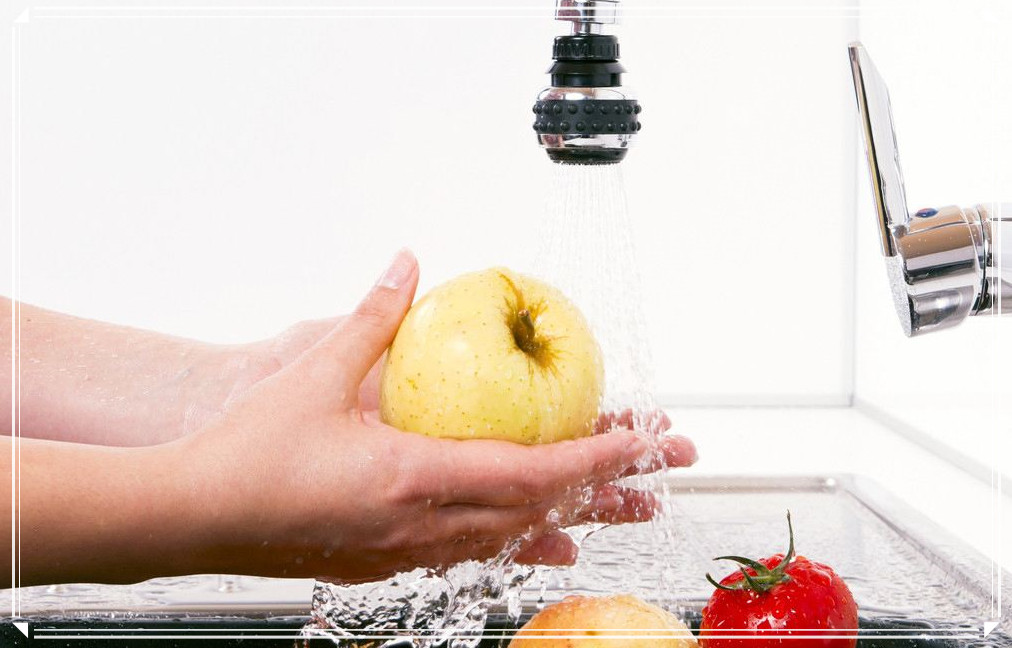
Sanitation must be addressed at each stage of the food handling process. Food service managers have a personal, professional and legal responsibility to provide safe conditions for employees and guests.
处理食物过程的每一个阶段都要强调清洁卫生。食品服务经理自身肩负专业的法律职责,负责为员工和宾客提供安全的就餐环境。
The Hazard Analysis Critical Control Point - known as HACCP- system seeks to eliminate safety risks in food processing by identifying the specific hazards at each important point in a food production system.

危害分析与关键控制点(HACCP)体系试图通过明确食物生产体系中每个关键点可能产生的有害物质,来消除食物处理过程中的安全隐患
Hazards are not critical at the production stage only, but also at the purchasing, receiving, storing and issuing stages.
不仅要在生产阶段留意有害物质的产生,也要在采买、收获、储存和发放的阶段密切关注这一隐患。
Food safety procedures also include proper cleaning and sanitizing of dishes, flatware, pots, pans, cooking surfaces and the facility itself.
食品安全程序也包括正确清洁消毒盘子、餐具、锅、平底锅、厨房桌面以及用品本身等。
In addition to the kitchen, regular cleaning must be performed on floors, walls, side stations and restrooms.
除了厨房外,定期清理地板、墙壁、边台和化妆室也非常有必要。
Food and beverage managers have the ultimate responsibility for developing, implementing and monitoring the operation’s sanitation and safety efforts.
餐饮业经理最终的职责是要建立、实施、监管运营中清洁安全的保障措施。
In this regard they need to incorporate sanitation and safety practices into operating procedures, train employees in sanitary and safe work procedures, conduct inspections, report necessary repairs or maintenance that are potential problem.
因此他们要将清洁安全措施的实践条例纳入运营程序之中,在清洁安全程序方训练员工,负责监管并写出有关防止潜在问题出现所必须的维修或保养报告。