



目录

  • 1 Chapter 1 – Preparing for a Leadership Career
    • 1.1 Introduction
    • 1.2 Why a Career in Hospitality and Tourism?
    • 1.3 Selecting an Industry Segment
    • 1.4 Types of Available Positions
    • 1.5 Traits of Leaders
    • 1.6 Traditional Management Styles
    • 1.7 Varying your Leadership Style
  • 2 Chapter 2 – Hospitality and Tourism Leadership
    • 2.1 Introduction
    • 2.2 21st Century Leadership Styles
    • 2.3 Leadership Development Goals
    • 2.4 Empowerment
    • 2.5 Showing Respect and Value for Diversity
    • 2.6 Global Guest Audiences
    • 2.7 Welcoming Other Cultures
  • 3 Chapter 3 – Leadership and the Guest Cycle
    • 3.1 Introduction
    • 3.2 Follow the Guest: Making the Cycle Seamless
    • 3.3 Guest Recovery
    • 3.4 Problem Solving
  • 4 Chapter 4 – Managing the Guest Experience Cycle
    • 4.1 Introduction
    • 4.2 Managing the Guest Experience: Being Inclusive
    • 4.3 Guest Experience Property Standards
    • 4.4 Managing the Guest Service Measurement (GSM) Process
    • 4.5 Guest Service Gold: Leading a Gold Team
    • 4.6 Managing Green Practices
  • 5 Chapter 5 – Leadership, Employees and Communication
    • 5.1 Introduction
    • 5.2 Purpose of the Mission Statement
    • 5.3 Communicating Employee Purpose and Role
    • 5.4 Setting Performance Goals
    • 5.5 Listening, Speaking and Writing
    • 5.6 Managing Difficult People
    • 5.7 Guest Communication
    • 5.8 Media Training
  • 6 Chapter 6 – Front Office Leadership
    • 6.1 Introduction
    • 6.2 Responsibilities of the Front Office Manager
    • 6.3 Reports: The Night Audit Paper Trail
    • 6.4 Labor Costs and the Night Audit
    • 6.5 Measuring Employee Performance
    • 6.6 Guests and the Front Desk
    • 6.7 Green Practice Programs for Guests
  • 7 Chapter 7 – Managing Housekeeping Operations
    • 7.1 Introduction
    • 7.2 Being the Executive Housekeeper
    • 7.3 Building a Budget
    • 7.4 Budgeting Labor and Linen Expenses
    • 7.5 Managing Housekeeping Performance Standards
    • 7.6 Training Housekeeping Staff
    • 7.7 Managing Housekeeping Green Practices
  • 8 Chapter 8 – Leadership and Facilities Management
    • 8.1 Introduction
    • 8.2 Function of the Chief Engineer
    • 8.3 Budgeting to Meet ADA Requirements
    • 8.4 Energy Management
    • 8.5 Emergency Systems Planning
    • 8.6 Managing the Facility’s Green Practices
  • 9 Chapter 9 – Food and Beverage Service Leadership
    • 9.1 Introduction
    • 9.2 Organization and Staffing of Food and Beverage Operations
    • 9.3 Menu Management
    • 9.4 Purchasing Supplies and Equipment
    • 9.5 Facility Design, Décor and Cleaning
    • 9.6 Managing Sanitation and Safety
    • 9.7 Labor and Revenue Control
    • 9.8 Nutrition and Sustainable Foods
  • 10 Chapter 10 – Managing Banquets and Catered Events
    • 10.1 Introduction
    • 10.2 Booking and Planning Events
    • 10.3 Reports: Preparing for Service
    • 10.4 Delivering Service
    • 10.5 After Service
  • 11 Chapter 11 – Human Resources
    • 11.1 Introduction
    • 11.2 Interview and Hiring Practices
    • 11.3 Employment Laws
    • 11.4 Managing Compensation and Benefits
    • 11.5 Corporate Social Responsibility
  • 12 Chapter 12 – Managing Operational Finance
    • 12.1 Introduction
    • 12.2 Financial Statements
    • 12.3 Operational Expenses and the Capital Budget
    • 12.4 Revenue Management
    • 12.5 Managing Labor Costs
    • 12.6 Taxes: Reporting and Remitting
  • 13 Chapter 13 – Marketing
    • 13.1 Introduction
    • 13.2 The Marketing Mix
    • 13.3 Steps of a Marketing Plan
    • 13.4 Channels of Distribution
    • 13.5 The Marketing Budget
    • 13.6 Industry Trends and Marketing
  • 14 Chapter 14 – Sales
    • 14.1 Introduction
    • 14.2 Training for Sales Success
    • 14.3 Managing a Sales Team
    • 14.4 Selling to Global Audiences
    • 14.5 Selling to Special Segments
    • 14.6 Selling to the Digital Traveler
  • 15 Chapter 15 – Safety
    • 15.1 Introduction
    • 15.2 Managing Workplace Safety
    • 15.3 Risk Management and Insurance
    • 15.4 OSHA: Following the Requirements
  • 16 Chapter 16 – Security
    • 16.1 Introduction
    • 16.2 Hotel Security: Access Control and Guestroom Security
    • 16.3 Employee Security Issues
    • 16.4 Emergency Management and Media Relations
Managing the Facility’s Green Practices


Buildings have an impact on the environment.
建筑物对环境有一定的影响。
In addition to their physical footprint, facilities produce waste and pollution.
除了它们的物理足迹,设备也产生废物和污染。

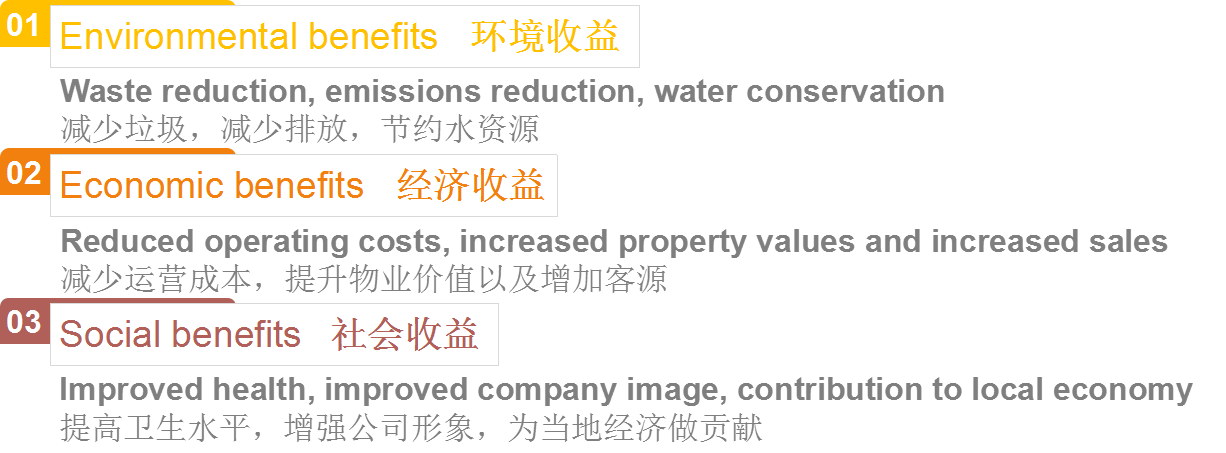
Greener buildings can return millions of dollars each year to the bottom line
绿色环保的建筑物每年可以收回成千上万的美元支出

Main benefits include    主要的好处包括:
Using alternative materials into renovation or building projects can significantly impact the green practices.
用可替代材料来翻修或建造是非常响应绿色环保的行动。
Non-toxic and sustainable materials on Flooring, insulation, roofing, glass and fabrics can be used on this purpose.
因此,可将无毒并且可持续的材料使用于地板、隔热、屋顶、玻璃和纺织品。
Moreover there are a variety ways that hospitality and tourism organizations can reduce their carbon footprint.
此外,在旅游和服务业的管理过程中还有多种多样的方式可以减少碳排放量。
The term “carbon footprint” is often used as shorthand for the amount of carbon (usually in tonnes) being emitted by an activity or organization.
“碳足迹”通常用于碳在活动或者组织中的排放量的速记。

A property can reduce its carbon footprint by implemented several practices
in the daily operation:
酒店在日常运营中可以通过实施若干措施来减少碳足迹

Such  as  例如:
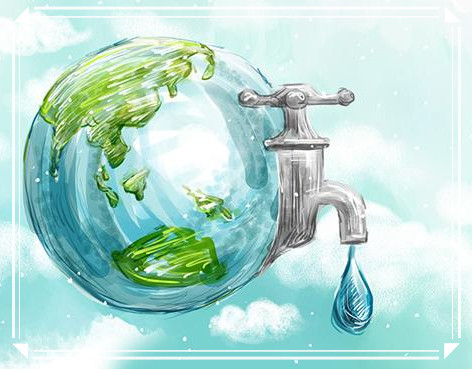
Using renewable energy
使用可再生能源
Reduce water use and overall energy
减少水资源利用,降低整体能源消耗
Recycle in guestrooms and employee areas
客房及员工活动区域使用可使反复用的物品
Improve insulation
提高隔热效率
Harvest rainwater and reuse water for irrigation and toilets
收集雨水和再生水,用作冲洗和冲厕
Use alternatives to fuels
使用可替代能源

Several hotel companies have adopted several green practices and sustainability in their long-term vision.
有些酒店已经将这些绿色环保可持续性措施应用于长期发展战略上。

This section concludes Chapter 8 of your course. Thank you for your attention and participation.
以上为第8章的全部内容。谢谢大家的收看和参与!