



目录

  • 1 Chapter 1 – Preparing for a Leadership Career
    • 1.1 Introduction
    • 1.2 Why a Career in Hospitality and Tourism?
    • 1.3 Selecting an Industry Segment
    • 1.4 Types of Available Positions
    • 1.5 Traits of Leaders
    • 1.6 Traditional Management Styles
    • 1.7 Varying your Leadership Style
  • 2 Chapter 2 – Hospitality and Tourism Leadership
    • 2.1 Introduction
    • 2.2 21st Century Leadership Styles
    • 2.3 Leadership Development Goals
    • 2.4 Empowerment
    • 2.5 Showing Respect and Value for Diversity
    • 2.6 Global Guest Audiences
    • 2.7 Welcoming Other Cultures
  • 3 Chapter 3 – Leadership and the Guest Cycle
    • 3.1 Introduction
    • 3.2 Follow the Guest: Making the Cycle Seamless
    • 3.3 Guest Recovery
    • 3.4 Problem Solving
  • 4 Chapter 4 – Managing the Guest Experience Cycle
    • 4.1 Introduction
    • 4.2 Managing the Guest Experience: Being Inclusive
    • 4.3 Guest Experience Property Standards
    • 4.4 Managing the Guest Service Measurement (GSM) Process
    • 4.5 Guest Service Gold: Leading a Gold Team
    • 4.6 Managing Green Practices
  • 5 Chapter 5 – Leadership, Employees and Communication
    • 5.1 Introduction
    • 5.2 Purpose of the Mission Statement
    • 5.3 Communicating Employee Purpose and Role
    • 5.4 Setting Performance Goals
    • 5.5 Listening, Speaking and Writing
    • 5.6 Managing Difficult People
    • 5.7 Guest Communication
    • 5.8 Media Training
  • 6 Chapter 6 – Front Office Leadership
    • 6.1 Introduction
    • 6.2 Responsibilities of the Front Office Manager
    • 6.3 Reports: The Night Audit Paper Trail
    • 6.4 Labor Costs and the Night Audit
    • 6.5 Measuring Employee Performance
    • 6.6 Guests and the Front Desk
    • 6.7 Green Practice Programs for Guests
  • 7 Chapter 7 – Managing Housekeeping Operations
    • 7.1 Introduction
    • 7.2 Being the Executive Housekeeper
    • 7.3 Building a Budget
    • 7.4 Budgeting Labor and Linen Expenses
    • 7.5 Managing Housekeeping Performance Standards
    • 7.6 Training Housekeeping Staff
    • 7.7 Managing Housekeeping Green Practices
  • 8 Chapter 8 – Leadership and Facilities Management
    • 8.1 Introduction
    • 8.2 Function of the Chief Engineer
    • 8.3 Budgeting to Meet ADA Requirements
    • 8.4 Energy Management
    • 8.5 Emergency Systems Planning
    • 8.6 Managing the Facility’s Green Practices
  • 9 Chapter 9 – Food and Beverage Service Leadership
    • 9.1 Introduction
    • 9.2 Organization and Staffing of Food and Beverage Operations
    • 9.3 Menu Management
    • 9.4 Purchasing Supplies and Equipment
    • 9.5 Facility Design, Décor and Cleaning
    • 9.6 Managing Sanitation and Safety
    • 9.7 Labor and Revenue Control
    • 9.8 Nutrition and Sustainable Foods
  • 10 Chapter 10 – Managing Banquets and Catered Events
    • 10.1 Introduction
    • 10.2 Booking and Planning Events
    • 10.3 Reports: Preparing for Service
    • 10.4 Delivering Service
    • 10.5 After Service
  • 11 Chapter 11 – Human Resources
    • 11.1 Introduction
    • 11.2 Interview and Hiring Practices
    • 11.3 Employment Laws
    • 11.4 Managing Compensation and Benefits
    • 11.5 Corporate Social Responsibility
  • 12 Chapter 12 – Managing Operational Finance
    • 12.1 Introduction
    • 12.2 Financial Statements
    • 12.3 Operational Expenses and the Capital Budget
    • 12.4 Revenue Management
    • 12.5 Managing Labor Costs
    • 12.6 Taxes: Reporting and Remitting
  • 13 Chapter 13 – Marketing
    • 13.1 Introduction
    • 13.2 The Marketing Mix
    • 13.3 Steps of a Marketing Plan
    • 13.4 Channels of Distribution
    • 13.5 The Marketing Budget
    • 13.6 Industry Trends and Marketing
  • 14 Chapter 14 – Sales
    • 14.1 Introduction
    • 14.2 Training for Sales Success
    • 14.3 Managing a Sales Team
    • 14.4 Selling to Global Audiences
    • 14.5 Selling to Special Segments
    • 14.6 Selling to the Digital Traveler
  • 15 Chapter 15 – Safety
    • 15.1 Introduction
    • 15.2 Managing Workplace Safety
    • 15.3 Risk Management and Insurance
    • 15.4 OSHA: Following the Requirements
  • 16 Chapter 16 – Security
    • 16.1 Introduction
    • 16.2 Hotel Security: Access Control and Guestroom Security
    • 16.3 Employee Security Issues
    • 16.4 Emergency Management and Media Relations
Function of the Chief Engineer


Facilities managers in charge of lodging properties may have one of a variety of titles such as chief engineer, director of engineering or director of facilities.
负责住宿物业的设备经理有着不同的职务头衔,比如工程维修部主管、工程主管或者设备主任。
In small economy lodging properties chief engineers require more technical than managerial skills as they do much of the work themselves.
在小型经济型饭店中,首席工程师需要的技术比管理技能要高,因为他们自己需要亲自上手工作。

At larger properties , the chief engineer is more of a manager, controlling a large budget and staff.
在较大的饭店中,工程维修部主管更像是一名经理,控制着庞大的预算和员工。
The number of staff in this department will vary according the age of the property, the construction, the services offered and the types of systems installed.
这个饭店的职员数量会随着所有权年限、建筑物、所提供的服务以及安装系统种类的变化而发生改变。

Just like managers of other operational departments, facilities managers must be proficient in cost control.
就像其他运营部门的经理一样,设备经理必须善于控制成本。

They must manage labor costs as well as the 3 main costs of a property:
他们必须控制人工成本以及三大财物成本:

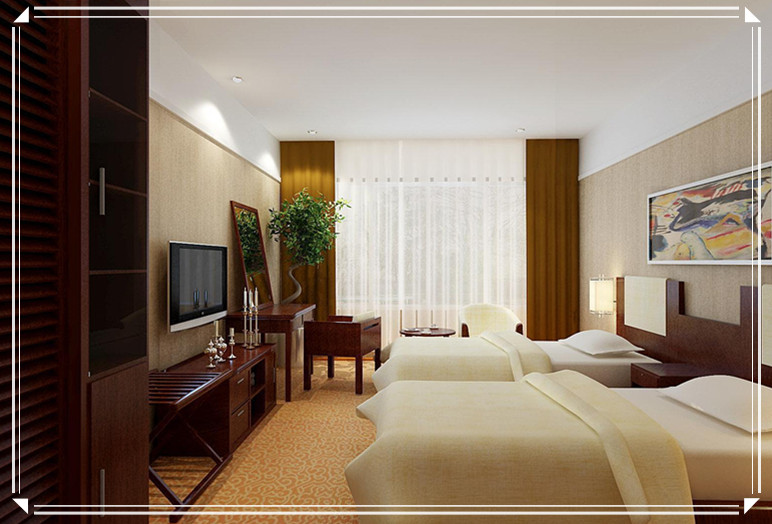
1. Development and Construction  开发与施工

including furniture, fixtures and equipment, development fees such as architectural, legal, feasibility study and consultant fees.
包括家具,固定装置和器材,开发费用比如建筑设计费、法律费、可行性研究费和咨询费。
2. Operation 运营

which includes two main categories; maintenance and utilities
包括两大类别:日常维护和水电费
Property Operation and Maintenance (POM) includes labor costs, maintenance supplies, maintenance contracts.
物业运维(POM) 包括人工成本,维护物资,维修合同等。
Utilities include; electricity, fuel, steam and water
水电费包括:电、燃料、汽和水
POM and utilities costs vary based on occupancy- the higher the occupancy, the more of a building is heated and cooled and the more equipment are operated.
物业运维和水电费根据入住率计算成本—入住率越高,酒店供热或供冷的量就越大,使用的设备器材也越多。

3. Costs of Renovation and Modernization  更新和现代化的成本

This involve planning and implementing capital expenditures known as CapEX. This is the money used to improve long-term physical assets such as property, building or equipment.
包括计划和实施资本支出,即资本支出。这是用来改善诸如财产、建筑或设备等长期实物资产的资金。
Some examples are  
比如
Replacing old furniture or equipment, changing technology, regulatory requirements or franchise product demands.
替换老旧家具或者器材,更换技术、规章制度要求或者特许产品需求。

There is a difference between CapEx, capital expenditures and OpEx , operating expenses
资本支出(CapEx)和运营支出(OpEx)是有区别的。
OpEx is the ongoing costs for running a business.
运营支出是指运营酒店的持续成本。
For example: If you buy a photocopy in your hotel, this expense involves CapEx, while the annual paper, toner, power and maintenance costs represent OpEx.
例如:如果你为酒店买一台影印机,所花的开销就包含在资本支出里,但是每年的用纸、墨水、用电和维护成本则属于运营支出。
As a result of these calculations large companies lease these equipment instead of purchasing.
因此计算过后,大型公司会租用这些器材来代替购买。

We will discuss the budget needs to meet ADA requirements in next section
下一节,我们将会探讨有关符合ADA条例的预算。