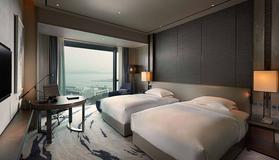



A hotel in general operates continuously 365 days per year with three shifts per day.
酒店一般全年经营,每天三班倒。
The night audit occurs during the last shift, which is when the financial day of the hotel ends and a new one begins.
一般在最后一个班次进行夜间审核, 此时酒店当天的财务日结束, 一个新的财务日即将开始。
 The purpose of the night audit is to compare guest account transactions recorded in the PMS against revenue center transactions such as restaurant, coffee shop or room service orders.
夜间审计的目的是比较在PMS上记录的客户帐户交易数据与各收入中心实际发生的交易数据进行核对,如餐馆、咖啡店或客房服务订单。
This routine process guarantees the accuracy, reliability and thoroughness of the front office accounting.
这一例行程序保证了前台部门会计的准确性、可靠性和全面性。
An effective night audit increases the likelihood of correct account settlement.
有效的夜间审核增加正确结算账务的可能性
The PMS can automatically post room charges and initiate the audit routine at a specific time.
酒店经营管理系统可以电脑自动记录所产生的房间费用, 并在特定时间启动例行审核。
The automated PMS performs several audit functions continuously and can generate various useful reports in relation to the hotel operation.
自动化酒店经营管理系统可以连续执行数项审核功能, 并生成多种酒店运营相关的有用报告。
Some examples are like: Guest Ledger Report, Rooms Status Report, Revenue Summary Report, Guest Credit Limits, Daily Operations Report and Daily Summary.
例如:客人分类帐报告, 客房状态报告, 营业收入汇总报告, 客人信用额度, 每日运营报告和每日摘要等
We will discuss the labor costs and the night audit in the next section.
在下一节,我们将讨论劳动成本和夜间审核。

