



You will recall from HTMP 1 that, the hospitality and tourism industry in mainly classified as Accommodation, Food and Beverage and Other Businesses.
大家应当还记得,我们在第一部分中曾经学到,酒店(招待)旅游业主要被划分为住宿、餐饮和其他商业。All these segments reflect the same characteristics of the industry; they are “people” business and provide “services”.
所有这些领域都折射出一个行业共性—即这是“以人为本”的商业活动,要“服务”于人。
Regardless the segments and positions, the hospitality and tourism industry require some or all of the following fundamental skills.
无论是哪个领域,亦或哪个职位,只要就职于酒店旅游业,就需要以下其中几项乃至全部的基本技能。
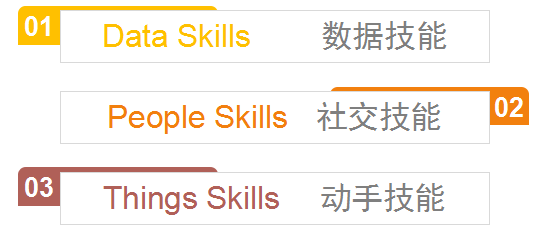
Data Skills- refers to “intellectual” skills such as: analyzing information, solving problems, working with graphs, figures and computers.
数据技能—是指类似信息分析、问题处理、图表运用及电脑操作等知识类技能。
Although everyone in the hospitality industry need to reflect these skills to a certain extend, people with these skills most likely could have a possible career path in positions like Accounting or Revenue Management.
只要在酒店旅游业工作,或多或少都会运用到这类技能。但如果你能娴熟地运用此类技能,可以考虑向会计或收益管理的方向发展自己的职业道路。
People Skills – are the most essential skills to be performed by all hospitality and tourism professionals, as the industry is “people” business. These skills refer to enjoy helping people and taking care of their needs, giving advice, supervising and motivating other people.
社交技能——是酒店旅游业的专业人士所需的必备技能,因为这终究是一场以“人”为本的商业活动。这类技能一般和乐于助人、照顾别人的需求、管理及调动员工息息相关。

Communication skills largely refers to people skills and is an essential leadership competence required in all positions, but most importantly in “people intensive” segments like: general management, human resources management, sales and marketing management and restaurant management.
沟通技能主要涉及人际关系技能。尽管这种基本的领导能力是所有职位都会需要的,但在劳动密集型行业更需要综合管理部门、人力资源、市场营销及餐饮方面的工作。
Things Skills - refers to “manual” skills such as: building and fixing things, work with hands and using tools, enjoy setting things up.
手动技能——是指建造修理、动手操作、使用工具及安装设置等手动类技能。
Possible career paths can be in the field of culinary arts such as “chefs”, food and beverage such as “banquet manager” and facilities management such as “maintenance engineers”.
你若擅长此类技能,不妨在规划职业生涯时考虑将擅长烹调术的“厨师长”、 餐饮部的“宴会经理”、或负责设施管理的维修工程师作为你的目标。
Most of us have skills in more than one area. It is important to identify your skills and rank them according your preference and competence, so this can help you find an industry segment that suits you the best.
绝大部分人不会只拥有一类技能,根据自己的喜好和能力来明确技能并加以权衡,会让你找到最适合你的行业领域。
These skills and experiences are usually transferrable within a particular industry segment, but much more difficult to do so from one kind of industry segment to another.
这些技能经验在行业的一个领域内往往可实现变通转移,但想要跨领域的话就没有那么容易了。
For example a Rooms Division manager of a hotel can become a rooms division manager in a cruise ship; however it will be more difficult for an executive housekeeper to assume the position of facilities manager in a resort hotel based solely on the housekeeping experience and position knowledge and skills.
比方说,酒店的客务部经理在旅游客轮上也能担任相同的职位;不过一个客房部主管想要成为度假酒店的工程维修经理,仅凭客房服务的经验、知识和技能实难胜任。
At the same time, initially starting in an industry segment such as a hotel and later moving to another segment of the industry such as restaurant operation can be possible depending each positions specific requirements.
但是,一个人开始在酒店工作后来换到其他本行业的其他分支例如餐厅运营,实现行业内跨领域的职位变化也不无可能,这取决于他是否能够满足每个职位的具体要求。
We will discuss the types of available positions of this industry in the next section.
下一章我们来看看在这个行业能找到的职位类型。

