
Nonverbal Communication
Kinesics
the study of body movements and activities in Human communication. Based on the function of each body movement, kinesics includes the most common body activities: facial expressions, eye contact, hand gestures, and touch, some of which have been introduced in the last section.
Review
Understanding body language can go a long way toward helping you better communicate with others and interpreting what others might be trying to convey. While it may be tempting to pick apart signals one by one, it's important to look at these nonverbal signals in relation to verbal communication, other nonverbal signals, and the situation.
Case 1 Appropriate or Not
Analyze the issues in the case:
Despite all that, many elements of nonverbal messages including clothing, hairstyle, silence, color symbolism, etc. are also important for they are usually not recognized by most of us.
Case 2 Why he helped us?
What do you understand below? Are you sensitive to it? If not, read the story that follows.

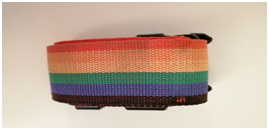
A few years ago, a tour group from China arrived at an airport in the U.S. After they claimed all their baggage, they waited at the lobby for the local guide to pick them up. Then a guy came over to them, telling them he could help them. There was one person in the tour group who could speak limited English, and she replied to him by saying they were waiting for a Chinese local guide, but the guy said he was a local guide.They were immediately confused and did not exactly understand what he meant,and a local Chinese tour guide came and asked the man what happened. Then the local guide looked around at all their baggage, and he suddenly came to realize what happened. Having heard about his explanation, all of them felt shocked and even ashamed because many of them had used the same rainbow-color belts to wrap their suitcases.
Questions for Intercultural understanding:
Understanding Facial Expressions:
https://www.verywellmind.com/understand-body-language-and-facial-expressions-4147228

