目录

  • 1 About the Course
    • 1.1 Course Introduction
    • 1.2 What shall we learn?
    • 1.3 What should be done?
    • 1.4 特别篇:武汉
    • 1.5 Complement:How to make a basic self-introduction
    • 1.6 同步课堂相关材料
  • 2 Welcome to our city!
    • 2.1 Meet the tourists
      • 2.1.1 Preprations for meeting tour groups
      • 2.1.2 At the airport
      • 2.1.3 Beside the coach
    • 2.2 Make a welcome speech
    • 2.3 Emergency
    • 2.4 特别篇:全国人民众志成城,从小我做起
  • 3 Introducing hotel facilities
    • 3.1 Hotel facilities
    • 3.2 Dos and Don'ts使用规定
  • 4 This is our itinerary!
    • 4.1 What is an itinerary?
    • 4.2 Talking about itinerary
    • 4.3 Change of itinerary
    • 4.4 Emergency-handling
    • 4.5 特别篇:we will win!
  • 5 Hope you enjoy the food!
    • 5.1 cooking verbs(外教讲解)
    • 5.2 Cooking process烹饪过程
    • 5.3 Cooking materials烹饪食材
    • 5.4 Kitchenware厨房用具
    • 5.5 English expressions of Chinese dishes
    • 5.6 How to order?点餐
    • 5.7 How to order at a bar
    • 5.8 Chinese food culture
    • 5.9 Chinese tea culture
    • 5.10 Chinese Table Manners
    • 5.11 一张思维导图读懂本章所学
    • 5.12 特别篇:手写笔记
  • 6 What a great place!
    • 6.1 How to present a city?
    • 6.2 How to describe a Scenic Spot?
    • 6.3 Sightseeing(Situational dialoguage)
    • 6.4 宁夏篇
      • 6.4.1 特别篇:航拍宁夏
      • 6.4.2 Introduction to Ningxia
      • 6.4.3 Introduction to Zhenbeibu West Movie Studio
      • 6.4.4 Introduction to Sand lake
      • 6.4.5 Introduction to Helan Moutain Rock Painting
      • 6.4.6 Introduction to Shapotou
      • 6.4.7 Gouji Berry
      • 6.4.8 Introduction to Yinchuan
    • 6.5 全国篇
      • 6.5.1 Introduction  to海南
      • 6.5.2 甘肃
    • 6.6 Classic Poems
    • 6.7 Chinese Garden Culture
  • 7 Shopping and entertainment!
    • 7.1 Common expressions for shopping
    • 7.2 Chinese ways of preserving health
    • 7.3 Chinese folk handicrafts
    • 7.4 Chinese Traditional Festivals
    • 7.5 Chinese Ancient Music
    • 7.6 Costumes of Ethnic Minorities
    • 7.7 特别篇:有关影子训练
  • 8 We can handle emergencies and complaints
    • 8.1 Complaint
    • 8.2 Emergencies
  • 9 Hope to see you again!
    • 9.1 How to make a farewell speech
    • 9.2 Farewell situational dialogues
  • 10 Do you wish to travel abroad?
    • 10.1 特别篇:青春与远方
    • 10.2 席慕容:致敬《青春》
    • 10.3 The road not taken未选择的路
    • 10.4 Hotel reservation
    • 10.5 hotel check-in
  • 11 地道口语
    • 11.1 爱的语言
    • 11.2 “我胖了”怎么说?
    • 11.3 老奶奶说成Granma, 要挨揍!
    • 11.4 等红灯怎么说?
    • 11.5 Have a rest是休息一会?
    • 11.6 近视的“度”是degree?
    • 11.7 小姐姐是Little sister?
    • 11.8 Good bye说错有可能导致绝交!
    • 11.9 续杯可不是one more
    • 11.10 欢迎再来中国是welcome to China again?
    • 11.11 洗衣服并不是wash clothes
    • 11.12 买菜不是buy vegetable
    • 11.13 “Do you have a family?”不是问你“有没有家”!
    • 11.14 “鸡腿”可不是“chicken leg”
    • 11.15 “Do you have the time?”真的不是问你“有没有时间?
    • 11.16 别把“老师”叫成"teacher"
    • 11.17 上厕所被敲门,如何用英语表达“里面有人”?
    • 11.18 “橘子”真的不是"orange"!
    • 11.19 Let's不等于let us
    • 11.20 换新手机不是change a new phone
    • 11.21 开学”可不是open school “开学”可不是open school
    • 11.22 记住:“japan”的意思不是“日本”
    • 11.23 记住:“​I forget it”的意思并不是“我忘了”!别再搞错啦! 记住:“​I forget it”的意思并不是“我忘了”!别再搞错啦!
    • 11.24 记住:“你喝多了!”不是"You drink too much!" 记住:“你喝多了!”不是"You drink too much!"
    • 11.25 “我完蛋了”英语怎么说?别告诉我是“I’m over”!
    • 11.26 好吃”千万不要说"very delicious"!这个差别一定要清楚 好吃”千万不要说"very delicious"!这个差别一定要清楚
    • 11.27 牛肉太老是very old?
    • 11.28 住酒店怎么说?
    • 11.29 你看起来很年轻
    • 11.30 吃瓜群众
    • 11.31 “Very delicious”,竟然是错误说法
    • 11.32 感情“亮红灯”
    • 11.33 低头族
    • 11.34 不靠谱的人
    • 11.35 黑巧克力是black chocolate吗?
    • 11.36 “你吃饱了吗”千万不能说“Are you full”!说错友谊的小船就翻了! “你吃饱了吗”千万不能说“Are you full”!说错友谊的小船就翻了!
    • 11.37 Sorry WC”,不是说他要上厕所!真正意思原来是这样! Sorry WC”,不是说他要上厕所!真正意思原来是这样!
    • 11.38 “现在几点了”别说成what time is it now, 老外会这么说... “现在几点了”别说成what time is it now, 老外会这么说...
    • 11.39 微信“拍一拍”为什么翻译为“nudge”?玩微信的必备英语都在这里了——
    • 11.40 记住:别再用“You're welcome”回答“Thank you”啦!太土了!
    • 11.41 公筷如何表达?
  • 12 与时事俱进
    • 12.1 李子柒
Chinese Table Manners
  • 1 通用Chinese ...
  • 2 用筷礼仪
  • 3 商务用餐礼仪

Chinese restaurants are staffed in a way similar to Western restaurants. The big differences between them are the structure of the dishes and the way of serving them. This part, therefore, introduces Chinese table manners, which is mostly likely to cause cultural misunderstandings. In order to train the serving staff and also enable them to explain to the foreign guests in a Chinese restaurant, understanding of Chinese table manners is of great importance.
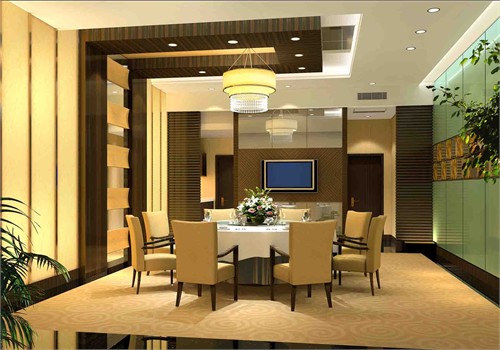
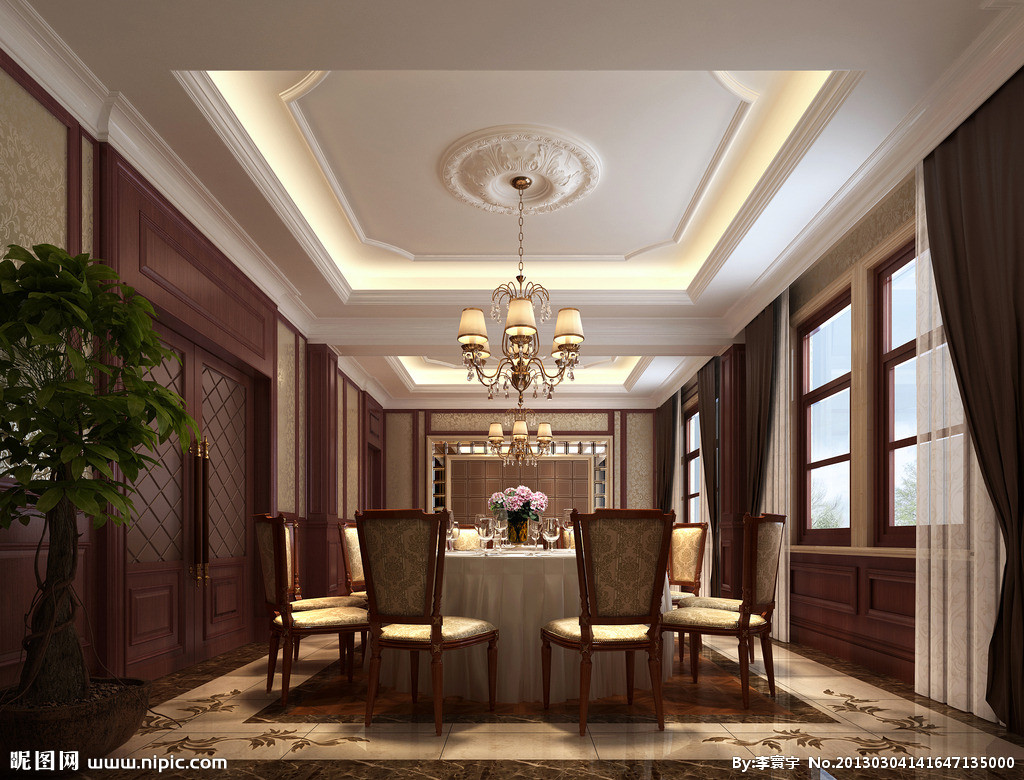
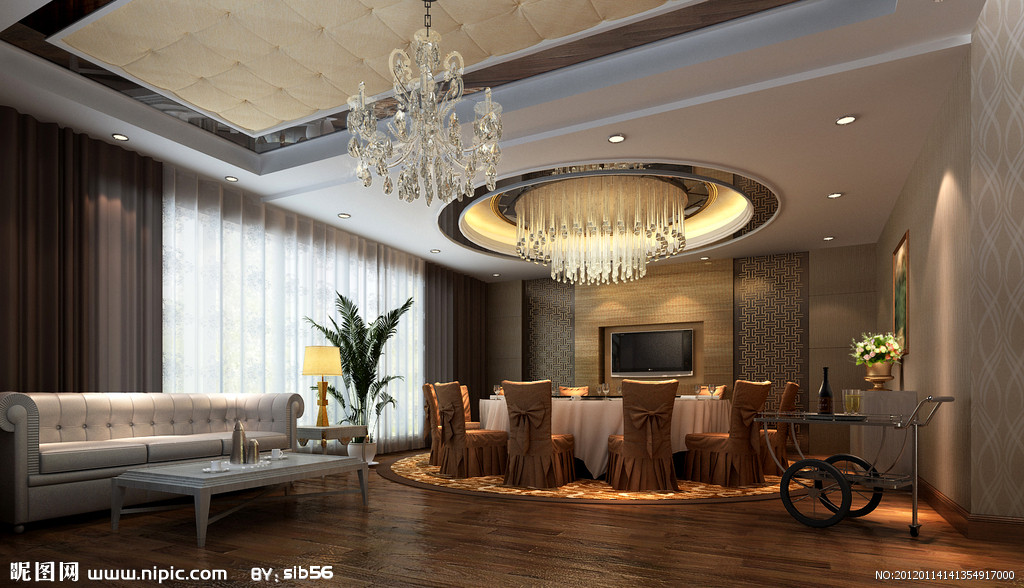
Where to sit

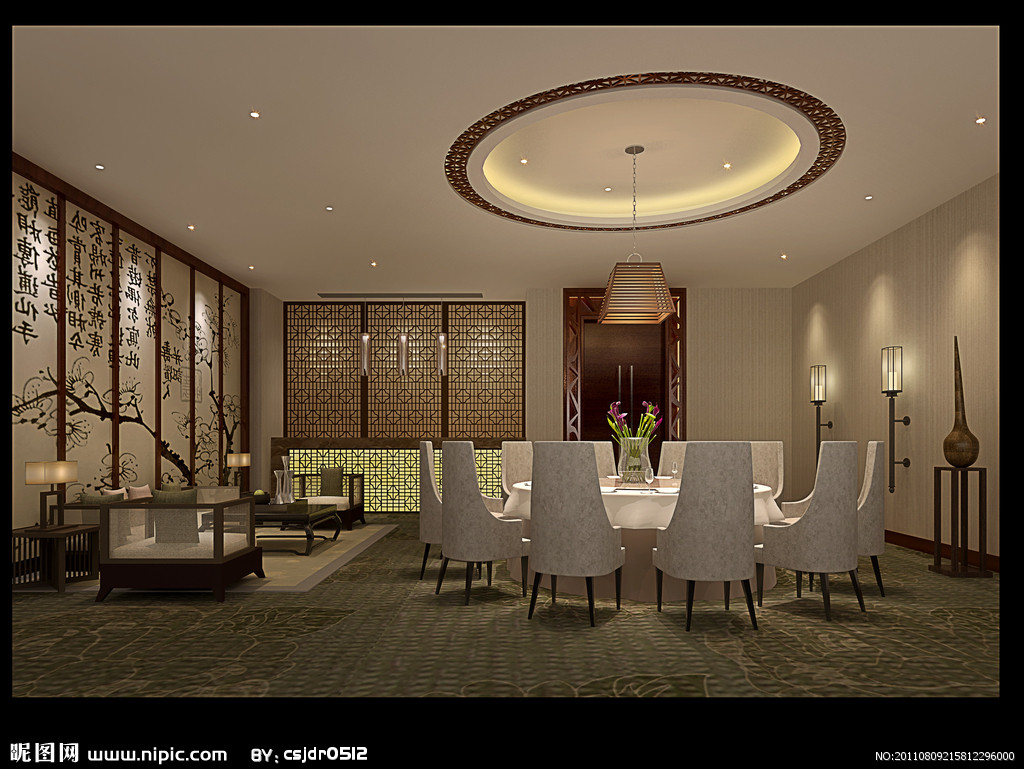
    Large groups sit at round tables of 10 seats or more. The place of honor for the chief guest is opposite the door or entrance and the chief host sits next to the chief guest. Alternate host with guest until the least important person sits with back to the door.
How and what to order:
    
    Usually the host orders, though the guest(s) should be consulted: Are they vegetarian? Muslim? Do they eat spicy food or not, etc. Try to order a balanced meal: cold and hot dishes, vegetable dishes and dishes with meat, even numbers of each. Usually for a banquet: total cold dishes 4, 6, or 8, total hot dishes 6, 8 or 10.
How to eat:
Invite guests to sit down first!
Drinks first—Serve your guests first!
Toast by the host.
Cold dishes next—Serve your guests!
Hot dishes next—Serve your guests!
Toast by guest of honour.
Soup and main food
Some taboos in Chinese table manners
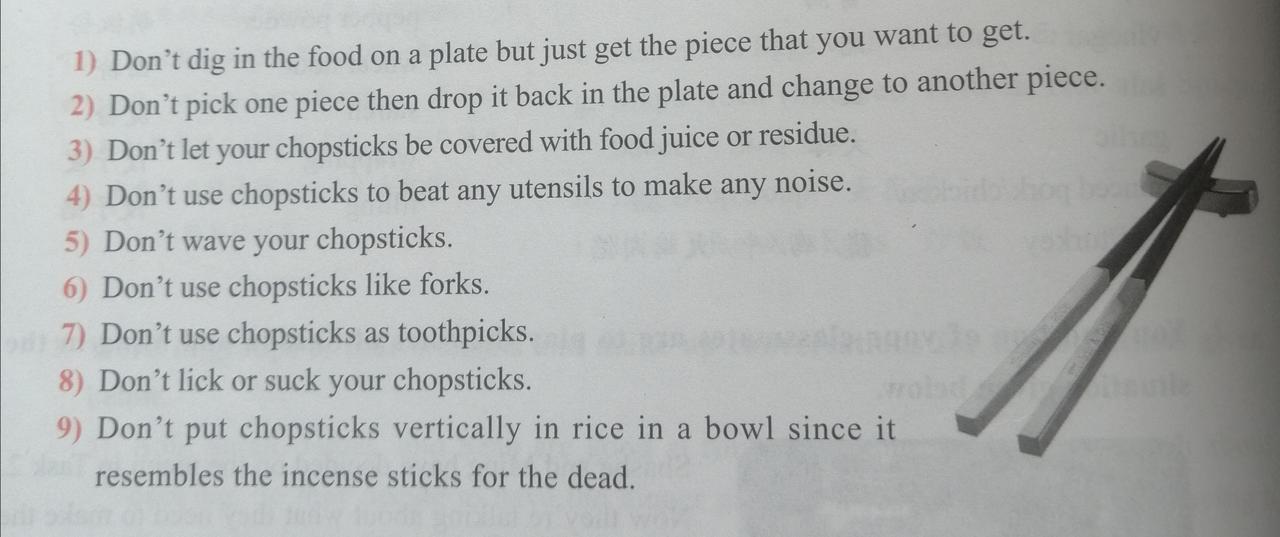
    1. Never stick your chopsticks upright in the rice bowl, lay them on your dish instead. Otherwise, it is deemed extremely impolite to the host and seniors.
   2. One shouldn’t point the mouth of the teapot to others. This has the same meaning of using the finger to point to somebody, that’s very impolite to the one that be pointed. Therefore, the spout should always be directed to where nobody is sitting, usually just outward from the table.
   3. Never tap on the bowl with your chopsticks, because that will be considered as the insulting behavior to the host or the chef.
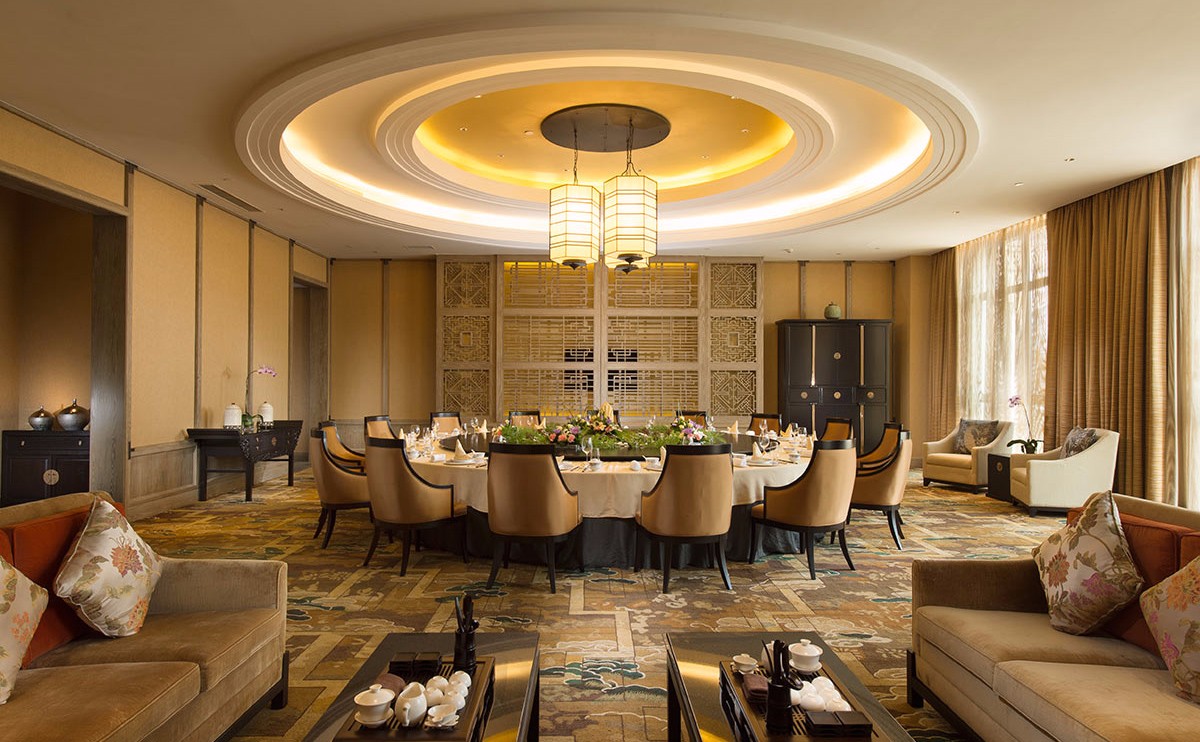
      In China, food is usually shared: everyone has a place set with an empty saucer, chopsticks, and often a spoon. Dishes and soup are set in the middle for all to share, while rice or noodles etc. are eaten out of individual bowls. Chinese banquets commonly have 12-20 courses in succession and can last for hours, but the dinner is over when the host stands up and offers the final toast.

  Usually, when it is time to end the meal, the host looks around at the guests to check if they are ready to go. If they are, the host might say, “Well / Zenmeyang? .... Thank you for coming ....” and rises slowly to leave. Hosts escort guests to the door and stay behind until they go.

     If you want to pay the bill, be quick about paying the bill. You might slip away when the meal is about done and ask for the bill (“jiezhang” or “maidan”). There is no tipping. It is quite acceptable and environmentally responsible to ask for “doggie bags” for any leftover food (dabao).