02 Read the following passage and answer these questions.

What is Physical Fitness?
Physical fitness is a state of health and well-being and, more specifically, the ability to perform aspects of sports, occupations and daily activities. Physical fitness is generally achieved through proper nutrition, moderate-vigorous physical exercise, and sufficient rest.
Before the Industrial Revolution, fitness was defined as the capacity to carry out the day's activities without undue fatigue or lethargy. However, with automation and changes in lifestyles, physical fitness is now considered a measure of the body's ability to function efficiently and effectively in work and leisure activities, to be healthy, to resist hypokinetic diseases, and to meet emergency situations.
Overview

Fitness is defined as the quality or state of being fit and healthy. The modern definition of fitness describes either a person or machine's ability to perform a specific function or a holistic definition of human adaptability to cope with various situations. Regarding specific function, fitness is attributed to persons who possess significant aerobic or anaerobic ability(i.e., endurance or strength). A well-rounded fitness program improves a person in all aspects of fitness compared to practicing only one, such as only cardio/respiratory endurance or only weight training.
A comprehensive fitness program tailored to an individual typically focuses on one or more specific skills, and on age- or health-related needs such as bone health. Many sources also cite mental, social and emotional health as an important part of overall fitness. This is often presented in textbooks as a triangle made up of three points, which represent physical, emotional, and mental fitness. Physical fitness can also prevent or treat many chronic health conditions brought on by unhealthy lifestyle or aging. Working out can also help some people sleep better by building up sleeping pressure and possibly alleviate some mood disorders in certain individuals.
Activity guidelines
Guidelines in the United Kingdom released in July 2011 include the following points: The intensity at which a person exercises is key, and light activity such as strolling and house work is unlikely to have much positive impact on the health of most people. For aerobic exercise to be beneficial, it must raise the heart rate and cause perspiration. A person should do a minimum of 150 minutes a week of moderate-intensity aerobic exercise. There are more health benefits gained if a person exercises beyond 150 minutes. Sedentary time (time spent not standing, such as when on a chair or in bed) is bad for a person's health, and no amount of exercise can negate the effects of sitting for too long. These guidelines are now much more in line with those used in the U.S., which also includes recommendations for muscle-building and bone-strengthening activities such as lifting weights and yoga.
Exercise
(1) Aerobic exercise
Aerobic exercise, which improves cardiorespiratory fitness and increase stamina, involves movement that increases the heart rate to improve the body's oxygen consumption. This form of exercise is an important part of all training regiments ranging from professional athletes to the everyday person.
Prominent examples of aerobic exercises include:
●Jogging — Running at a steady and gentle pace. This form of exercise is great for maintaining weight and building a cardiovascular base to later perform more intense exercises.
●Working on elliptical trainer — This is a stationary exercise machine used to perform walking, or running without causing excessive stress on the joints. This form of exercise is perfect for people with achy hips, knees, and ankles.
●Walking — Moving at a fairly regular pace for a short, medium or long distance.
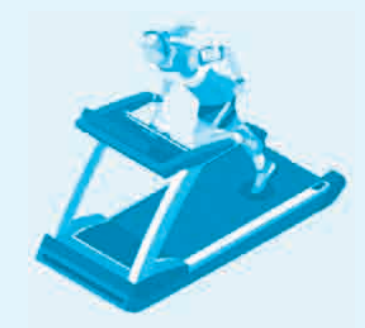
●Treadmill training — Many treadmills have programs set up that offer numerous different workout plans. One effective cardiovascular activity would be to switch between running and walking.
●Swimming — Using the arms and legs to keep oneself afloat in water and moving either forwards or backward. This is a good full-body exercise for those who are looking to strengthen their core while improving cardiovascular endurance.
●Cycling — Riding a bicycle typically involves longer distances than walking or jogging. This is another low-impact exercise on the joints and is great for improving leg strength.
(2) Anaerobic exercise
Anaerobic exercise features high-intensity movements performed in a short period of time. It is a fast, high-intensity exercise that does not require the body to utilize oxygen to produce energy. It helps to promote strength, endurance, speed, and power; and is used by bodybuilders to build workout intensity.
Prominent examples of anaerobic exercises include:
●Weight training — A common type of strength training for developing the strength and size of skeletal muscles.
●Isometric exercise — Helps to maintain strength. A muscle action in which no visible movement occurs and the resistance matches the muscular tension.
●Sprinting — Running short distances as fast as possible.
●Interval training — Alternating short bursts (lasting around 30 seconds) of intense activity with longer intervals (three to four minutes) of less intense activity.
Effects
(1) Controlling blood pressure
Physical fitness has proven to support the body's blood pressure. Staying active and exercising regularly builds a stronger heart. The heart is the main organ in charge of systolic blood pressure and diastolic blood pressure. Engaging in a physical activity raises blood pressure. Once the subject stops the activity, the blood pressure returns to normal. The more physical activity, the easier this process becomes, resulting in a fitter cardiovascular profile. Through regular physical fitness, it becomes easier to create a rise in blood pressure. This lowers the force on the arteries, and lowers the overall blood pressure.
(2) Cancer prevention
Centers for disease control and prevention provide lifestyle guidelines for maintaining a balanced diet and engaging in physical activity to reduce the risk of disease. The WCRF/ American Institute for Cancer Research (AICR) published a list of recommendations that reflect the evidence they have found through consistency in fitness and dietary factors that directly relate to cancer prevention.
The WCRF/AICR recommendations include the following:
●Be as lean as possible without becoming underweight.
●Each week, adults should engage in at least 150 minutes of moderate-intensity physical activity or 75 minutes of vigorous-intensity physical activity.
●Children should engage in at least one hour of moderate or vigorous physical activity each week.
●Be physically active for at least thirty minutes every day.
●Avoid sugar, and limit the consumption of energy-packed foods.
●Balance one's diet with a variety of vegetables, grains, fruits, legumes, etc.
●Limit sodium intake and the consumption of red meats and processed meats.
●Limit alcoholic drinks to two for men and one for women a day.
(3) Inflammation
Studies have shown an association between increased physical activity and reduced inflammation. It produces both a short-term inflammatory response and a long-term anti-inflammatory effect. Physical activity reduces inflammation in conjunction with or independent of changes in body weight. However, the mechanisms linking physical activity to inflammation are unknown.
(4) Weight control
Achieving resilience through physical fitness promotes a vast and complex range of health-related benefits. Individuals who keep up physical fitness levels generally regulate their distribution of body fat and prevent obesity. Abdominal fat, specifically visceral fat, is most directly affected by engaging in aerobic exercise. Strength training has been known to increase the amount of muscle in the body, however,it can also reduce body fat. Sex steroid hormones, insulin, and appropriate immune responses are factors that mediate metabolism in relation to abdominal fat. Therefore, physical fitness provides weight control through regulation of these bodily functions.
(5) Mental health
Studies have shown that physical activity can improve mental health and well-being. This improvement is due to an increase in blood flow to the brain, allowing for the release of hormones as well as a decrease stress hormones in the body (e.g., cortisol, adrenaline) while also stimulating the human body's mood boosters and natural painkillers. Not only does exercise release these feel-good hormones, but it can also remove one's worries and help build confidence. These trends improve as physical activity is performed on a consistent basis, which makes exercise effective in relieving symptoms of depression and anxiety, positively impacting mental health and bringing about several other benefits. For example:
●Physical activity has been linked to the alleviation of depression and anxiety symptoms.
●In patients suffering from schizophrenia, physical fitness has been shown to improve their quality of life and decrease the effects of schizophrenia.
●Being fit can improve one's self-esteem.
●Working out can improve one's mental alertness and it can reduce fatigue.
●Studies have shown a reduction in stress levels.
●Increased opportunity for social interaction, allowing for improved social skills.
To achieve some of these benefits, the Centers for Disease Control and Prevention suggests at least 30-60 minutes of exercise 3-5 times a week.
(Source: http://en.wikibedia.ru/wiki/Physical fitness)