
目录

  • 1 关于课程
    • 1.1 教学指引
  • 2 学生优秀作品展示
    • 2.1 Organ Transplant
      • 2.1.1 Organ Transplant (Group 2,临床7-8班)
      • 2.1.2 Organ Transplant (Group 1,药分9-10班)
      • 2.1.3 Cloning & Transplantation (Group2,医技1-2班)
      • 2.1.4 Cord Blood Transplantation (Group 1,临床7-8班)
      • 2.1.5 3D Printing Technology in Organ Transplantation (Group 8,医技1-2班)
      • 2.1.6 A Pig Heart (Group 2,药分9-10班)
    • 2.2 Influenza
      • 2.2.1 Influenza  (Group 1,医技1-2班)
      • 2.2.2 Spanish Influenza (药分9-10班)
      • 2.2.3 Avian Influenza  (Group 6,医技1-2班)
      • 2.2.4 The Avain Virus - H1N1(Group 4,临床7-8班)
      • 2.2.5 Swine Influenza (Group 3,临床7-8班)
      • 2.2.6 The Similarities and Differences Between Flu and COVID-19 (Group 7,药分9-10班)
      • 2.2.7 Differences and similarities (Group 3,临床7-8班)
      • 2.2.8 Cold vs Flu vs Covid-19 (Group 4,中制17-18班)
      • 2.2.9 Cold vs Flu vs Covid-19 (Group 5,药分9-10班)
      • 2.2.10 Cold vs Flu vs Covid-19 (Group 10,临床7-8班)
    • 2.3 Autism
      • 2.3.1 Autism (Group 10,临床7-8班)
      • 2.3.2 Autism (Group 3,医技1-2班)
      • 2.3.3 Autism Spectrum Disorders (Group 6,药分9-10班)
      • 2.3.4 Asperger‘s Syndrom (Group 6,医技1-2班)
      • 2.3.5 Asperger‘s Syndrom (Group 8,中制17-18班)
      • 2.3.6 Therapy for Autism (Group 9,护理1-2班)
      • 2.3.7 Treatment for Autism (Group 9,临床7-8班)
      • 2.3.8 Animal therapy for Autism (Group 3,药分9-10班)
      • 2.3.9 Care For Autistic Children (Group 8,智工11-12班)
    • 2.4 First Aid
      • 2.4.1 A Brief Introduction to First Aid (Group 2,医技1-2班)
      • 2.4.2 First Aid(Group 2,智工11-12班)
      • 2.4.3 First Aid(Group 3,临药15-16班)
      • 2.4.4 CPR(Group 6,临床7-8班)
      • 2.4.5 First Aid in Fires(Group 3,临药15-16班)
      • 2.4.6 First Aid in Water Incidents(Group 5,信管3-4班)
      • 2.4.7 First Aid in Electrical Incidents(Group 2,健管3-4班)
  • 3 Unit 1 Organ Transplant
    • 3.1 Micro-lectures
      • 3.1.1 Vocabulary
      • 3.1.2 Subjunctive Mood
      • 3.1.3 Sentence Analysis
      • 3.1.4 Coherence
    • 3.2 Text Book
      • 3.2.1 Info-storm
      • 3.2.2 Watching-in
        • 3.2.2.1 Watching-in -1
        • 3.2.2.2 Watching-in -2
      • 3.2.3 Pre-reading
        • 3.2.3.1 Pre-reading -1
        • 3.2.3.2 Pre-reading -2
        • 3.2.3.3 Pre-reading -3
      • 3.2.4 Critical Reading
      • 3.2.5 Speaking Out
      • 3.2.6 Pros/Cons
        • 3.2.6.1 Pros/Cons -1
        • 3.2.6.2 Pros/Cons -2
      • 3.2.7 Outcome
    • 3.3 More About the Topic
    • 3.4 Reading Practice
    • 3.5 Tips for CET 6
  • 4 Unit 2 Influenza
    • 4.1 Micro-lectures
      • 4.1.1 Vocabulary
      • 4.1.2 Postpositive Attributes
      • 4.1.3 Sentence Analysis
      • 4.1.4 Coherence
    • 4.2 More About the Topic
    • 4.3 Reading Practice
    • 4.4 Tips for CET 6
  • 5 Unit 3 Allergy
    • 5.1 Micro-lectures
      • 5.1.1 Vocabulary
      • 5.1.2 动名词 Gerund
      • 5.1.3 Sentence Analysis
      • 5.1.4 Coherence
    • 5.2 More About the Topic
  • 6 Unit 4 Plastic surgery
    • 6.1 Micro-lectures
      • 6.1.1 Vocabulary
      • 6.1.2 Gerunds and Present Participles
      • 6.1.3 Sentence Analysis
      • 6.1.4 Coherence
    • 6.2 More About the topic
    • 6.3 Reading Practice
    • 6.4 Tips for CET6
  • 7 Unit 5 Autism
    • 7.1 Micro-lectures
      • 7.1.1 Vocabulary
      • 7.1.2 Grammar
      • 7.1.3 Sentence Analysis
      • 7.1.4 Coherence
    • 7.2 More about the Topic
  • 8 Unit 6 HIV/AIDS
    • 8.1 Micro-lectures
      • 8.1.1 Vocabulary
      • 8.1.2 Grammar
      • 8.1.3 Sentence Analysis
      • 8.1.4 Coherence
    • 8.2 More about the Topic
    • 8.3 Reading Practice
    • 8.4 Tips for CET 6
  • 9 Unit 7 First Aid
    • 9.1 Micro-lectures
      • 9.1.1 Vocabulary
      • 9.1.2 Grammar
      • 9.1.3 Sentence Analysis
      • 9.1.4 Coherence
  • 10 Unit 8 Surrogacy
    • 10.1 Micro-lectures
      • 10.1.1 Vocabulary
      • 10.1.2 Grammar
      • 10.1.3 Sentence Analysis
      • 10.1.4 Coherence
  • 11 Unit 2 Influenza
    • 11.1 Info-storm
    • 11.2 Watching-in
      • 11.2.1 Watching-in -1
      • 11.2.2 Watching-in -2
    • 11.3 Pre-reading
      • 11.3.1 Pre-reading -1
      • 11.3.2 Pre-reading -2
      • 11.3.3 Pre-reading -3
    • 11.4 Critical Reading
    • 11.5 Speaking Out
    • 11.6 Pros/Cons
      • 11.6.1 Pros/Cons -1
      • 11.6.2 Pros/Cons -2
    • 11.7 Outcome
    • 11.8 Micro-lectures
      • 11.8.1 Vocabulary
      • 11.8.2 Postpositive Attributes
      • 11.8.3 Sentence Analysis
      • 11.8.4 Coherence
  • 12 Unit 3 Allergy
    • 12.1 Info-storm
    • 12.2 Watching-in
      • 12.2.1 Watching-in -1
      • 12.2.2 Watching-in -2
    • 12.3 Pre-reading
      • 12.3.1 Pre-reading -1
      • 12.3.2 Pre-reading -2
      • 12.3.3 Pre-reading -3
    • 12.4 Critical Reading
    • 12.5 Speaking Out
    • 12.6 Pros/Cons
      • 12.6.1 Pros/Cons -1
      • 12.6.2 Pros/Cons -2
    • 12.7 Outcome
    • 12.8 Micro-lectures
      • 12.8.1 Vocabulary
      • 12.8.2 动名词 Gerund
      • 12.8.3 Sentence Analysis
      • 12.8.4 Coherence
  • 13 Unit 4 Plastic Surgery
    • 13.1 Info-storm
    • 13.2 Watching-in
      • 13.2.1 Watching-in -1
      • 13.2.2 Watching-in -2
    • 13.3 Pre-reading
      • 13.3.1 Pre-reading -1
      • 13.3.2 Pre-reading -2
      • 13.3.3 Pre-reading -3
    • 13.4 Critical Reading
    • 13.5 Speaking Out
    • 13.6 Pros/Cons
      • 13.6.1 Pros/Cons -1
      • 13.6.2 Pros/Cons -2
    • 13.7 Outcome
    • 13.8 Micro-lectures
      • 13.8.1 Vocabulary
      • 13.8.2 Gerunds and Present Participles
      • 13.8.3 Sentence Analysis
      • 13.8.4 Coherence
  • 14 Unit 5 Autism
    • 14.1 Info-storm
    • 14.2 Watching-in
      • 14.2.1 Watching-in -1
      • 14.2.2 Watching-in -2
    • 14.3 Pre-reading
      • 14.3.1 Pre-reading -1
      • 14.3.2 Pre-reading -2
      • 14.3.3 Pre-reading -3
    • 14.4 Critical Reading
    • 14.5 Speaking Out
    • 14.6 Pros/Cons
      • 14.6.1 Pros/Cons -1
      • 14.6.2 Pros/Cons -2
    • 14.7 Outcome
    • 14.8 Micro-lectures
      • 14.8.1 Vocabulary
      • 14.8.2 Grammar
      • 14.8.3 Sentence Analysis
      • 14.8.4 Coherence
  • 15 Unit 6  HIV/AIDS
    • 15.1 Info-storm
    • 15.2 Watching-in
      • 15.2.1 Watching-in -1
      • 15.2.2 Watching-in -2
    • 15.3 Pre-reading
      • 15.3.1 Pre-reading -1
      • 15.3.2 Pre-reading -2
      • 15.3.3 Pre-reading -3
    • 15.4 Critical Reading
    • 15.5 Speaking Out
    • 15.6 Pros/Cons
      • 15.6.1 Pros/Cons -1
      • 15.6.2 Pros/Cons -2
    • 15.7 Outcome
    • 15.8 Micro-lectures
      • 15.8.1 Vocabulary
      • 15.8.2 Grammar
      • 15.8.3 Sentence Analysis
      • 15.8.4 Coherence
  • 16 First Aid
    • 16.1 Info-storm
    • 16.2 Watching-in
      • 16.2.1 Watching-in -1
      • 16.2.2 Watching-in -2
    • 16.3 Pre-reading
      • 16.3.1 Pre-reading -1
      • 16.3.2 Pre-reading -2
      • 16.3.3 Pre-reading -3
    • 16.4 Critical Reading
    • 16.5 Speaking Out
    • 16.6 Pros/Cons
      • 16.6.1 Pros/Cons -1
      • 16.6.2 Pros/Cons -2
    • 16.7 Outcome
    • 16.8 Micro-lectures
      • 16.8.1 Vocabulary
      • 16.8.2 Grammar
      • 16.8.3 Sentence Analysis
      • 16.8.4 Coherence
  • 17 Unit 8 Physical Fitness
    • 17.1 Info-storm
    • 17.2 Watching-in
      • 17.2.1 Watching-in -1
      • 17.2.2 Watching-in -2
    • 17.3 Pre-reading
      • 17.3.1 Pre-reading -1
      • 17.3.2 Pre-reading -2
      • 17.3.3 Pre-reading -3
    • 17.4 Critical Reading
    • 17.5 Speaking Out
    • 17.6 Pros/Cons
      • 17.6.1 Pros/Cons -1
      • 17.6.2 Pros/Cons -2
    • 17.7 Outcome
Info-storm

Read the web page(https://www.unaids.org/en/whoweare/about). Then answer the questions orally.
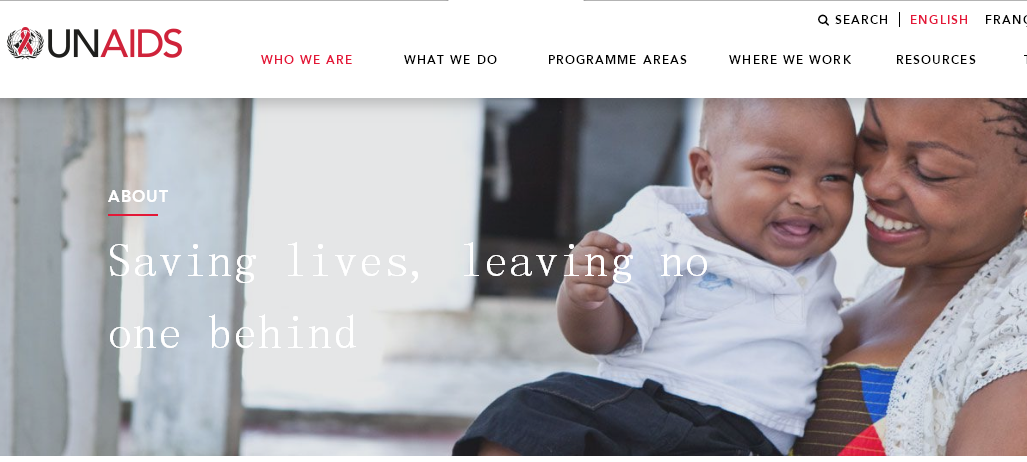
UNAIDS is leading the global effort to end AIDS as a public health threat by 2030 as part of the Sustainable Development Goals.

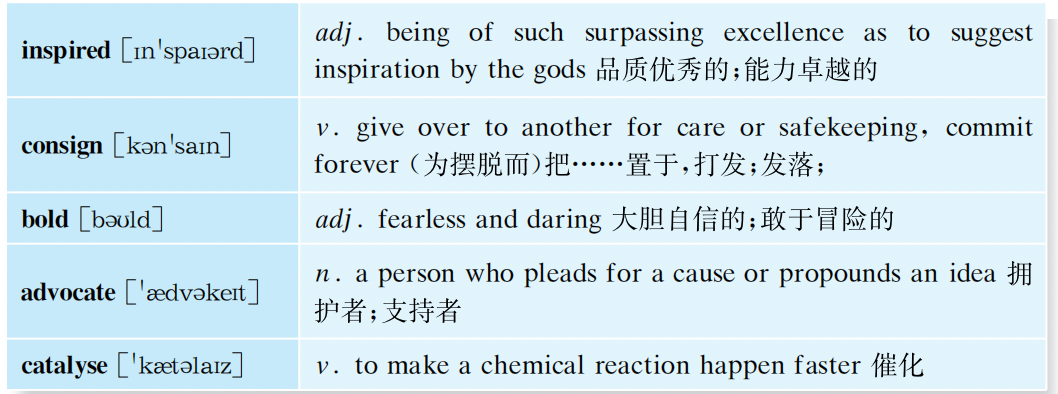
Since the first cases of HIV were reported more than 35 years ago, 78 million people have become infected with HIV and 35 million have died from AIDS-related illnesses. Since it started operations in 1996, UNAIDS has led and inspired global, regional, national and local leadership, innovation and partnership to ultimately consign HIV to history.

UNAIDS is a problem-solver. It places people living with HIV and people affected by the virus at the decision-making table and at the centre of designing, delivering and monitoring the AIDS response. It charts paths for countries and communities to get on the Fast-Track to ending AIDS and is a bold advocate for addressing the legal and policy barriers to the AIDS response.

UNAIDS provides the strategic direction, advocacy, coordination and technical support needed to catalyse and connect leadership from governments, the private sector and communities to deliver life-saving HIV services. Without UNAIDS, there would be no strategic vision for the AIDS response.

UNAIDS is a model for United Nations reform and is the only cosponsored Joint Programme in the United Nations system. It draws on the experience and expertise of 11 United Nations system Cosponsors and is the only United Nations entity with civil society represented on its governing body.

The UNAIDS Secretariat has offices in 70 countries, with 70% of its staff based in the field, and has a budget of US$ 140 million for 2018. The budget for the Joint Programme for 2018 is US$ 242 million.