
目录

  • 1 关于课程
    • 1.1 教学指引
  • 2 学生优秀作品展示
    • 2.1 Organ Transplant
      • 2.1.1 Organ Transplant (Group 2,临床7-8班)
      • 2.1.2 Organ Transplant (Group 1,药分9-10班)
      • 2.1.3 Cloning & Transplantation (Group2,医技1-2班)
      • 2.1.4 Cord Blood Transplantation (Group 1,临床7-8班)
      • 2.1.5 3D Printing Technology in Organ Transplantation (Group 8,医技1-2班)
      • 2.1.6 A Pig Heart (Group 2,药分9-10班)
    • 2.2 Influenza
      • 2.2.1 Influenza  (Group 1,医技1-2班)
      • 2.2.2 Spanish Influenza (药分9-10班)
      • 2.2.3 Avian Influenza  (Group 6,医技1-2班)
      • 2.2.4 The Avain Virus - H1N1(Group 4,临床7-8班)
      • 2.2.5 Swine Influenza (Group 3,临床7-8班)
      • 2.2.6 The Similarities and Differences Between Flu and COVID-19 (Group 7,药分9-10班)
      • 2.2.7 Differences and similarities (Group 3,临床7-8班)
      • 2.2.8 Cold vs Flu vs Covid-19 (Group 4,中制17-18班)
      • 2.2.9 Cold vs Flu vs Covid-19 (Group 5,药分9-10班)
      • 2.2.10 Cold vs Flu vs Covid-19 (Group 10,临床7-8班)
    • 2.3 Autism
      • 2.3.1 Autism (Group 10,临床7-8班)
      • 2.3.2 Autism (Group 3,医技1-2班)
      • 2.3.3 Autism Spectrum Disorders (Group 6,药分9-10班)
      • 2.3.4 Asperger‘s Syndrom (Group 6,医技1-2班)
      • 2.3.5 Asperger‘s Syndrom (Group 8,中制17-18班)
      • 2.3.6 Therapy for Autism (Group 9,护理1-2班)
      • 2.3.7 Treatment for Autism (Group 9,临床7-8班)
      • 2.3.8 Animal therapy for Autism (Group 3,药分9-10班)
      • 2.3.9 Care For Autistic Children (Group 8,智工11-12班)
    • 2.4 First Aid
      • 2.4.1 A Brief Introduction to First Aid (Group 2,医技1-2班)
      • 2.4.2 First Aid(Group 2,智工11-12班)
      • 2.4.3 First Aid(Group 3,临药15-16班)
      • 2.4.4 CPR(Group 6,临床7-8班)
      • 2.4.5 First Aid in Fires(Group 3,临药15-16班)
      • 2.4.6 First Aid in Water Incidents(Group 5,信管3-4班)
      • 2.4.7 First Aid in Electrical Incidents(Group 2,健管3-4班)
  • 3 Unit 1 Organ Transplant
    • 3.1 Micro-lectures
      • 3.1.1 Vocabulary
      • 3.1.2 Subjunctive Mood
      • 3.1.3 Sentence Analysis
      • 3.1.4 Coherence
    • 3.2 Text Book
      • 3.2.1 Info-storm
      • 3.2.2 Watching-in
        • 3.2.2.1 Watching-in -1
        • 3.2.2.2 Watching-in -2
      • 3.2.3 Pre-reading
        • 3.2.3.1 Pre-reading -1
        • 3.2.3.2 Pre-reading -2
        • 3.2.3.3 Pre-reading -3
      • 3.2.4 Critical Reading
      • 3.2.5 Speaking Out
      • 3.2.6 Pros/Cons
        • 3.2.6.1 Pros/Cons -1
        • 3.2.6.2 Pros/Cons -2
      • 3.2.7 Outcome
    • 3.3 More About the Topic
    • 3.4 Reading Practice
    • 3.5 Tips for CET 6
  • 4 Unit 2 Influenza
    • 4.1 Micro-lectures
      • 4.1.1 Vocabulary
      • 4.1.2 Postpositive Attributes
      • 4.1.3 Sentence Analysis
      • 4.1.4 Coherence
    • 4.2 More About the Topic
    • 4.3 Reading Practice
    • 4.4 Tips for CET 6
  • 5 Unit 3 Allergy
    • 5.1 Micro-lectures
      • 5.1.1 Vocabulary
      • 5.1.2 动名词 Gerund
      • 5.1.3 Sentence Analysis
      • 5.1.4 Coherence
    • 5.2 More About the Topic
  • 6 Unit 4 Plastic surgery
    • 6.1 Micro-lectures
      • 6.1.1 Vocabulary
      • 6.1.2 Gerunds and Present Participles
      • 6.1.3 Sentence Analysis
      • 6.1.4 Coherence
    • 6.2 More About the topic
    • 6.3 Reading Practice
    • 6.4 Tips for CET6
  • 7 Unit 5 Autism
    • 7.1 Micro-lectures
      • 7.1.1 Vocabulary
      • 7.1.2 Grammar
      • 7.1.3 Sentence Analysis
      • 7.1.4 Coherence
    • 7.2 More about the Topic
  • 8 Unit 6 HIV/AIDS
    • 8.1 Micro-lectures
      • 8.1.1 Vocabulary
      • 8.1.2 Grammar
      • 8.1.3 Sentence Analysis
      • 8.1.4 Coherence
    • 8.2 More about the Topic
    • 8.3 Reading Practice
    • 8.4 Tips for CET 6
  • 9 Unit 7 First Aid
    • 9.1 Micro-lectures
      • 9.1.1 Vocabulary
      • 9.1.2 Grammar
      • 9.1.3 Sentence Analysis
      • 9.1.4 Coherence
  • 10 Unit 8 Surrogacy
    • 10.1 Micro-lectures
      • 10.1.1 Vocabulary
      • 10.1.2 Grammar
      • 10.1.3 Sentence Analysis
      • 10.1.4 Coherence
  • 11 Unit 2 Influenza
    • 11.1 Info-storm
    • 11.2 Watching-in
      • 11.2.1 Watching-in -1
      • 11.2.2 Watching-in -2
    • 11.3 Pre-reading
      • 11.3.1 Pre-reading -1
      • 11.3.2 Pre-reading -2
      • 11.3.3 Pre-reading -3
    • 11.4 Critical Reading
    • 11.5 Speaking Out
    • 11.6 Pros/Cons
      • 11.6.1 Pros/Cons -1
      • 11.6.2 Pros/Cons -2
    • 11.7 Outcome
    • 11.8 Micro-lectures
      • 11.8.1 Vocabulary
      • 11.8.2 Postpositive Attributes
      • 11.8.3 Sentence Analysis
      • 11.8.4 Coherence
  • 12 Unit 3 Allergy
    • 12.1 Info-storm
    • 12.2 Watching-in
      • 12.2.1 Watching-in -1
      • 12.2.2 Watching-in -2
    • 12.3 Pre-reading
      • 12.3.1 Pre-reading -1
      • 12.3.2 Pre-reading -2
      • 12.3.3 Pre-reading -3
    • 12.4 Critical Reading
    • 12.5 Speaking Out
    • 12.6 Pros/Cons
      • 12.6.1 Pros/Cons -1
      • 12.6.2 Pros/Cons -2
    • 12.7 Outcome
    • 12.8 Micro-lectures
      • 12.8.1 Vocabulary
      • 12.8.2 动名词 Gerund
      • 12.8.3 Sentence Analysis
      • 12.8.4 Coherence
  • 13 Unit 4 Plastic Surgery
    • 13.1 Info-storm
    • 13.2 Watching-in
      • 13.2.1 Watching-in -1
      • 13.2.2 Watching-in -2
    • 13.3 Pre-reading
      • 13.3.1 Pre-reading -1
      • 13.3.2 Pre-reading -2
      • 13.3.3 Pre-reading -3
    • 13.4 Critical Reading
    • 13.5 Speaking Out
    • 13.6 Pros/Cons
      • 13.6.1 Pros/Cons -1
      • 13.6.2 Pros/Cons -2
    • 13.7 Outcome
    • 13.8 Micro-lectures
      • 13.8.1 Vocabulary
      • 13.8.2 Gerunds and Present Participles
      • 13.8.3 Sentence Analysis
      • 13.8.4 Coherence
  • 14 Unit 5 Autism
    • 14.1 Info-storm
    • 14.2 Watching-in
      • 14.2.1 Watching-in -1
      • 14.2.2 Watching-in -2
    • 14.3 Pre-reading
      • 14.3.1 Pre-reading -1
      • 14.3.2 Pre-reading -2
      • 14.3.3 Pre-reading -3
    • 14.4 Critical Reading
    • 14.5 Speaking Out
    • 14.6 Pros/Cons
      • 14.6.1 Pros/Cons -1
      • 14.6.2 Pros/Cons -2
    • 14.7 Outcome
    • 14.8 Micro-lectures
      • 14.8.1 Vocabulary
      • 14.8.2 Grammar
      • 14.8.3 Sentence Analysis
      • 14.8.4 Coherence
  • 15 Unit 6  HIV/AIDS
    • 15.1 Info-storm
    • 15.2 Watching-in
      • 15.2.1 Watching-in -1
      • 15.2.2 Watching-in -2
    • 15.3 Pre-reading
      • 15.3.1 Pre-reading -1
      • 15.3.2 Pre-reading -2
      • 15.3.3 Pre-reading -3
    • 15.4 Critical Reading
    • 15.5 Speaking Out
    • 15.6 Pros/Cons
      • 15.6.1 Pros/Cons -1
      • 15.6.2 Pros/Cons -2
    • 15.7 Outcome
    • 15.8 Micro-lectures
      • 15.8.1 Vocabulary
      • 15.8.2 Grammar
      • 15.8.3 Sentence Analysis
      • 15.8.4 Coherence
  • 16 First Aid
    • 16.1 Info-storm
    • 16.2 Watching-in
      • 16.2.1 Watching-in -1
      • 16.2.2 Watching-in -2
    • 16.3 Pre-reading
      • 16.3.1 Pre-reading -1
      • 16.3.2 Pre-reading -2
      • 16.3.3 Pre-reading -3
    • 16.4 Critical Reading
    • 16.5 Speaking Out
    • 16.6 Pros/Cons
      • 16.6.1 Pros/Cons -1
      • 16.6.2 Pros/Cons -2
    • 16.7 Outcome
    • 16.8 Micro-lectures
      • 16.8.1 Vocabulary
      • 16.8.2 Grammar
      • 16.8.3 Sentence Analysis
      • 16.8.4 Coherence
  • 17 Unit 8 Physical Fitness
    • 17.1 Info-storm
    • 17.2 Watching-in
      • 17.2.1 Watching-in -1
      • 17.2.2 Watching-in -2
    • 17.3 Pre-reading
      • 17.3.1 Pre-reading -1
      • 17.3.2 Pre-reading -2
      • 17.3.3 Pre-reading -3
    • 17.4 Critical Reading
    • 17.5 Speaking Out
    • 17.6 Pros/Cons
      • 17.6.1 Pros/Cons -1
      • 17.6.2 Pros/Cons -2
    • 17.7 Outcome
Speaking Out
  • 1 Read and&nbs...
  • 2 Watch and&nb...


01 Read the book preview and log on to the website for further reading of the book In a Different Key: The Story of Autism. Work in groups and tell the class what you’ve learnt from the book.


Nearly seventy-five years ago, Donald Triplett of Forest, Mississippi, became the first child diagnosed with autism. Beginning with his family’s odyssey, In a Different Key tells the extraordinary story of this often misunderstood condition, and of the civil rights battles waged by the families of those who have it. Unfolding over decades, it is a beautifully rendered history of ordinary people determined to secure a place in the world for those with autism—by liberating children from dank institutions, campaigning for their right to go to school, challenging expert opinion on what it means to have autism, and persuading society to accept those who are different.  
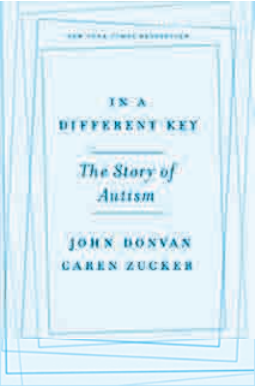

It is the story of women like Ruth Sullivan, who rebelled against a medical establishment that blamed cold and rejecting “refrigerator mothers” for causing autism; and of fathers who pushed scientists to dig harder for treatments. Many others played starring roles too: doctors like Leo Kanner, who pioneered our understanding of autism; lawyers like Tom Gilhool, who took the families’ battle for education to the courtroom; scientists who sparred over how to treat autism; and those with autism, like Temple Grandin, Alex Plank, and Ari Ne’eman, who explained their inner worlds and championed the philosophy of neurodiversity. 


This is also a story of fierce controversies—from the question of whether there is truly an autism “epidemic,” and whether vaccines played a part in it; to scandals involving “facilitated communication,” one of many treatments that have proved to be blind alleys; to stark disagreements about whether scientists should pursue a cure for autism. There are dark turns too: we learn about experimenters feeding LSD to children with autism, or shocking them with electricity to change their behavior; and the authors reveal compelling evidence that Hans Asperger, discoverer of the syndrome named after him, participated in the Nazi program that consigned disabled children to death.


By turns intimate and panoramic, In a Different Key takes us on a journey from an era when families were shamed and children were condemned to institutions to one in which a cadre of people with autism push not simply for inclusion, but for a new understanding of autism: as difference rather than disability.


(Source: https://www.amazon.com/Different-Key-Story-Autism/dp/0307985709)


02 Read the passage about World Autism Awareness Day. Work in groups and tell the class the significance of World Autism Awareness Day.

World Autism Awareness Day is an internationally recognized day on the 2nd of April every year, encouraging Member States of the United Nations to take measures to raise awareness about people with autism throughout the world. It was designated by the United Nations General Assembly resolution “62/139. World Autism Awareness Day”, passed in council on November 1, 2007, and adopted on December 18, 2007. It was proposed by the United Nations representative from Qatar, Her Highness SheikhaMozahBint Nasser Al-Missned, Consort of His Highness Sheikh Hamad Bin Khalifa Al-Thani, the Emir of the State of Qatar, and supported by all member states.


This resolution was passed and adopted without a vote in the UN General Assembly, mainly as a supplement to previous UN initiatives to improve human rights. Since its inception autism awareness and research around the world has increased as a result.


World Autism Day is also one of only four official health-specific UN Days. The day itself brings individual autism organizations together all around the world to aid in things like research, diagnoses, treatment, and overall awareness for those with the disorder.


(Source: https://en.wikipedia.org/wiki/World_Autism_Awareness_Day)