
目录

  • 1 关于课程
    • 1.1 教学指引
  • 2 学生优秀作品展示
    • 2.1 Organ Transplant
      • 2.1.1 Organ Transplant (Group 2,临床7-8班)
      • 2.1.2 Organ Transplant (Group 1,药分9-10班)
      • 2.1.3 Cloning & Transplantation (Group2,医技1-2班)
      • 2.1.4 Cord Blood Transplantation (Group 1,临床7-8班)
      • 2.1.5 3D Printing Technology in Organ Transplantation (Group 8,医技1-2班)
      • 2.1.6 A Pig Heart (Group 2,药分9-10班)
    • 2.2 Influenza
      • 2.2.1 Influenza  (Group 1,医技1-2班)
      • 2.2.2 Spanish Influenza (药分9-10班)
      • 2.2.3 Avian Influenza  (Group 6,医技1-2班)
      • 2.2.4 The Avain Virus - H1N1(Group 4,临床7-8班)
      • 2.2.5 Swine Influenza (Group 3,临床7-8班)
      • 2.2.6 The Similarities and Differences Between Flu and COVID-19 (Group 7,药分9-10班)
      • 2.2.7 Differences and similarities (Group 3,临床7-8班)
      • 2.2.8 Cold vs Flu vs Covid-19 (Group 4,中制17-18班)
      • 2.2.9 Cold vs Flu vs Covid-19 (Group 5,药分9-10班)
      • 2.2.10 Cold vs Flu vs Covid-19 (Group 10,临床7-8班)
    • 2.3 Autism
      • 2.3.1 Autism (Group 10,临床7-8班)
      • 2.3.2 Autism (Group 3,医技1-2班)
      • 2.3.3 Autism Spectrum Disorders (Group 6,药分9-10班)
      • 2.3.4 Asperger‘s Syndrom (Group 6,医技1-2班)
      • 2.3.5 Asperger‘s Syndrom (Group 8,中制17-18班)
      • 2.3.6 Therapy for Autism (Group 9,护理1-2班)
      • 2.3.7 Treatment for Autism (Group 9,临床7-8班)
      • 2.3.8 Animal therapy for Autism (Group 3,药分9-10班)
      • 2.3.9 Care For Autistic Children (Group 8,智工11-12班)
    • 2.4 First Aid
      • 2.4.1 A Brief Introduction to First Aid (Group 2,医技1-2班)
      • 2.4.2 First Aid(Group 2,智工11-12班)
      • 2.4.3 First Aid(Group 3,临药15-16班)
      • 2.4.4 CPR(Group 6,临床7-8班)
      • 2.4.5 First Aid in Fires(Group 3,临药15-16班)
      • 2.4.6 First Aid in Water Incidents(Group 5,信管3-4班)
      • 2.4.7 First Aid in Electrical Incidents(Group 2,健管3-4班)
  • 3 Unit 1 Organ Transplant
    • 3.1 Micro-lectures
      • 3.1.1 Vocabulary
      • 3.1.2 Subjunctive Mood
      • 3.1.3 Sentence Analysis
      • 3.1.4 Coherence
    • 3.2 Text Book
      • 3.2.1 Info-storm
      • 3.2.2 Watching-in
        • 3.2.2.1 Watching-in -1
        • 3.2.2.2 Watching-in -2
      • 3.2.3 Pre-reading
        • 3.2.3.1 Pre-reading -1
        • 3.2.3.2 Pre-reading -2
        • 3.2.3.3 Pre-reading -3
      • 3.2.4 Critical Reading
      • 3.2.5 Speaking Out
      • 3.2.6 Pros/Cons
        • 3.2.6.1 Pros/Cons -1
        • 3.2.6.2 Pros/Cons -2
      • 3.2.7 Outcome
    • 3.3 More About the Topic
    • 3.4 Reading Practice
    • 3.5 Tips for CET 6
  • 4 Unit 2 Influenza
    • 4.1 Micro-lectures
      • 4.1.1 Vocabulary
      • 4.1.2 Postpositive Attributes
      • 4.1.3 Sentence Analysis
      • 4.1.4 Coherence
    • 4.2 More About the Topic
    • 4.3 Reading Practice
    • 4.4 Tips for CET 6
  • 5 Unit 3 Allergy
    • 5.1 Micro-lectures
      • 5.1.1 Vocabulary
      • 5.1.2 动名词 Gerund
      • 5.1.3 Sentence Analysis
      • 5.1.4 Coherence
    • 5.2 More About the Topic
  • 6 Unit 4 Plastic surgery
    • 6.1 Micro-lectures
      • 6.1.1 Vocabulary
      • 6.1.2 Gerunds and Present Participles
      • 6.1.3 Sentence Analysis
      • 6.1.4 Coherence
    • 6.2 More About the topic
    • 6.3 Reading Practice
    • 6.4 Tips for CET6
  • 7 Unit 5 Autism
    • 7.1 Micro-lectures
      • 7.1.1 Vocabulary
      • 7.1.2 Grammar
      • 7.1.3 Sentence Analysis
      • 7.1.4 Coherence
    • 7.2 More about the Topic
  • 8 Unit 6 HIV/AIDS
    • 8.1 Micro-lectures
      • 8.1.1 Vocabulary
      • 8.1.2 Grammar
      • 8.1.3 Sentence Analysis
      • 8.1.4 Coherence
    • 8.2 More about the Topic
    • 8.3 Reading Practice
    • 8.4 Tips for CET 6
  • 9 Unit 7 First Aid
    • 9.1 Micro-lectures
      • 9.1.1 Vocabulary
      • 9.1.2 Grammar
      • 9.1.3 Sentence Analysis
      • 9.1.4 Coherence
  • 10 Unit 8 Surrogacy
    • 10.1 Micro-lectures
      • 10.1.1 Vocabulary
      • 10.1.2 Grammar
      • 10.1.3 Sentence Analysis
      • 10.1.4 Coherence
  • 11 Unit 2 Influenza
    • 11.1 Info-storm
    • 11.2 Watching-in
      • 11.2.1 Watching-in -1
      • 11.2.2 Watching-in -2
    • 11.3 Pre-reading
      • 11.3.1 Pre-reading -1
      • 11.3.2 Pre-reading -2
      • 11.3.3 Pre-reading -3
    • 11.4 Critical Reading
    • 11.5 Speaking Out
    • 11.6 Pros/Cons
      • 11.6.1 Pros/Cons -1
      • 11.6.2 Pros/Cons -2
    • 11.7 Outcome
    • 11.8 Micro-lectures
      • 11.8.1 Vocabulary
      • 11.8.2 Postpositive Attributes
      • 11.8.3 Sentence Analysis
      • 11.8.4 Coherence
  • 12 Unit 3 Allergy
    • 12.1 Info-storm
    • 12.2 Watching-in
      • 12.2.1 Watching-in -1
      • 12.2.2 Watching-in -2
    • 12.3 Pre-reading
      • 12.3.1 Pre-reading -1
      • 12.3.2 Pre-reading -2
      • 12.3.3 Pre-reading -3
    • 12.4 Critical Reading
    • 12.5 Speaking Out
    • 12.6 Pros/Cons
      • 12.6.1 Pros/Cons -1
      • 12.6.2 Pros/Cons -2
    • 12.7 Outcome
    • 12.8 Micro-lectures
      • 12.8.1 Vocabulary
      • 12.8.2 动名词 Gerund
      • 12.8.3 Sentence Analysis
      • 12.8.4 Coherence
  • 13 Unit 4 Plastic Surgery
    • 13.1 Info-storm
    • 13.2 Watching-in
      • 13.2.1 Watching-in -1
      • 13.2.2 Watching-in -2
    • 13.3 Pre-reading
      • 13.3.1 Pre-reading -1
      • 13.3.2 Pre-reading -2
      • 13.3.3 Pre-reading -3
    • 13.4 Critical Reading
    • 13.5 Speaking Out
    • 13.6 Pros/Cons
      • 13.6.1 Pros/Cons -1
      • 13.6.2 Pros/Cons -2
    • 13.7 Outcome
    • 13.8 Micro-lectures
      • 13.8.1 Vocabulary
      • 13.8.2 Gerunds and Present Participles
      • 13.8.3 Sentence Analysis
      • 13.8.4 Coherence
  • 14 Unit 5 Autism
    • 14.1 Info-storm
    • 14.2 Watching-in
      • 14.2.1 Watching-in -1
      • 14.2.2 Watching-in -2
    • 14.3 Pre-reading
      • 14.3.1 Pre-reading -1
      • 14.3.2 Pre-reading -2
      • 14.3.3 Pre-reading -3
    • 14.4 Critical Reading
    • 14.5 Speaking Out
    • 14.6 Pros/Cons
      • 14.6.1 Pros/Cons -1
      • 14.6.2 Pros/Cons -2
    • 14.7 Outcome
    • 14.8 Micro-lectures
      • 14.8.1 Vocabulary
      • 14.8.2 Grammar
      • 14.8.3 Sentence Analysis
      • 14.8.4 Coherence
  • 15 Unit 6  HIV/AIDS
    • 15.1 Info-storm
    • 15.2 Watching-in
      • 15.2.1 Watching-in -1
      • 15.2.2 Watching-in -2
    • 15.3 Pre-reading
      • 15.3.1 Pre-reading -1
      • 15.3.2 Pre-reading -2
      • 15.3.3 Pre-reading -3
    • 15.4 Critical Reading
    • 15.5 Speaking Out
    • 15.6 Pros/Cons
      • 15.6.1 Pros/Cons -1
      • 15.6.2 Pros/Cons -2
    • 15.7 Outcome
    • 15.8 Micro-lectures
      • 15.8.1 Vocabulary
      • 15.8.2 Grammar
      • 15.8.3 Sentence Analysis
      • 15.8.4 Coherence
  • 16 First Aid
    • 16.1 Info-storm
    • 16.2 Watching-in
      • 16.2.1 Watching-in -1
      • 16.2.2 Watching-in -2
    • 16.3 Pre-reading
      • 16.3.1 Pre-reading -1
      • 16.3.2 Pre-reading -2
      • 16.3.3 Pre-reading -3
    • 16.4 Critical Reading
    • 16.5 Speaking Out
    • 16.6 Pros/Cons
      • 16.6.1 Pros/Cons -1
      • 16.6.2 Pros/Cons -2
    • 16.7 Outcome
    • 16.8 Micro-lectures
      • 16.8.1 Vocabulary
      • 16.8.2 Grammar
      • 16.8.3 Sentence Analysis
      • 16.8.4 Coherence
  • 17 Unit 8 Physical Fitness
    • 17.1 Info-storm
    • 17.2 Watching-in
      • 17.2.1 Watching-in -1
      • 17.2.2 Watching-in -2
    • 17.3 Pre-reading
      • 17.3.1 Pre-reading -1
      • 17.3.2 Pre-reading -2
      • 17.3.3 Pre-reading -3
    • 17.4 Critical Reading
    • 17.5 Speaking Out
    • 17.6 Pros/Cons
      • 17.6.1 Pros/Cons -1
      • 17.6.2 Pros/Cons -2
    • 17.7 Outcome
Info-storm


Read the web page (https://www.who.int/influenza/en/). Then answer the questions orally.
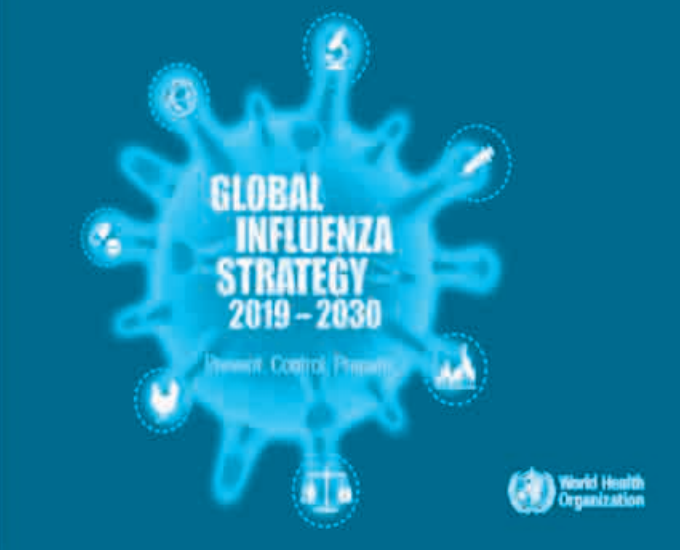


11 March 2019—WHO launched today the Global Influenza Strategy for 2019-2030, aimed at protecting people in all countries from the threat of influenza. The strategy meets one of WHO's mandates to improve core capacities for public health, and increase global preparedness and was developed through a consultative process with input from Member States, academia, civil society, industry, and internal and external experts.

The goal of the strategy is to prevent seasonal influenza, control the spread of influenza from animals to humans, and prepare for the next influenza pandemic. It provides a framework for WHO, countries and partners to approach influenza holistically—from surveillance to disease prevention and control—with the goal of strengthening seasonal prevention and control and preparedness for future pandemics.