Lack of vocabulary equivalence
巩固练习
Multiple Choice:
The English word "gap year" has no direct translation in Mandarin. This demonstrates:
a) Idiomatic differences
b) Grammatical differences
c) Lack of vocabulary equivalence
d) Conceptual differences
Answer: c) Lack of vocabulary equivalence. "Gap year" illustrates a lack of a direct equivalent vocabulary term in Mandarin.
True/False:
The English word "football" directly translates to the same meaning of that sport in Mandarin.
Answer: False. "Football" in English refers to soccer, but translates to 足球 in Mandarin, showing lack of vocabulary equivalence.
Fill in the Blank:
The English concept of ________ has no single direct translation in Mandarin, demonstrating a vocabulary gap between the languages.
Answer: Privacy. "Privacy" is an English vocabulary term with no clear one-word equivalent in Mandarin.
Short Answer:
Give one example of an English vocabulary term that does not have an exact equivalent translation in Mandarin. Explain your answer.
Sample Answer: "Gap year" in English means taking a year off between high school and college to travel or work. There is no direct equivalent vocabulary term for this concept in Mandarin, showing a lack of vocabulary equivalence.
Script
Words, words, words! Languages contain so many unique words that don't directly translate. Take "football" - in English it means soccer, but in China it's 足球. Two wildly different words for one idea!
Vocabulary gaps like these cause major turbulence in cross-cultural communication. They can lead to confusion, offense, or complete misunderstandings. It's linguistic fog obscuring clear meaning!
Let's consider some English vocab with no Chinese equivalent. "Privacy" - a common concept in the West with no direct translation. Or "gap year" - potentially baffling without explanation!
From the other direction, Chinese terms like 年货 (nianhuo) meaning goods for Lunar New Year don't map neatly into English. And good luck decoding social concepts like 面子 (mianzi) with a single word!
Bridging these vocabulary gaps requires moving beyond strict word-for-word translation. We have to clarify meanings through carefully chosen phrases, examples, and context.
Mastering this vocabulary flexibility is crucial for smoothing out cross-cultural communication. We can learn to navigate around confusing lexical fog and ensure everyone arrives at shared understanding! It just takes insight into where key vocabulary differences lie between languages.
Lack of idiomatic equivalence
Idioms rarely translate directly between languages. Their figurative meanings get lost without cultural context!
Take “break a leg” in English, said to wish good luck. But translated literally to Chinese, it suggests harming someone - not the intent at all!
Or the Chinese expression “画龙点睛” (huà lóng diǎn jīng), meaning adding finishing touches. In English, drawing dragons and poking their eyes sounds quite odd!
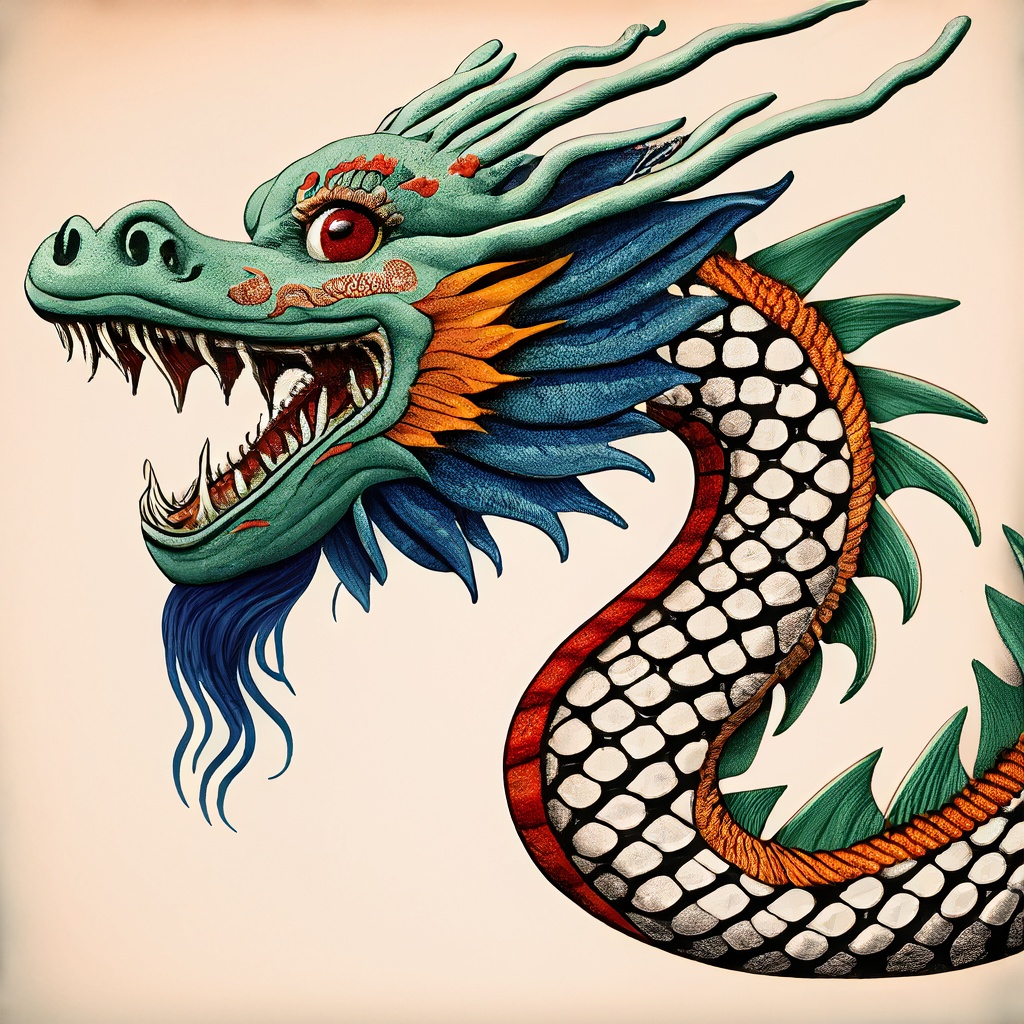
Plenty of English idioms like “it’s raining cats and dogs” or “read between the lines” have no equivalent set phrases in Chinese. Translating the individual words would make little sense.

(The phrase "it's raining cats and dogs" is an idiom. Non-native speakers who are not familiar with the idiom may interpret the phrase literally and think that dogs and cats are actually falling from the sky. That's why it's important to be aware of idiomatic expressions and their meanings in context.)
The same applies in reverse - many Chinese idioms cannot be translated word-for-word into English without losing their figurative significance. Rather than direct translations, conveying the essence of idioms across languages requires unpacking the imagery and culture behind them. A meticulous explanation of the meaning and context is key. Only then can the gaps in idiomatic equivalence across languages be successfully bridged.
巩固练习
Multiple Choice:
The English idiom “break a leg” when translated directly into Mandarin would:
a) Convey a positive meaning
b) Convey a negative meaning
c) Translate directly word-for-word
d) Have no meaning
Answer: b) Convey a negative meaning - The literal translation suggests causing harm, unlike the actual meaning of wishing good luck.
True/False:
The Chinese idiom “画龙点睛” has an equivalent expression in English that conveys the same figurative meaning.
Answer: False. There is no direct equivalent English idiom for "画龙点睛“ meaning finishing touches or adding the final flourish.
Fill in the Blank:
Plenty of English idioms like “it’s raining cats and dogs” have no _____ in Chinese.
Answer: equivalent set phrases
Short Answer:
Give one example of an English idiom that does not have an equivalent idiomatic expression in Mandarin Chinese. Explain your answer.
Sample Answer: “Read between the lines” means inferring unstated meaning, rather than literally reading text. There is no equivalent idiom in Chinese that conveys this same figurative meaning.
Lack of experiential equivalence
When words get translated, their meanings can shift across cultures based on contrasting experiences. Identical vocabulary doesn’t guarantee identical impact!
Let’s look at Chinese medicine. Terms like 阴阳 (yīnyáng), 血气 (xuè qì), and 气血 (qì xuè) have no equivalents in English. Explaining the concepts requires unpacking experiences unique to Chinese culture and history.
Or take cuisine and drink. “Ginger Coke” translates directly, but this Chinese beverage concoction has no parallel in most Western contexts. The term alone leaves non-Chinese speakers perplexed!

(Some people may find the idea of Ginger Coke strange, as it may not be a commonly known or popular flavour in those regions. However, Coca-Cola has introduced various flavours in different countries based on local preferences, so Ginger Coke may be more familiar and accepted in some parts of the world.)
Chinese historical terms like 炕 (kàng) meaning heated beds, or 衙门 (yà mén) referring to yamen government offices also rely on culture-specific experiences. No direct English match exists.
In reverse, “motel” conveys affordable roadside lodging in English contexts. But the term holds little meaning for Chinese speakers without explaining the automobile-centric experiences tied to American culture.
Even words with close translations like “martial arts” for 武术(wǔshù) carry different cultural resonance. Terms can’t just be swapped - experiences shape meanings.
Bridging these experiential gaps requires explicating the unique history, practices, and perspectives tied to each culture. Only through understanding the lived realities behind the words can we achieve true understanding.
巩固练习
Multiple Choice:
The English word "motel" when translated into Chinese would:
a) Convey the exact same meaning
b) Require additional cultural explanation
c) Have a direct one-to-one translation
d) Have no meaning
Answer: b) Require additional cultural explanation - The concept relies on automobile culture distinct experiences.
True/False:
The medical concept of "qi" has a direct equivalent word that conveys the same meaning in English.
Answer: False. Explaining the meaning of "qi" requires unpacking unique Chinese cultural-historical experiences.
Fill in the Blank:
The Chinese food item "ginger coke" has no parallel _______ in Western contexts.
Answer: experiences
Short Answer:
Give one example of a Chinese term that requires explaining unique cultural experiences when translated into English. Explain your answer.
Sample Answer: Kàng refers to heated brick beds in Northern China. This concept relies on region-specific histories around dealing with cold winters. There is no direct English vocabulary equivalent without explicating these distinct experiences.
Lack of conceptual equivalence
Concepts often lack clear equivalence between languages. Ideas themselves differ across cultures!
Take “privacy” - an important concept in many Western cultures without a clear match in some others. Or “accountability” as an individualistic notion may have no parallel in collectivist cultures.
Chinese offers conceptual challenges too. 面子 (miànzi) conveying reputation and social status has no English equivalent without explanatory context.
Abstract concepts like “freedom” and “justice” also carry different meanings based on cultural philosophies and worldviews.
Even terms like “girl” and “woman” reflect conceptual gaps.
In Chinese university culture, female students embrace being called “girl” - it connotes a youthful spirit.

But American counterparts see “girl” as immature, preferring the term “woman”.

With no direct equivalent words or ideas, translation requires conveying perspectives, unpacking assumptions, and building cross-cultural understanding.
Embracing these conceptual gaps creates precious opportunities to appreciate diverse modes of thought. Translation challenges cultivate the deepest cross-cultural insights!