AIDS (Acquired Immune Deficiency Syndrome)
U3-2 课文朗读打卡:
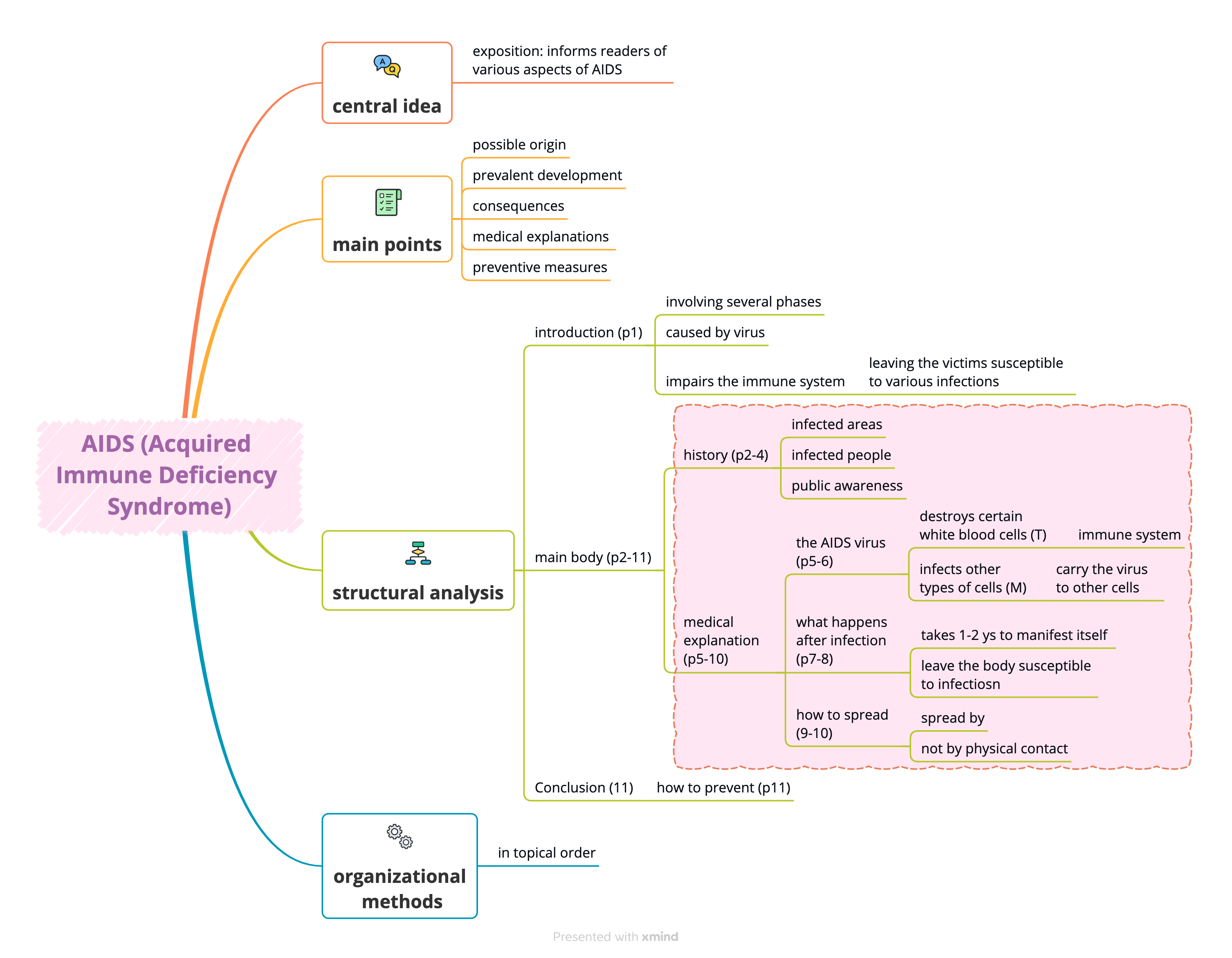
1 The disease known as AIDS is a complicated illness that may involve several phases. It is caused by a virus that can be passed from person to person. AIDS impairs the human body’s immune system---the system responsible for warding off disease---and leaves the victim susceptible to various infections.
complicated illness: 复杂的疾病
involve several phases: 涉及几个阶段
impair: 损害
immune system: 免疫系统
ward off disease: 抵御疾病
susceptible to: 易受...影响
2 AIDS was first conclusively identified in the United States in 1981, when 189 cases were reported to the Centers for Disease Control1. Within a decade the disease had spread to virtually all populated areas of the world. In the United States alone there are about 65,000 new cases every year. The origin of the AIDS virus is uncertain, but it may have originated in Central Africa.
conclusively identified: 确凿地识别
Centers for Disease Control: 疾病控制中心
spread to virtually all populated areas: 传播到几乎所有人口稠密地区
origin of the AIDS virus: AIDS病毒的起源
Central Africa: 中非
3 The first AIDS patients in the Americas and Europe were almost exclusively male homosexuals. Later patients included those who used unsterilized intravenous needles2 to inject illicit drugs; hemophiliacs (persons with a blood clotting disorder) and others who had received blood transfusions; females whose male sexual partners had AIDS; and the children of such couples. However, since 1989, heterosexual sex was found to be the fastest growing means of transmission of the virus, with 90% of new cases originating from heterosexual sex.
male homosexuals: 男性同性恋者
unsterilized intravenous needles: 未消毒的静脉注射针头
illicit drugs: 非法药物
hemophiliacs: 血友病患者
blood transfusions: 输血
heterosexual sex: 异性性行为
fastest growing means of transmission: 传播增长最快的途径
4 Public awareness of the disease gradually built up as high-profile victims began to die: actor Rock Hudson3 (1985), clothes designer Perry Ellis (1986), choreographer Michael Bennett (1987), photographer Robert Mapplethorpe (1989), and Oscar-winning director Tony Richardson (1991). When basketball superstar Magic Johnson4 announced in 1991 that he had contracted the AIDS virus, the feeling spread quickly that anyone, not just particular groups of people, could be at risk. This was again confirmed as tennis legend Arthur Ashe5 announced in 1992 that he had been infected with the virus for several years.
public awareness: 公众意识
high-profile victims: 高调受害者
feelings spread: 感觉传播
basketball superstar: 篮球巨星
tennis legend: 网球传奇人物
5 The AIDS virus. American researchers initially named the virus that causes AIDS the human T-lymph tropic virus, type III or HTLV6-III. After researchers discovered in the late 1980s that there were several forms of the AIDS virus, the original virus was renamed the human immunodeficiency virus type I, or HIV-I.
human T-lymphotropic virus: 人类T淋巴细胞病毒
HTLV-III: HTLV-III型
human immunodeficiency virus type I: 人类免疫缺陷病毒I型
HIV-I: HIV-I型
6 The virus enters the bloodstream and destroys certain white blood cells, called T-lymphocytes, that play a key role in the functioning of the immune system. The virus can also infect other types of cells in the body, including the immune-system cells known as macrophages. Unlike T-lymphocytes, however, macrophages are not killed by the virus. In fact, research has suggested that macrophages may carry the AIDS virus to healthy brain cells, to the lymphatic system, and to other healthy cells in the body.
T-lymphocytes: T淋巴细胞
macrophages: 巨噬细胞
immune-system cells: 免疫系统细胞
7 What happens after infection. Most people recently infected by AIDS virus look and feel healthy. In some people the virus may remain inactive, and these people act as carriers, remaining apparently healthy but still able to infect others. After a few years, some people may develop AIDS-related complex, or ARC. Its symptoms may include fever, fatigue, weight loss, skin rashes, a fungal infection of the mouth known as thrush, lack of resistance to infection, and swollen lymph nodes. Sometimes the symptoms of ARC disappear, but the condition frequently goes on to become AIDS. Though it can take up to 20 years after the virus is contracted for AIDS to fully manifest itself, the average time is one to two years.
recently infected: 最近感染
act as carriers: 充当携带者
AIDS-related complex (ARC): 与AIDS相关的综合症
fever: 发烧
fatigue: 疲劳
weight loss: 体重减轻
skin rashes: 皮肤疹
thrush: 鹅口疮
lack of resistance to infection: 对感染的抵抗力下降
swollen lymph nodes: 淋巴结肿大
8 The AIDS virus causes so much damage to the immune system that the body becomes susceptible to a variety of opportunistic infections---infections that are less harmful to people with normal immune system but take advantage of the breakdown in an AIDS sufferer’s immune system to produce devastating and eventually lethal diseases. Among the most frequently occurring opportunistic infections are tuberculosis and a type of pneumonia caused by microorganism Pneumocystis carinii. AIDS sufferers are also more likely to develop certain tumors, particularly Kaposi’s sarcoma, a rare form of cancer. The AIDS virus may also attack the nervous system and cause brain and eye damage. The average life expectancy for an AIDS victim from the onset of symptoms is one to five years.
opportunistic infections: 机会性感染
tuberculosis: 结核病
Pneumocystis carinii: 卡氏肺孢子虫
Kaposi's sarcoma: 卡波济氏肉瘤
nervous system: 神经系统
brain and eye damage: 脑部和眼部损伤
average life expectancy: 平均预期寿命
9 How AIDS is spread. AIDS is transmitted by direct contamination of the bloodstream with body fluids that contain the AIDS virus, particularly blood and semen from an HIV-infected person. The virus is usually transmitted through various forms of sexual intercourse, the transfusion of virus-contaminated blood, or the sharing of HIV-contaminated intravenous needles.
transmission: 传播
bloodstream: 血液
body fluids: 体液
HIV-infected person: HIV感染者
sexual intercourse: 性行为
virus-contaminated blood: 病毒污染的血液
HIV-contaminated intravenous needles: HIV污染的静脉注射针头
10 The AIDS virus cannot penetrate intact bodily surfaces, such as skin, and quickly perishes outside the human body. Consequently, AIDS is not spread by casual physical contact or by sneezing. The virus has been found in tears and saliva, but it exists there in such low concentrations that transmission from these body fluids is extremely rare. There are no known cases of AIDS transmission by insects such as mosquitoes or by domestic animals. Studies show that the virus is usually passed to an infant close to or during delivery, rather than moving across the placenta during pregnancy. Recently infected mothers can transmit the virus to their children via breast milk. The United States Congress approved guidelines recommending that health care workers who perform invasive procedures7 be tested for the AIDS virus but the testing and disclosure of results would be voluntary; no restrictions would be placed on those who tested positive.
intact bodily surfaces: 完整的体表
casual physical contact: 偶然的身体接触
sneezing: 打喷嚏
tears and saliva: 眼泪和唾液
insects: 昆虫
domestic animals: 家畜
placenta: 胎盘
breast milk: 母乳
invasive procedures: 侵入性手术
11 There are several ways to reduce the spread of AIDS through sexual contact. These include practicing abstinence---no intercourse---or practicing safe sex. Practicing safe sex means either participating only in a monogamous, or mutually exclusive, relationship in which both people are free of HIV infection, or using latex condoms whenever engaging in intercourse. (925 words)
abstinence: 禁欲
monogamous relationship: 单配偶关系
latex condoms: 乳胶避孕套