
7.2 Writing the business plan
Before you start a business plan, you need to spend some time doing depth research into your industry and market.
Your research helps you in putting the business plan together as it will give you an understanding of the dynamics of industry and market.
All sections of the business plan format are interrelated, and cannot be written in isolation.
Each should be written by people who are fully aware of the contents and intricacies of the other areas of the plan.
The three primary parts of the business plan are the Business concept, Marketplace section, Financial section.
Your business plan should include at least the following 10 sections
Executive summary
General Company Description
The opportunity, Industry, and Market Description
Strategy
Business Model Explanation
Team: Management and Organization
Marketing Plan
Operational Plan
Financial Plan
Appendix
1. The executive summary is probably the most important part of the business plan format. Many business plan readers will read the executive summary and then decide whether to go further or discard the plan. The executive summary should be written last, once all the other sections are complete.
2. General Company Description gives a high-level overview of the company and the business. This section should include
Name of the company, type of legal entity, ownership, significant assets
The mission statement of the business
Company goals and objectives
The main feature of the industry in which you will operate
Company strengths and core competencies
3. For opportunity, industry, and market you need a proper understanding of the industry, the market, and the opportunity from the systematic research you conducted before writing a business plan. The market analysis you do should force you to become familiar with all aspects of the market.
a) The Opportunity
Describe the gap that exists in the market and explain what has given rise to this gap, how it was identified, and how it can be filled.
b)The Industry
Describe the forces affecting the industry in which you will operate. These forces are covered by discussing barriers to entry, suppliers, customers, substitute products, and competition.
c) The Market
Present your insights into the market in which you will operate. Focus on the customers for your product or service.
4. For the strategic plan, you need to describe to readers how the business will compete in the chosen markets. Your positioning strategy will be affected by a number of variables related to the motivations and requirements of your target market as well as what your primary competitors are doing.
5. A business model is the profit-making engine of the business. The business model you choose will be a strong determining point of the future for the success of your business.
6. Team: Inthis section of the business plan format you should provide a description of the people behind the business. It should include a list of the founders including their qualifications and experience A description of who will manage the business on a day-to-day basis. What experience do these individuals bring to the business? What special or distinctive competencies do they offer?
7. The marketing plan defines all of the components of the marketing strategy. The marketing plan should draw on market research.
8. The operational plan in a standard business plan format describes how the business functions on a continuing basis, as well as the capital and expense requirements related to the operations of the business.
9. The financial plan is a reasonable estimate of your company’s financial future. Include a few paragraphs on the main features in the financial plan and back this up with financial projections.
10.The appendix includes additional documents that the reader of the business plan may want to refer to.
How to make PPT (PowerPoint Presentation) for Entrepreneurship Roadshow?
PowerPoint presentations are popular to pitch your idea to the audience.
For entrepreneurs, it is quite an essential tool to express your business ideas, products, and business plan among potential investors Business plan presentation is crucial because an effective and smooth presentation is crucial for understanding your opinion.
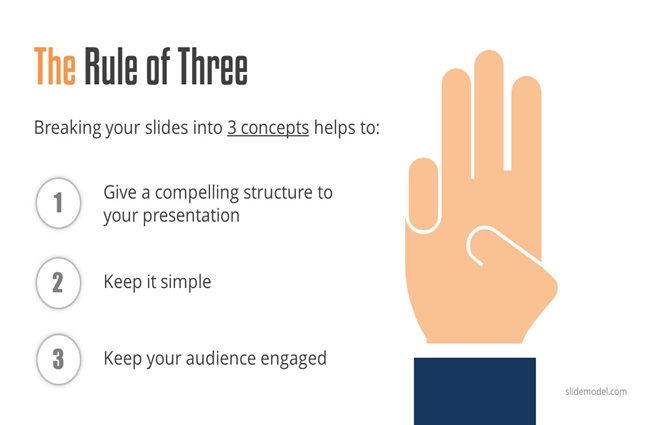
10/20/30rule:
The presentation should have 10slides
Last no more than 20minutes
No font size smaller than 30points
2/8 Principle:
Concern about the structure of PPT
20% covers Key Message
80%covers statements
Includes: Title, Picture/Diagram, and text statements
KISS(Keep It Simple and Stupid)rule:
It means “ make it simple rather than made complicated”
Simplicity is a key design principle. The easier something is to understand and use – the more likely it is to be adopted and engaged with.
Magic Seven rule:
Use no more than 7 words per line•Nomore than 7 lines per slide
Human working memory can store 7 things ( Miller 1956)

