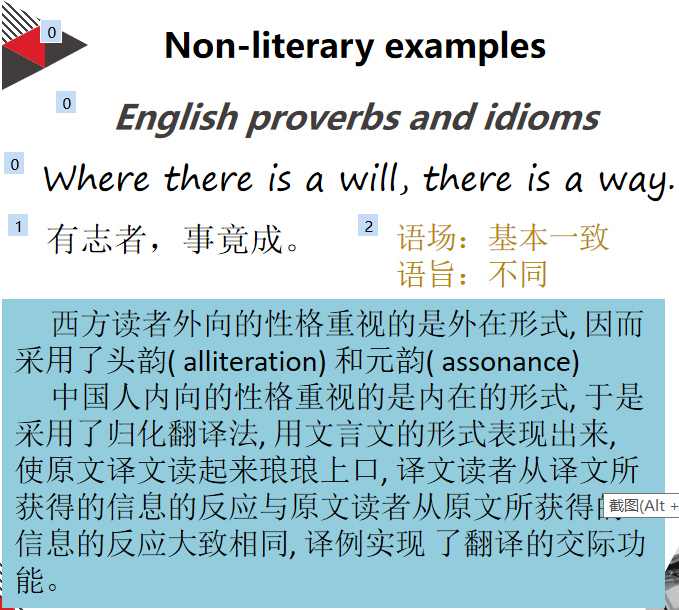
Translation is a type of communicative activity
1. Translation is a special kind of language activity, which should not and can not only be the conversion between pure languages, but also a kind of communicative activity, which aims to achieve the specific communicative purpose under the specific environment and conditions.
2. Nida generalizes the purpose of translation as that translation is communication. The process of translation depends on the information the audience or readers get from the translation.
The process of translation involves two communicative processes, the first one between the author of the original text and the reader of the original text, and then between the translator and the target reader.
古人云:“译即易,谓换易言语使相解也”。
“译即易”→ Language conversion is the essence of translation.
“使相解”→ Mutual understanding is the→ purpose of translation.
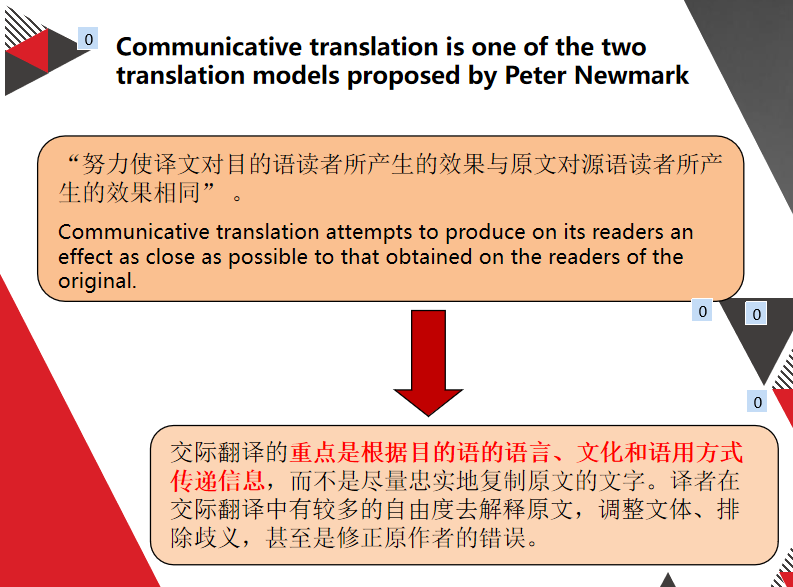
Communicative translation
Communicative translation attempts to produce on its readers an effect as close as possible to that obtained on the readers of the original. Semantic translation attempts to render, as closely as the semantic and syntactic structure of the second language allow, the exact contextual meaning of the original.
In theory, there are wide differences between the two methods. Communicative translation addresses itself solely to the second reader, who does not anticipate difficulties or obscurities, and would expect a generous transfer of foreign elements into his own culture as well as his language where necessary. …Semantic translation remains within the original culture and assists the reader only in its connotations if they constitute the essential human message of the text.
“Communicative and Semantic translation” by Peter Newmark
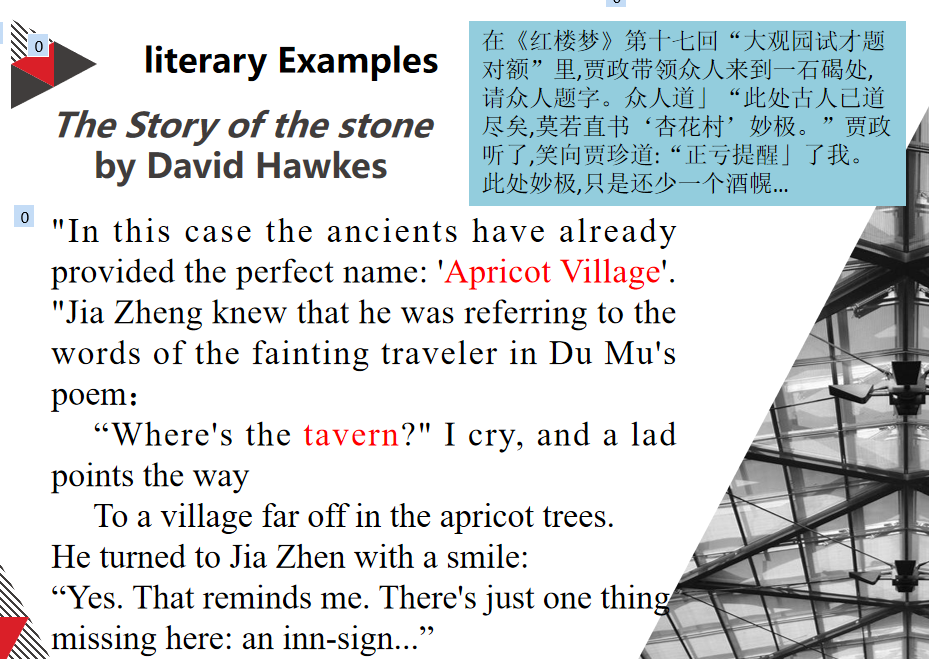
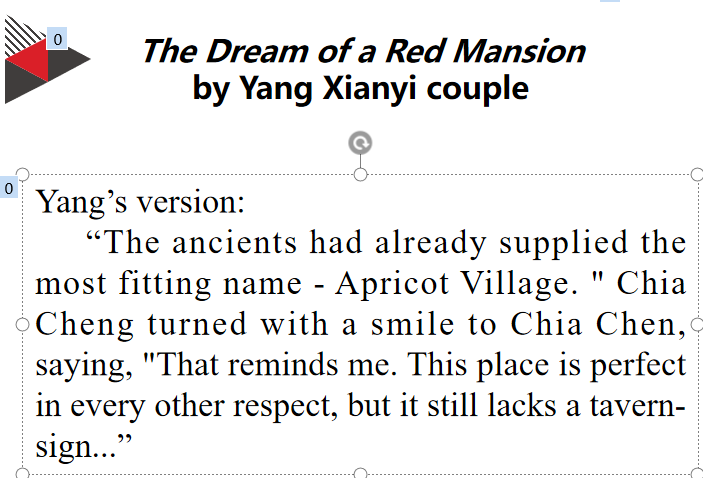
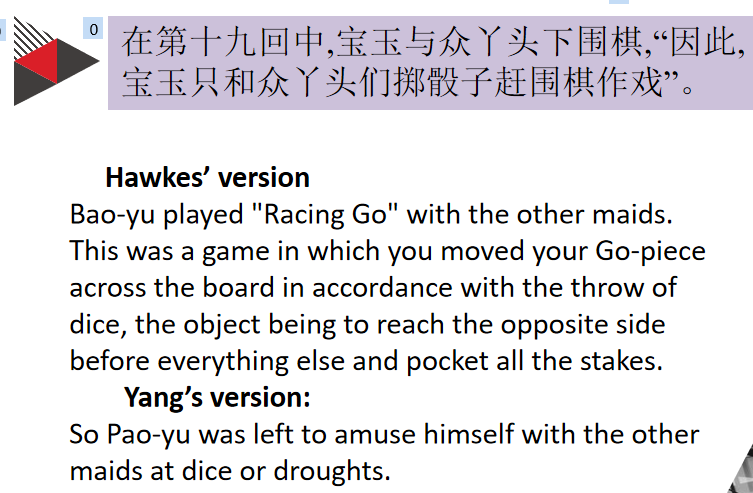
Considering the understanding of English readers, Hawkes added a large paragraph of explanation in his translation. This must damage the overall artistic effect of the original text, but it is essential in terms of communicative function.
The way in which Yang Xianyi and his wife treat the unique Chinese culture in the original text is quite different from Hawkes' translation. Yang Xianyi's translation is closer to the form of the original text, which is called "semantic translation", that is, "to reproduce exactly the meaning expressed by the original author in the original text within the scope of the language structure and semantics of the target language". Yang Xianyi's translation aims at faithfulness to the core of Chinese culture and the spirit of Chinese civilization.