-
1 Cultural Lin...
-
2 Cultural Tip...
History of "Buffet"
Several cultures have traditions for serving large number of people from a common table filled with festive food. It is difficult to know the exact history of buffet because this word has several meanings relating to food. Food historians tell us that the word "buffet" appears first in France, then England, soon spreading throughout Europe, in the 18th century.
The term originally referred to the sideboard where the food was served, but eventually became applied to the form. The buffet became popular in the English-speaking world in the secord half of the 19th century.
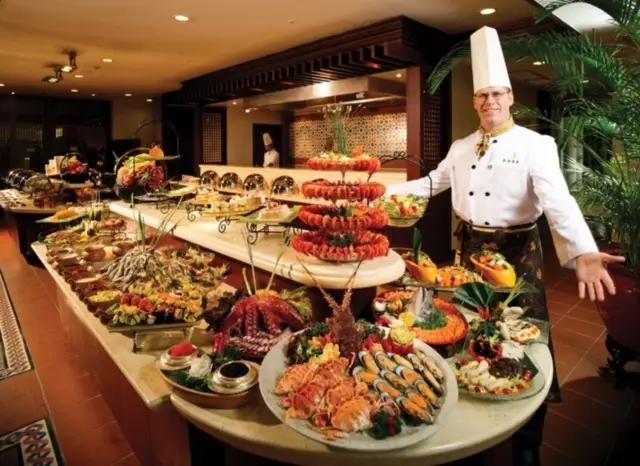
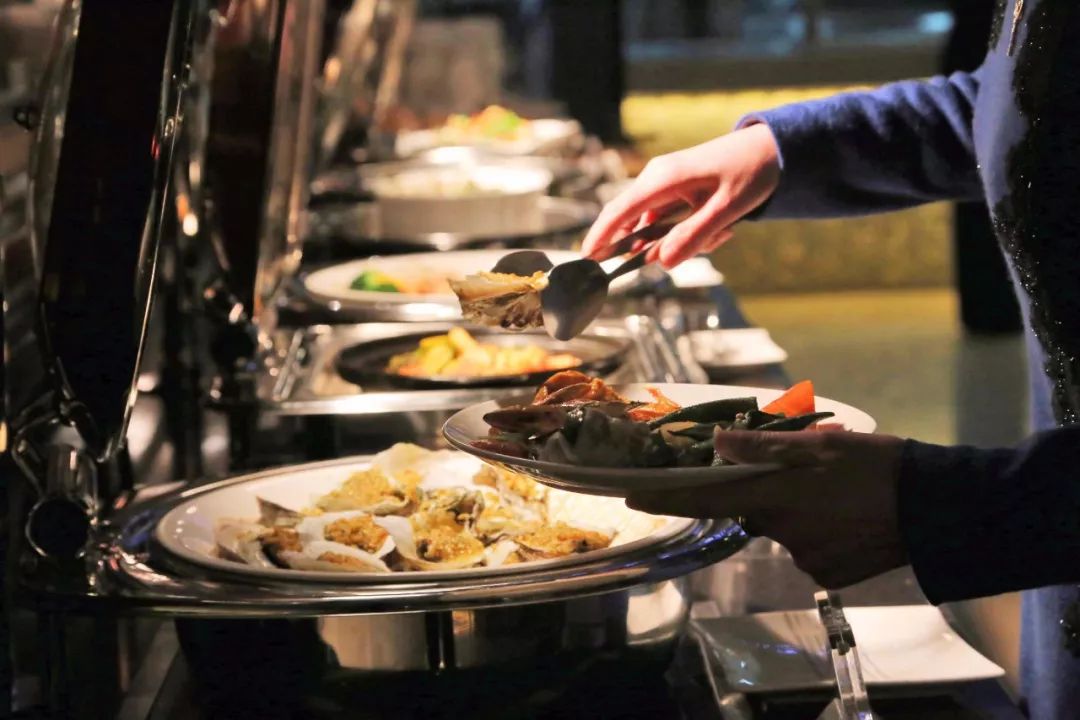
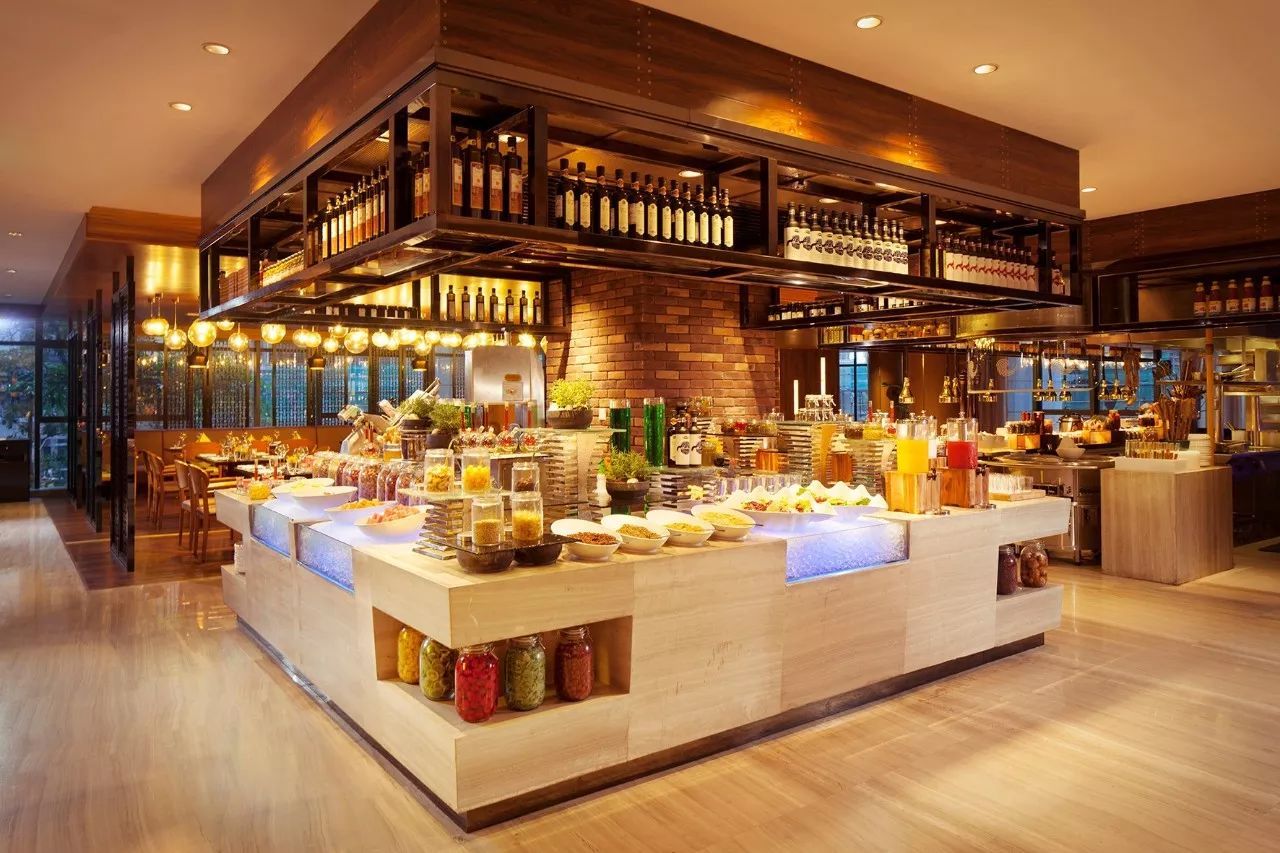
One form of buffet is to have a line of food serving stalls where customers take food they like as they walk along and pay at the end. This form is most commonly seen in cafeterias. Another form known as the "all you can eat" buffet has a set fee and customers can help themselves to as much food as they wish to eat. This form is often found in restaurants, especially in hotels.
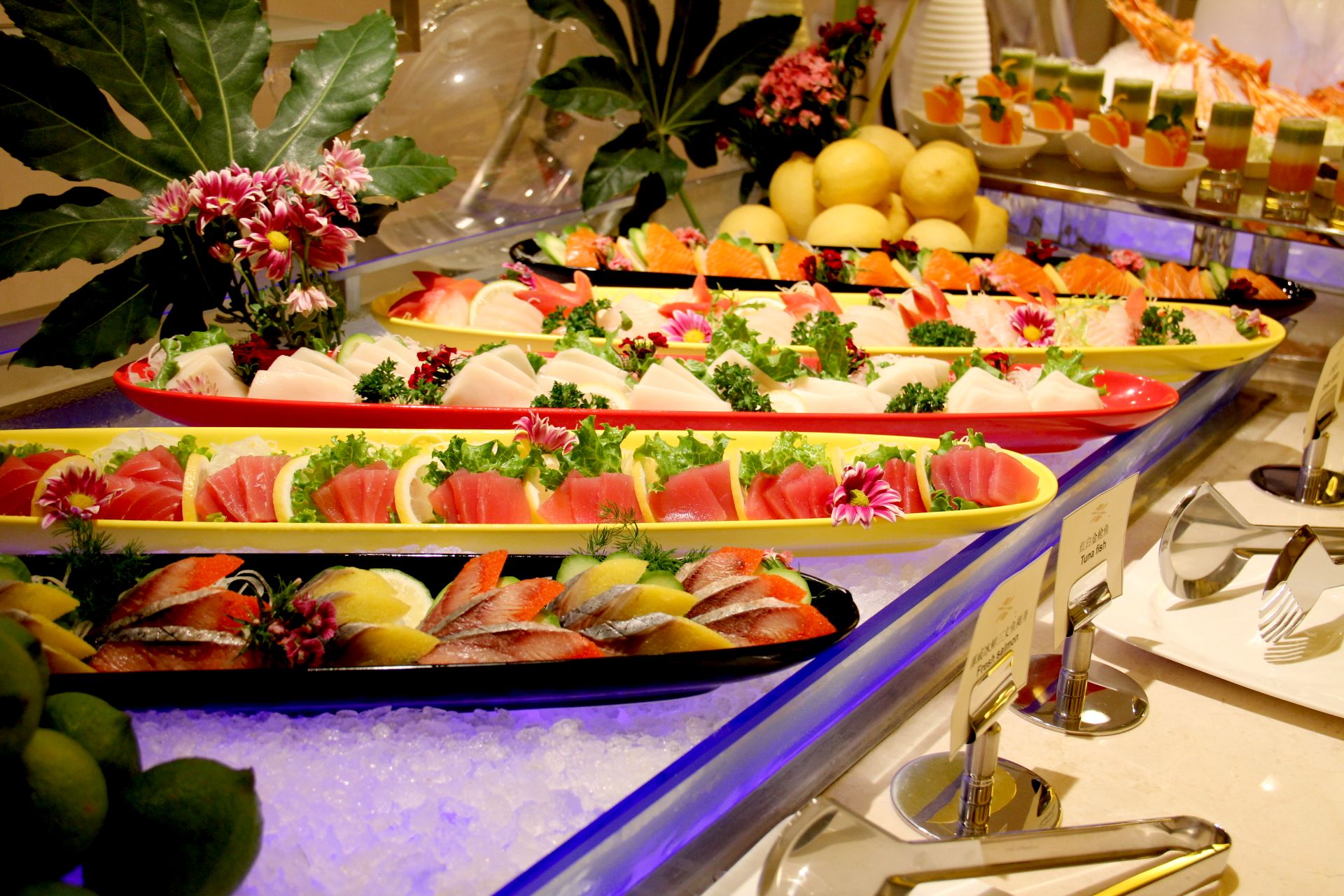
Buffets are effective for serving large numbers of people. They are also popular in that they give customers a great deal of choices and the ablity to closely inspect food before selecting it. Since a buffet involves people serving themselves, it is generally viewed as a less elegant form of dining. However, it's the perferred serving arrangement on holidays and similar occasions to minimize the required number of staff.
Questions for Discussion:
1. When does the buffet first appear?
2. When did buffet become popular?
3. What are the forms of buffet? And where can you find them?
4. What are the advantages of buffet over other forms of dinning?
Suggested Answers:
1. Buffet first appears in France.
2. Buffet became popular in the second half of the 19th century.
3. One form is to have a line of food serving stalls where customers take food they like as they walk along and pay at the end. Another form has a set fee and customers can help themselves to as much food as they wish to eat.
4. Buffets are effective for serving large numbers of people. They are also popular in that they give customers a great deal of choices and the ability to closely inspect food before selecting it.