-
1 Cultural Lin...
-
2 Cultural Tip...
The Culture of Tipping
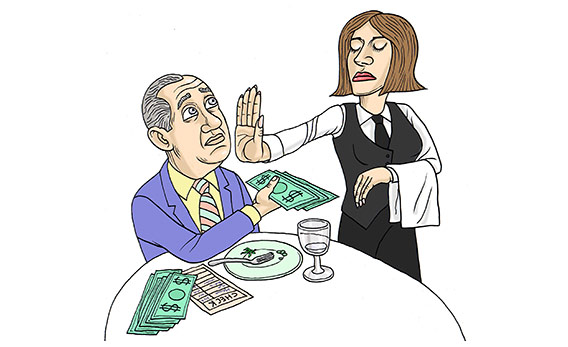
The practice of tipping in many countries is an integral part of the service culture. In other countries, however, offering a tip can cause embarrassment or offense.
Until the late nineteenth century, tipping in America was not a common practice. People regarded themselves as employees doing a job, rather than someone serving others. The culture changed, however, and by 1910 more than 10% of the US workforce were getting and expecting tips, estimated to around $500 a year.
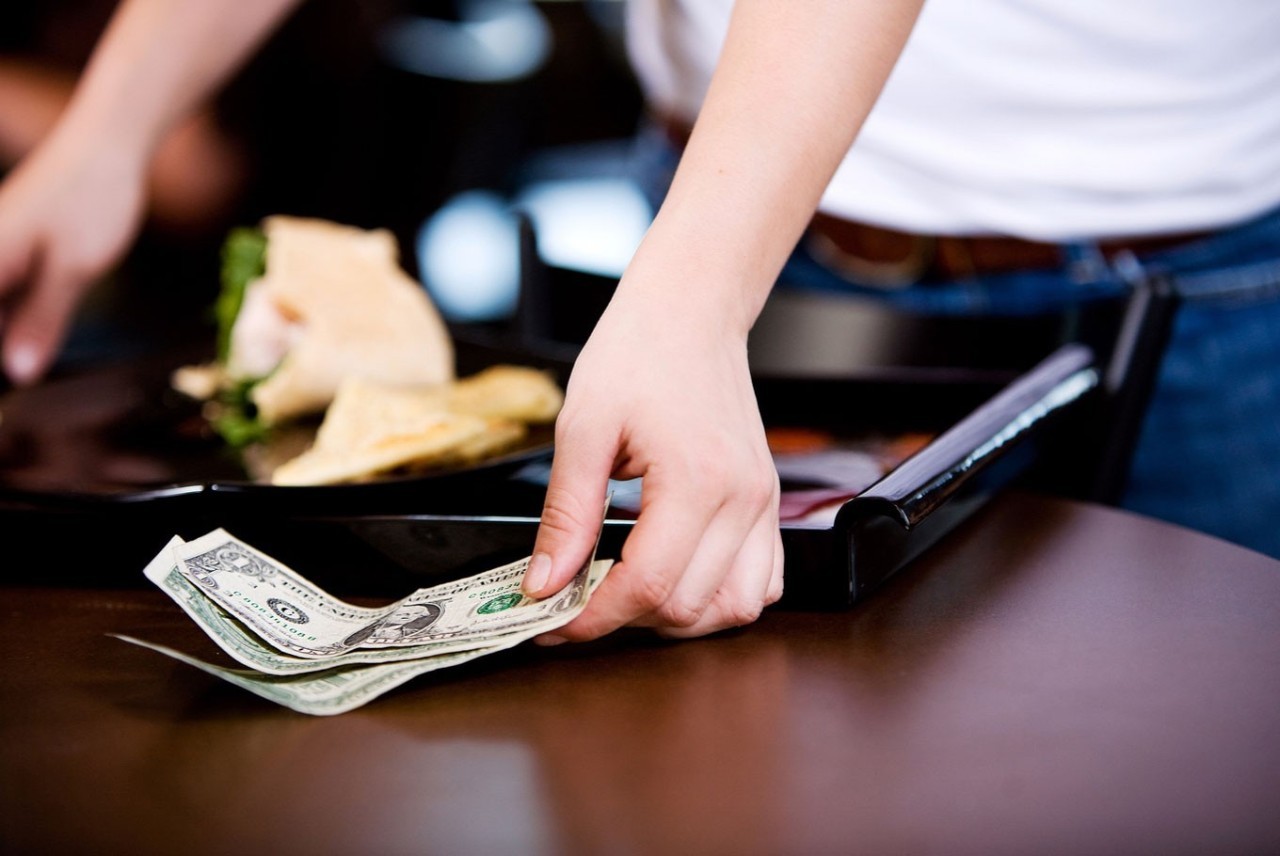
In modern times, one of the biggest difficulties facing tourists abroad is dealing with seemingly complicated customs regarding tipping. In some countries, such as the UK, it is not necessary to leave a tip in a restaurant. However, a tip of around ten percent is expected for taxi journeys. In Japan, hotel staff, taxi drivers and waiters will never expect any additional payment. In the United States, tipping is integrated into the culture, and a tip is expected by waiters, pizza delivery staff, hotel doormen and more.
For travelers worried about causing a diplomatic incident by incorrectly tipping while overseas, the Internet can be of some help. There are websites which allow you to print out credit card sized information which tells you how big a tip to leave. It's the perfect resource for taking the stress out of leaving a tip.
Questions for Discussion:
1. According to the passage, what changes have taken place in the tipping practice in America since the late 19th century?
2. What are the tipping customs in the UK and Japan?
3. What can travelers do to decide correct tipping?
Suggested Answers:
1. By 1910 more than 10% of the US workforce were getting and expecting tips, estimated to around $500 a year.
2. In the UK, it is not necessary to leave a tip in a restaurant. However, a tip of around ten percent is expected for taxi journeys. In Japan, hotel staff, taxi drivers and waiters will never expect any additional payment.
3. Travelers can search on the websites which allow you to print out credit card sized information which saves them needing to work out how big a tip to leave.