生物传感器(英)

邓盛元、万莹、汪俊松、李大力

目录

  • 1 INTRODUCTION / 绪论
    • 1.1 Introduction of Biosensors / 生物传感器概论
      • 1.1.1 Presentation / 课程讲义
      • 1.1.2 Video / 课程视频
      • 1.1.3 Narratives / 视频文本
      • 1.1.4 Retrospect / 要点回顾
    • 1.2 Classification of Biosensors / 生物传感器的类型
      • 1.2.1 Presentation / 课程讲义
      • 1.2.2 Video / 课程视频
      • 1.2.3 Narratives / 视频文本
      • 1.2.4 Retrospect / 要点回顾
    • 1.3 Supplementary Materials / 补充学习
    • 1.4 Quiz and Homework / 作业测验
  • 2 SURFACE IN BIOSENSORS / 生物传感器的表界面科学
    • 2.1 Surface Chemistry / 表面化学
      • 2.1.1 Presentation / 课程讲义
      • 2.1.2 Video / 课程视频
      • 2.1.3 Narratives / 视频文本
      • 2.1.4 Retrospect / 要点回顾
    • 2.2 Biosensing Interfaces / 生物传感界面
      • 2.2.1 Presentation / 课程讲义
      • 2.2.2 Video / 课程视频
      • 2.2.3 Narratives / 视频文本
      • 2.2.4 Retrospect / 要点回顾
    • 2.3 Supplementary Materials / 补充学习
    • 2.4 Quiz and Homework / 作业测验
  • 3 PROTEIN SENSORS / 蛋白质传感器
    • 3.1 ELISA and Immunofluorescence / 酶联免疫吸附分析与免疫荧光法
      • 3.1.1 Presentation / 课程讲义
      • 3.1.2 Video / 课程视频
      • 3.1.3 Narratives / 视频文本
      • 3.1.4 Retrospect / 要点回顾
    • 3.2 Aptamer and Catalysis Based Biosensors / 基于适配体与催化的生物传感器
      • 3.2.1 Presentation / 课程讲义
      • 3.2.2 Video / 课程视频
      • 3.2.3 Narratives / 视频文本
      • 3.2.4 Retrospect / 要点回顾
    • 3.3 Supplementary Materials / 补充学习
    • 3.4 Quiz and Homework / 作业测验
  • 4 DNA SENSORS / DNA传感器
    • 4.1 Nucleic Acid Biomarkers and Sequencing / 核酸标志物及测序
      • 4.1.1 Presentation / 课程讲义
      • 4.1.2 Video / 课程视频
      • 4.1.3 Narratives / 视频文本
      • 4.1.4 Retrospect / 要点回顾
    • 4.2 DNA Detection and Amplification / DNA检测与信号放大
      • 4.2.1 Presentation / 课程讲义
      • 4.2.2 Video / 课程视频
      • 4.2.3 Narratives / 视频文本
      • 4.2.4 Retrospect / 要点回顾
    • 4.3 Supplementary Materials / 补充学习
    • 4.4 Quiz and Homework / 作业测验
  • 5 EXPERIMENTATION / 实验内容
    • 5.1 List of Experiments / 实验列表
    • 5.2 In-Class Demo 1 / 课内实验1
    • 5.3 In-Class Demo 2 / 课内实验2
    • 5.4 Out-of-Class Demo 1 / 课外实验1
    • 5.5 Out-of-Class Demo 2 / 课外实验2
    • 5.6 Out-of-Class Demo 3 / 课外实验3
    • 5.7 Out-of-Class Demo 4 / 课外实验4
    • 5.8 Out-of-Class Demo 5 / 课外实验5
    • 5.9 Out-of-Class Demo 6 / 课外实验6
  • 6 WRITING ASSIGNMENT / 课程报告
    • 6.1 Project I / 项目I
    • 6.2 Project II / 项目II
  • 7 SUPPORTING INFO / 支持信息
    • 7.1 Syllabus / 教学大纲
    • 7.2 Schedule / 教学实施计划
    • 7.3 Apps / 智能应用
    • 7.4 References / 参考文献
    • 7.5 Textbooks / 参考教材
    • 7.6 Network Resources / 网络资源
Out-of-Class Demo 1 / 课外实验1

Hinge Mechanism


The following is an example done by one of students. The process can be done with 2 polysilicon layers. The topography is a result of the conformal deposition (i.e., good step coverage). You don’t have to perform extra deposition step to create the topography.


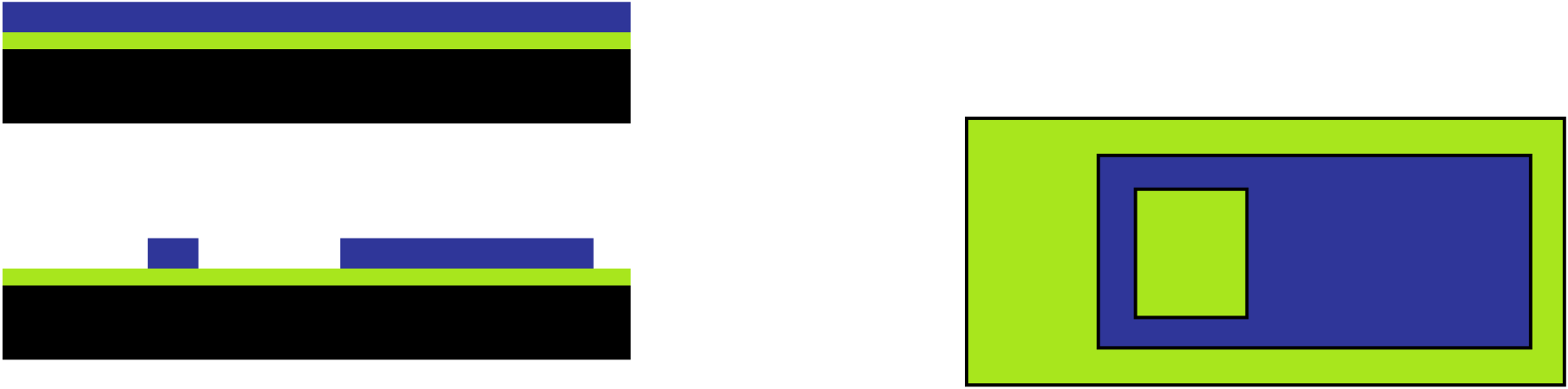
(1) Begin with silicon substrate; apply sacrificial layer of SiO2 by low pressure chemical vapor deposition (LPCVD).



(2) First photolithography step: apply a structural layer of polysilicon by LPCVD; pattern, and etch with Cl2based plasma etch.


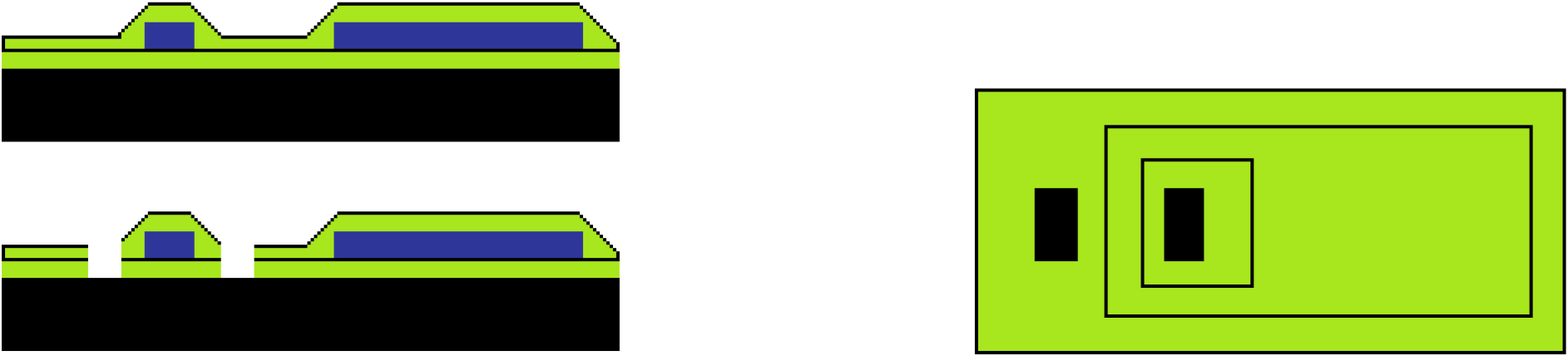
(3) Second photolithography step: apply a second sacrificial oxide layer by LPCVD; pattern, and etch holes through both layersof oxide with CF4 plasma etch.


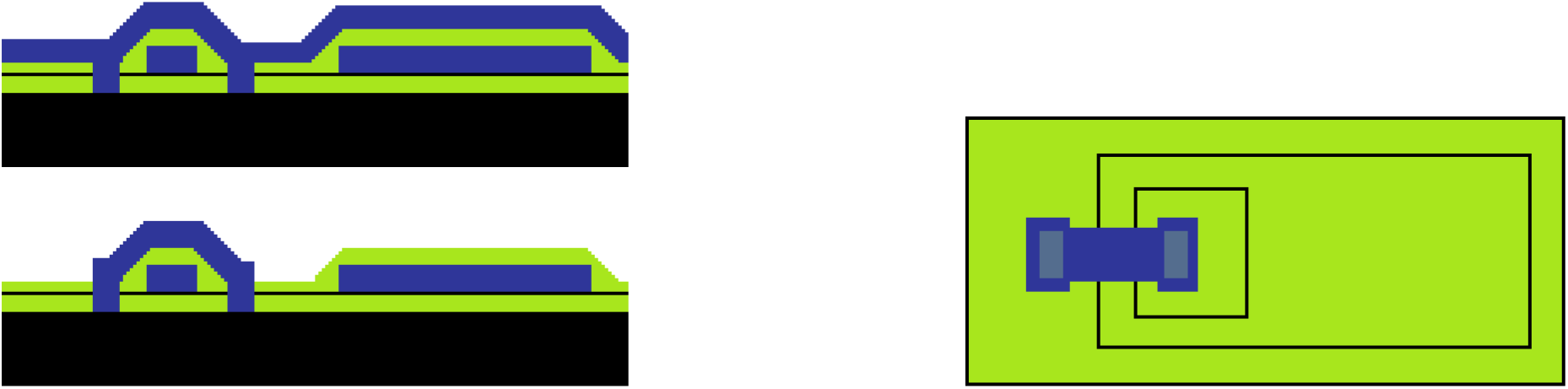
(4) Third photolithography step: apply second structural layer of polysilicon by LPCVD (poly-silicon fills holes to form staple with two anchors); pattern, and etch with Cl2based plasma etch.


(5) Remove sacrificial oxide layers by HF wet etch, releasing movable polysilicon structures. Dry (may need to take precautions to prevent stiction between structures and substrate).