
★Design of the project
If the owner decides to proceed at this point, he or she typically hires a design professional. If the owner chooses a construction management mode, he will now choose a construction professional as well. The construction professional provides cost, schedule, and construction advice through the design process. Design is usually divided into 3 distinct stages.
1.Scheme design(方案设计/初步设计)
A written statement of the requirements of the building is called program(规划). It is the basis of the design. The program describes the space needed. The services required in those spaces, and the relationship of the functions to be performed in the building. The key to program is extensive involvement (广泛参与)of the user.
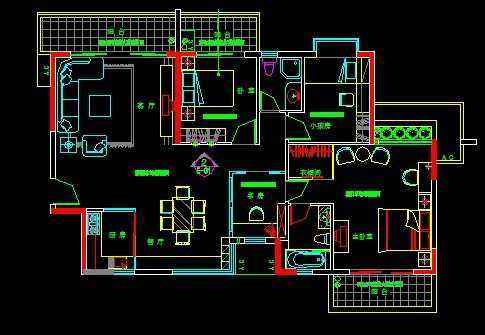
Once the program is complete and the owner has decides to proceed, the designer begins actual design of the project. The process begins with schematic design—the stage in which the designer defines the building's characteristics in a number of ways. When the schematic design begins, the owner selects a site for the building. Site investigation done by the owner gives the designer information about soil conditions and makeup which in large part determine the type of foundation and structure for the particular site. Sitting and location(坐姿和位置) of the building are determined as well as its visual form.
During this stage several options are often pursued(追赶). The architect's design team generates many alternatives and rejects many before they are developed into materials presented to the owner. Usually two or three alternatives survive the process, which are presented to the owner for consideration. If the architect's design meets the owner's program and aesthetic criteria, then the project proceeds to the next stage of design.
3.Design development(技术设计)
In this stage, a single design concept is selected. The purpose of this stage is to refine the design and obtain detailed information from the user about their requirements. During this phase the owner,the architect, and the the construction professional finalize the design of the major building systems- for example the structural, plumbing, elevator,roofing(顶棚). Specialty consultants(专业咨询人员)are often asked to design these systems and are usually coordinated by the architect, who ensures that their work is compatible(兼容)and consistent(一致) with the intent(目的、意图) of the design.
4.Construction documents design(施工图设计)
At this last stage of design, the architect creates the final working construction documents used to bid the job for construction and to build the job in the filed. These documents are particularly important because they represent the work as it will be actually constructed. They should meet the program criteria(标准)determined during the programming stage, if there is any inconsistency, problems are likely to arise during construction that could cost the owner money and time.
视频:设计(1)——一个探索、创新的过程
视频:设计(2)——一个探索、创新的过程
★Procurement
Procurement is defined as the overall process of finding and purchasing the materials called for the contract and hiring the best subcontractors to build the project. The construction documents, specifications and drawings must be accurate and must be clearly communicate to bidders the scope of work. This can be done in several ways, the owner, with the architect's assistance, requires bids from a list of qualified contractors. Contractors and their subcontractors(分包商) prepare their best estimate of the project's cost. This cost is submitted(提交) to the owner and the architect within a specific amount of time. After evaluating competing bids, the owner enters into a contract for construction. In the construction management mode, the documents are divided into bid packages, for example, the structural, mechanical, electrical, and plumbing work. Both the architect and the construction manager help the owner evaluate these bids.
Procurement deals with the entire cycle of material handling—from purchasing, shop drawing approval, fabrication(制造), delivery(交付), installation(安装), testing(测试), and then turning over the completed project to the owner. If procurement is treated only as a purchasing function, the construction manager may have problems down the road.The control of material purchasing, delivery, and storage(存储) on the site can have a large effect on overall production on the job. A missing widget(小部件) can delay a major installation, and the early arrival of ductwork(管道系统) can cause storage problems at the site.
视频:谈采购
★Construction
Once the procurement process has been complete, construction of the project can begin. The main element involved inconstruction is the task of managing and coordinating the field operations. This means scheduling the crews in the proper sequence, choosing the most efficient and safe construction techniques and methods.
A parallel work(平行工作) is the contract administration. This job (the paper work of the project) requires more than simple keeping record. It involves controlling changes to the scope of the project, accounting for payments and other costs to ensure adequate financial control, maintaining work schedules, keeping track of all contract documents, and monitoring quality-control tasks.
视频:建造(1)——手工建造
视频:建造(2)——3D打印建造
视频:建造(3)——创新建造
视频:建造(4)——大国建造
Discussion

