
★Accident Prevention(事故的预防)
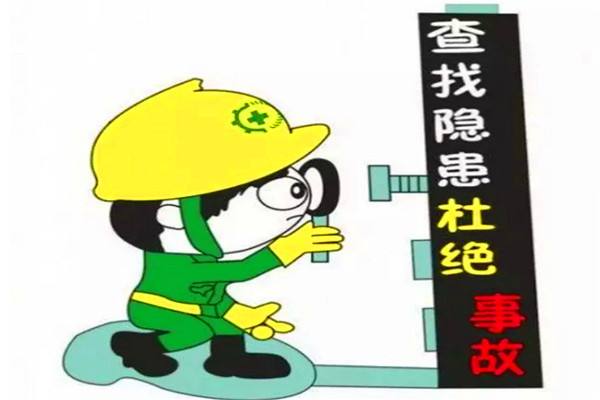
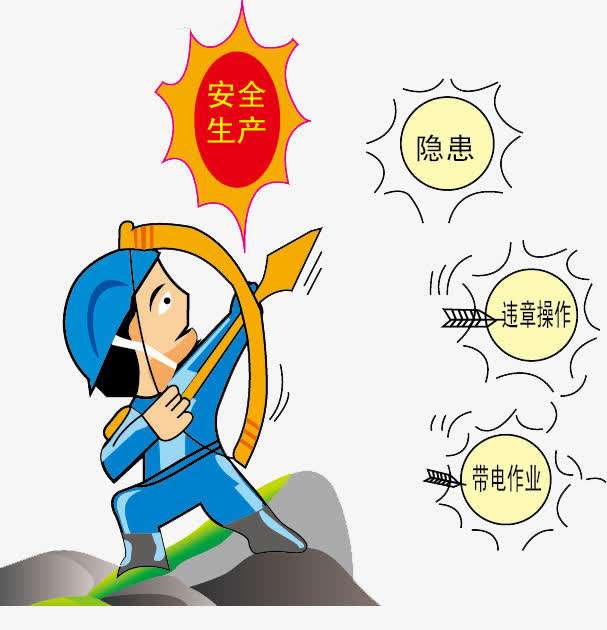
Allowing employees to work unsafely leads to accidents. Allowing unsafe conditions to remain leads to accidents.The only rational(理性的) approach to safety is prevention. Prevention can be accomplished in many different ways. The key to accident prevention, however, is consistency(一致性) and commitment(保证、承诺) at all levels of management. The following are common prevention devices:
▷Fall protection (坠落防护)
▷Personal protective equipment(个人防护装备)——PPE
▷Fire protection (防火)
▷Signs, signals, and barricades(标志、信号与路障)
视频:如何打造安全的施工现场
1.未入职(培训)勿开展工作;2.穿戴好个人防护装备;3.保持(场地)整洁;4勿将自己或者他人置于风险之中;5.遵守安全警示与规则;6.不在不安全的区域工作;7.(及时)上报缺陷与侥幸事件;8.不得随意干预机器运转.
★Safety Programs(安全制度)
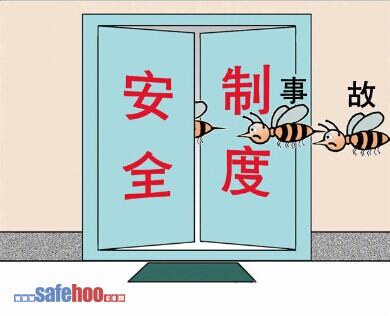
The most effective method of reducing accidents in the workplace is through safety programs. OSHA (Occupational Safety and Health Administration)(职业安全与健康管理局) mandates(授权) the development of a safety program; but for the program to work, it must have the total support of management. A typical safety program has two components: an overall corporate safety program and a site-specific program
----Corporate Programs (公司安全制度)
• Lay out the responsibility of the top executives in regard to safety.
(阐明高层管理人员在安全方面的责任)
• Identify methods of measuring performance.
(确定衡量绩效的方法)
• Institute control measures through supervisory personnel.
(通过监督人员制定控制措施)
• Define reporting requirements in the event of an accident.
(定义发生事故时的报告要求)
• Develop safety training for employees.
(开展员工安全培训)
• Institute disciplinary warnings.
(提出纪律警告)
• Provide incentives for those who achieve high standards of safety.
(为达到高安全标准的人员提供激励)
Corporate safety program is the foundation of the site safety program. to be effective over time, the corporate program should have constant feedback from the sites concerning critical areas for training and any ideas about more effective methods of prevention.
----The site safety program (现场安全制度)
The site safety program specifically explains the work that must be done at the site both before the project starts and during construction itself. During a startupphase(启动阶段), planning is done. The safety team is identified and assembled at this time.The first task is to deal with the layout(布置) of the job site.The layout of the site must also consider how the public will be protected. By considering safety when laying out the site, the team is taking the first step toward full incorporation of safety on the job.
★Safety Meetings
There are generally two levels of safety meetings that occur on a job site.
(1)The safety committee(安全委员会) meets monthly to direct and monitor the effectiveness of the safety program. Issues dealt with during these meetings include the following:
* Report of any accident or near miss(未遂事件,侥幸脱险) with review of corrective action
* Review of new regulatory activity(监管活动 )
* Results of project safety audits(安全审计)
(2)The other safety meetings are the weekly toolbox meetings.These are conducted by the forepersons and are brief.They generally focus on spreading information about specific safety hazards.(工具箱会议的英文是toolbox talk是指作业人员在作业前,集中在一起,由作业负责人或技术人员对工作进行交底,同作业人员沟通工作中风险及安全措施的短暂、非正式的会议。因一般情况下都是在作业人员拿好工具箱准备作业,或坐在工具箱上开的会,所以形象地叫做工具箱会议)
★Accident investigation
* Clear the scene of all nonessential personnel and rope off the area
(清除现场所有非必要人员,并用绳子将该区域隔开)
* Protect the scene, leaving everything as is
(保护现场,让一切保持原样)
* Photograph or video tape the scene
(对现场进行拍照或录像)
* Interview those involved separately as soon as possible after the occurrence
(事件发生后尽快分别采访相关人员)
视频:If there is an accident?(如果有事故发生?)
★Conclusion (小结)
How safety is attended to on construction sites depends on individual attitudes toward it. No matter what the attitude, however, safety is required by law. There are also humanitarian(人道主义的) and economic reasons for attending to safety. It is no coincidence(巧合) that safe jobs are productive jobs. Accidents cut down on productivity and increase insurance costs and claims; they can even mean the difference between winning the next job or losing it. Owners are interested in working with contractors who have good safety records. No one wants to attract the negative attention to a job that comes with a serious accident.
Even with the best of intentions, however, accidents can happen. When they do, it is important that everyone knows his or her role. First-aid kit(急救箱) locations, emergency numbers(紧急号码), procedures for aiding injured workers, and protection of the accident scene must be addressed before there is a reason to use them. Finally, the cause of the accident should be determined and, if possible, eliminated so that it does not occur again.
Discussion

