
★A Case : construction of CA/T- a big dig
CA/T(central artery tunnel) project is a big infrastructure one that runs through the center of Boston’s historic and vibrant(生机勃勃的) downtown. Its aim is to replace the existing elevated interstate(各州间的) highway. Constructing such a mega project require an extensive program to mitigate its impact on city residents, businesses, and visitors. The project’s central commitment to the people of Boston is to keep the city fully open for business and traffic moving during construction. Finally this 14 –year project succeeded. Late the project is described as doing open heart surgery on a patient who continues to work and play tennis every day. The following are the brief examples of construction mitigation.
视频:Big dig (大开挖——美国波士顿大隧道)
★Construction mitigations content
▶Noise mitigation(噪音的缓解)
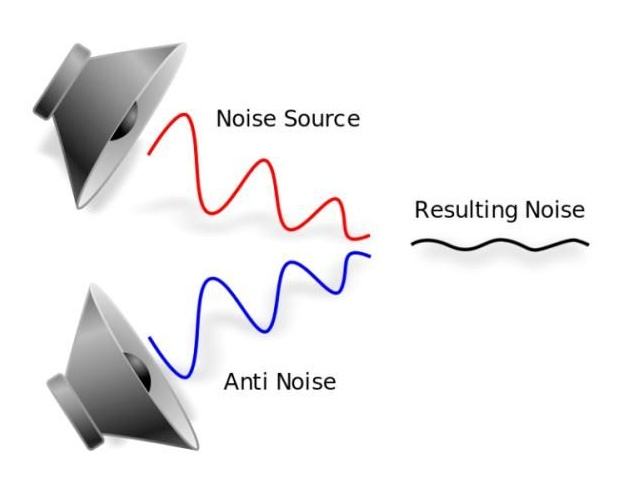
The CA/T is committed to minimizing noise impact during construction. This goal is especially difficult because of Boston’s unique neighborhoods, which integrated(融合) residential, commercial, and industrial activities. It’s difficult to achieve a balance. Different groups prefer different quiet times. The CA/T works closely with all abutters(邻接者) to develop appropriate construction schedules, work hour limitations on jack hammering, restriction on the use excavator alarms, and ongoing noise monitoring. Today the CA/T has the most comprehensive noise mitigation specifications in the world, and they have been used as a model for other public projects.
▶Traffic flow(交通)
The existing elevated highway will be torn down when the project is complete, making way for business, park land development. During construction, however, the CA/T project is committed to maintaining all six lanes of the elevated road. To accomplish this goal, the project phases the underground tunnel construction located directly below the exiting road structure, the first phase of construction include construction of the new tunnel walls on sides of the current road system. Over time the weight of the exiting elevated structure is transferred to the new walls, clearing the way for further tunnel excavation.
▶Pedestrian and business access(行人和商业通行)
In addition to keeping the traffic moving, the CA/T constantly mitigates the impact to pedestrian and business access. The specifications require the use of jersey barriers(织物护栏), lighting, and temporary surface pavement.
▶Air quality(空气质量)
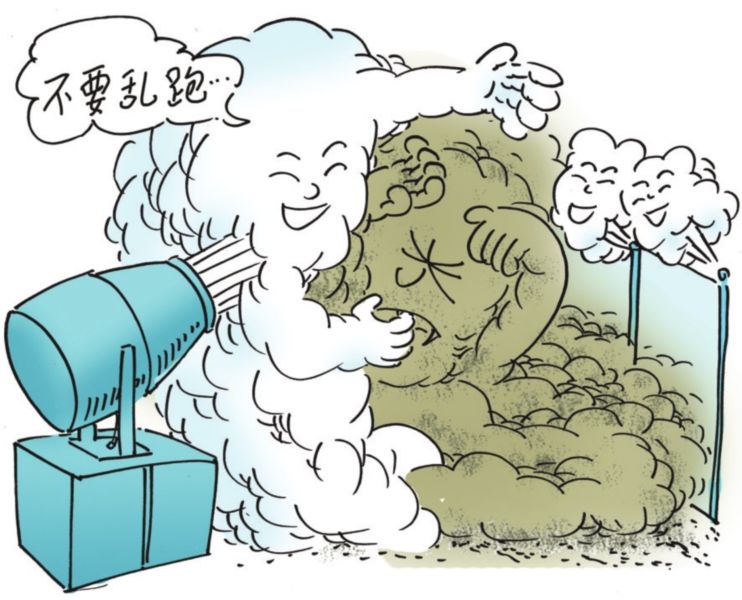

Air quality impact is mitigated with an array(群,阵列) of dust control measures, such as the use of truck covers and designated(指定的) truck routes. CA/I contract specifications also call for contractors to suppress dust on the worksites, sweep the street, and wash truck wheels to minimize potential impact.
视频:减少交通、商业干扰的创新施工工艺——逆作法
视频:高效率、低干扰的预制装配绿色施工工艺
Conclusion
As more and more construction takes place to build infrastructure, environmental and community concerns must be addressed. Successful mitigation relies on effective communication and processes that involved the public before and during construction. Responding to community and environmental concerns are usually costly, but it’s critical to obtaining and maintaining support.
Mitigation is taking its place in the construction industry.
Discussion

