
★ Feasibility analysis

Before a commitment(承诺、允诺) is made to a specific scope of work and a budget, the owner often does a feasibility study to look at several options. These studies are usually prepared with the assistance of professional consultants whose skills depend on the scope of study and when it is done.
(If the purpose of the study is simply to evaluate the market, the owner will likely to do the study with a market surveyor, if the study wants to identify the lending rates, the owner is likely to do the study with a financial advisor. If the study economically evaluates different design solutions, such as renovating an existing facility or removing and building a new one, then a construction professional might supply services to either the architect or the owner. This study will examine several options in light of the owner’s objectives.
★Constructability analysis
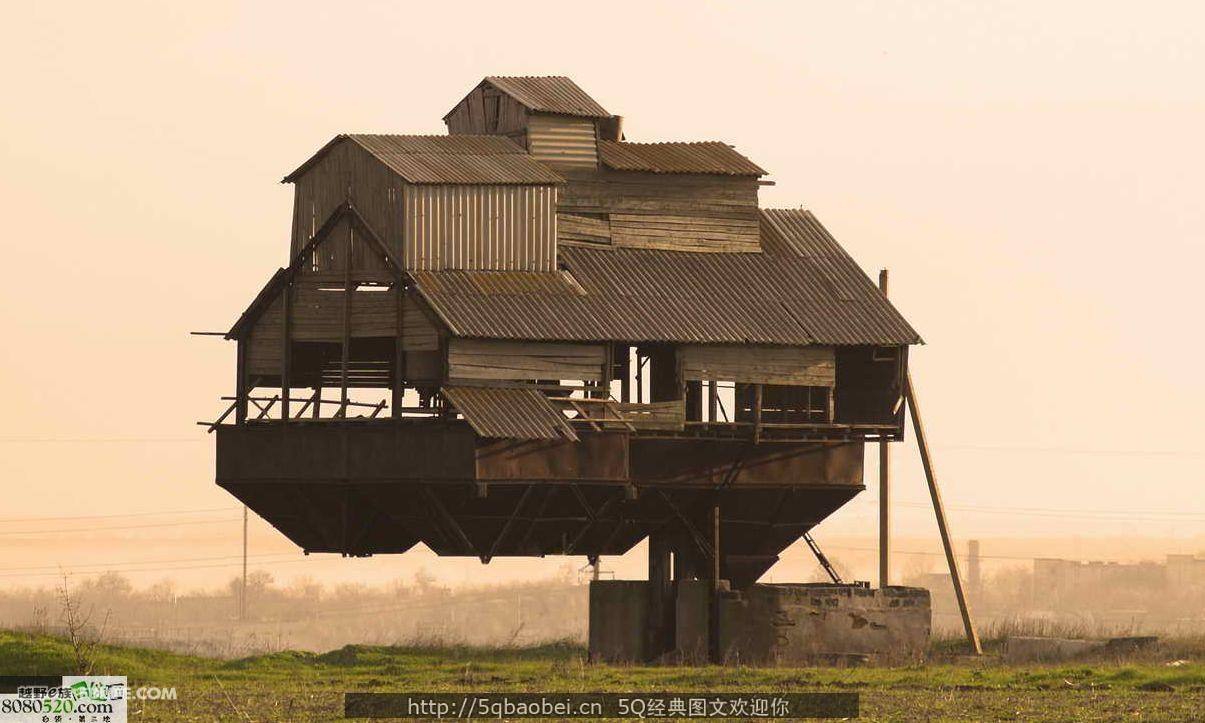
In a traditional delivery method, designer traditionally left methods of building components to construction professionals, this can lead to project components that are difficult to install, adding cost to the project as the constructor struggles to work out the details, and possible creating unsafe working conditions. If the constructor is part of the discussions during the design, these complexities can be identified and simpler solutions developed. Constructability analysis is closely associated with site investigations.
★Site investigation content
▶Physical conditions(物理条件勘察)
☀Site itself (场地本身) Before design can begin, the team must learn the conditions at the site. Site investigations include analysis of the soil composition in relation to types of foundations and the need for fill, clearing, and grubbing. (This is critical to the structural engineer) They influence early estimates of the project and alert(使警惕) the design team if special instructions must be included in the documents. (E.g. the water pumping) access to the site, railroad locations, utility availability, and routes into the site are all factors that will affect how the design team formulates(形成) the documents.
☀Conditions around the site(场地周边) In addition to the conditions at the site itself, the areas and conditions around the site can also affect work. For example, in an urban site, business in the area will be affected by the work. By having such information early in the process, the constructor professional can work out a strategy that will minimize disruption to area business while allowing the project to proceed normally. Site investigation should also consider the availability of utilities. In an urban environment, it is fairly easy to get access to main utilities that run in the street-gas, water, electricity, telephone. In a suburban or rural area, such services may be more remote. They may have to be brought in from far distances, which can undoubtedly increase the construction cost. Equally, important is the method of getting materials to the site. A site investigation locates railroad lines, highways, local roads, waterways, and airports. Then the team can figure the most economical way of bringing deliveries to the site.
视频:地球钻探
▶Local customs and practices(社会条件勘察)
Investigations of the local practices inaddition to examining the physical conditions at the site, the construction manager must gather information about local customs and practices- laborpractices, regulations, market rates for labor and materials, and availabilityof subcontractors. Understanding these customs and practices can make a big difference in how the work is divided up among the trades, which materials are used, and which methods are employed when installing products. Investigations of Local practices include the following:
☀Labor breakdowns(劳动分工) How the trades normally do business depends on customs built up over time. For example, in some areas, the sheet metal contractors may install specific items that in other areas another trade installs.
☀Codes and regulations(规范条例) Since there is no national standard for building codes and regulations, an understanding of local rules can go a long way to saving headaches on the job. Local officials can cause delays and cost the job money if the project goes forward without meeting certain criteria.
☀Labor availability(劳动力可获性) In some areas, labor is scarce; in others it is abundant
☀Material and equipment availability(材料设备可获性)The local availability of certain materials,equipment suppliers can influence how a designer specifies materials. The construction manager can help by investigating the ready availability of desired materials.
To get the information, the construction manager first obtains a copy of the plot plan of the area. This includes information about the size of the site, exiting structure, existing roads, and the compass point. These plot plans are public and can be picked up at local town offices. The construction manager can also study the soil report, visit the site and note any surface conditions. No matter what the resources, the construction manager must make sure that all the site information is right and current. He can use a detailed analysis form.
视频:永署岛以及背后的造岛神器
★Summary about site investigation
♦Understanding the site conditions and local customs and practices needs to be done very early in the design process because they affect decisions about the basic design.
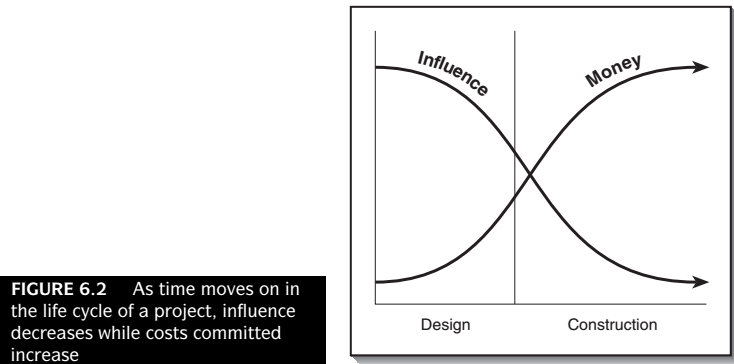
♦The ability to influence the course of the design is much greater at the beginning of the project, when the amount of money being spent is low. As the design becomes more detailed, changes has the potential to be costly. Once the project is in construction, any changes can be extremely costly both in time and in actual costs. as Figure 6.2 shows, there is much value to the owner in getting as much good advice as possible early in the project. relatively small amounts of money are being spent; so if changes must take place, early is the best time. also, with a builder in the design conversations, construction methods and materials can be worked out conceptually much earlier and be incorporated early enough to make an impact on the way in which the documents are assembled. this gives everyone more options.
Discussion

