
Most designers and builders concentrate(专注) their business and expertise(专长) in specific sector of the construction industry; Major differences exist in how projects within each sector are funded; in the building methods involved; and in the manner in which designers, builders and owners interact. So construction industry evolved(演化) into distinct types. These sectors are usually separated into the following four categories:
★Residential(住宅建筑)
Such as individual homes, apartment(公寓). Apart from the fact that they house people, such projects are usually privately funded by individual owners for their own use or speculation(投机).
Within this sector, there has been some movement toward premanufactured(预制) homes and products. But despite the tremendous potential(巨大的潜力) in developing premanufactured components for the residential market, the tendency(趋势) is still to build most components on site. As a site-built product, residential construction uses fairly low technology.
When the economy is strong, these small businesses do well; but because residential sector projects are privately funded and homogenous(同性质的) in type, many companies go out of business when money gets tight. Interest rates and government policy toward housing investment also influence the sector’s health. In a good economy, about one-half of construction spending takes place in the residential sector but when the economy dips(下降), that percentage can vary considerably.

★Commercial building(商业建筑)
Such as office building, shopping malls, supermarkets. These structures tend to be privately funded too. They are typically designed by architects with the support from engineers and built by general contractors. So the technical skills necessary for success is greater than in the residential sector. Annual construction expenditures(支出) in this sector are very high. And it is highly depend on regional economic health.

Within this sector, there is some specialization. Commercial structures such as shopping malls(大型购物中心), office buildings, and theaters are built for quick turnaround(周转) and an eye to marketing and retail image. Firms build their reputations in these specialized fields, and owners choose designers and contractors based on their reputations.
★Infrastructure (基础设施)
Such as roadways, bridges, dams and tunnels. They are used for the distribution of goods and people. These projects are designed by civil engineers(土木工程师) and built by heavy construction contractors(大型建筑承包商) who have engineering background or support. Most infrastructure projects are publicly funded because they serve the public's needs.
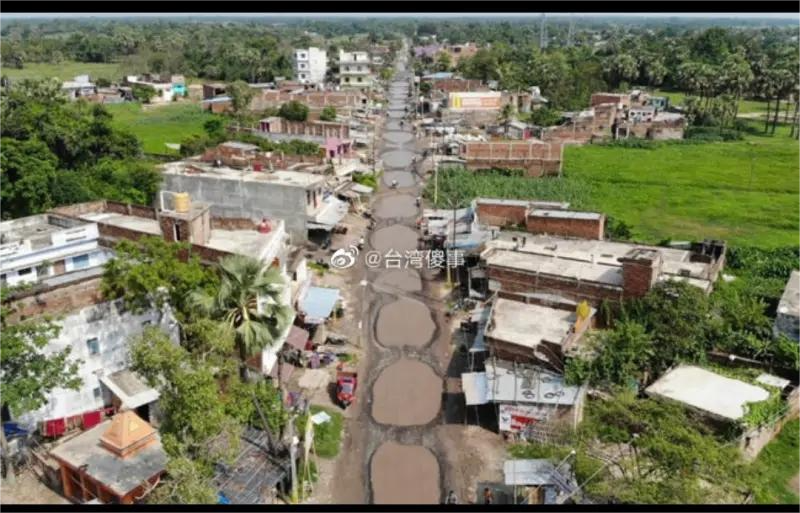
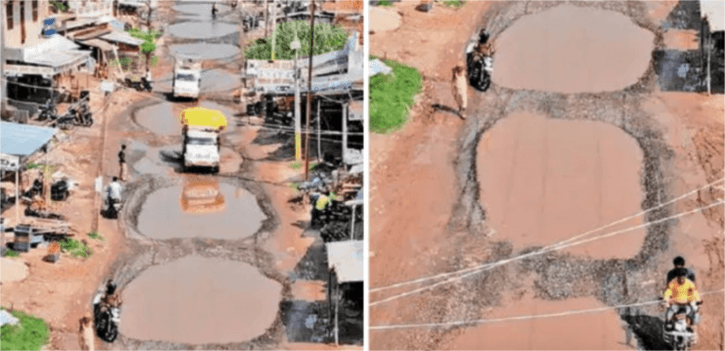
A joke about Indian highway(印度公路的一个笑话)
——WOW, It is basically 3 in 1: car wash,swimming, hurdle race route.(噢,这就是条3合1赛道,集齐洗车、游泳和跨栏)
视频:基础设施对人类社会的深远影响
Because of the complexity of the projects and the importance of equipment and technical know-how, relatively few firms are involved, and those that are tend to be very large.
★Industrial(工业建筑)
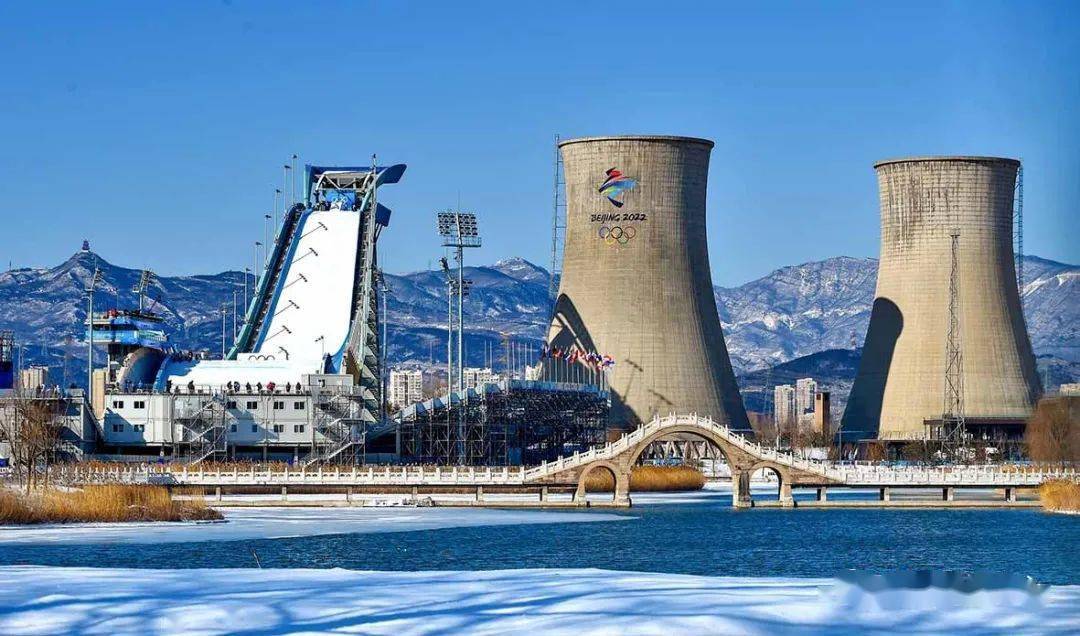
Such as steelmills(钢厂), petroleum refineries(炼油厂), chemical processing plants, and mobile phone production facility. These projects are defined by the production activities within the facility rather than the facility itself. These projects are usually funded both publicly and privately.
Quality and time are extremely important in these projects; productivity and therefore return on investment depend on how well the facility performs. Because of the complexity of each facility, only a few designers and builders are qualified to work on such projects.
There is difference between different type of buildings, but their tags does remain the same all the time, different buildings can be reconstructed(改造) and integrated(融合).
视频:不同类型建筑物的改造与融合(1)
视频:不同类型建筑物的改造与融合(2)
Discussion

