商务实操

胡文锐

目录

  • 1 课程要求
    • 1.1 课程学习目标
    • 1.2 课程设置
    • 1.3 课程标准与教学进度表
    • 1.4 课程教材
    • 1.5 教学示范视频Complaint&claim
  • 2 Topic1 Establish Business Relationship
    • 2.1 Teaching plan教案
    • 2.2 Lead-in导入
    • 2.3 Background information背景知识
    • 2.4 Sentence patterns句型
    • 2.5 Coversations对话
    • 2.6 Business Edges行业动态
    • 2.7 Pairwork Assignment商务实操
    • 2.8 About Contest竞赛前沿
    • 2.9 PPT
  • 3 Topic 2 Enquiry
    • 3.1 Teaching Plan教案
    • 3.2 Lead-in导入
    • 3.3 Sentence patterns句型
    • 3.4 Conversations对话
    • 3.5 Business Edges行业动态
    • 3.6 Complementary Knowledge补充知识
    • 3.7 Pairwork Assignment商务实操
    • 3.8 Extensive Reading扩展阅读
    • 3.9 About Contest竞赛前沿
    • 3.10 PPT
  • 4 Topic 3 Offer
    • 4.1 Teaching Plan教案
    • 4.2 Lead-in导入
    • 4.3 Sentence patterns句型
    • 4.4 Conversations对话
    • 4.5 Business Edges行业动态
    • 4.6 Pairwork Assignment商务实操
    • 4.7 Extensive Reading扩展阅读
    • 4.8 About Contest竞赛前沿
    • 4.9 PPT
  • 5 Topic 4 Counter-offer
    • 5.1 Teaching Plan教案
    • 5.2 Lead-in导入
    • 5.3 Sentence patterns句型
    • 5.4 Conversations对话
    • 5.5 Exercise练习
    • 5.6 Summary小结
    • 5.7 Pairwork Assignment商务实操
    • 5.8 Extensive Reading扩展阅读
    • 5.9 PPT
  • 6 Topic 5 Place an order
    • 6.1 Teaching Plan教案
    • 6.2 Lead-in导入
    • 6.3 Sentence patterns句型
    • 6.4 Conversations对话
    • 6.5 Business Edges行业动态
    • 6.6 Pairwork Assignment商务实操
    • 6.7 Extensive Reading扩展阅读
    • 6.8 About Contest竞赛前沿
    • 6.9 PPT
  • 7 Topic 6 Payment
    • 7.1 Teaching Plan教案
    • 7.2 Lead-in导入
    • 7.3 Sentence patterns句型
    • 7.4 Conversations对话
    • 7.5 Pairwork Assignment商务实操
    • 7.6 Business Edges行业动态
    • 7.7 Extensive Reading扩展阅读
    • 7.8 About Contest竞赛前沿
    • 7.9 PPT
  • 8 Topic 7 Packing
    • 8.1 Teaching Plan教案
    • 8.2 Lead-in导入
    • 8.3 Sentence patterns句型
    • 8.4 Conversations对话
    • 8.5 Business Edges行业动态
    • 8.6 Pairwork Assignment商务实操
    • 8.7 Extensive Reading扩展阅读
    • 8.8 PPT
  • 9 Topic 8 Shipment
    • 9.1 Teaching Plan教案
    • 9.2 Lead-in导入
    • 9.3 Sentence patterns句型
    • 9.4 Conversations对话
    • 9.5 Pairwork Assignment商务实操
    • 9.6 Case study案例分析
    • 9.7 Extensive Reading扩展阅读
    • 9.8 About Contest竞赛前沿
    • 9.9 PPT
  • 10 Topic 9 Insurance
    • 10.1 Teaching Plan教案
    • 10.2 Lead-in导入
    • 10.3 Sentence patterns句型
    • 10.4 Conversations对话
    • 10.5 Business Edges行业动态
    • 10.6 Pairwork Assignment商务实操
    • 10.7 Extensive Reading扩展阅读
    • 10.8 PPT
  • 11 Topic 10 Complaint and claim
    • 11.1 Teaching Plan教案
    • 11.2 Lead-in导入
    • 11.3 Sentence patterns句型
    • 11.4 Conversations对话
    • 11.5 Case analysis and exercise企业案例分析
    • 11.6 Pairwork Assignment商务实操
    • 11.7 Extensive Reading扩展阅读
    • 11.8 实训报告2/3
    • 11.9 PPT
  • 12 Topic 11 Trade Fair
    • 12.1 Teaching Plan教案
    • 12.2 Lead-in导入
    • 12.3 Conversations对话
    • 12.4 Business Edges行业动态
    • 12.5 Pairwork Assignment商务实操
    • 12.6 Extensive Reading扩展阅读
    • 12.7 PPT
  • 13 Readability Test
    • 13.1 Text A
    • 13.2 Text B
  • 14 Project:Simulating Fair模拟展会
    • 14.1 Requirements模拟展会要求
  • 15 Topics for Exam
    • 15.1 Topics for Exam
Lead-in导入

Background information 

Besides shipment, the exporter has to give considerable attention to the packing of thegoods to be shipped abroad. It is his duty to pack the goods in accordance withthe relevant terms in the sales contract and in a manner, which assures theirsafe arrival and facilitates their handling in transit and at the place ofdestination. In order to identify the packages easily en routeor at the port of destination, the outer packing must be clearly marked withthe identifying symbols and numbers in accordance with the instructions of the customer. These symbols and numbers should strictly conform to those correspondingly stated in the commercial invoice, consular invoice(领事发票), bill of lading andother shipping documents to prevent the goods from going astray.Generally, there are three principle kinds of marking which may have to be done on export package: shippingmarks, supplementary marks, indicative and warning marks.

After a contract is made, it is the main task for the exporter to prepare the goodsfor shipment and check them against the terms stipulated in the contract. Thequality, specifications, quantity, marking and the packing should be in linewith the contract, the date for the preparation should agree with the shippingschedule.


China Inspiration

————————————————————————————————————----------------------


                     景德镇瓷器明清时期是怎么包装运输的? 


cr . https://www.sohu.com/a/161447531_559418 
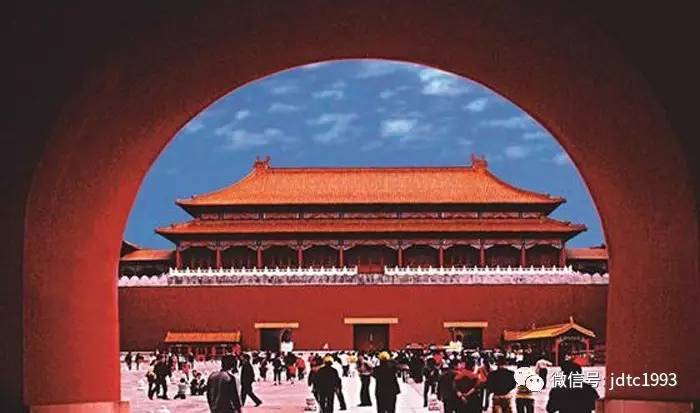

       江西景德镇,作为明清国家御窑厂,京城与景德镇相距上千公里,在当时的条件下,易碎的瓷器能够从生产者手中完好无损的交付到使用者手中,运输得当自然重要,却也得益于妥善、成熟的瓷器包装工艺。

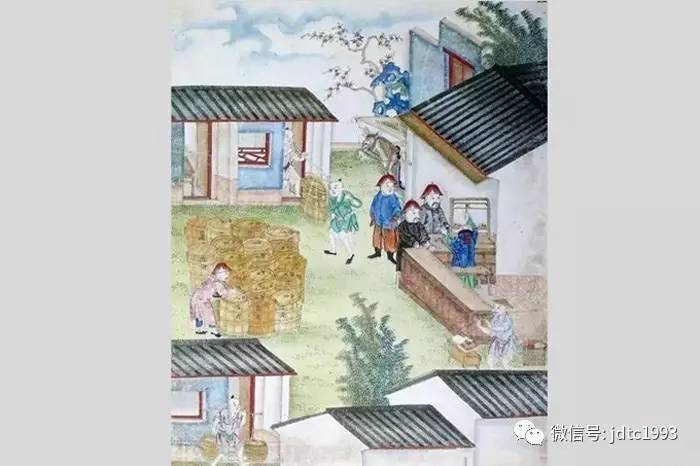
       在《陶冶图说》中,涉及瓷器包装问题的仅“束草装桶”一项。可见,当时景德镇瓷器的内包装有纸包和草扎两种,外包装则主要有木桶装(也称筒、笼)和竹蔑包扎两种。选用不同包装方式的依据,主要是瓷器的质量等级差异:相对上等的用纸包桶装、次之草扎桶装,而商用销售或相对低等的瓷器则“只用茭草、竹篾包扎。”、“将茭草置于内,竹篾横缠于外。”
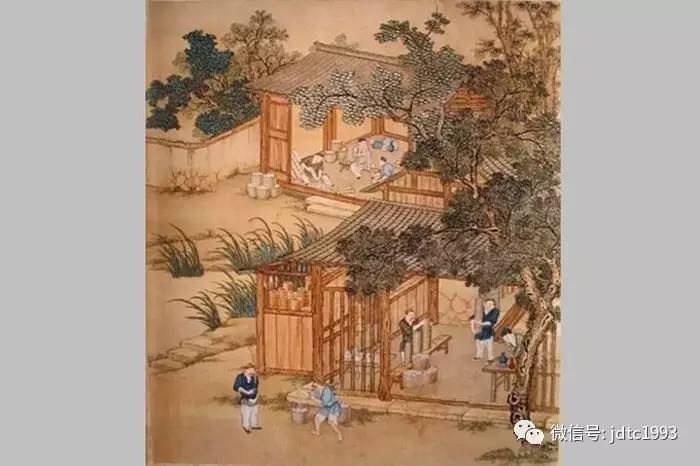
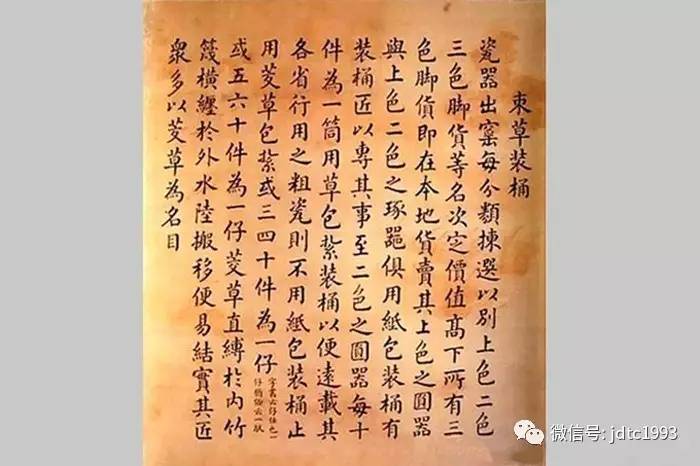
《陶冶图说》——束草装桶

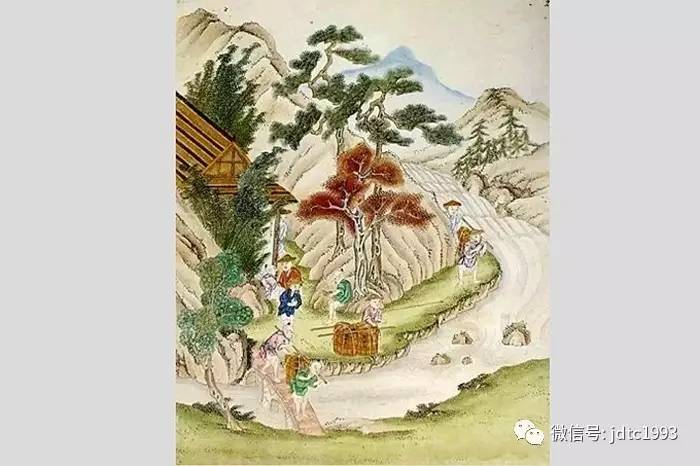
       这样的瓷器包装方式,也在流传至今的一些关于瓷器生产的画册中被记录了下来。在德国出版的《陶瓷之书》中,就对瓷器的桶装过程及状态有着详尽的描绘:
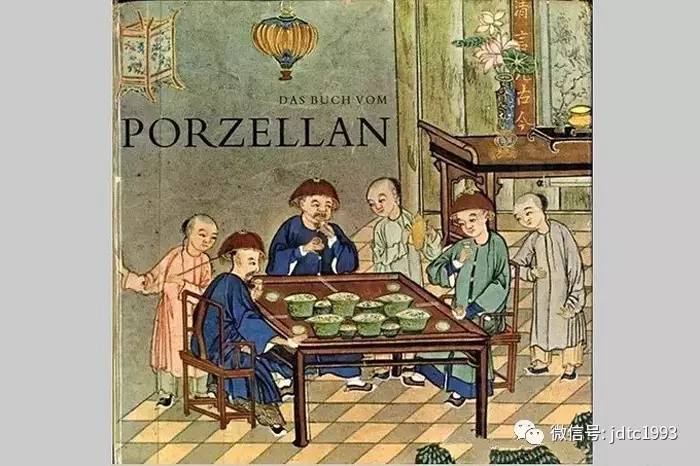
《陶瓷之书》封面
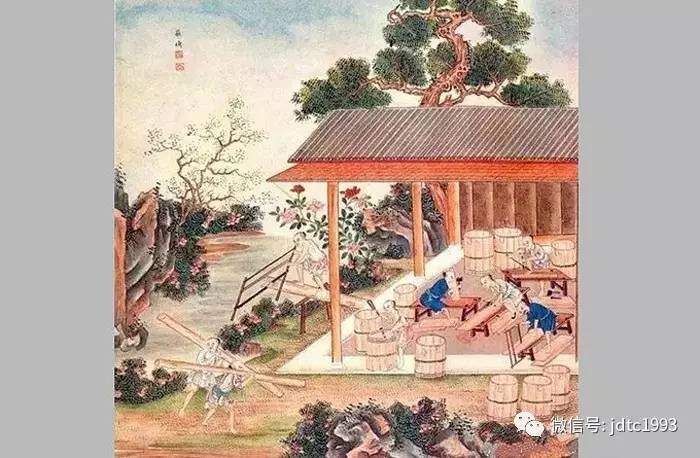
箍桶
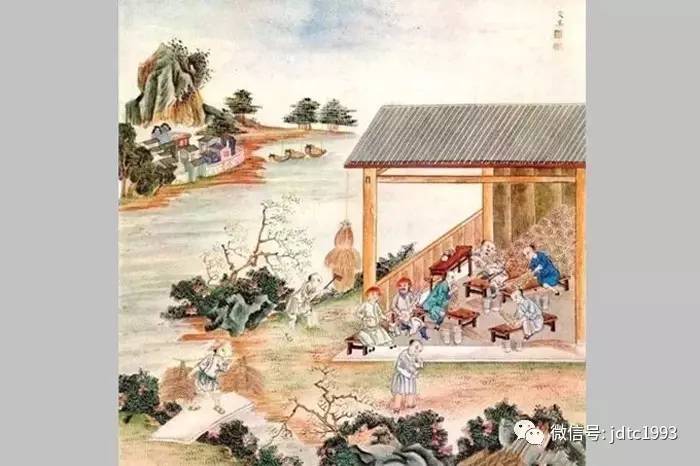
茭草
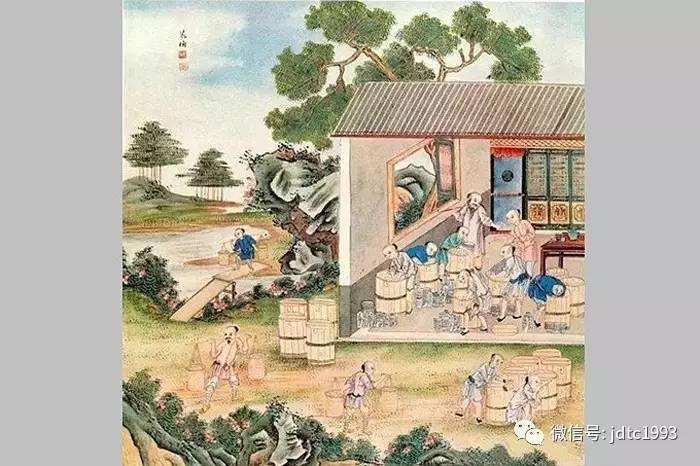
装桶
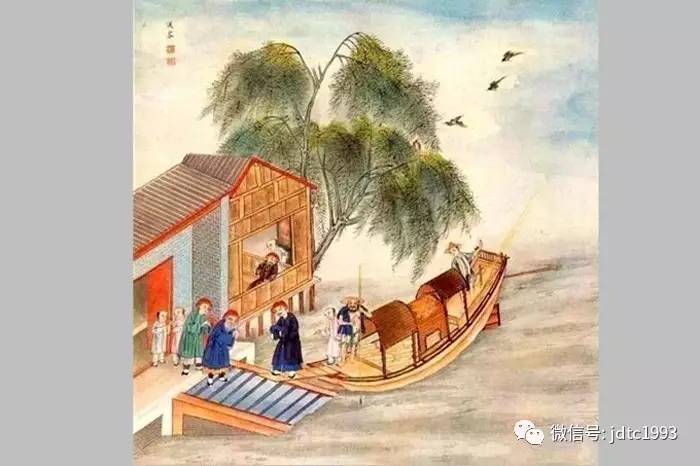
运送

       德国阿腾堡博物馆藏《陶冶图》中,也描绘有同样的内容:
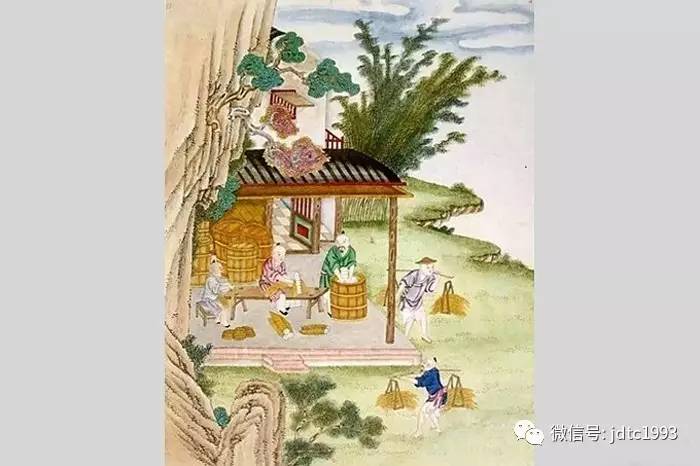
       关于相对简易且多用于商业用途的竹笼装瓷,也在一些风俗绘画中有所体现:
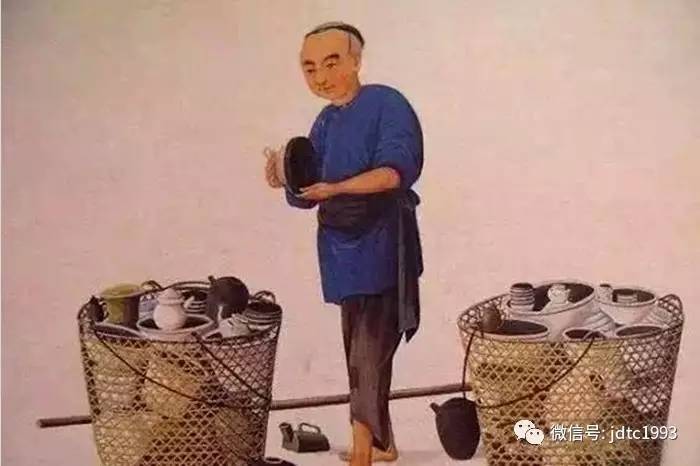
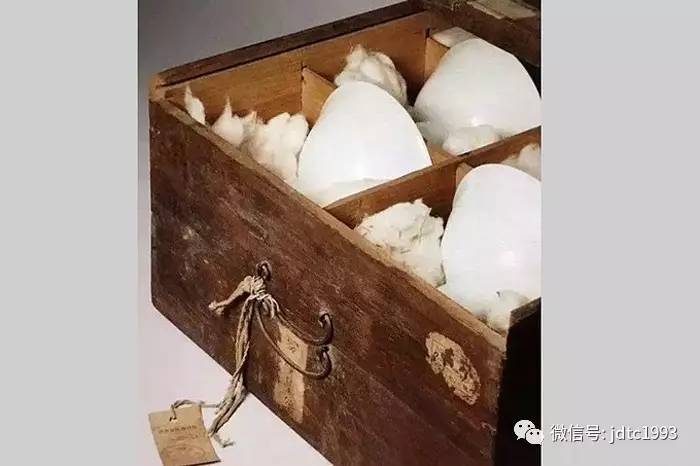
       事实上,清代大批量的御用瓷器分春秋两次运送进宫时,都是采用桶装的包装形式,也正因此,大运瓷器也俗称“桶瓷”。一些相对精致的器物,还会用纸包后放入木匣内,运送入宫。
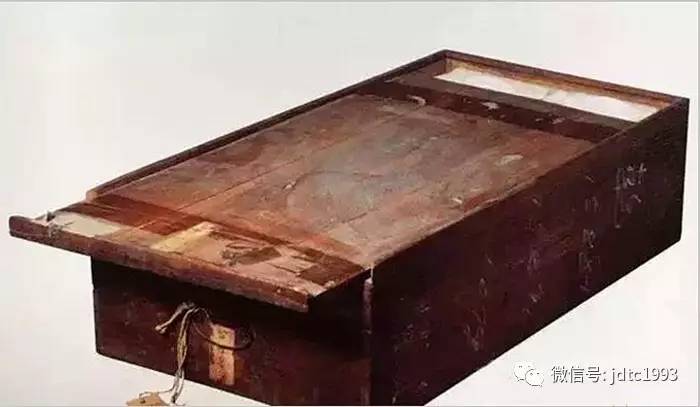
木匣装瓷器

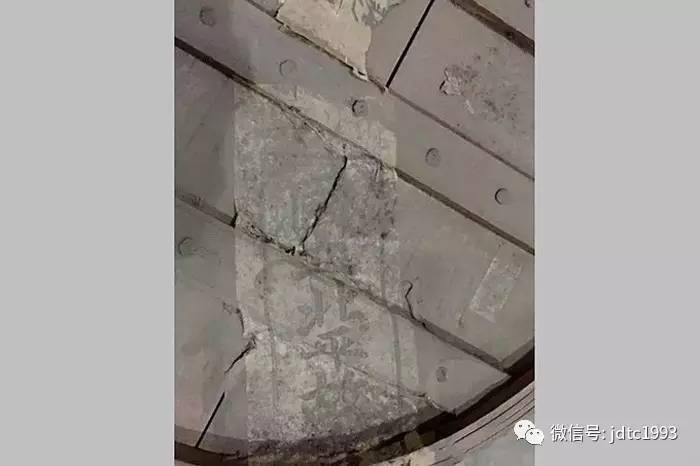
       若涉及瓷器外销,进入远洋前,在大船中装瓷器,则又会以舱为单位;为最大化的利用有限空间,极小器物也常常被装入装入大罐内,从而采用瓷器套装的包装形式。除却文献与绘画材料外,关于瓷器包装,流传至今的原始实物材料并不算丰富。在故宫博物院现有藏品中,目前已知仅有两个瓷器包装桶:
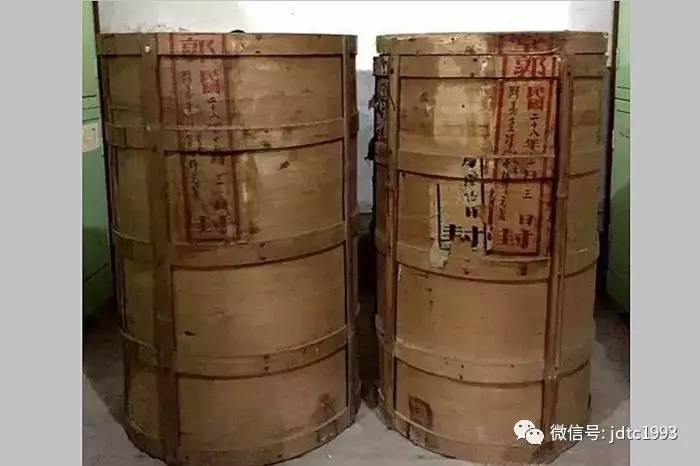
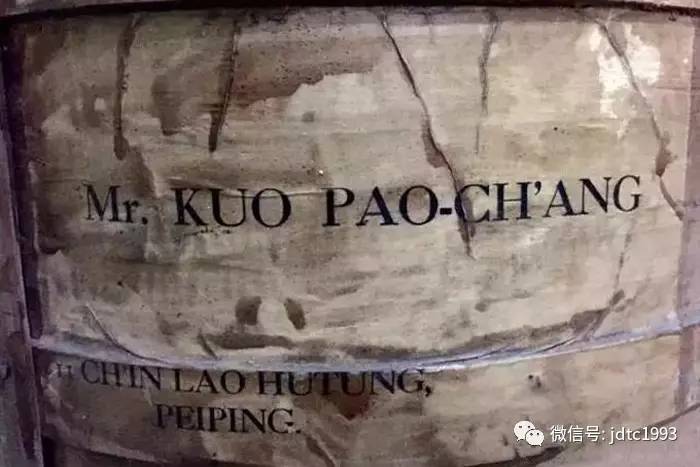
       可以看到,桶上的姓名标签表示这两个桶可能是属于郭葆昌的;而国立北平故宫博物院的封条则显示出了它们的官方属性。作为几乎是仅存的桶装瓷器的实物证据,不论年代如何,其重要性不可小觑。关于瓷器包装的实物材料,除了类似上述故宫院藏的文物(这自然是可与文献结合论证的直接证据),还有一些间接的遗存。它们并不是文物,而是传统文化借由现代社会产物的一种表现:用静态的眼光来看,那可能是某种相似性;用动态的眼光去审视,其实是一种传承。
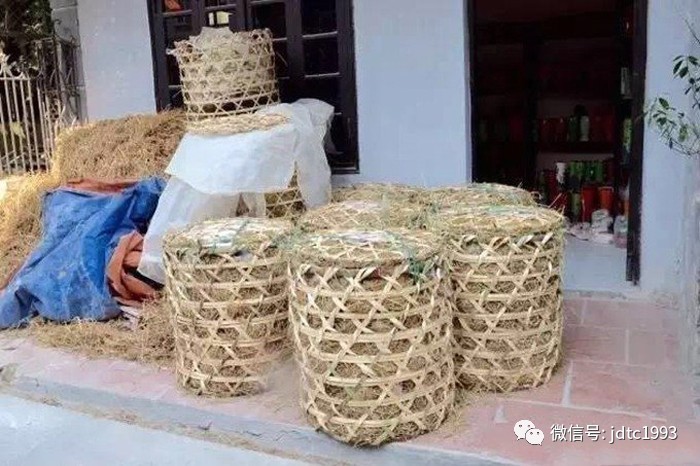
越南钵场窑场瓷器包装现状

       比如一个有趣的现象:在现在的越南钵场窑场(该窑场在越南瓷器生产行业中的地位,相当于中国的景德镇),还可以看到与我国景德镇旧法完全相同的瓷器包装形式。这显然就是《陶冶图说》中“将茭草置于内,竹篾横缠于外”的包装方法。这种穿越了时间与空间的相似性,造就了现代社会中关于旧时瓷器包装的实物证据。这是工艺传承的表现,更是文化传播的结果.