
市场研究

常亮

目录

  • 1 课程导言
    • 1.1 教学大纲
    • 1.2 为何学习市场研究
  • 2 Introduction to Marketing Research
    • 2.1 Marketing Research is Part of Marketing
    • 2.2 What is Marketing Research?
    • 2.3 What Are the Uses of Marketing Research?
    • 2.4 The Marketing Information System
  • 3 Defining the Problem and Research Objectives
    • 3.1 The Marketing Research Process
    • 3.2 Establish the Need for Marketing Research
    • 3.3 Define the Problem
    • 3.4 A Process for Defining the Problem and Research Objective
    • 3.5 Market Research Proposal
  • 4 Research Design
    • 4.1 Research Design
    • 4.2 Exploratory Research
    • 4.3 Descriptive Research
    • 4.4 Causal Research
    • 4.5 Test Marketing
  • 5 Secondary Data and Packaged Information(自学)
  • 6 Qualitative Research Techniques
    • 6.1 Quantitative, Qualitative, and Pluralistic Research
    • 6.2 Observation Techniques
    • 6.3 Focus Groups
    • 6.4 Other Qualitative Research Techniques
  • 7 Evaluating Survey Data Collection Methods(自学)
  • 8 Designing the Questionnaire
    • 8.1 Basic Question-Response Formats
    • 8.2 Basic Concepts in Measurement
    • 8.3 Types of Measures
    • 8.4 Interval Scales Commonly Used in Marketing Research
    • 8.5 Reliability and Validity of Measurements
    • 8.6 Designing a Questionnaire
    • 8.7 Questionnaire Organization
  • 9 Selecting the Sample
    • 9.1 Basic Concepts in Samples and Sampling
    • 9.2 Probability Versus Nonprobability Sampling Methods
    • 9.3 Developing A Sample Plan
  • 10 Determing the Size of a Sample
    • 10.1 Sample Size Axioms
    • 10.2 The Confidence Interval Method of Determining Sample Size
    • 10.3 The Sample Size Formula
    • 10.4 Other Methods of Sample Size Determination
  • 11 Dealing with Field Work(自学)
  • 12 Using Descriptive Analysis, Performing  Population Estimates, and Testing Hypotheses
    • 12.1 Types of Statistical Analyses
    • 12.2 Descriptive Analysis
    • 12.3 Statistical Inference
  • 13 Implementing Basic Differences Tests
    • 13.1 Differences are Important
    • 13.2 Testing for Significant Differences
    • 13.3 Analysis of Variance
  • 14 Making Use of Associations Tests
    • 14.1 Types of Relationship Between Two Variables
    • 14.2 Test of Relationship Between Two Nominal Variables
    • 14.3 Test of Relationship Between Two Metric Variables
  • 15 Understanding Regression Analysis Basics
    • 15.1 Regression Analysis
    • 15.2 Multiple Regression Analysis
  • 16 The Research Report
教学大纲


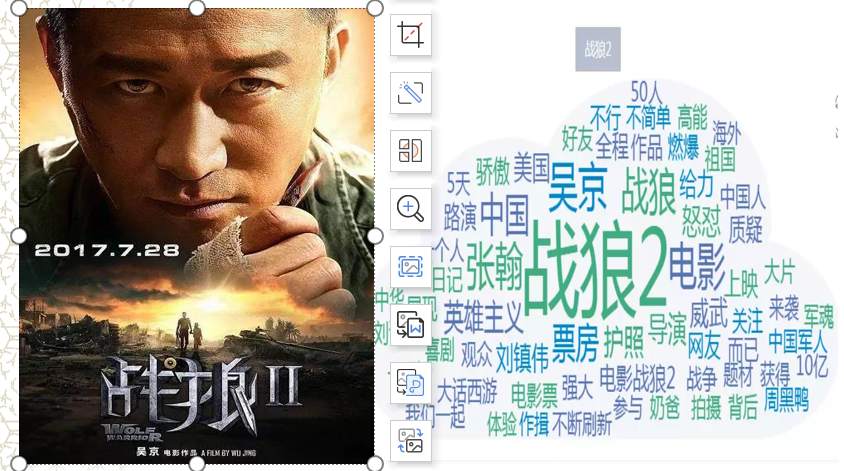
问题1:《战狼2》的市场情怀

问题2:高大上的它,你选谁?

问题3:怎么解决“你有病”?

一、教学大纲

1.教学内容:

如何进行信息收集(11步骤)

如何分析信息得出决策(软件SPSS应用)

2.教学方法:

课堂讲授

分组自学

案例讨论

项目合作

3.教学目标:

介绍市场研究的基本原理与实务

介绍市场研究设计并解决实际问题

学习数据处理和分析

基于项目的合作性学习,以小组为单位参与一项市场研究项目的全过程,撰写研究报告

二、教学对学生的要求

1.要求具有统计学、市场营销学、经济学、国际贸易以及社会经济等方面专业基本知识。

2.要求学生尽可能地进行各种类型的讨论以及亲自动手做练习,以理解所学知识。

3.遵守学校关于课堂纪律的要求,不迟到、早退,更不应无故缺课。

4.认真做作业,并按时交作业。

三、考试成绩及其构成

1.课堂制度:加减法

2.学生学习成绩包括:

平时成绩:占总成绩的50%

平时作业成绩

课堂学习效果(考勤与听讲、回答问题、期中考试)

小组调研活动参与度及其效果

期末成绩:占总成绩的50%

3.小组活动项目