主讲教师:宋洪侠
| 学校: | 大连理工大学金课建设平台 |
| 开课院系: | 机械学院 |
| 专业大类: | 机械19级(双语) |
| 开课专业: | 机械设计制造及其自动化 |
| 课程英文名称: | Engineering drawing A1 |
| 课程编号: | 机19级 |
| 学分: | 3 |
| 课时: | 48 |

Engineering Graphics
Course Code:1050130051
Course Name:工程制图A1(双语) (Engineering Drawing A1 bilingual)
Credit/Hours:5/84(48 Spring 1st term+ 32 Autumn 2nd term)
Textbooks:
(1) Zhong Jiaqi,Zhong Xiaoying.Engineering Graphics (Chinese-English,1st edition), Higher
Education Press, 2006.
(2) Song Hongxia, Feng Dongju.Problem book of Engineering Graphics (English), DUT, 2019
Reference Books:
(1) Dalian University of Technology, Engineering Graphics Teaching and Research section.
Descriptive Geometry (Chinese, 7th edition) and the corresponding workbook (6th edition),
Higher Education Press, 2011
(2) Dalian University of Technology, Engineering Graphics Teaching and Research section.
Mechanical Drawing (Chinese, 7th edition) and the corresponding workbook (6th edition),
Higher Education Press, 2013.
(3) Frederick E. Giesecke, Lava Mitchell, Henry Cecil Spencer. Engineering Graphics (8th edition, English), and ‘Engineering Drawing Problem Series 2’ (10th edition), Ivan Leroy Hill etc. 2004, Reedited by professor JIAO Yonghe from Beijing Institute of Technology, 2005
(4) Cecil Jensen, Jay D. Helsel, Dennis R. Short. Engineering Drawing & Design(7th edition), McGraw-Hill, 2007
(5) David A. Madsen, David P. Madsen. Engineering Drawing & Design(16th edition), Cengage Learning, 2018
(6) Chen Boxiong, Dong Yinyang, Zhang Yunfei. Autodesk Inventor Professional 2008-- Tutorial of Mechanical Design. Chemical Industry Press, 2008

Course Description:--------------------------------
As a technical fundamental and compulsory course of mechanical engineering, this course concerns theory and application of mechanical drawing with single English teaching. It mainly focuses on introducing orthographic projection theory and application, China National GB and ISO standards, 2D representation methods, and 3D digital modeling technology etc. The objectives of this course are to cultivate skills of reading and writing mechanical drawing, develop their capability of visualization and modeling, in addition, aim to foster practical ability of using advanced design method and software to establish a good foundation for subsequent courses.
The overall credit hours are 80hrs (48hrs 1st term+32hrs 2nd term), lectures (44hrs), experiments (8h), and CAD practices (28hrs) are included in. The content will cover orthographic projection theory of geometry elements, basic solids' multi-views, objects’ writing, reading and dimensioning, axonometric drawing of freehand, representations for work pieces, threaded structures drawing and dimensioning, standard parts and commonly-used parts’ representation and specification. In addition, detail drawing, and assembly drawing are the most important content. Certainly, some CAD lab practice will be integrated into the teaching content with accompanying homework assignments on optimizing representation for work pieces and producing a variety of drawings (3-D explosion drawing, detail drawing, and assembly drawing etc.) to strongly cultivate students’ imagination and drawing abilities. The computer lab hours are 24hrs which are used to finish computer modeling quizzes and key problems instruction. Generally all students should watch videos and practice after class from basic modeling steps to design approaches (related with bottom-up, top-down, middle-up, and generative design). The Instructor introduces Inventor software to students in details.
Full score of the 1st semester is 100 points, they are usual performance 70% due to the social emergency--Corona virus (CAD quizzes 20%, lab experiment 10%, homework 10%, online study 30%), and final exam 30%.
Full score of the 2nd semester is 100 points, they are usual performance 60% (including 7 parts-homework 5%, online study 20%, quizzes in class 5%, instrument drawing 5%, CAD quiz 10%, creative and manufacturing design projects 15%), and final exam 40%.
The instructor adopts multiple teaching methods based on online and offline course. You can find all kinds of advantages from various teaching method, such as Case-based, Porblem-based and Project-based, Outcome-oriented, research-oriented and any other inspired teaching methods. I try to integrate all advantages into my course to instruct students to learn and practice actively in class and after class.
We will finish our learning tasks in
(1)Multimedia claasroom 311 of No.1 comprehensive teaching building
(2)Computer media room 409 and 410(one person one computer) with synchronous teaching system
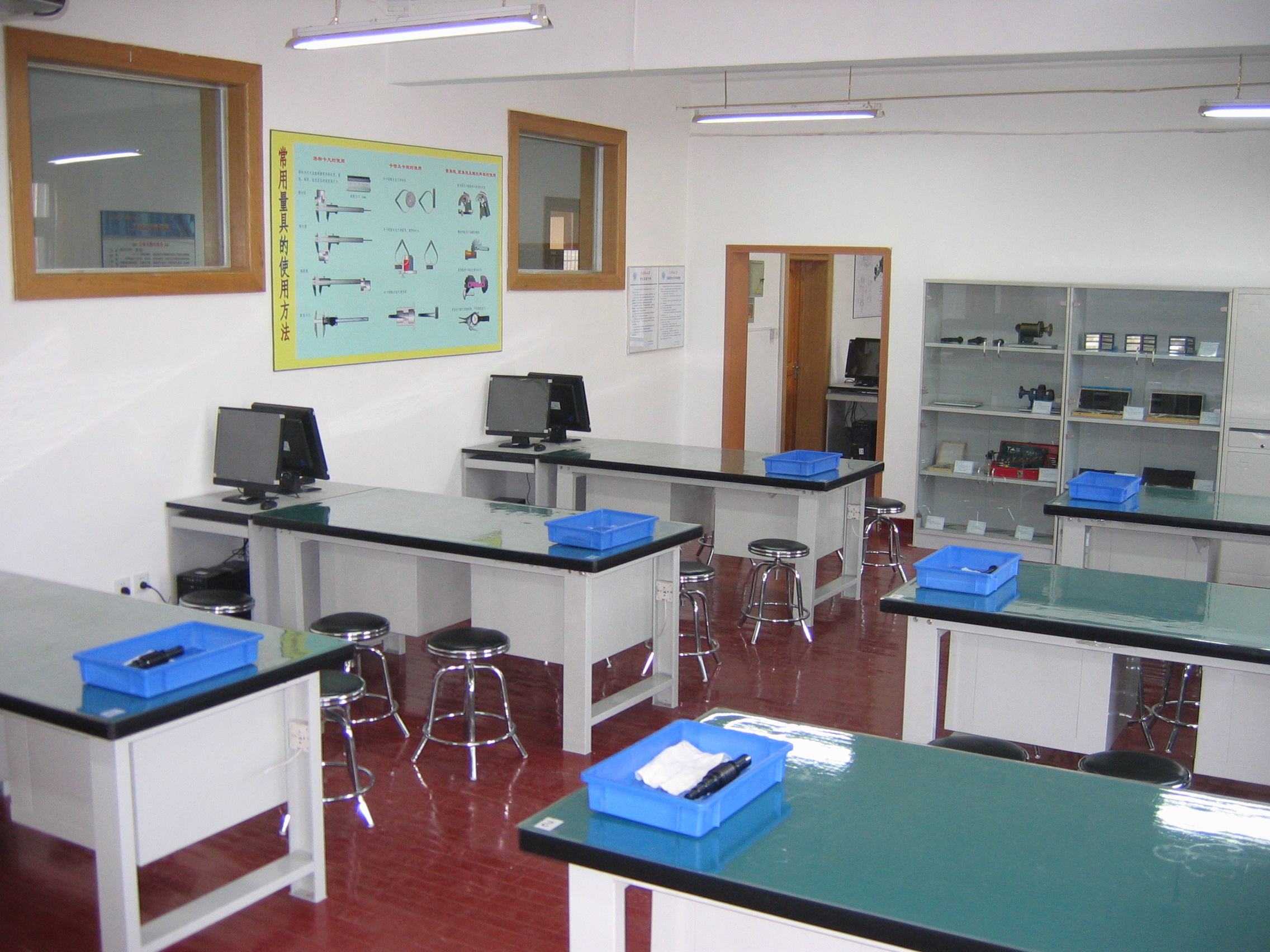
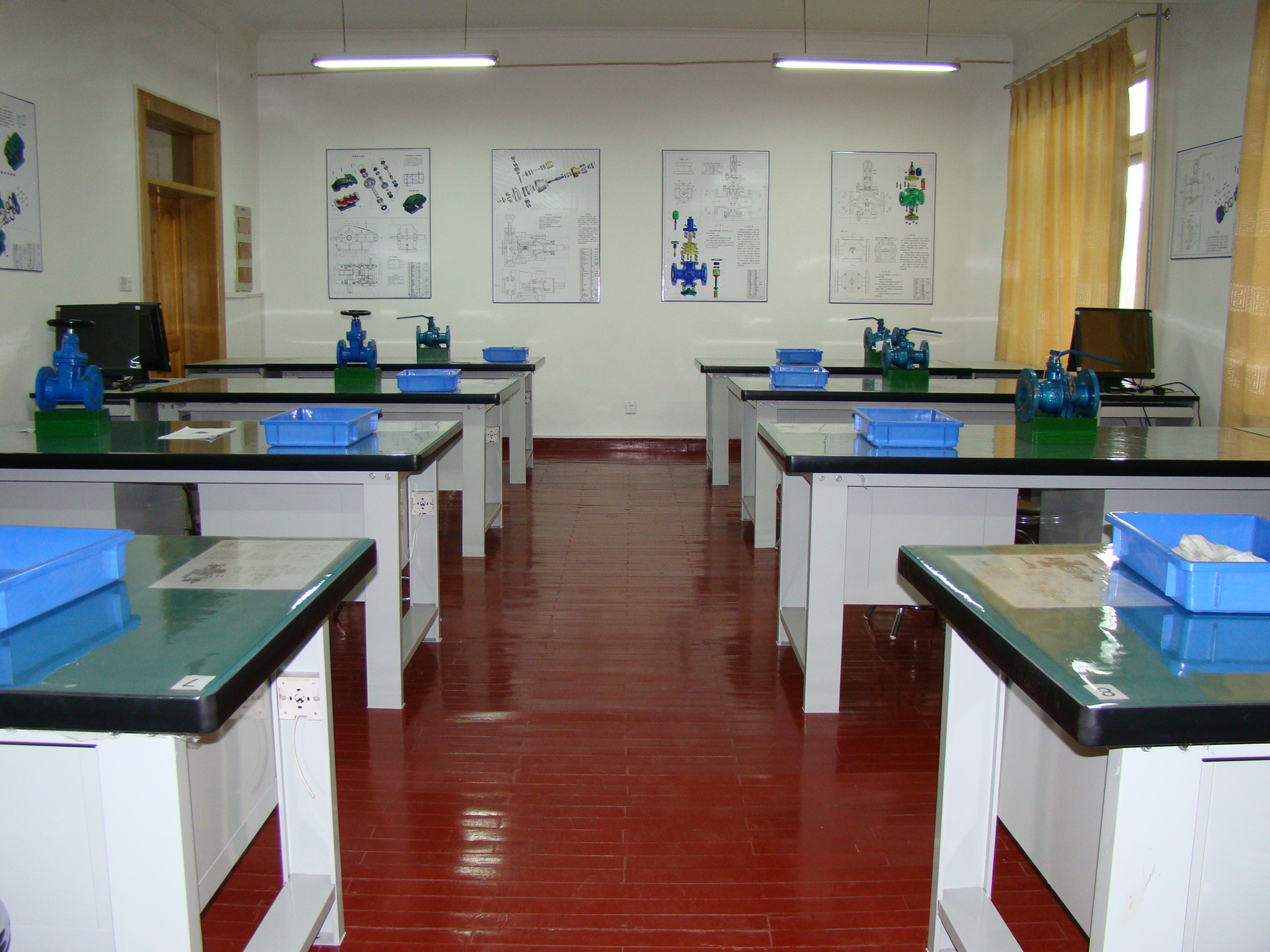
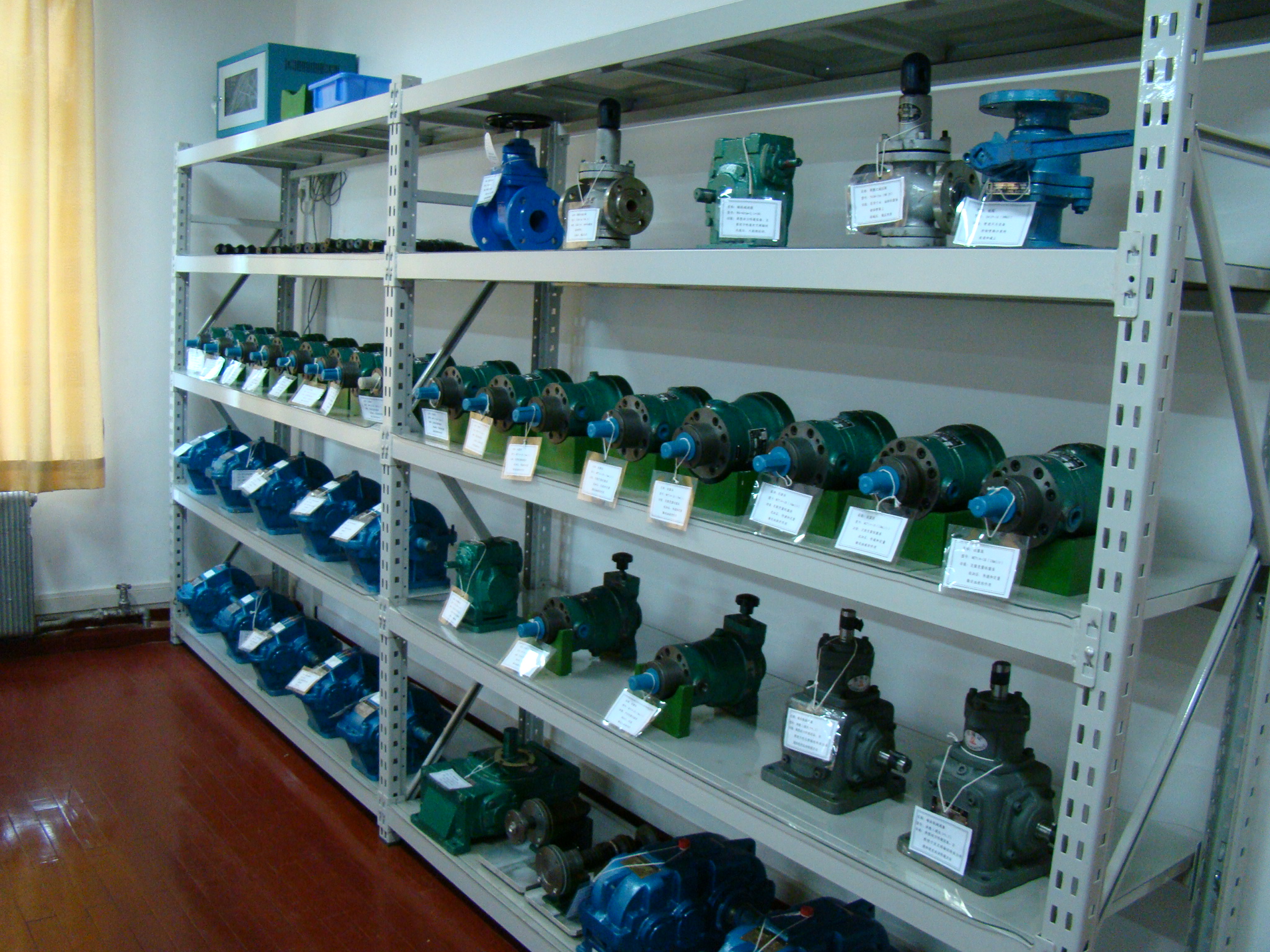
(3)Engineering graphic lab 129 in the building of mechanical school (excellent lab for practice teaching)
It is one of the most important courses which will influence the students future career.