目录

  • 1 绪论(Introduction)
    • 1.1 中式烹调工艺概述(Overview of Chinese cooking technology)
  • 2 锅烹类技法实训(Pot cooking skills training)
    • 2.1 学习目标(Learning objectives)
    • 2.2 锅烹类技法导读(Introduction to pot cooking techniques)
    • 2.3 项目一:滑炒技法(Item 1: Slippery frying technique)
    • 2.4 项目二:爆炒技法(Item 2: Stir fry technique)
    • 2.5 项目三:清炒技法(Item 3: Clear frying technique)
    • 2.6 项目四:生炒技法(Item 4:Raw frying technique)
    • 2.7 项目五:熟炒技法(Item 5:Cooked frying technique)
    • 2.8 项目六:煸炒技法(Item 6:Stir-fry technique)
    • 2.9 项目七:贴制技法(Item 7:Paste technique)
    • 2.10 项目八:煎制技法(Item 8:Decocting technique)
    • 2.11 项目九:盐焗技法(Item 9:Salt baking technique)
    • 2.12 本章小结(Summary of this chapter)
    • 2.13 本章检测题(Test questions in this chapter)
  • 3 油烹类技法实训(Oil cooking skills training)
    • 3.1 学习目标(Learning objectives)
    • 3.2 油烹类技法导读(Introduction to oil cooking techniques)
    • 3.3 项目一:清炸技法(Item 1:Blasting technique)
    • 3.4 项目二:干炸技法(Item 2:Dry frying technique)
    • 3.5 项目三:纸包炸技法(Item 3:Paper fried technique)
    • 3.6 项目四:卷炸技法(Item 4:Roll blasting technique)
    • 3.7 项目五:碎屑料炸技法(Item 5:Chip blasting technique)
    • 3.8 项目六:泡油炒技法(Item 6:Oil soaking frying technique)
    • 3.9 项目七:红烧技法(Item 7:Braised technique)
    • 3.10 项目八:红扣技法(Item 8:Red button technique)
    • 3.11 项目九:脆熘技法(Item 9:Crispy frying technique)
    • 3.12 本章小结(Summary of this chapter)
    • 3.13 本章检测题(Test questions in this chapter)
  • 4 水烹类技法实训(Practical training of water cooking techniques)
    • 4.1 学习目标(Learning objectives)
    • 4.2 水烹类技法导读(Introduction to water cooking techniques)
    • 4.3 项目一:煮制技法(Item 1:Boiling technique)
    • 4.4 项目二:浸制技法(Item 2:Soaking technique)
    • 4.5 项目三:灼制技法(Item 3:Poaching technique)
    • 4.6 项目四:烩制技法(Item 4:Decocting technique)
    • 4.7 项目五:煲制技法(Item 5:Stewing technique)
    • 4.8 项目六:煨制技法(Item 6:Simmering technique)
    • 4.9 项目七:焖制技法(Item 7:Braiseing technique )
    • 4.10 本章小结(Summary of this chapter)
    • 4.11 本章检测题(Test questions in this chapter)
  • 5 汽烹类技法实训(Steam cooking skills training)
    • 5.1 学习目标(Learning objectives)
    • 5.2 汽烹类技法导读(Introduction to steam cooking techniques)
    • 5.3 项目一:清蒸技法(Item 1:Steaming technique)
    • 5.4 项目二:干蒸技法(Item 2:Dry steaming technique)
    • 5.5 项目三:粉蒸技法(Item 3:Dteaming with flour technique)
    • 5.6 项目四:蒸扣技法(Item 4:Bowl steaming technique)
    • 5.7 项目五:蒸瓤技法(Item 5:Stuffing steaming technique)
    • 5.8 项目六:蒸炖技法(Item 6:Steaming and Stewing technique)
    • 5.9 本章小结(Summary of this chapter)
    • 5.10 本章检测题(Test questions in this chapter)
  • 6 辐射类技法实训(Training of Radiation Cooking Techniques)
    • 6.1 学习目标(Learning objectives)
    • 6.2 辐射类技法导读(Introduction to Radiation Cooking Techniques)
    • 6.3 项目一:明炉烤技法(Item 1:Open-oven roasting technique)
    • 6.4 项目二:暗炉烤技法(Item 2:Closed-oven roasting technique)
    • 6.5 项目三:泥烤技法(Item 3:Mud roasting technique)
    • 6.6 项目四:烘烤技法(Item 4:Baking roasting technique)
    • 6.7 本章小结(Summary of this chapter)
    • 6.8 本章检测题(Test questions in this chapter)
  • 7 特殊类技法实训(Training of Special Cooking Techniques)
    • 7.1 学习目标(Learning objectives)
    • 7.2 特殊类技法导读(Introduction to special techniques Techniques)
    • 7.3 项目一:凉拌技法(Item 1:Cold mixing technique)
    • 7.4 项目二:制冻技法(Item 2:Cold jelly technique)
    • 7.5 项目三:生醉技法(Item 3:live alcohol-saturating technique)
    • 7.6 项目四:熟醉技法(Item 4:Alcohol-cooking technique)
    • 7.7 项目五:拔丝技法(Item 5:Wire drawing technique)
    • 7.8 项目六:制羹技法(Item 6:Thick soup making technique)
    • 7.9 项目七:铁扒技法(Item 7:Grilling technique)
    • 7.10 项目八:熏制技法(Item 8:Smoking technique)
    • 7.11 本章小结(Summary of this chapter)
    • 7.12 本章检测题(Test questions in this chapter)
项目三:清炒技法(Item 3: Clear frying technique)
  • 1 知识储备——清炒...
  • 2 实训示例——清炒...
  • 3 拓展学习资料(&nb...

知识储备——清炒

Knowledge reserve——Clear frying technique

技法介绍/Introduction to techniques

清炒是取用质地新鲜、柔嫩爽脆的烹饪原料(主料单一,无配料),经加工或采用适当的辅助措施,滑油或焯水后,投入有少量底油的炒锅中旺火或中火迅速翻拌,加入调味料成菜的烹饪方法。

Clear frying refers to the cooking method of taking fresh, tender and crisp cooking raw materials (single main material, no ingredients), processing or adopting appropriate auxiliary measures. After lubricating oil or blanching water, it is put into a frying pan with a small amount of bottom oil, quickly stir over high fire or medium fire, and add seasoning to make a dish.

清炒亦称“净炒”可用料头,不加配料;生料不上浆、不滑油、不勾芡,进锅炒至断生熟,成菜咸鲜清爽,食后碟内略有汤汁,才符合清炒法质量要求。其成菜特点是原料自然、色泽鲜明、鲜咸、本味突出、清淡爽口、柔软脆嫩。

Clear frying, also known as "net frying", can be used without ingredients; The raw materials are not starched, greased or thickened. They are fried in the pot until they are cut off and cooked. The finished vegetables are salty, fresh and refreshing. There is a little soup in the dish after eating, which meets the quality requirements of the clear frying method. It is characterized by natural raw materials, bright color, fresh and salty, prominent flavor, light and refreshing, soft and crisp.

技法要求/Technical requirements

1.选用质地脆嫩柔软、鲜味足的动植物原料。原料要加工成细小形状如丝、片、粒或自然形体小的原料,如虾仁、蚝、鲜贝等。蔬菜原料除加工成丝、条、段等形状外也可取用原有自然形体。

1. Choose animal and plant raw materials with crisp, tender, soft and delicious texture. Raw materials should be processed into small shapes, such as silk, slices, grains or raw materials with small natural shape, such as shrimp, oysters, fresh shellfish, etc. In addition to processing vegetable raw materials into silk, strip, segment and other shapes, the original natural shape can also be used.

2.动物性原料上浆后用温油滑至断生或焯水进行初步熟处理,植物性原料可直接加热翻炒或先焯水(加适量油)的初步热处理,以保持蔬菜的鲜艳色泽。

2. After sizing, animal raw materials are smoothed with warm oil until they are cut off or blanched with water for preliminary ripening treatment. Vegetable raw materials can be directly heated and fried or blanched with water (add an appropriate amount of oil) for preliminary heat treatment to maintain the bright color of vegetables.

3.菜肴的翻拌烹调一般要用旺火或中火,注意翻炒时间不可过长,以保持菜肴柔软脆嫩的质感和鲜艳的色泽。

3. The stir cooking of dishes should generally use high fire or medium fire. Note that the stir frying time should not be too long to maintain the soft, crisp texture and bright color of dishes.

4.用淡色或无色的调味料。鮮咸清淡,突出原料本味和鲜美滋,成菜不勾芡。

4. Choose light or colorless seasoning. Fresh, salty and light, highlighting the original taste and delicious taste of raw materials, and the finished dishes are not thickened.

代表菜品/Representative dishes

广西菜“清炒荷兰豆”见图1-3-1“清炒芽苗菜”,广东菜“清炒菜心”“清炒芥蓝”,福建菜“清炒芦笋”,江苏“菜清炒虾仁”,四川菜“清炒儿菜”见图1-3-2,贵州菜“清炒茼蒿”,云南菜“清炒藏红花苗”等。

Guangxi cuisine "stir fried lotus beans" (see figure 1-3-1) "stir fried sprouts", Guangdong cuisine "stir fried cabbage" and "stir fried Mustard", Fujian cuisine "stir fried Asparagus", Jiangsu cuisine "stir fried shrimps", Sichuan cuisine "stir fried vegetables" (see Figure 1-3-2), Guizhou cuisine "stir fried chrysanthemum", Yunnan cuisine "stir fried saffron seedlings", e
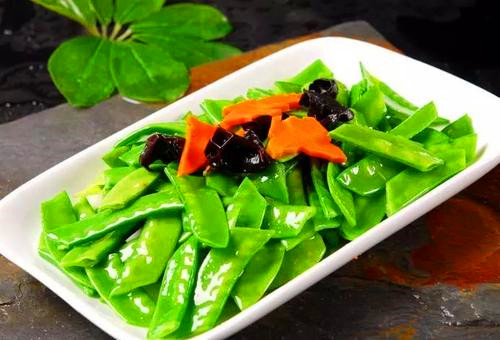
                 图 1-3-1 清炒荷兰豆 Fig. 1-3-1 stir fried lotus beans
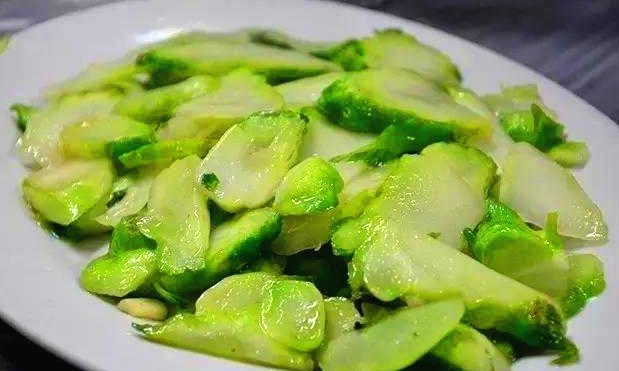
               图 1-3-2 清炒儿菜 Fig. 1-3-2 stir fried baby vegetables