1
商务英语综合实训
1.5.1.1 第一节 知 识 巩 固

第一节 知 识 巩 固

一、翻译下列完整格式的E-mail,讨论分析E-mail的结构的主要特点。

From: Peter Lee(Peterlee@hotmail.com)

To:Lindy Jones(Lindyjones@hotmail.com)

Subject: counter-offer letter

Dear Ms. Jones,

Thank you for your quotation (your ref. No. 9876) of September 1, 2010. We have studied and discussed your quotation in great detail and have decided to place an order with you for one thousand bottles of Valley White Wine if the price per bottle is reduced by $2. All the other terms are acceptable. As regards your new Red Wine, we would like to discuss possible purchase at a later date.

We await your reply in due course.

Regards,

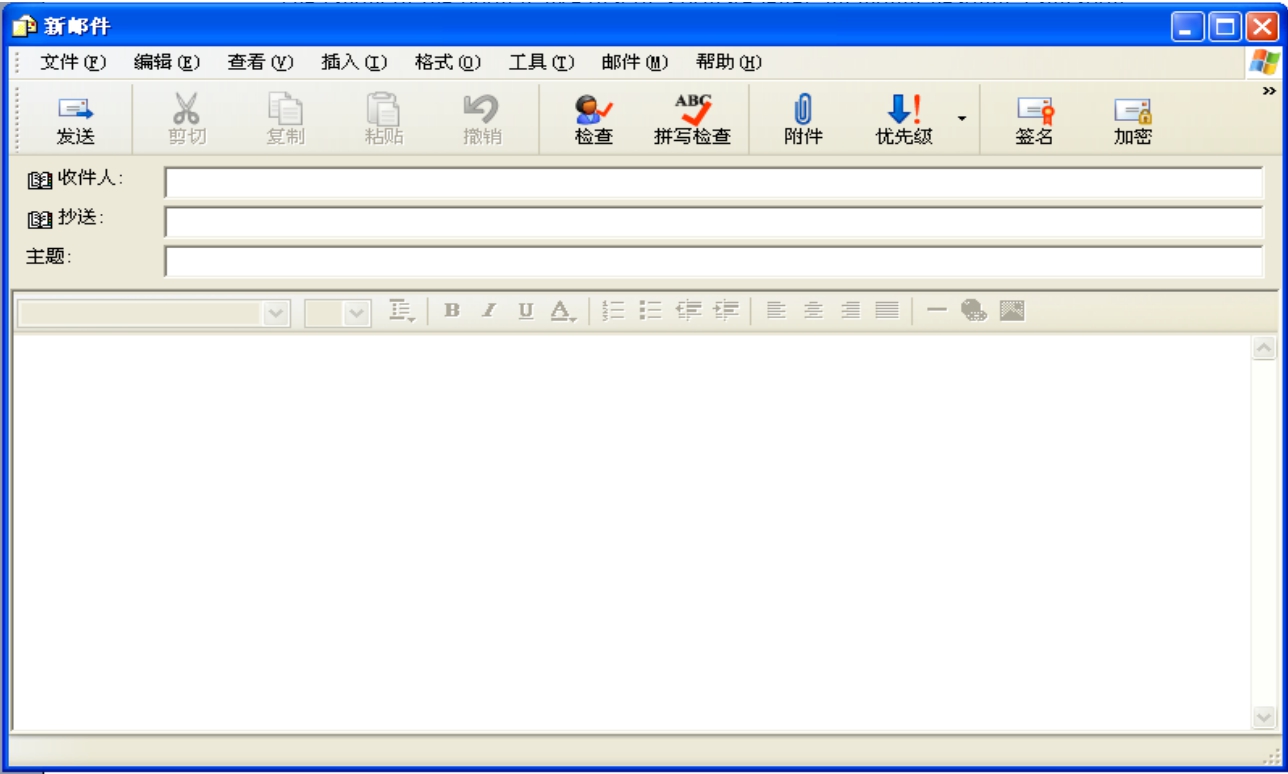
The feature of e-mail

An e-mail is a kind of letter which needs no paper, being sent to others by the Internet. It has some advantages such as arriving in time, being brief and cheap. In general, an e-mail has two big parts.

Heading

The heading includes the following contents: from, to, date, subject, att.(attention)and attachment.

Body

The layout of the body is like that of a private letter, including heading, salutation, body, close and signature. But sometimes it just has the parts of body and salutation, while the parts of close and signature are omitted.

img13

二、为自己申请一个符合职场规范的电子邮箱,了解主题构思、抄送和密送功能

一般来说,职场规范的电子邮箱分成两类:一、有公司注册域名的电邮,如ABC公司的销售经理Tim Shire 可能注册的邮箱为 timshire@abc.com 或者 TS@abc.com 等;

二、公司用大型网络服务商提供的服务器或者企业级电邮,如Gmail, hotmail, msn, yahoo的邮箱等。如上述Tim Shire可能注册为

abc_timshire@gmail.com

timshire_abc@yahoo.com,

TS_abc@hotmail.com 等

E-mail 的主题写法多种多样,不同的信函有不同的写法,总的要求是核心内容或重点内容有能瞬间吸引人注意力的字眼。在交易的初级阶段、多方询价或报盘时,特别要注意主题句的写法,否则很容易被当成垃圾邮件或直接被收信人删除。下面引述Kern Lewis在《福布斯》上的撰文,讲述写主题句的一些要点。

The use of e-mails is increasing in the business community. However, very few of us know how to write a compelling e-mail that grabs the reader’s attention and compels them to act upon the message. For an e-mail to be effective, it must be brief, focused and compelling. This begins with the subject line. In an article for Forbes, Kern Lewis teaches entrepreneurs how to write a compelling e-mail.

Lewis advises that we should begin with the subject line first. Often, the subject line is something we just make up without much thought. However, writing the subject line first will set the tone of your e-mail and keep you from straying from your point.

For mass e-mails, customize the subject line if possible to make it more meaningful to recipients. This may take more work on your part (multiple e-mails rather than one mass e-mail); however, it will cause your e-mail to be noticed more if it is customized to the receiver.

Make your subject line “pop” out of the screen and grab the receiver’s attention. If you are offering something, put it in the subject line, use a deadline or otherwise entice the receiver to open and read the rest of the e-mail. However, do not put anything false in the subject line because this will only frustrate the reader when they realize it was nothing more than a trick.

Send the e-mail to yourself first to see how the subject line will appear in the receiver’s Inbox. Is the line too long, does it convey the e-mail’s subject clearly, does it make you want to open the e-mail, etc. By testing the e-mail on yourself, you have the opportunity to see how the subject line will look when your recipients check their Inbox. You need your subject line to“click” with the receiver to make them open the e-mail.

I am forever running the spell check on my e-mails for fear of sending an e-mail with spelling mistakes. However, until I read Lewis’ article, I never thought of running the spellcheck on my subject line. If your spell checker does not automatically spell check the subject line, run the subject line through the spell checker in your word processor. Misspellings in the subject line are one of the things that will get your e-mail dumped into a spam folder.

Check your e-mail service for feedback on which e-mails you send are opened and which ones are deleted without being read. This will provide you guidance on which subject lines are grabbing more attention with your recipients. With some research, you can begin to see patterns that work and mistakes to avoid when writing e-mail subject lines.

Source: Lewis, Kern. “How to Write a Compelling E-Mail Subject Line” (Forbes.com 9/24/2010)

邮件的抄送和密送功能主要针对收信对象超过一位当事人时。如外方的采购小组有两位成员,可以在电邮的收件人处填写其中一位采购人员的电邮地址,抄送处填写另一位的邮件地址。如果不希望收件人知道你将邮件抄送给其他人时,可以使用密送。