PICTURESQUE DULAN: ITS MOUNTAINS, RIVERS AND LAKES
Dulan County is endowed with an abundance of natural touristic attraction. Geographical events generated peculiar landscapes with great beauty. It has attracted and enthralled visitors, and touched them with the magic of its mysteries.
Most of places of interest in Dulan are located in the mountain and desert areas. Kunlun Mountain lies along the southern part of the county, extending 300 kilometres in the territory of Dulan. Ala Lake situated at the mountaintop, with an altitude of 4500 metres. Besieged by snow-covered peaks, the lake is just like a pearl on the crown. Vast desert lies in the north-western territory of the county. This desert has variety of different landforms; parts have sand-dunes, while Yardang and Gobi also make up a large part of this desert. In the dry desert sites where other plants cannot survive Sea-buckthorn, branchy tamarisk and haloxylon ammodendron are the most widespread species. More interestingly, desert mirage can always be seen in this area.
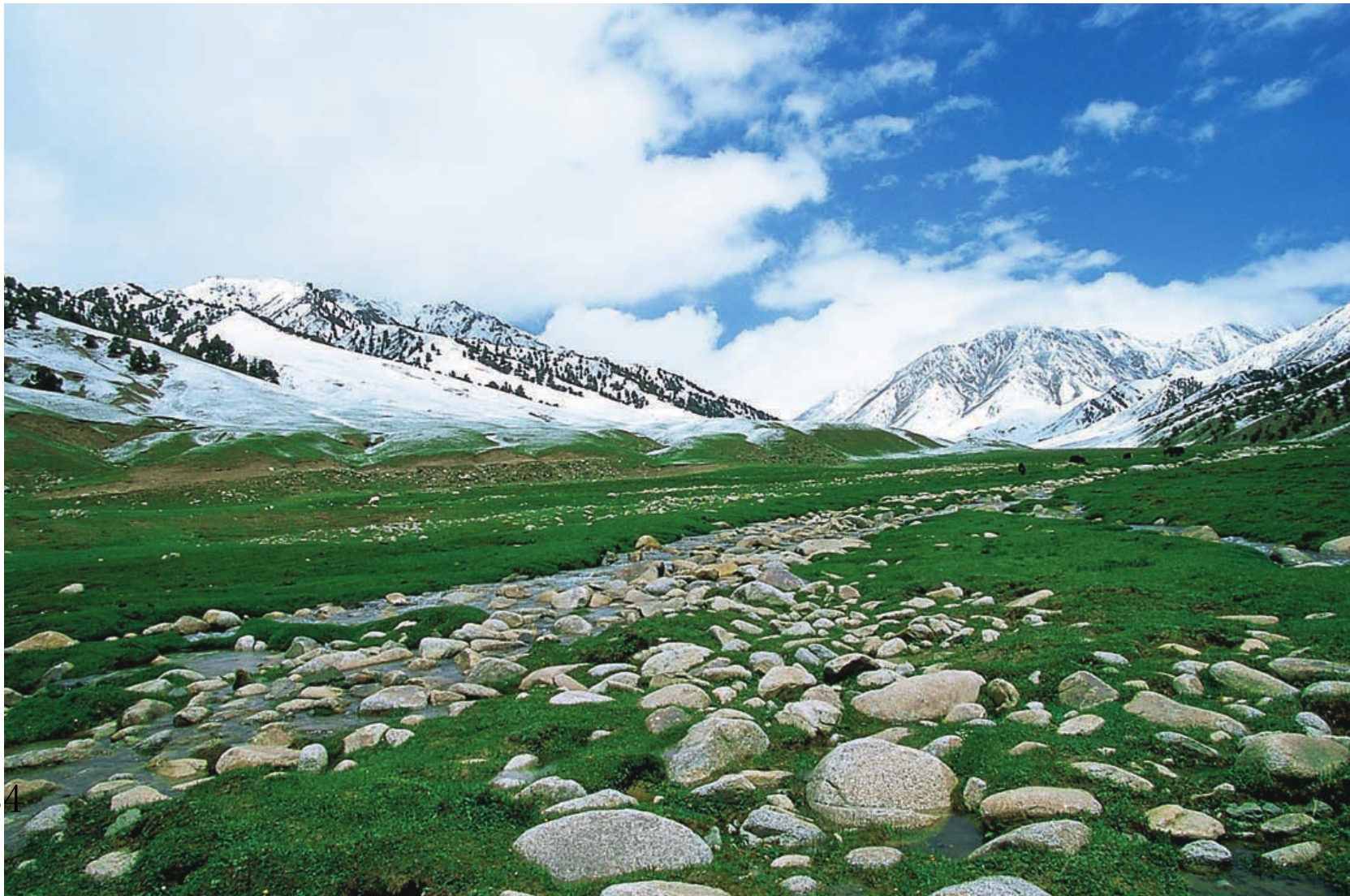
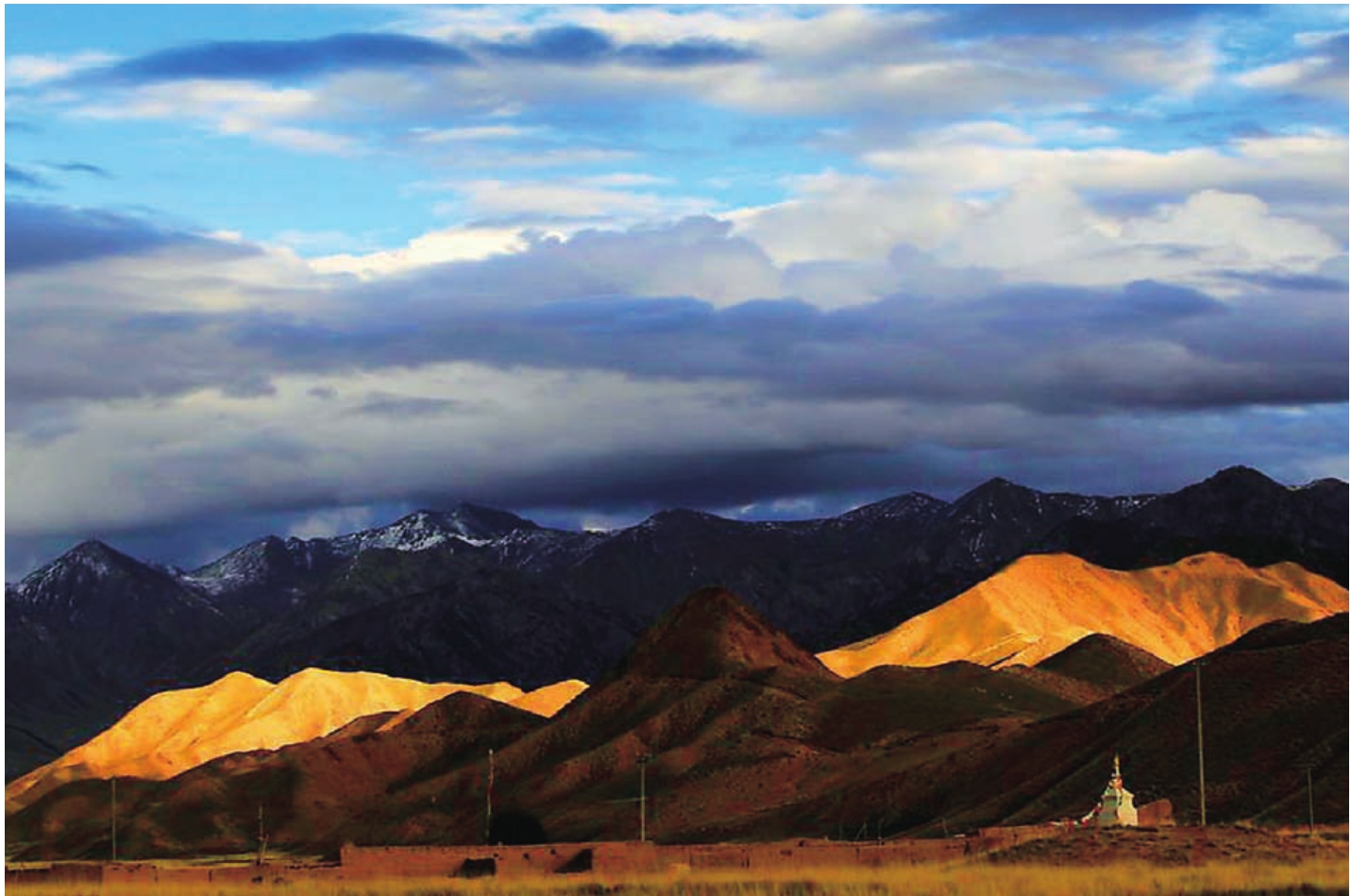
The scenic quality of Dulan's widely varying landscape is superb and enticing, offering from the ranges of gleaming mountains with glacier-capped peaks to the gobi desert dunes, from lush ranchland to the sapphire-like lakes of vast area, all these have created a land of marvel, mystery and diversity.
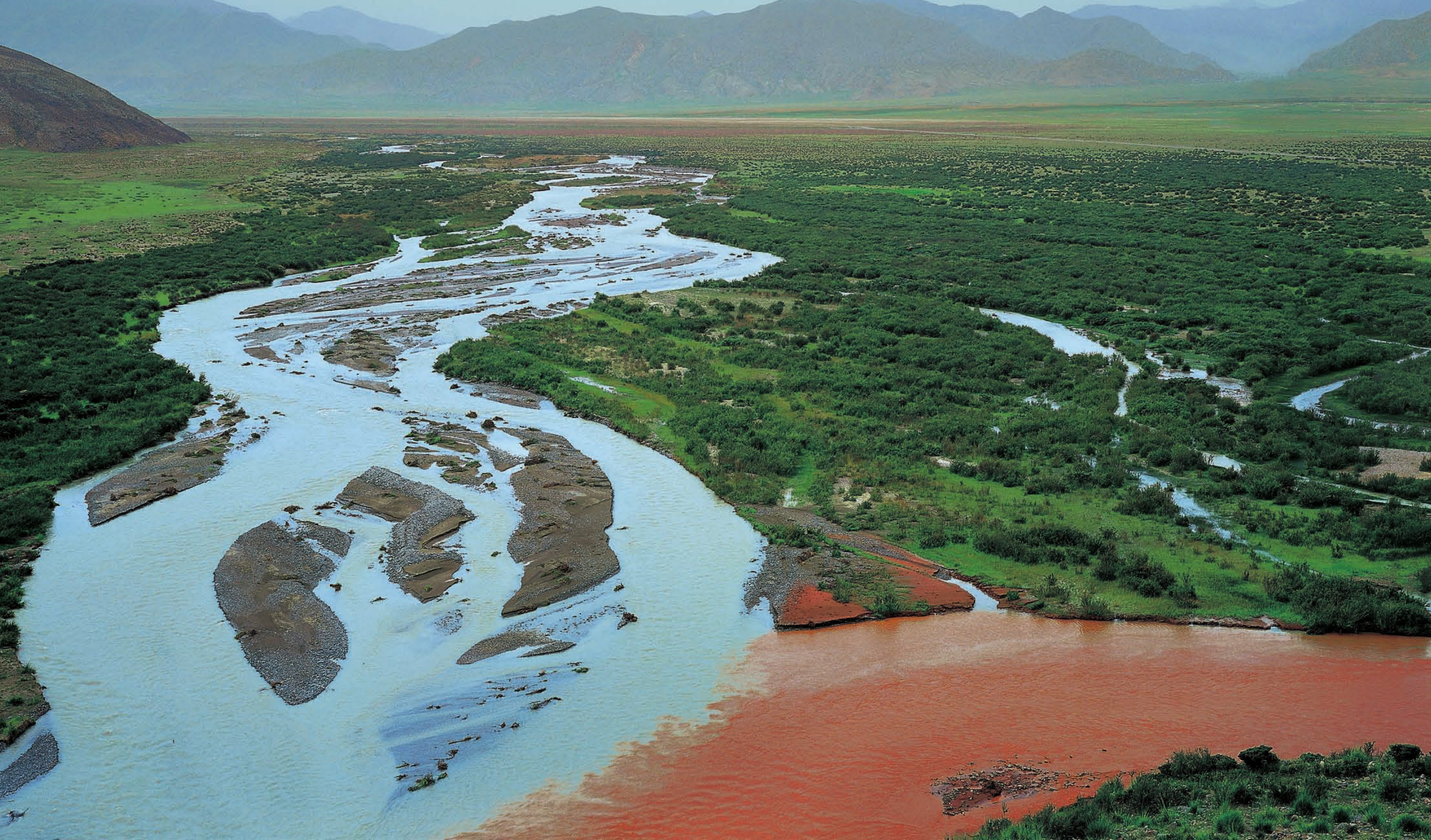
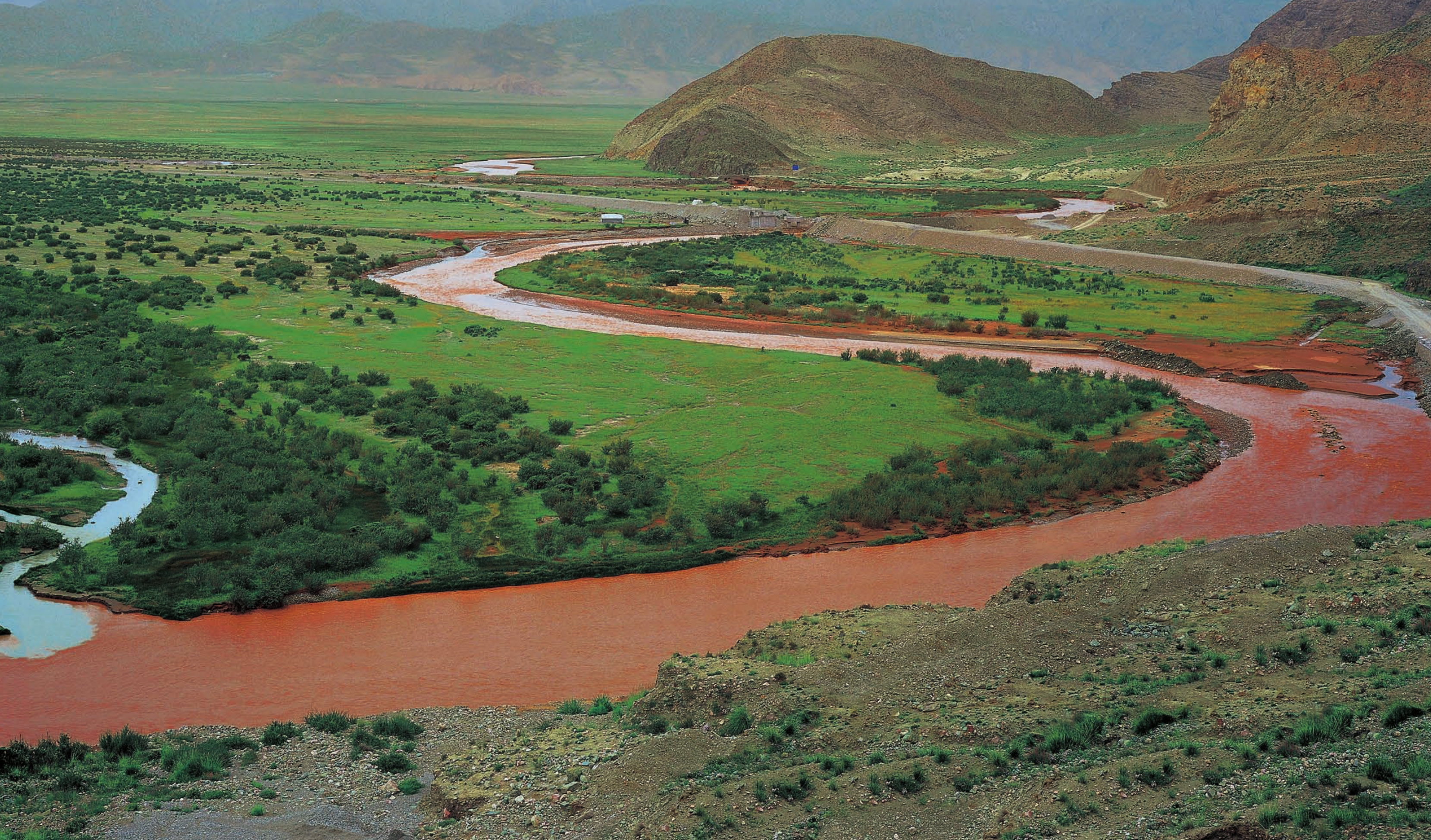
Sceneries along Qaidam Riverbank: Qaidam River, county’s largest, takes its source from the Black sea. After Stretching for more than 220 kilometres through the county, the river runs all the way into Huoluxun Lake — the lowest point of Qaidam Basin. Qaidam River broadens and current slows down at Xiangjia Town, where Qaidam River meets Hongshui River. At here, Indigo-blue water from Qaidam River and red water from Hongshui River flow into each other, along with forest-clad mountains towering on both sides of the river, the scene is quite enchanting. Water in the river flows into the irrigational systems at Xiangride, and nurtures one of the earliest oasis agricultural systems in Qaidam Basin, while the famous ancient temple of Xiangride is just situated among these oases. Qaidam River splits into several distributaries when it flows through Barlong and Zongjia Grassland. These distributaries moistened the vast pastureland of Dulan.
Vast Forest of Wolfberry: One of the most visited locations of enterprisers, scholars and tourists. The wolfberry forest covers a total area of 120000 acres. Being the barren desert in the past, the region is now Qinghai’s largest production base of commercial wolfberry. In summer, thousands of red wolfberry flowers bloom altogether, decorating the vast forest. While in autumn, all the trees are laden with sard-like fruits, the scene of a good harvest is in sight.
Wildlife of Dulan: The mountain and desert areas of Dulan are gloriously rich in its amazing variety of wildlife. These ecoregions are homes to most Qingzang Plateau species, which cannot be found anywhere else in China, from teeming birds to majestic wild yak herds, all these marvellous wildlife species make Dulan a veritable animal lover's paradise.
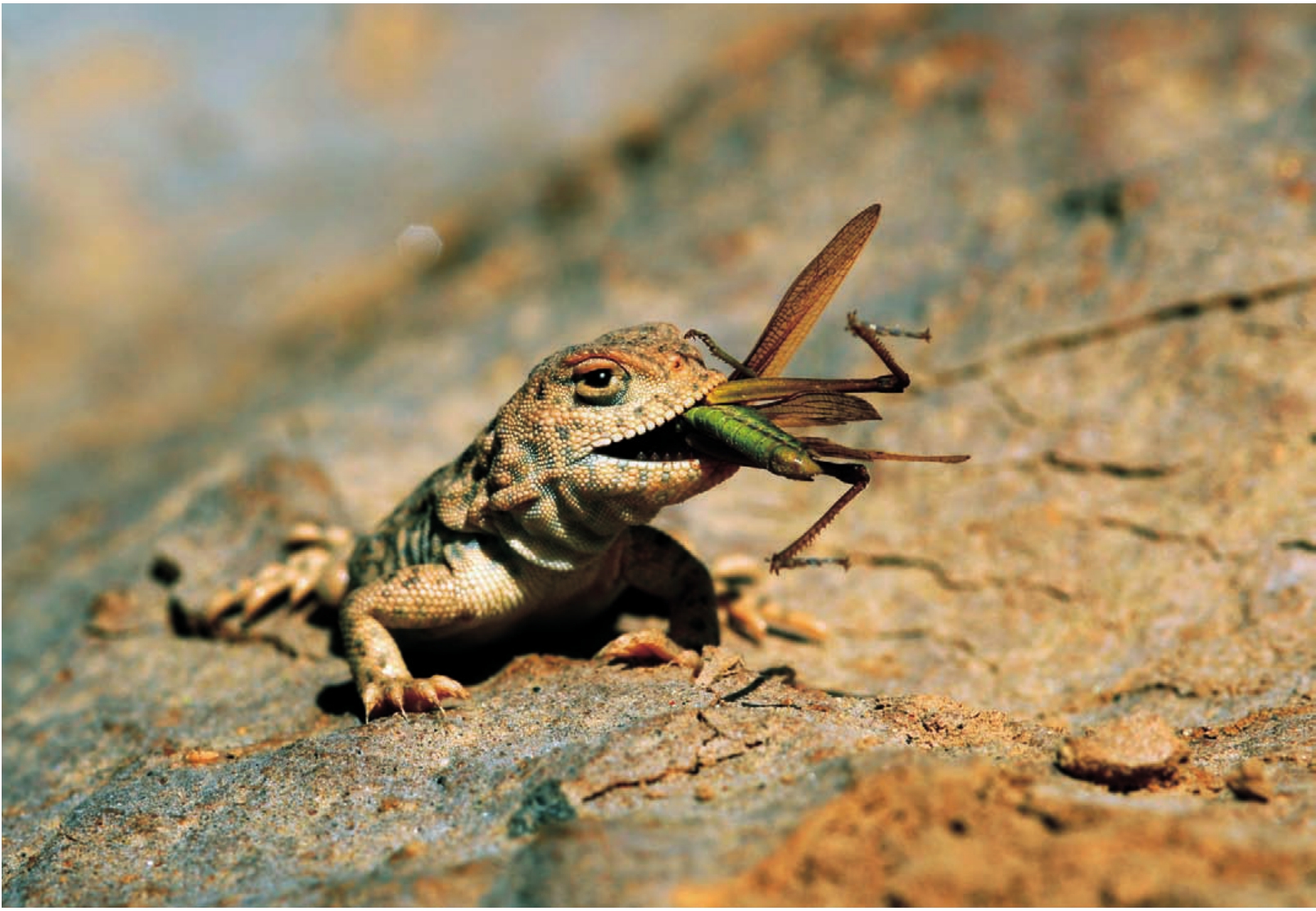
Most Qingzang Plateau species can be found in the territory of Dulan County, 57 species of these wildlife are described in mammalian family, 107 species are described in aves family, and 3 species are described in reptilian family. For the rare animals which can only be found on Qingzang Plateau, there are wild yak, snow leopard, Asiatic wild onager, Tibetan antelope, argali sheep, white-lipped deer, red deer, alpine musk deer, lynx, Chinese mountain cat, and Eurasian otter. Common wildlife species include bharal, Mongolian gazelle, Tibetan wolf, cosac fox, red fox, marmot, weasel, and rabbit. For rare birds, there are whooper swan, mute swan, black-necked crane, Eurasian crane, Tibetan snowcock. Mongolian lark, oriental skylark, chukar partridge, sandgrouse, blood pheasant, partridge, hill pigeon fall into the category of common birds. Raptors found include cinerous vulture, bearded vulture, eastern imperial eagle, steppe eagle, band-tailed fish-eagle.
The ecoregions of Dulan are also good spots to observe interesting animal behaviours. For instance, vultures feed mainly on the carrion of large-sized animals, and they forage in groups to take advantage of group feeding. Every vulture community has a leader which is much larger in size, whenever prey items are obtained, the leader must be the first to enjoy them, and then other vultures in the community can take their shares. Male individuals of argali sheep, bharal and Mongolian gazelle flocks often take the responsibility of ruling and guarding the flocks. No matter what other group members are doing, these male individuals always vigilantly and watch for the predators. Asiatic wild onagers form large packs when migrate. Male individuals usually guard the flanks of the herd, while female and young onagers are protected in the centre. When being attacked, the whole herd of onagers will surge forward desperately; the speed cannot even be matched by some most fast-running predators. Foxes love their young and care for them. To feed the young foxes, the parents will even search for food for all day long. When the young foxes grow up a little, their parents will teach them surviving skill patiently. Red deer are usually considered as docile and timid animals, however, when their infants are threatened; the parents will fight the attackers without the least hesitation.
Ancestors of Mongols and Tibetans showed their affection for animals in the glorification of animal deities. It is told in the Tibetan ancient rhymes: At the beginning, everything is in chaos; it was a giant bird that broke the chaos and separated the earth from the sky. In another rhyme, it was told, after the divine animal, yak was sacrificed, its head turned into the mountains, its hide turned into earth, its intestines turned into paths.
Wildlife in Dulan is a rich heritage endowed by nature; moreover, the human-animal bond is a mutually beneficial and dynamic relationship between people and animals that is influenced by behaviours that are essential to the health and well-being of both. To maintain such valuable heritage and harmonious relationship, the county government works towards protecting, researching and reintroducing species into the surrounding area thus preserving the rich environmental heritage.
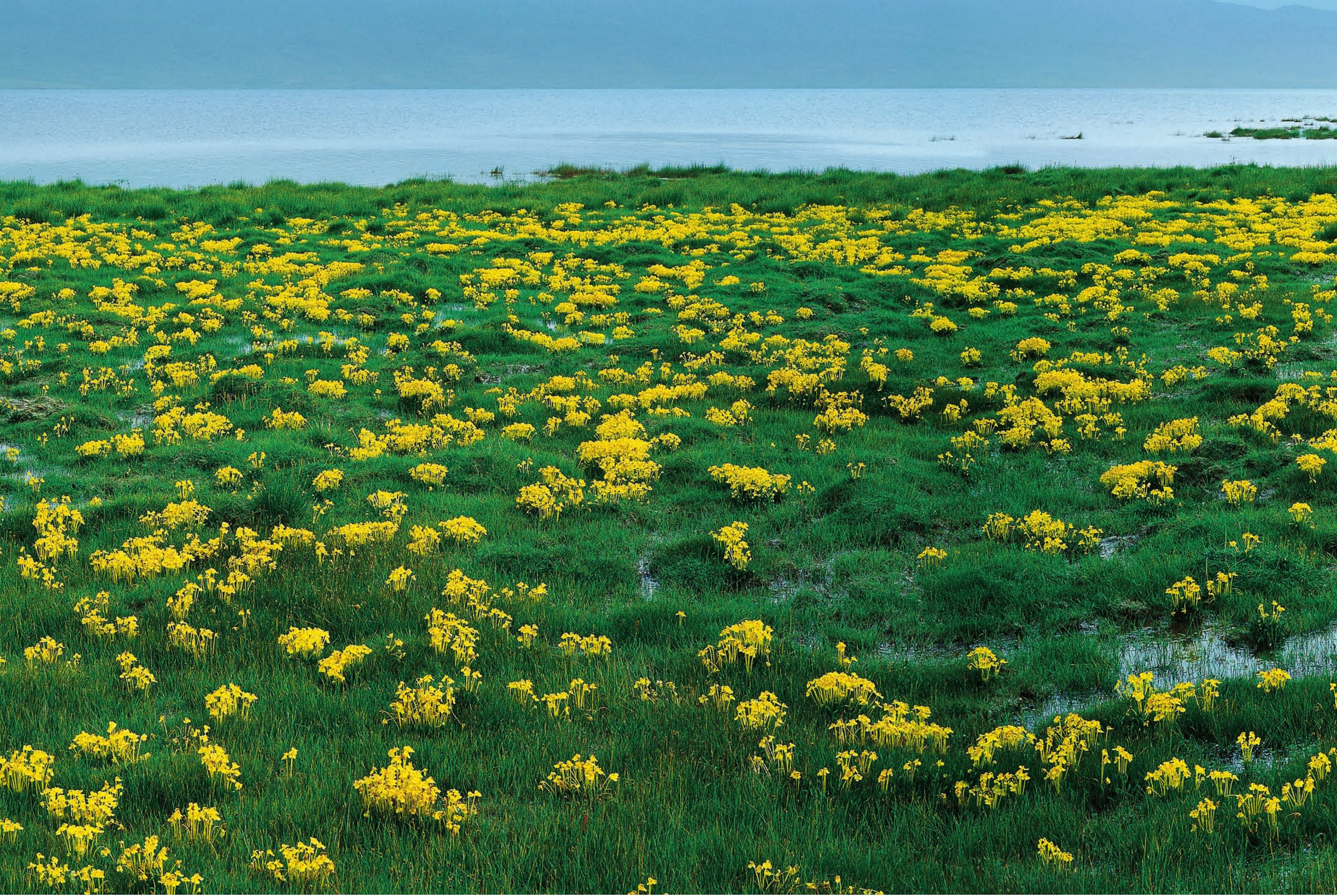
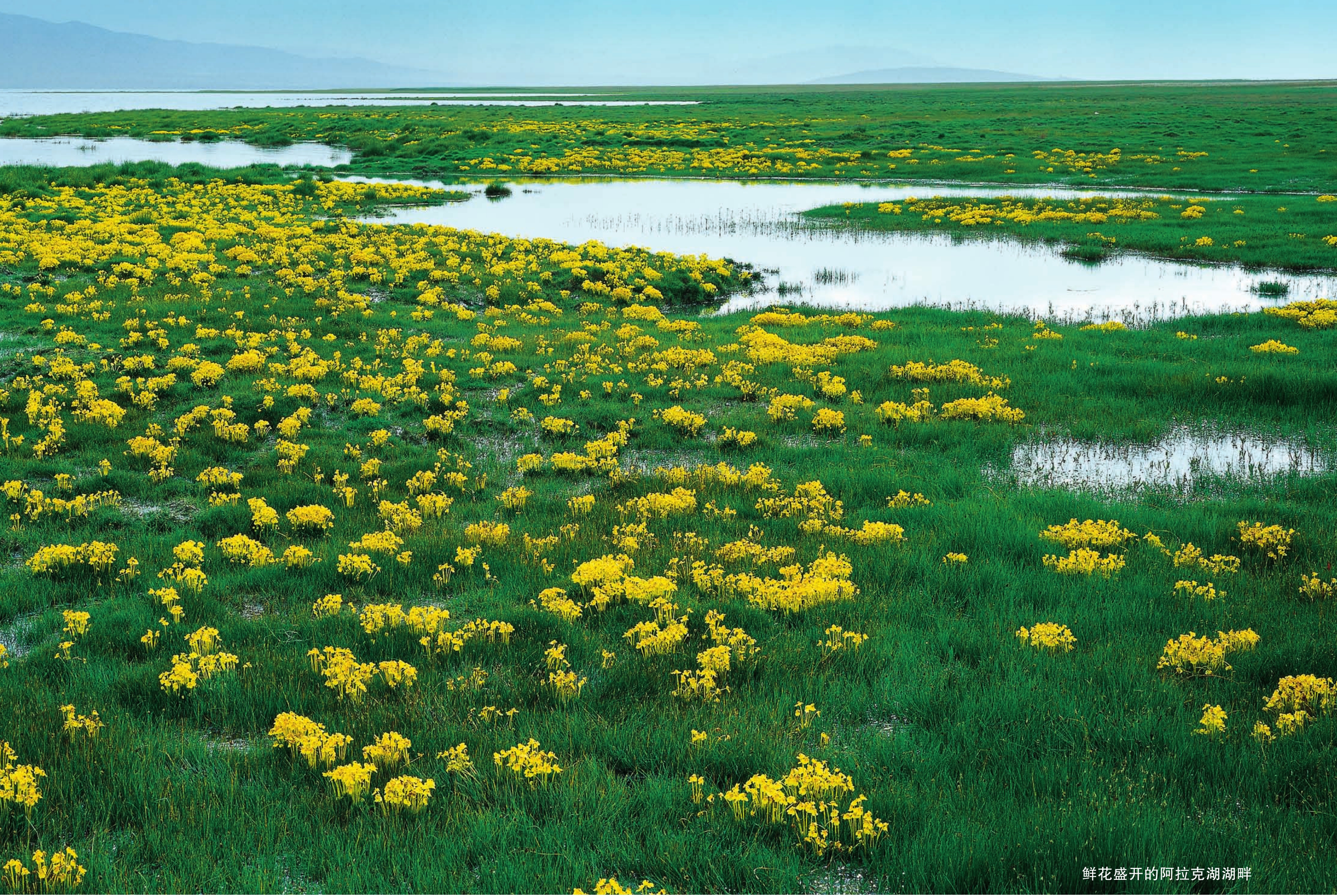
鲜花盛开的阿拉克湖湖畔
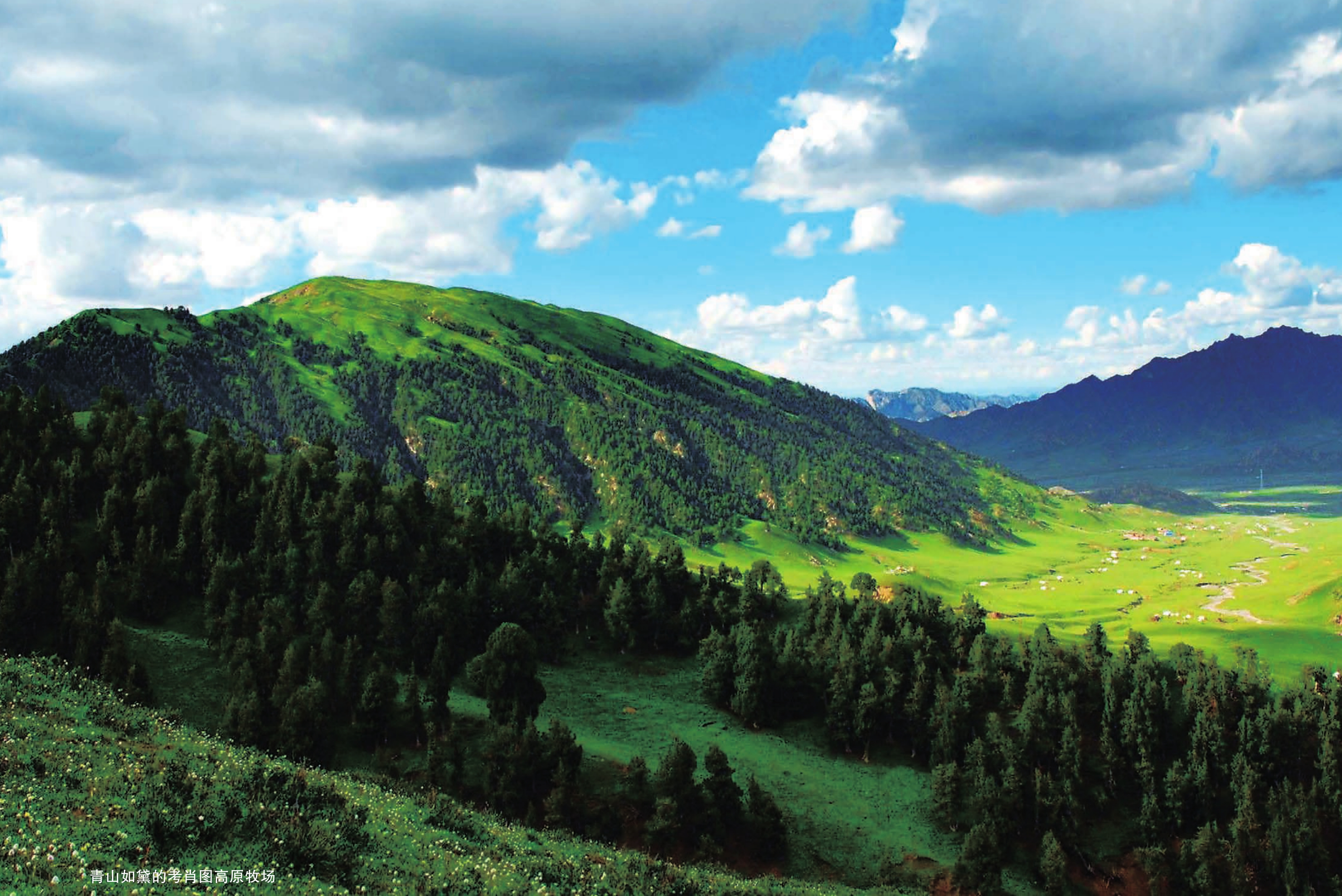
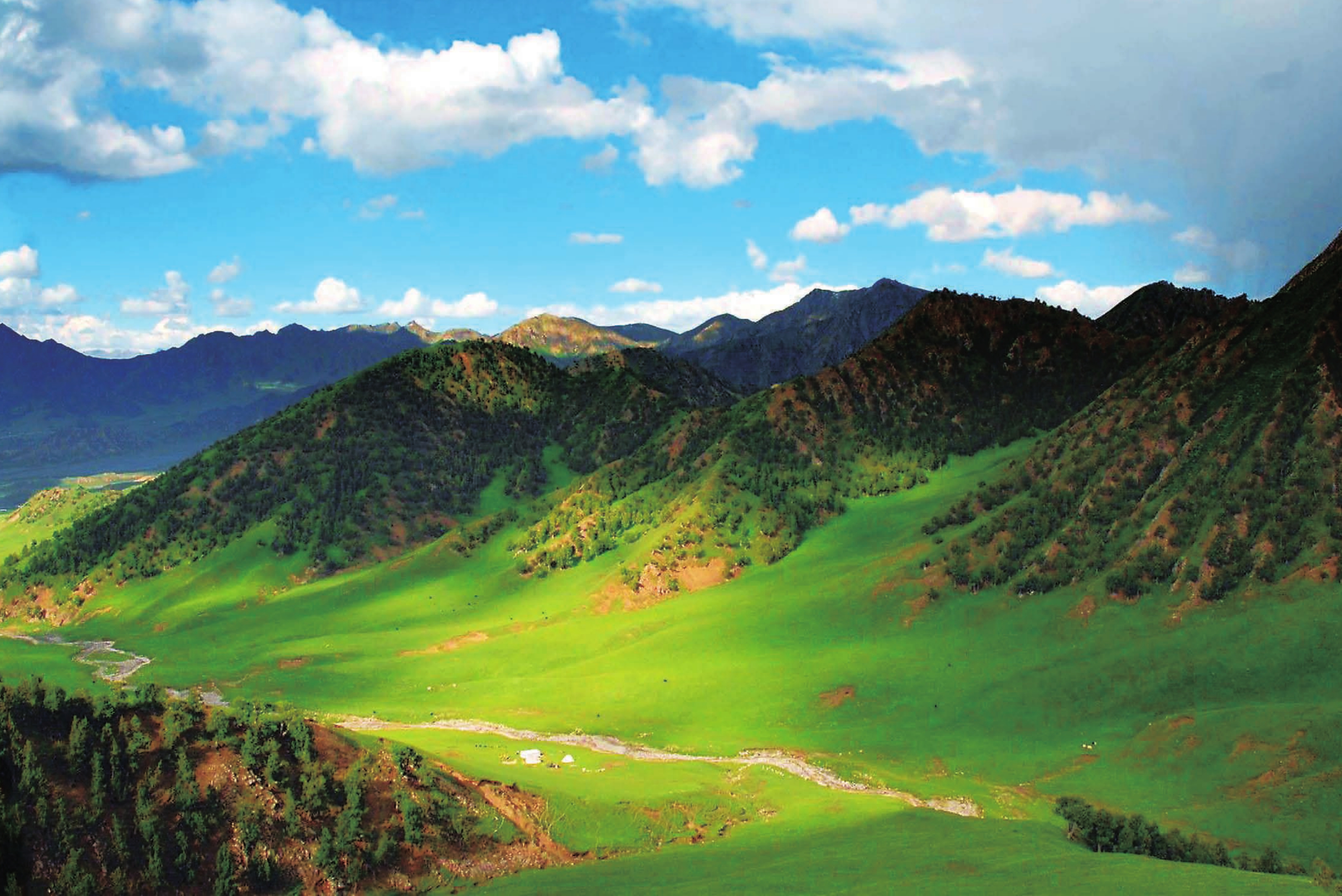
青山如黛的考肖图高原牧场
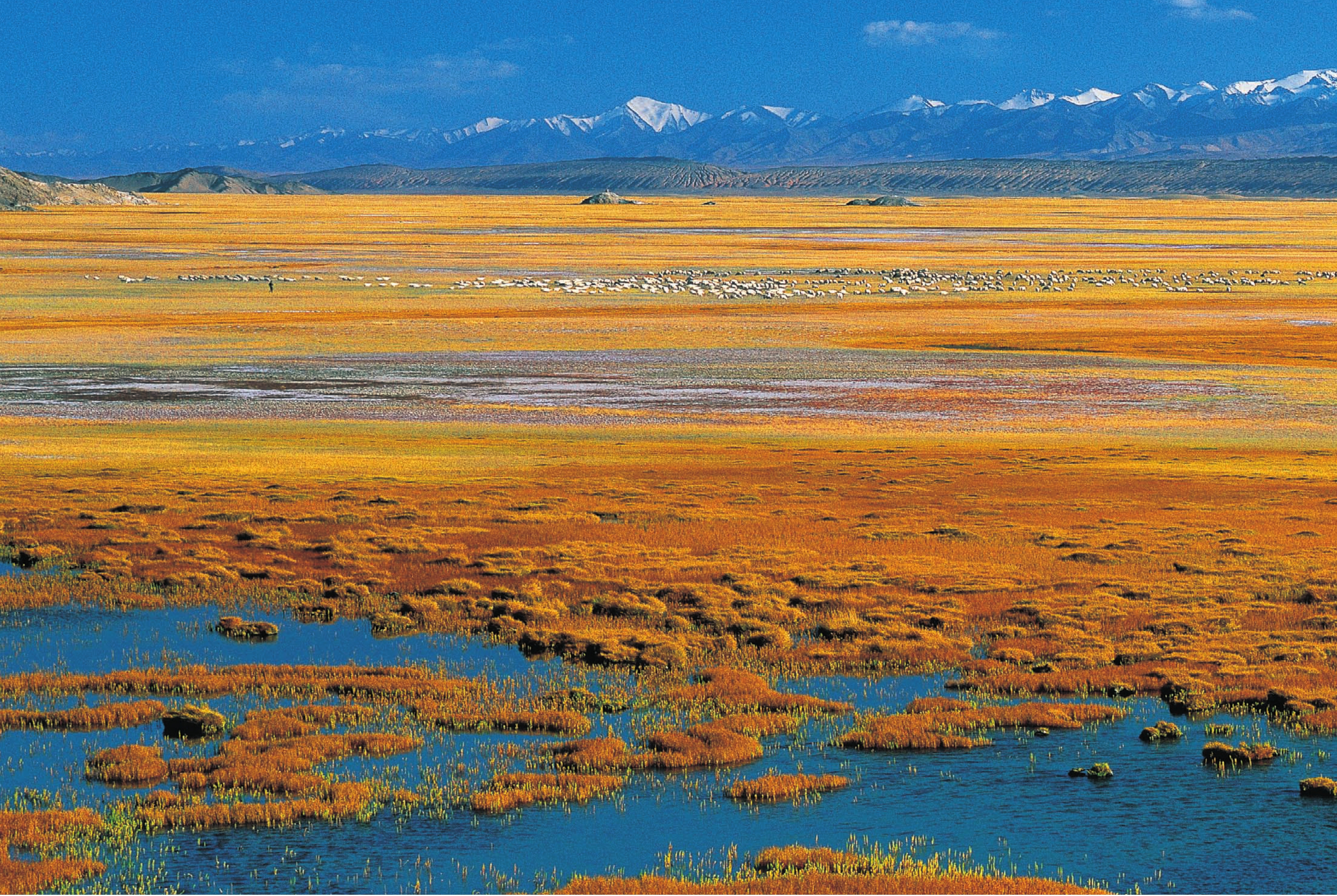

遍野金黄的八宝草原
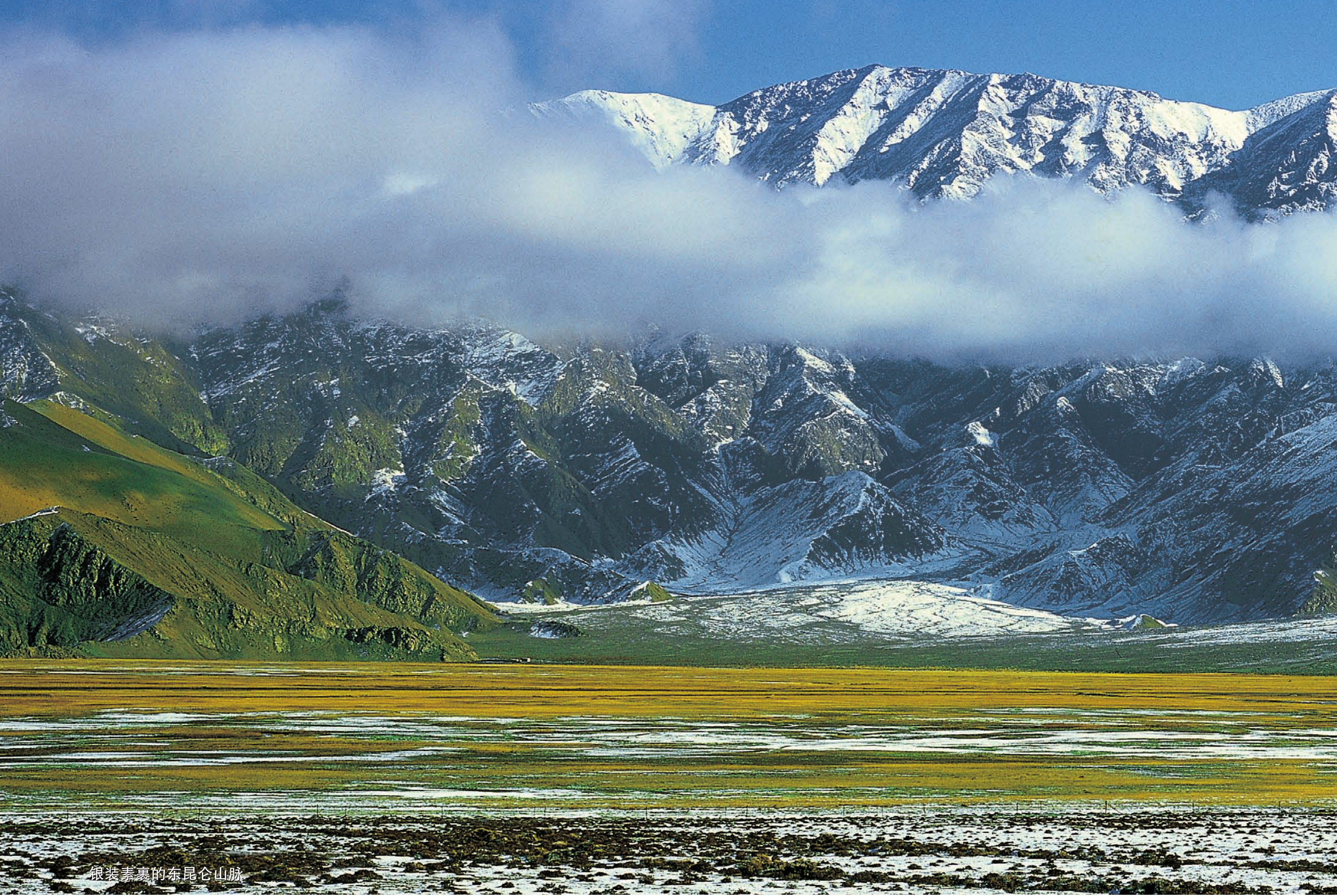
银装素裹的东昆仑山脉
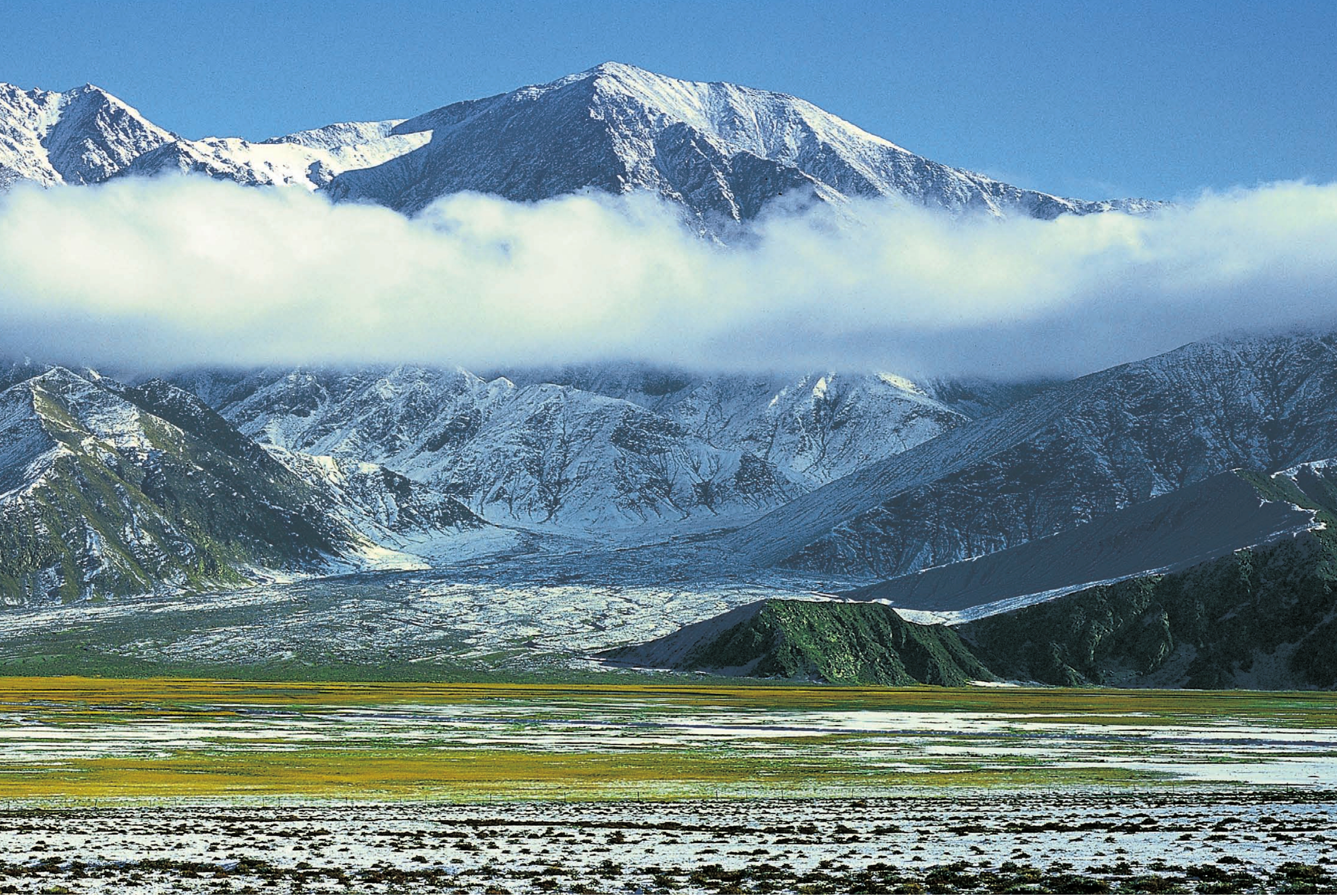
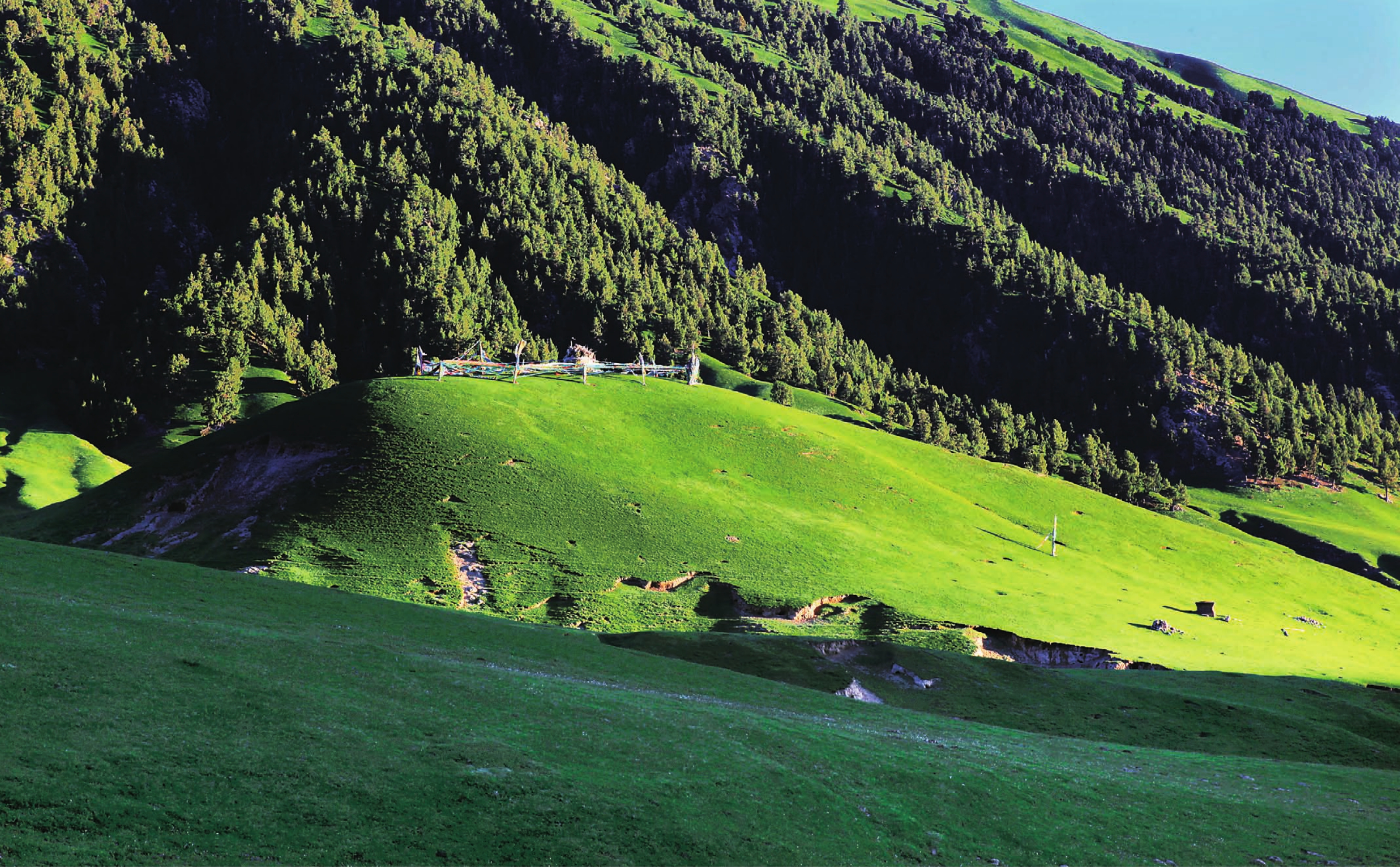
繁茂的森林草场
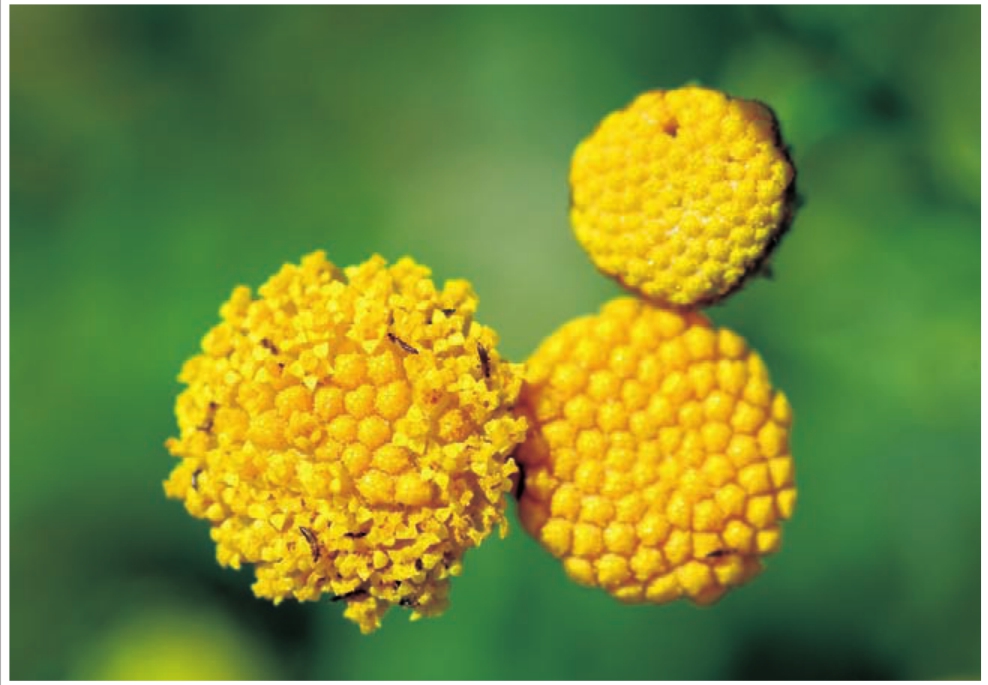
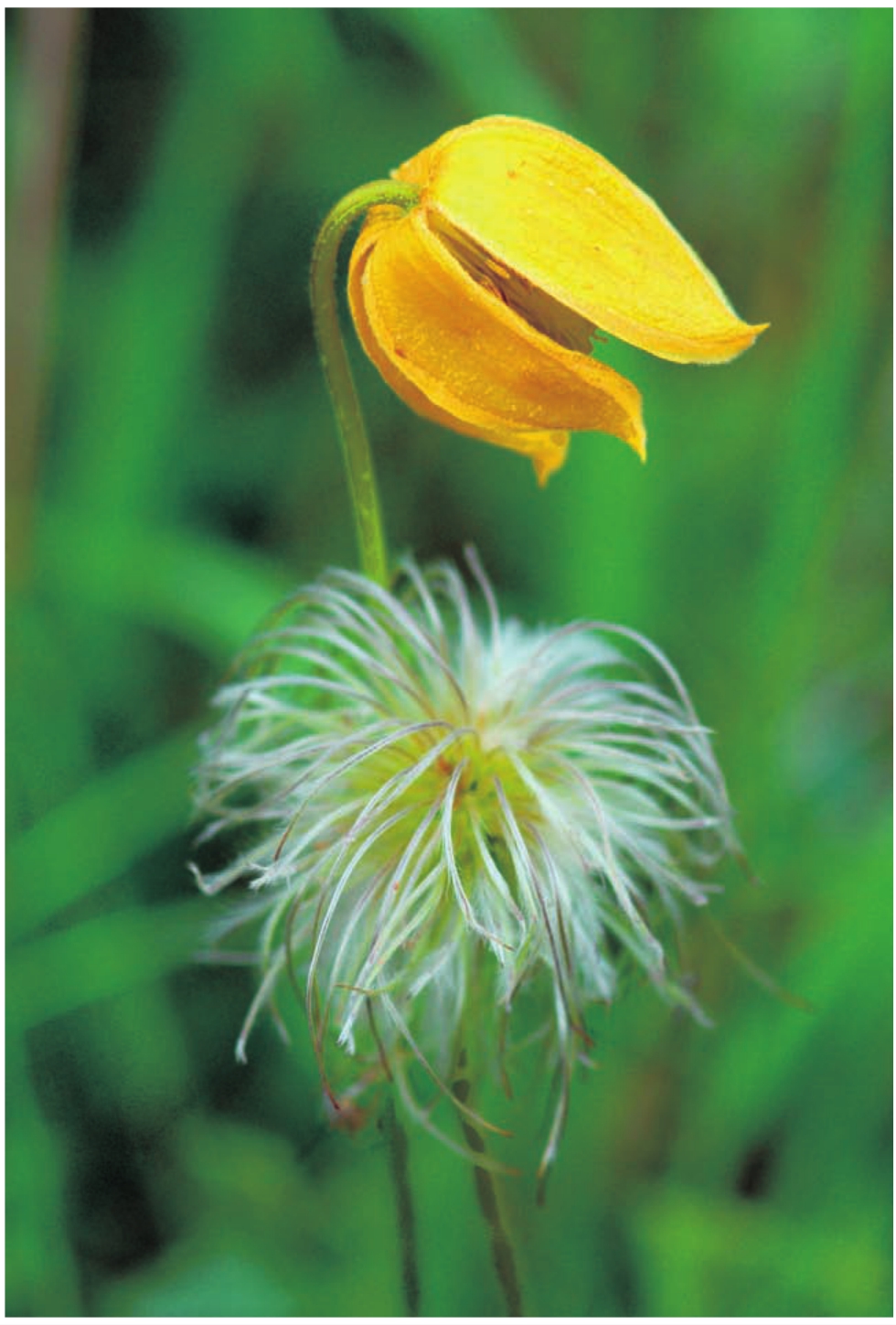
都兰草原夏季无暑,清新宜人。斑斓的野花,有的灿若金星,有的纤若红簪。四季花色各异,早晚浓淡分明。山坡上古柏成林,青翠欲滴,柏香扑鼻,气象森然,如入仙境。广袤丰美的牧场,芳草如茵、碧水连天。悠悠牧歌和着百灵鸟的鸣唱,回荡在蓝天白云间,勾画出一幅悠然的美丽画卷。
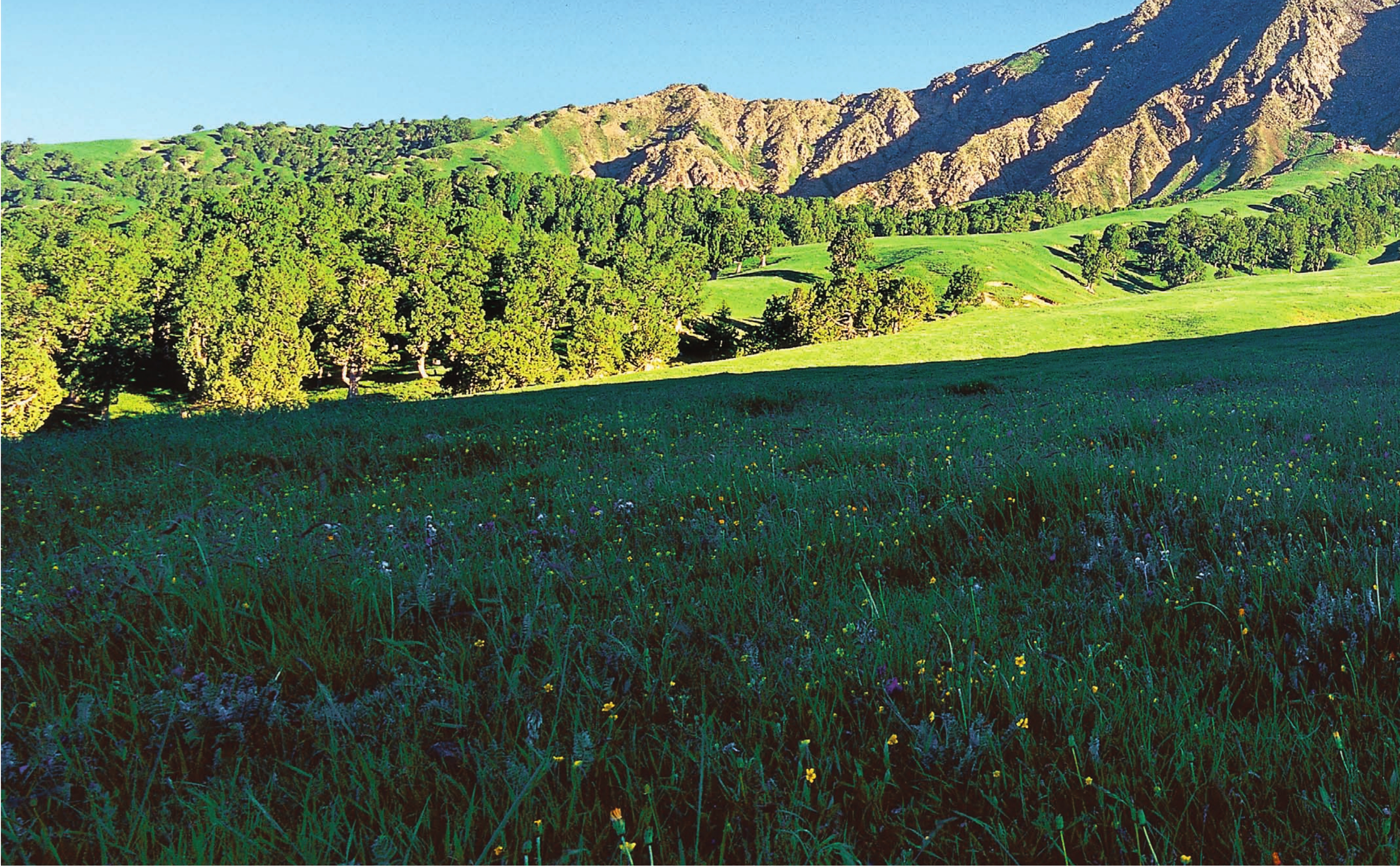
清晨起床,你可以踏着软软的天然草毡,聆听百鸟清脆的歌声。也可去看看草原的日出,一轮红日冉冉升起,绿叶上晶莹透明的露珠,立刻变成了闪烁的珍珠,各种植物转眼一片嫩绿,马群、牛群、羊群也在广阔的草原上开始蠕动,真是一片 “天苍苍、野茫茫,风吹草低见牛羊”的草原胜景。此情此景,为塞上独有,是摄影家、画家、艺术家们追逐的圣地。
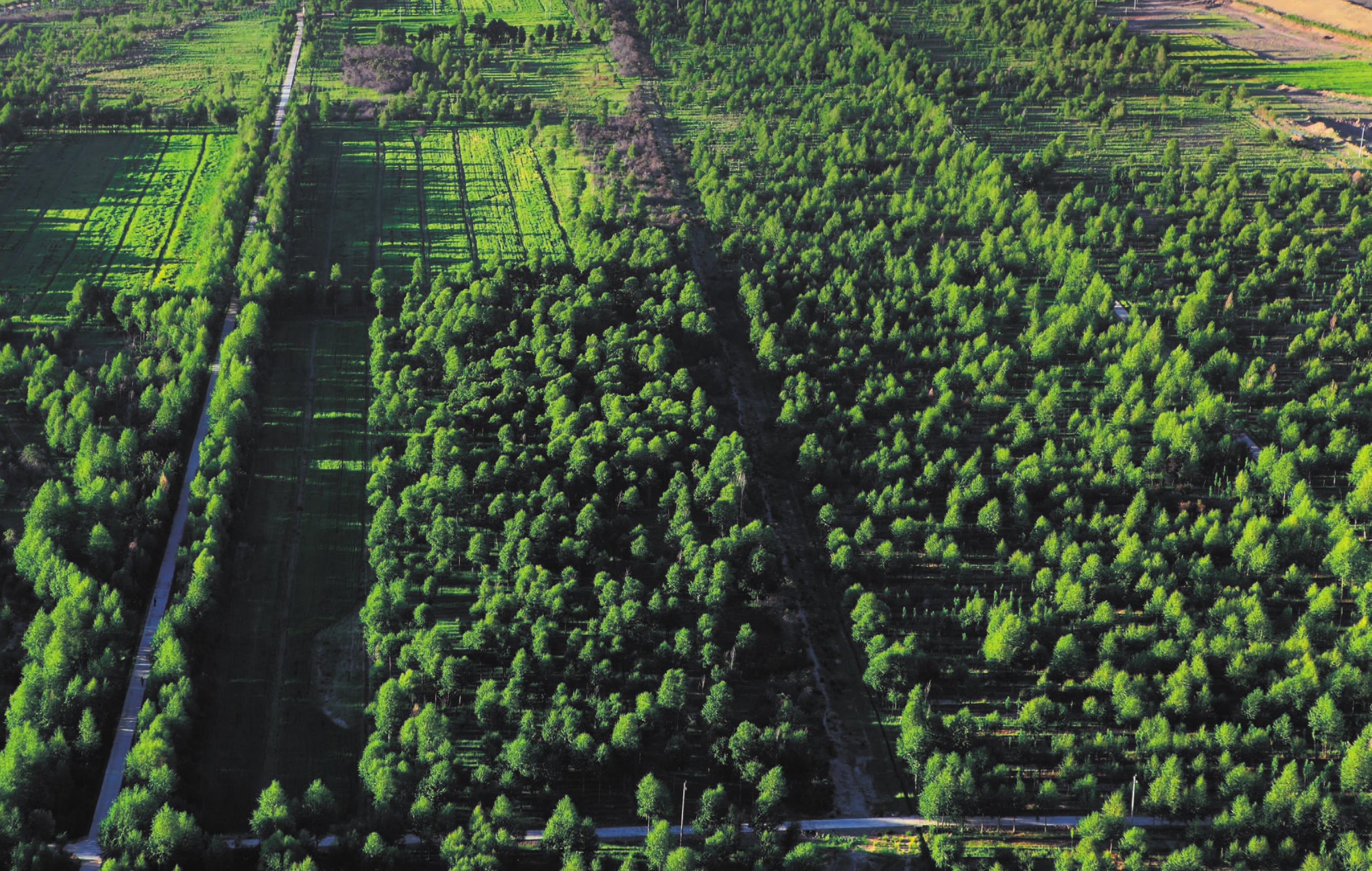
人工造林
“十一五”期间,都兰全县完成林业生产任务24006.9公顷。其中人工造林5840公顷,封山(沙)育林18166.7公顷。完成投资8431.5万元。
经过多年建设,都兰县局部地区的生态环境已大为改观,平均植被覆盖率由0.4%增至15.8%。
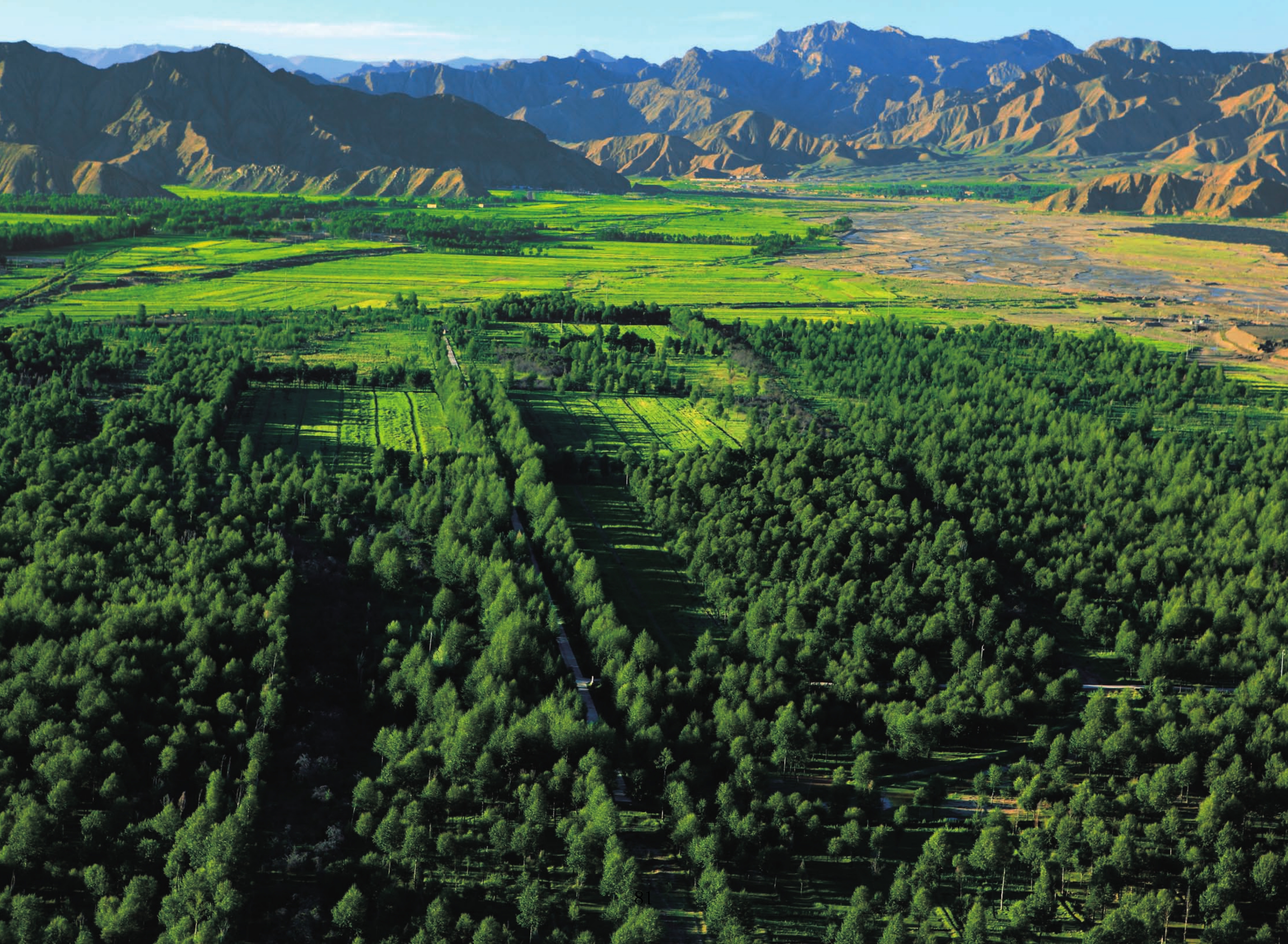
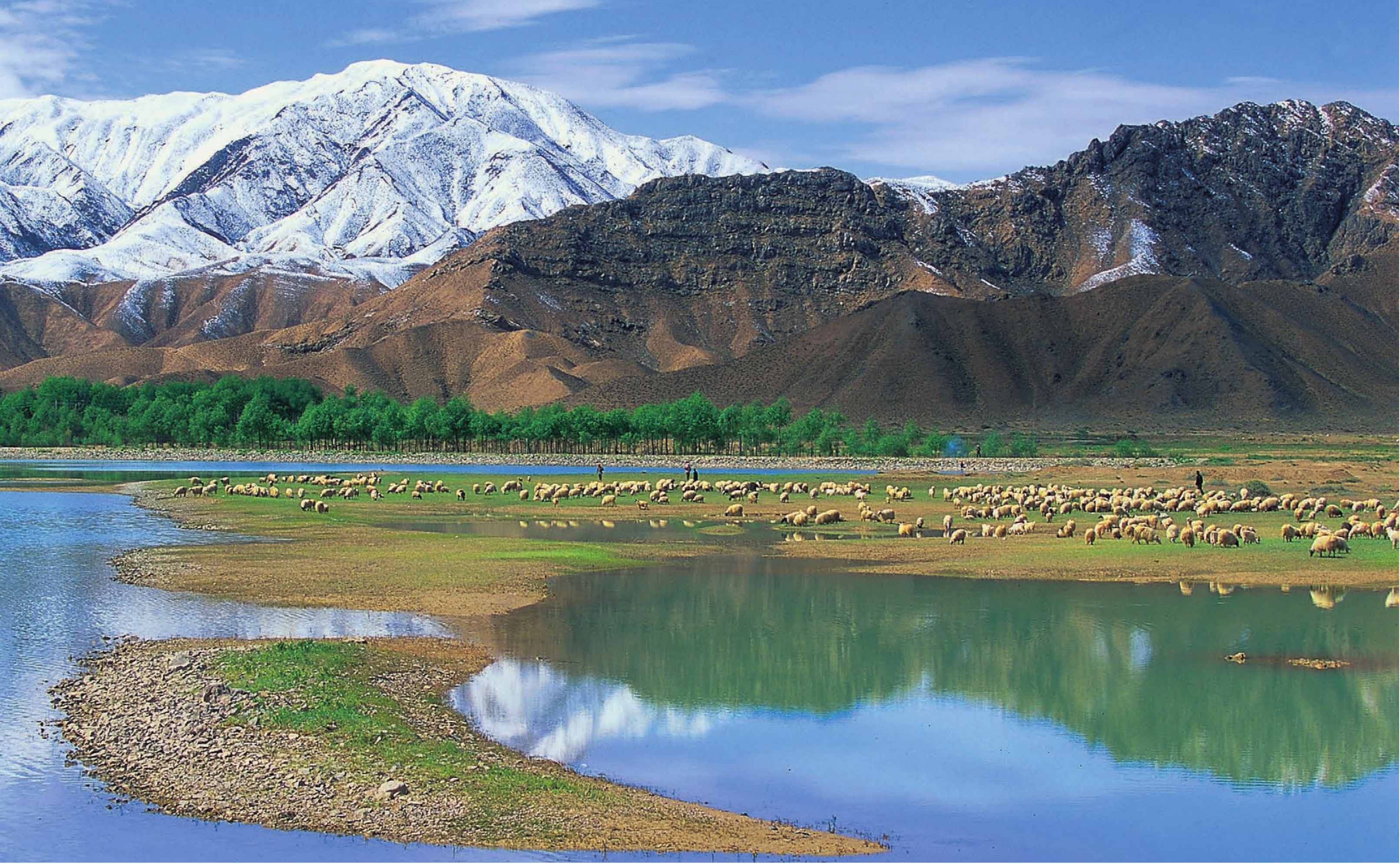
层峦叠嶂的山川
都兰地处青藏高原,特殊的地理位置,多姿的高山大川,使这里的地形地貌截然不同。山川重叠,峡谷并列,造就了别具一格的景色。一望无际的戈壁,绵延横亘的山脉,风光旖旎的草原,壮丽奇特的雪山,幽深空静的峡谷,造型独特的地形地貌,纵横交错的山川河流,使人感受到高原独有的雄伟和壮丽。
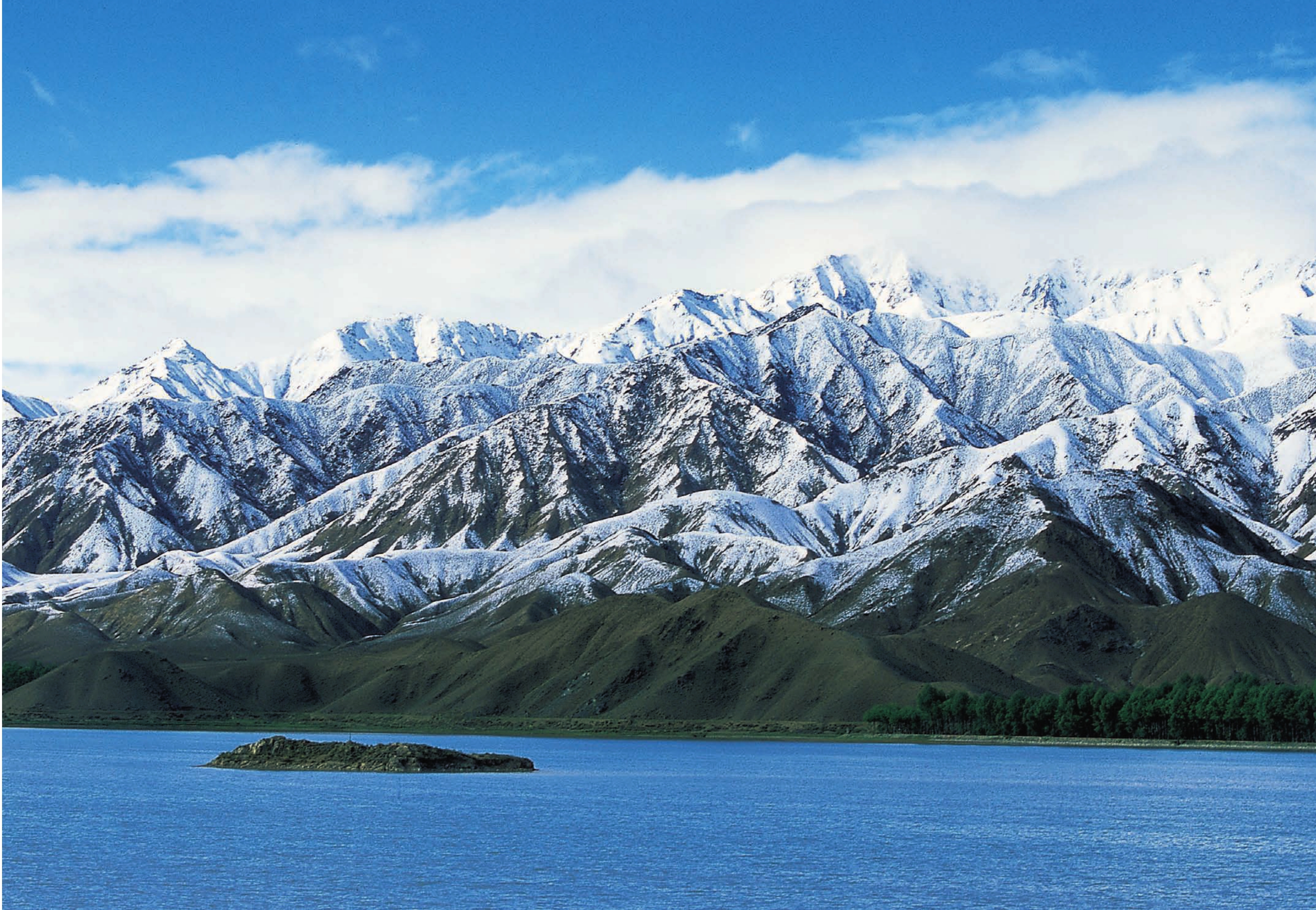

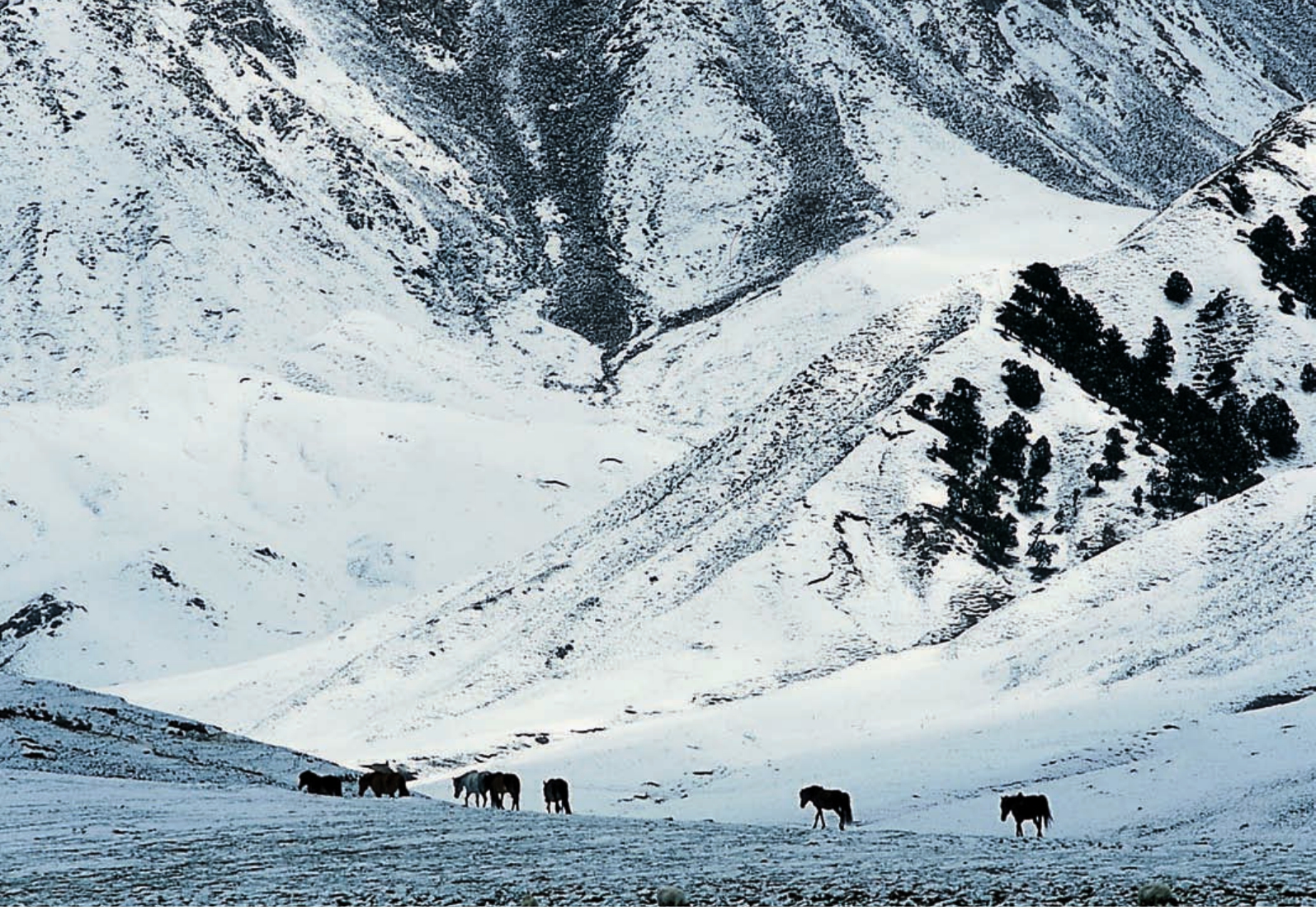
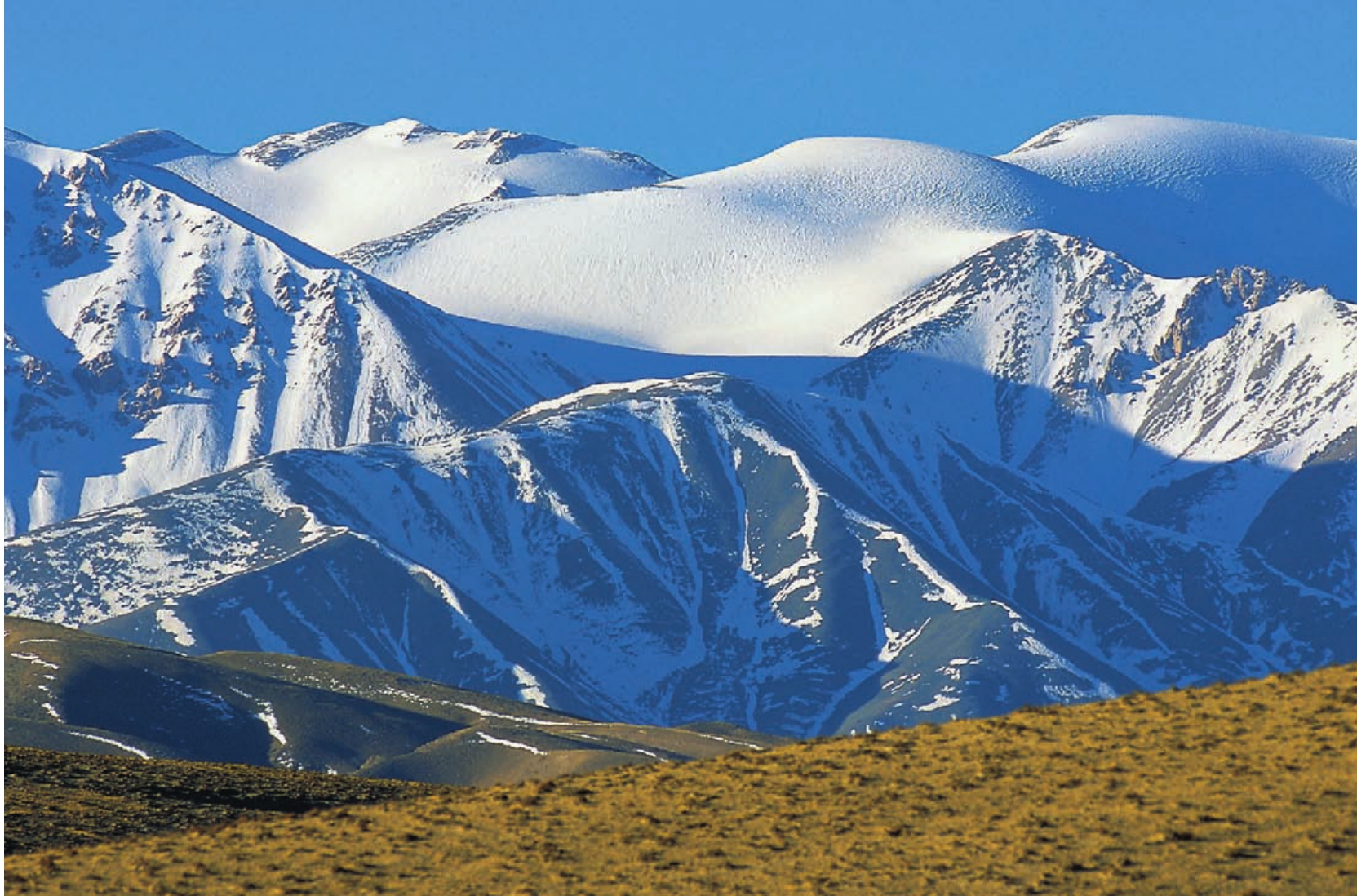

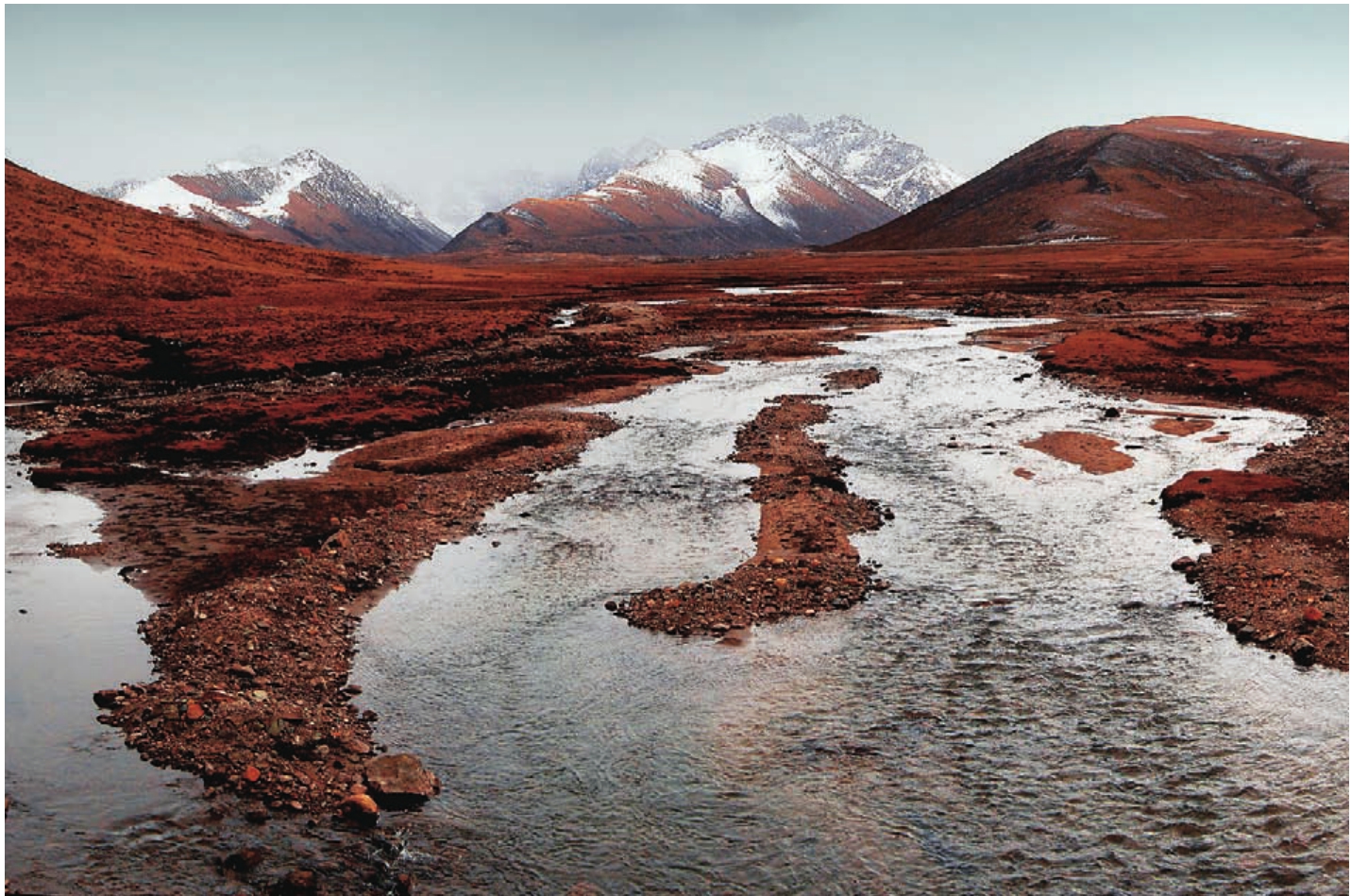
纵横交错的河流
地处海拔4000米以上的洪水川,位于都兰县香加乡境内。这里有一条清澈见底的河水与夹杂着红土泥沙的洪水河交相融汇,形成了一条河水半边清水、半边红水的奇特景观,这就是柴达木河。柴达木河发源于昆仑山东端的黑海,全长220多公里,是都兰第一大河,流经县域全境,最后注入霍鲁逊湖。此河源头海拔4300公尺,流入柴达木盆地的最低点,沿河两岸峭壁千仞、奇峰竞秀,风光无限。流经沟里山区时,巨大的落差,形成多处瀑布,涛声如雷,喷珠溅玉。大河流至香日德,有一半流入农用渠网,哺育了柴达木最早、最为富庶的绿洲农业。
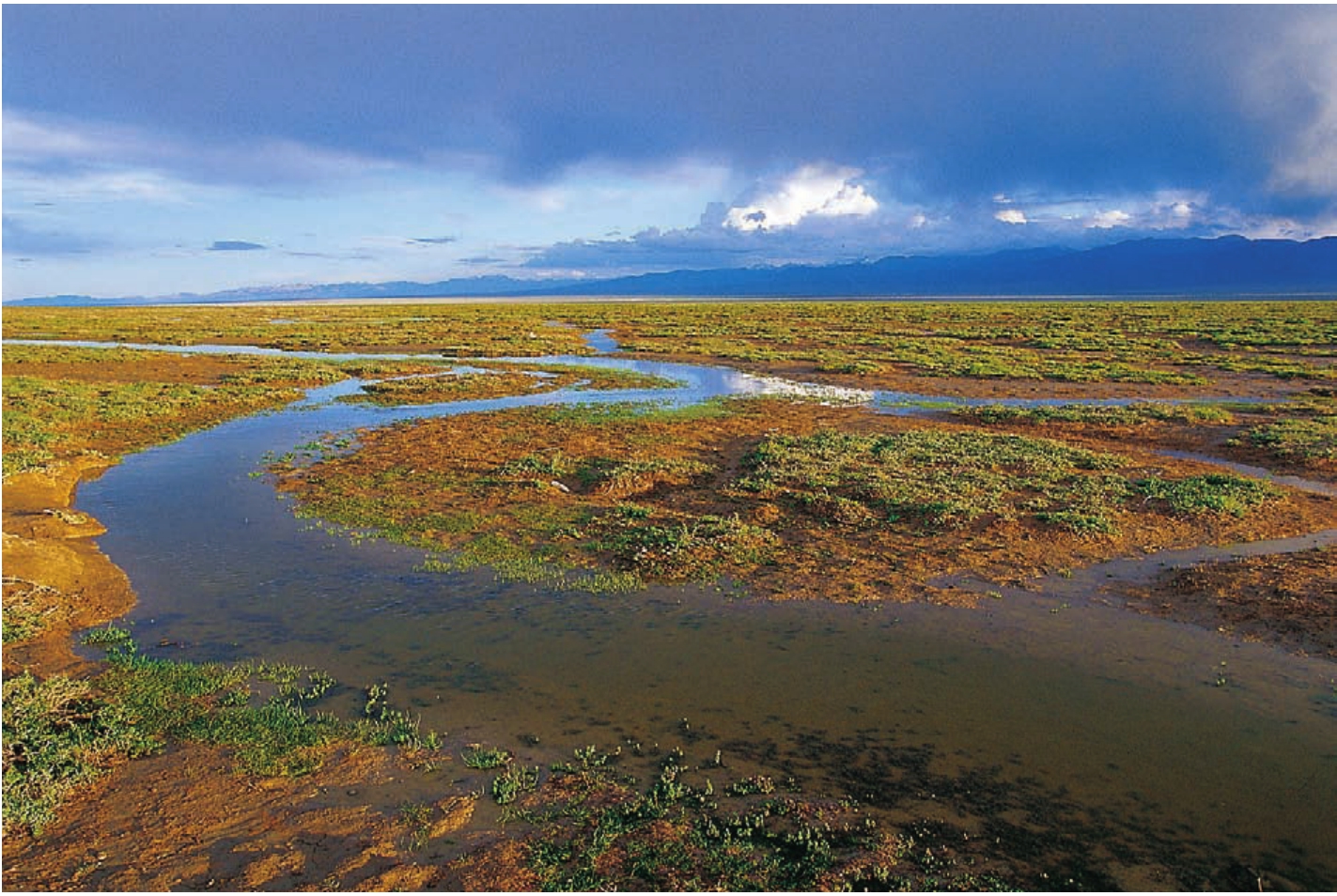
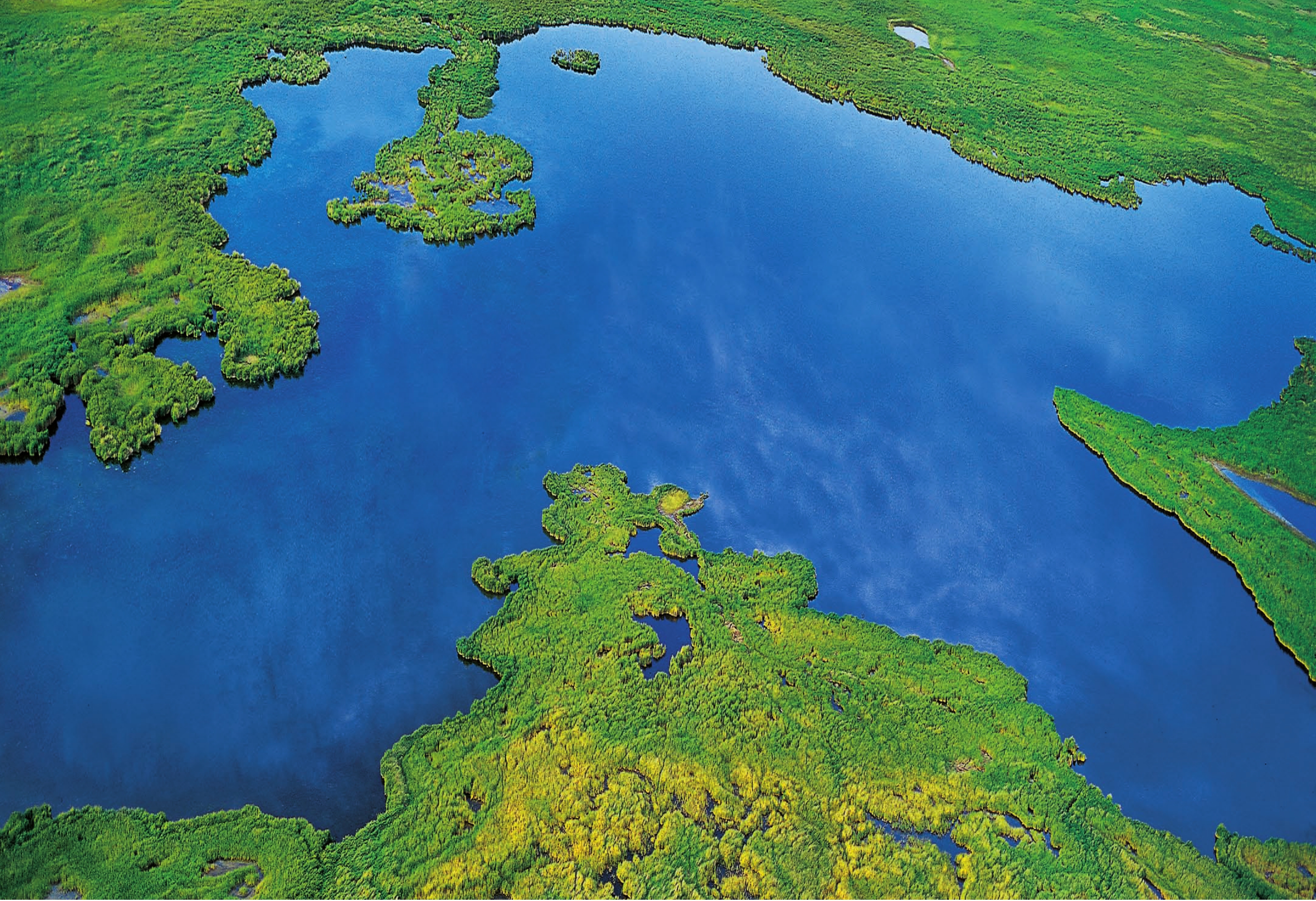
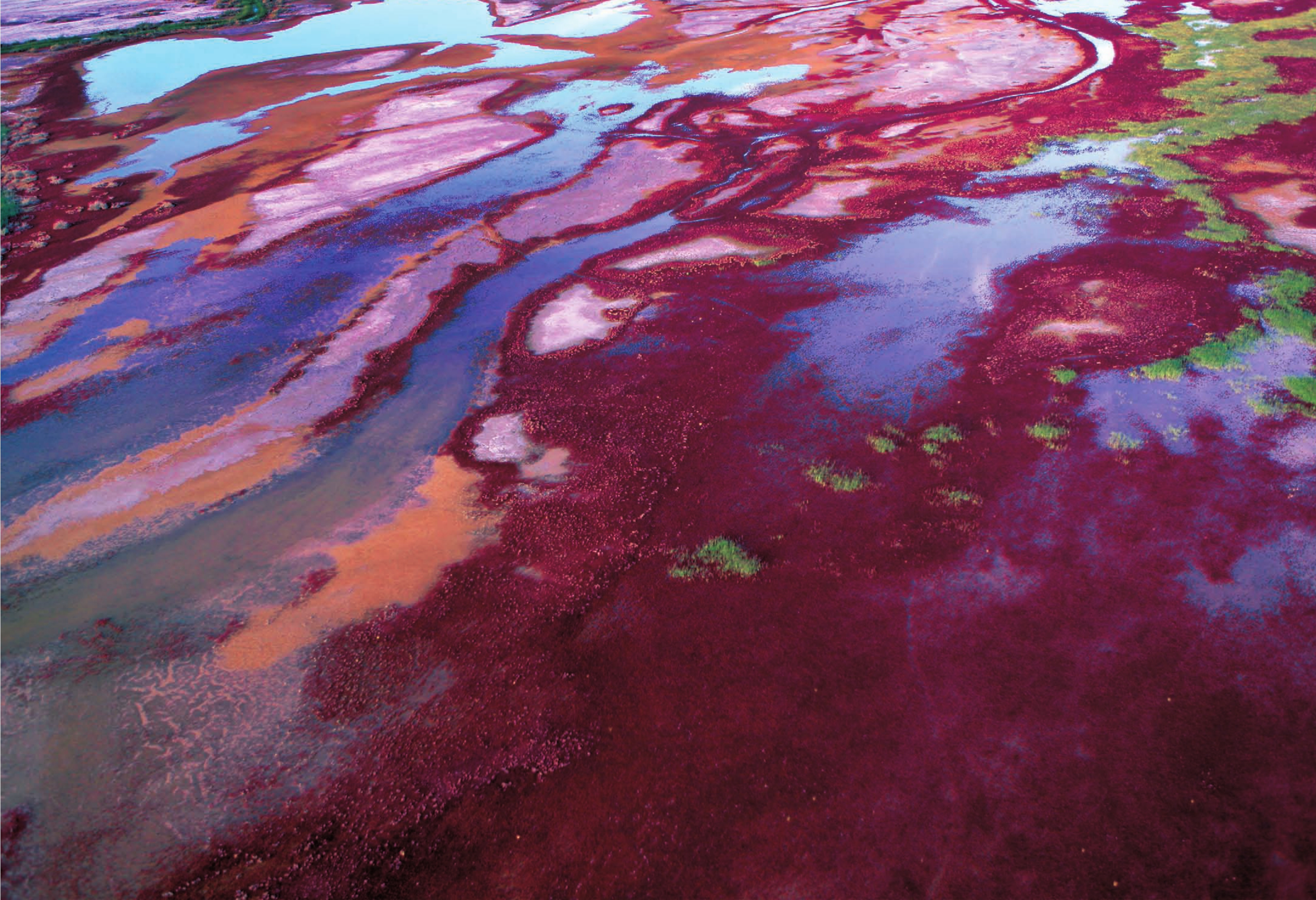
星罗棋布的湖泊湿地
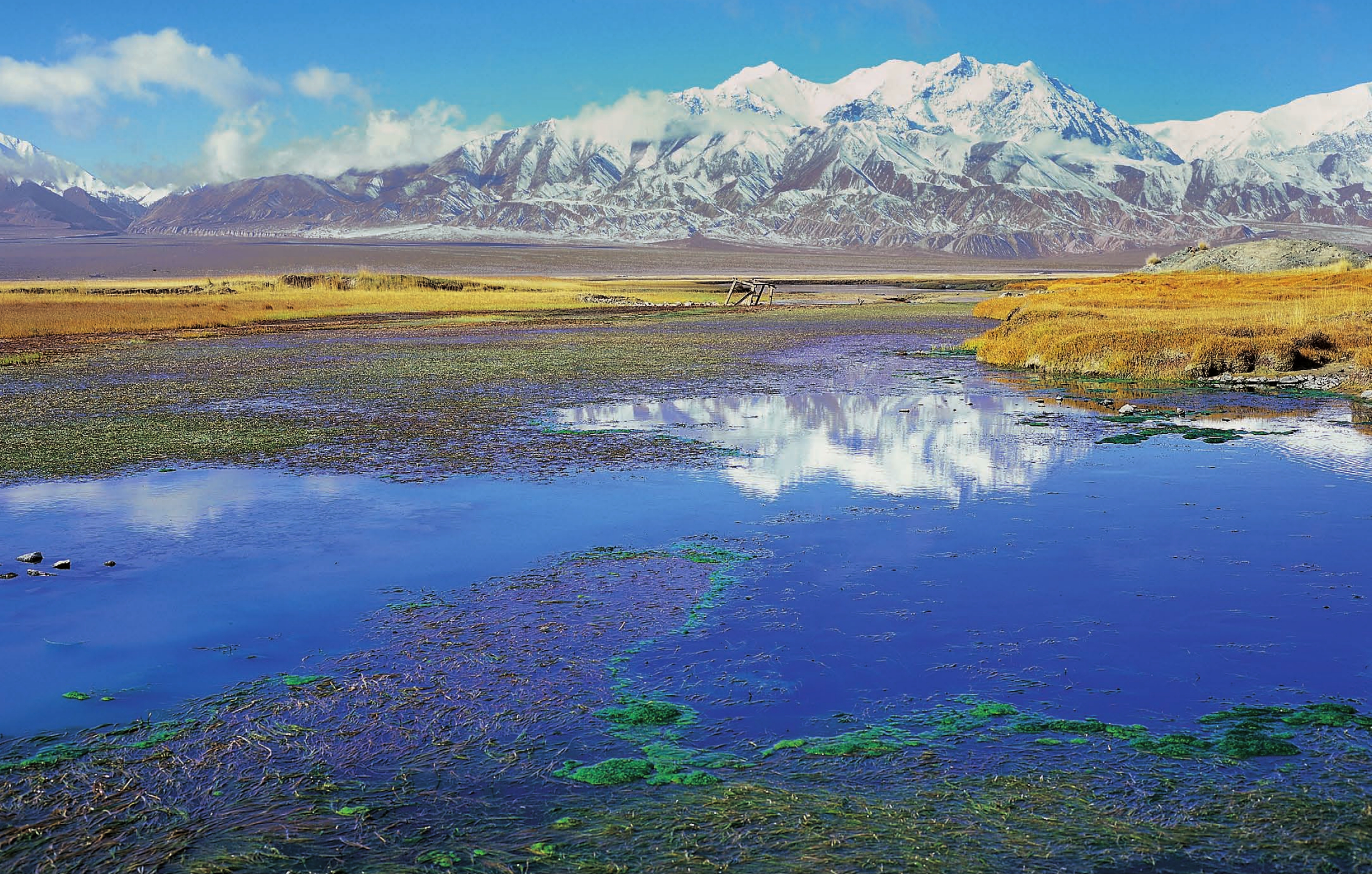
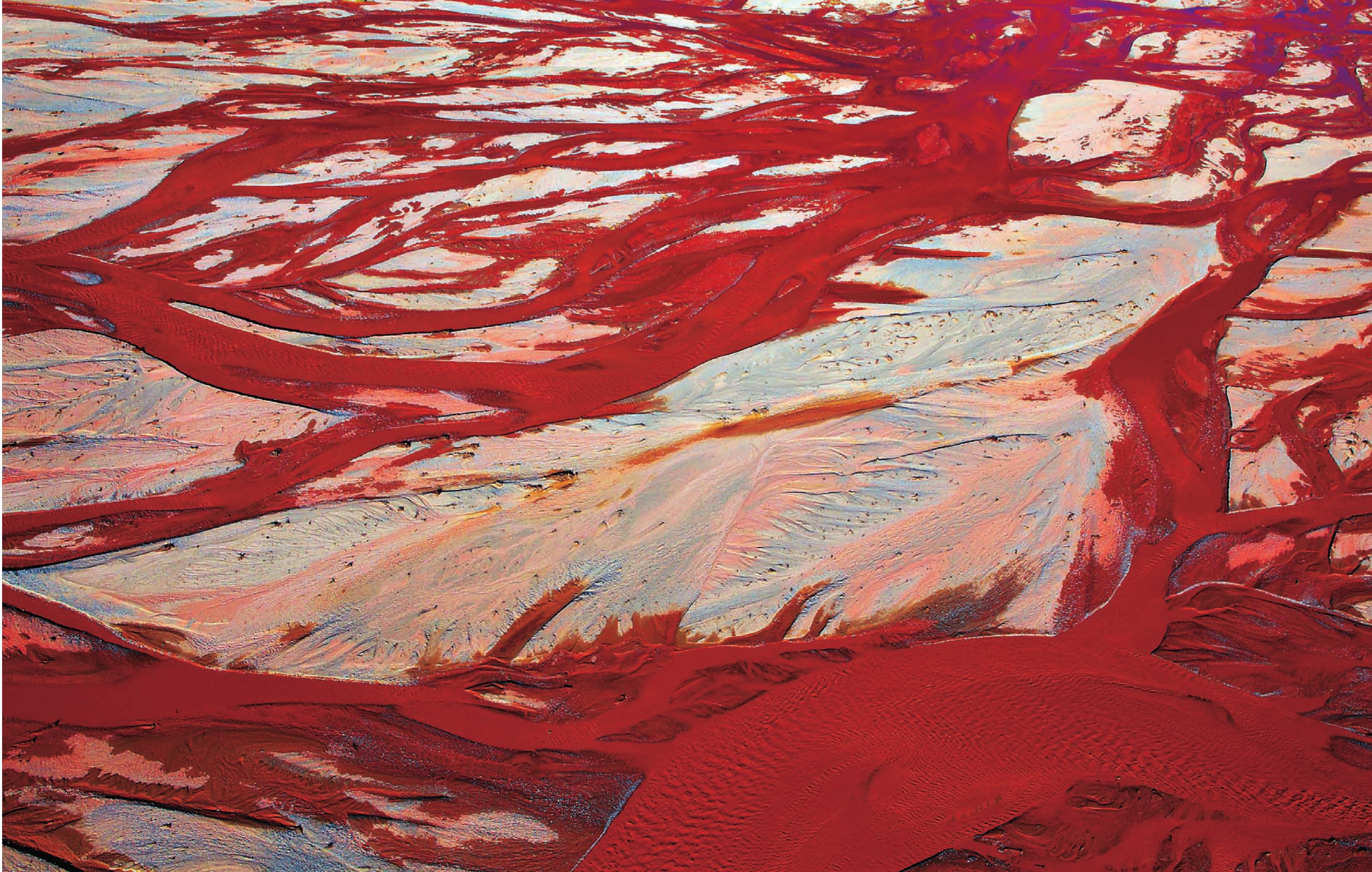
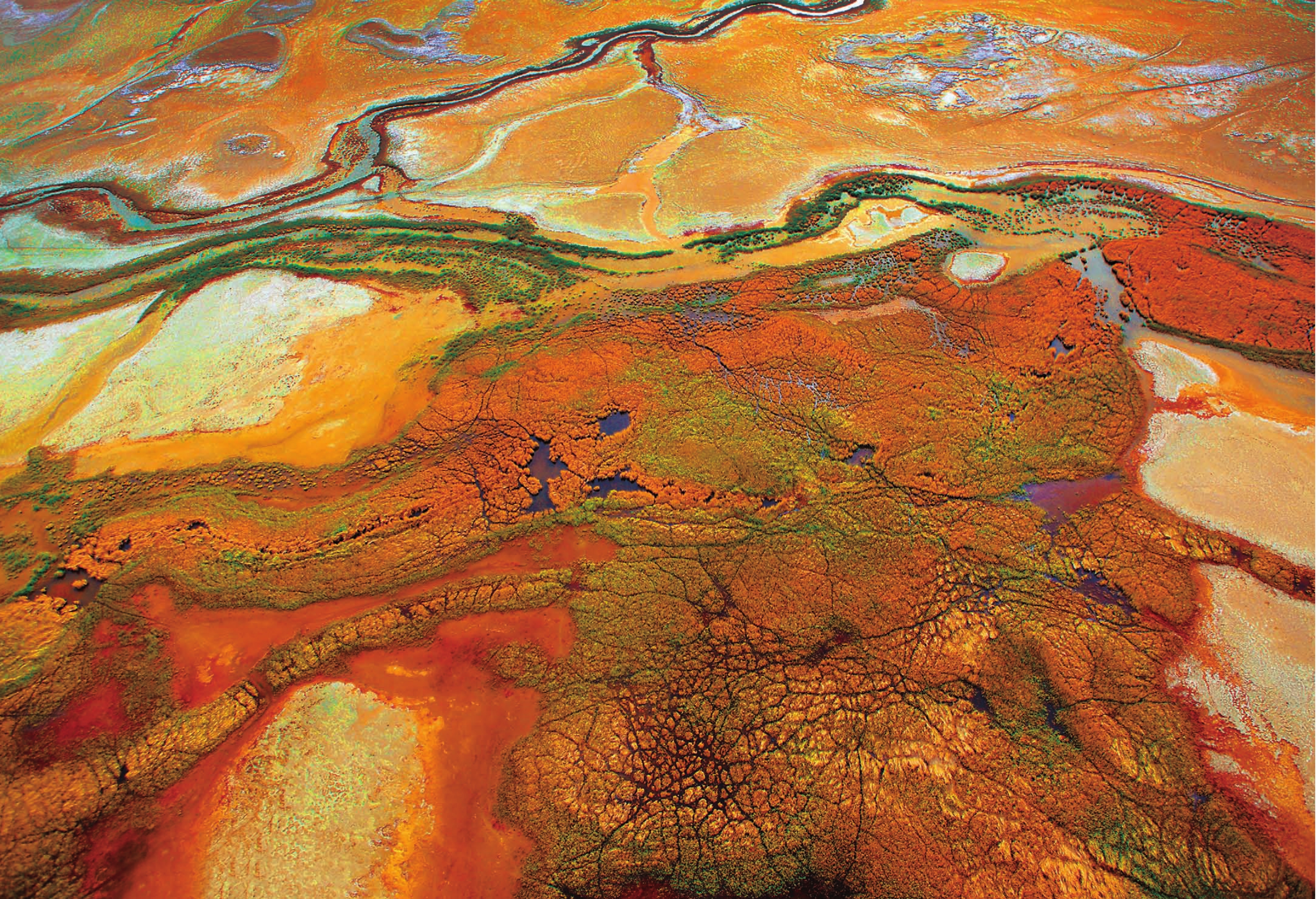
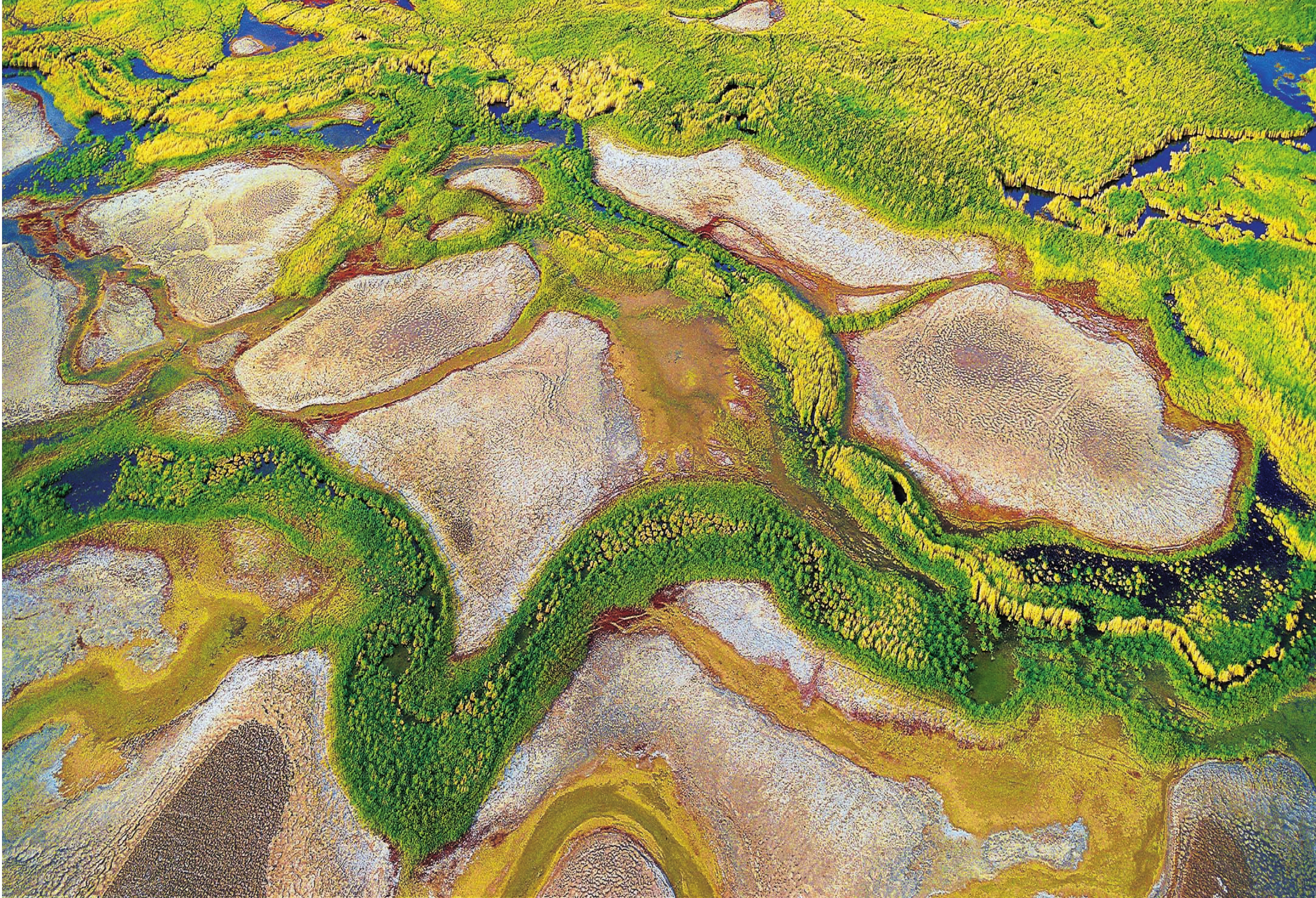
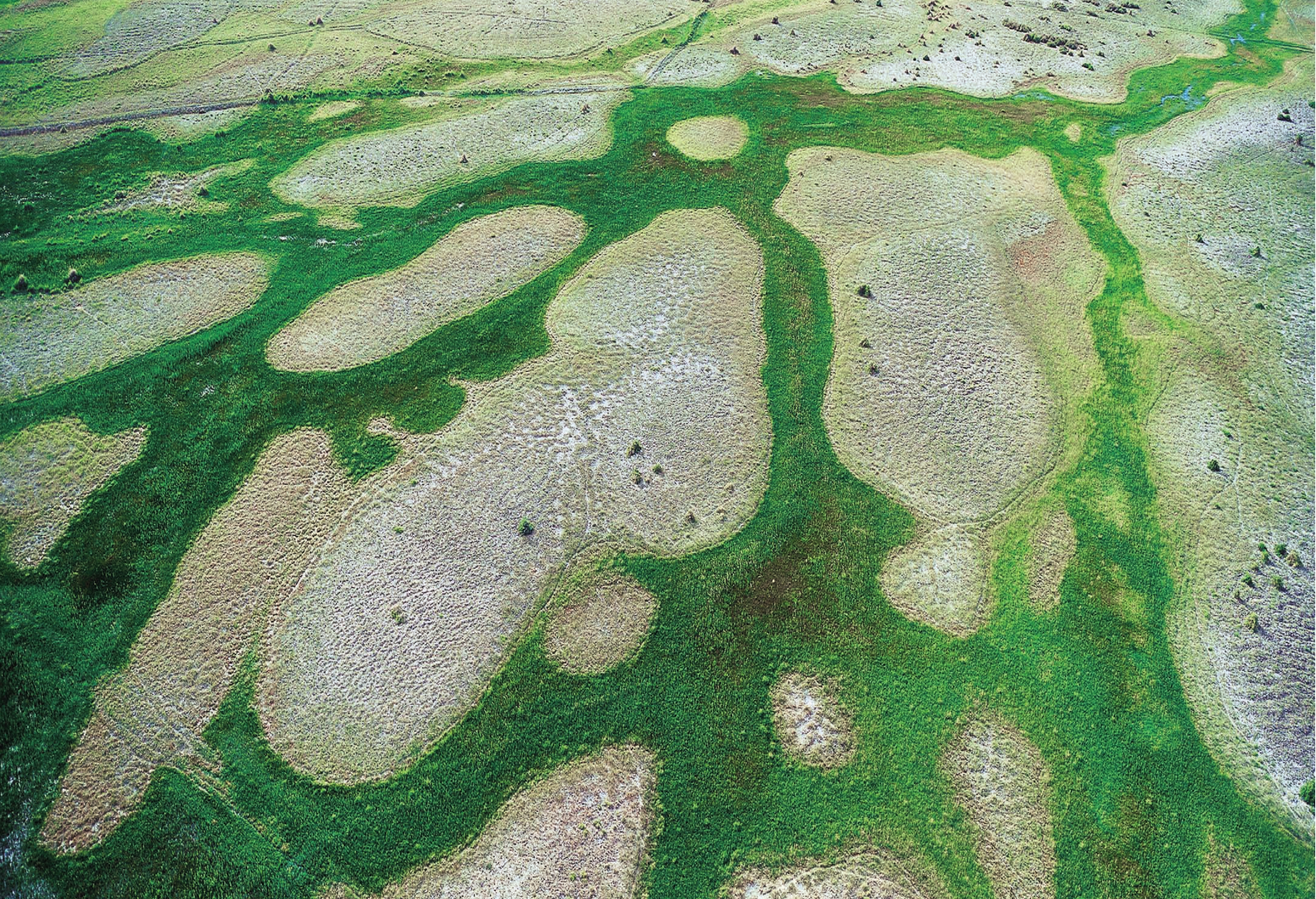
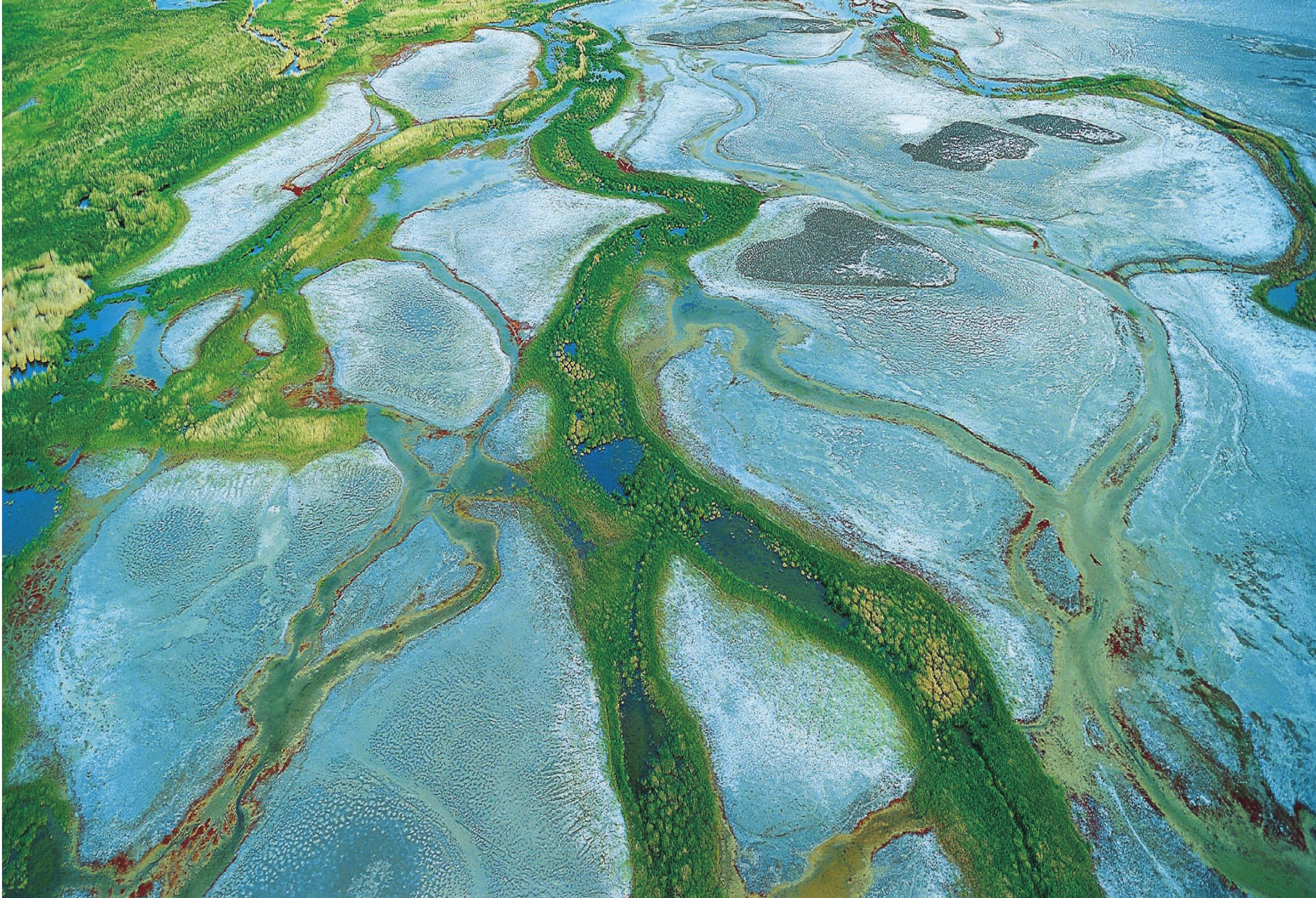
河流进入巴隆、宗加草原,分成多股四面流去,形成了广袤的湖泊、沼泽、湿地。鸟瞰大地,各类植物生机盎然,争奇斗艳,赤橙黄绿,七彩斑斓,美不胜收。
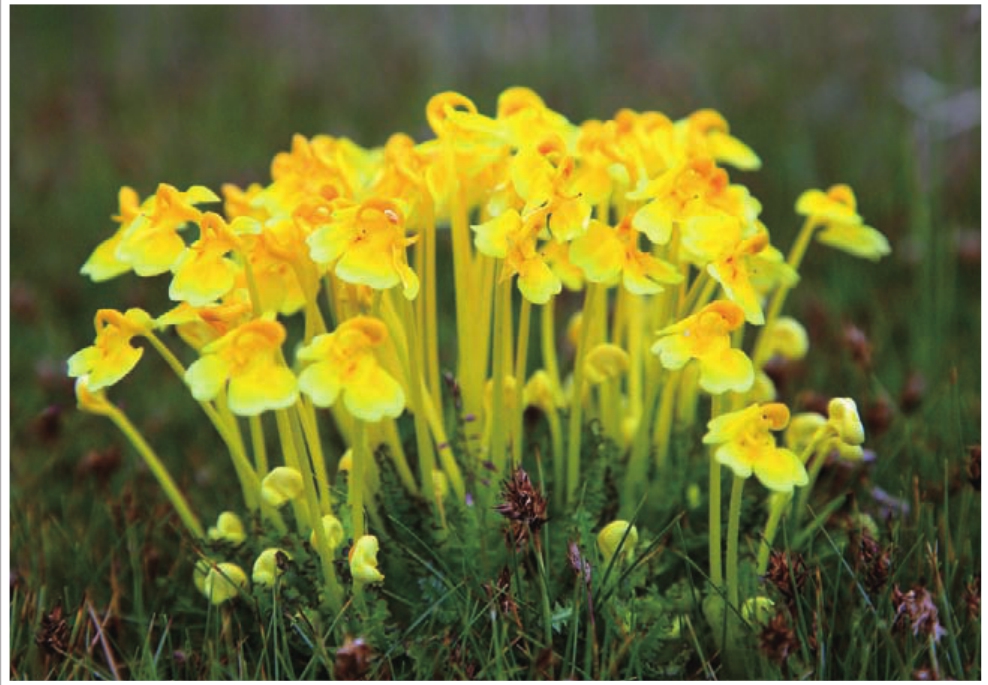
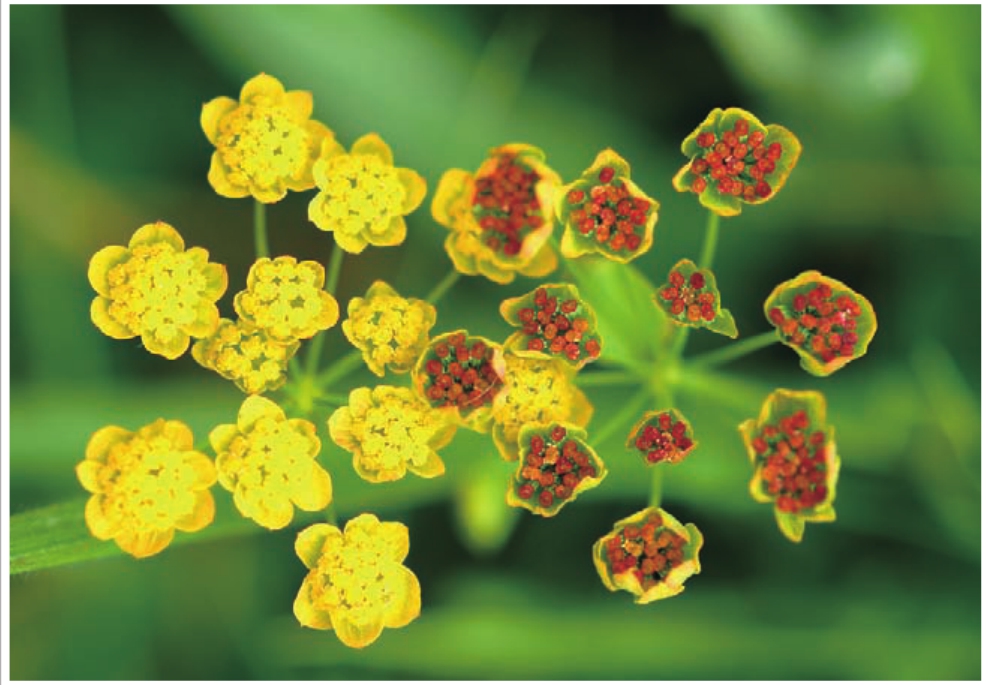
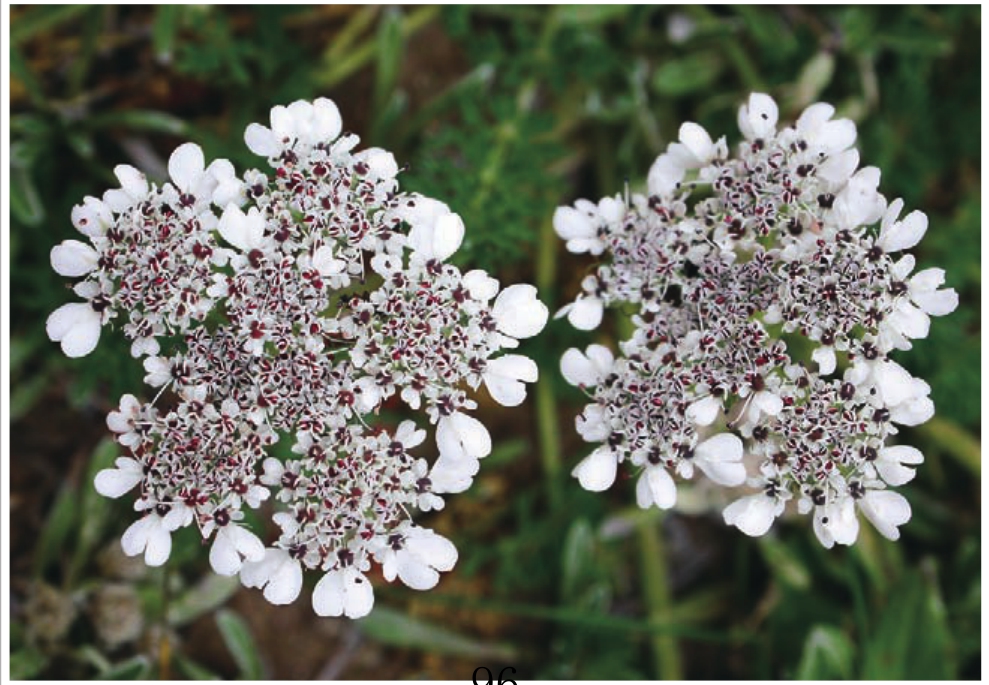
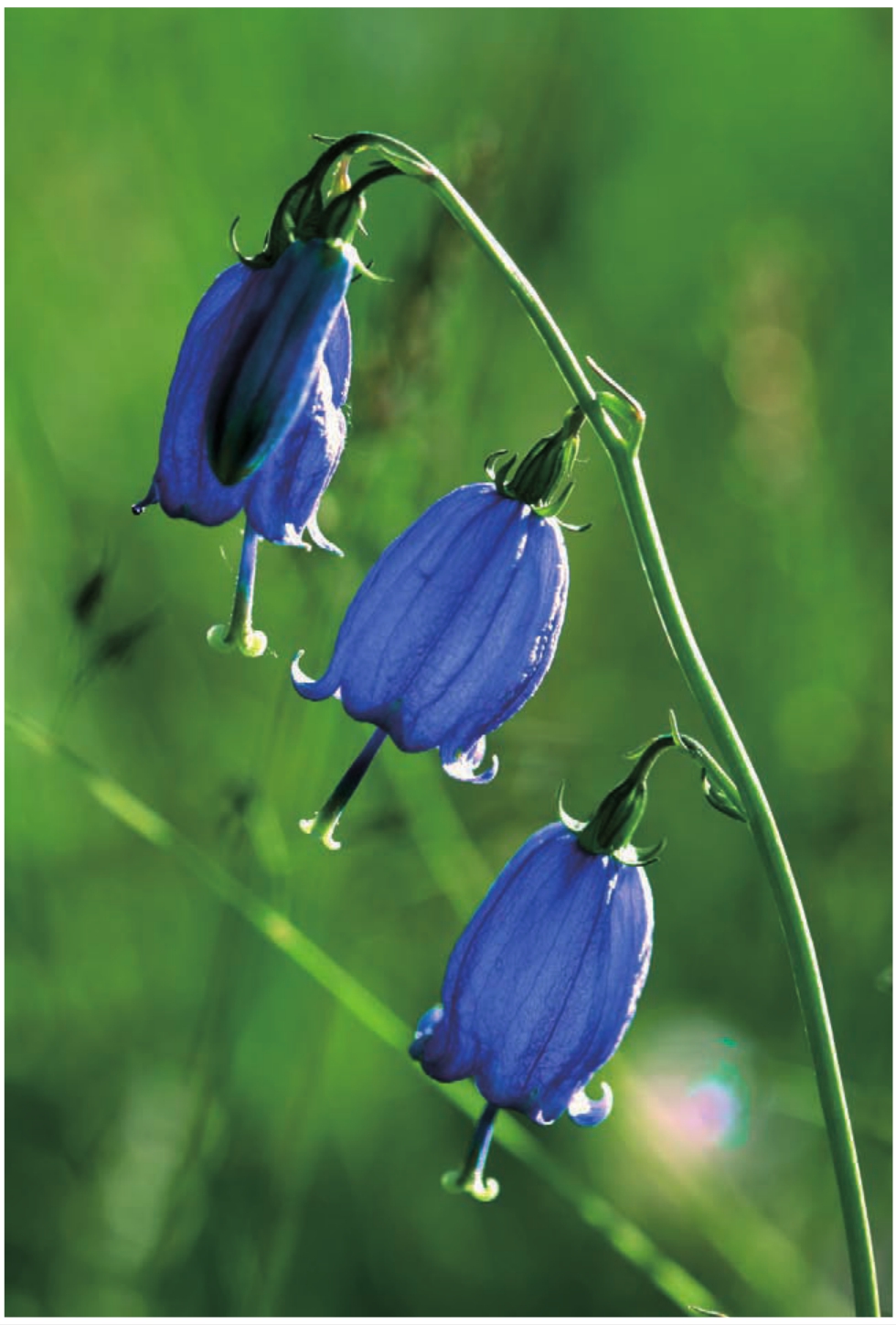
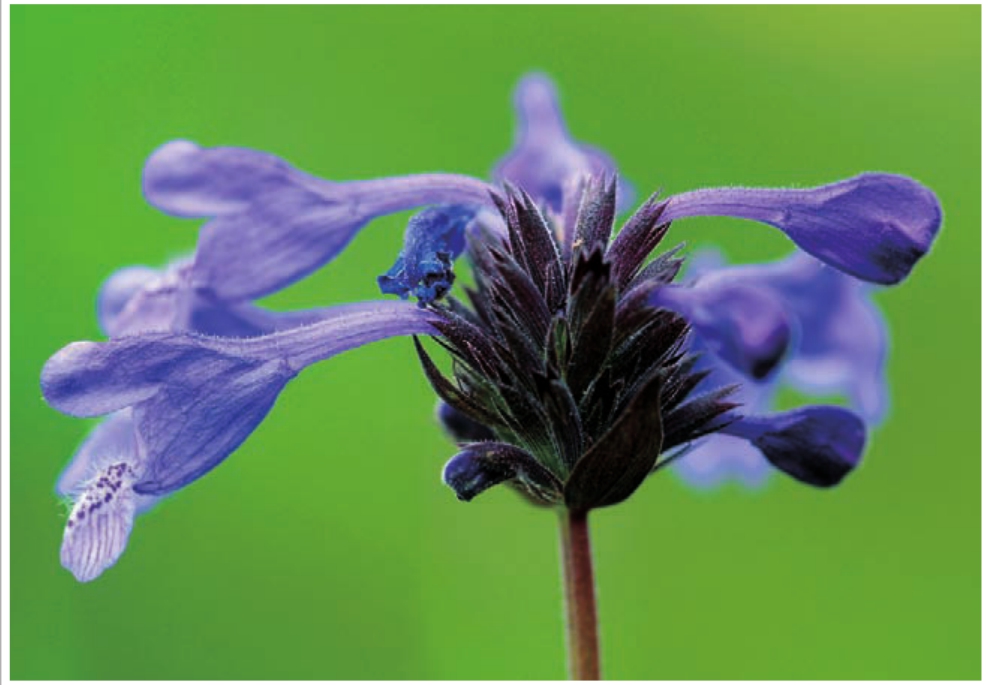
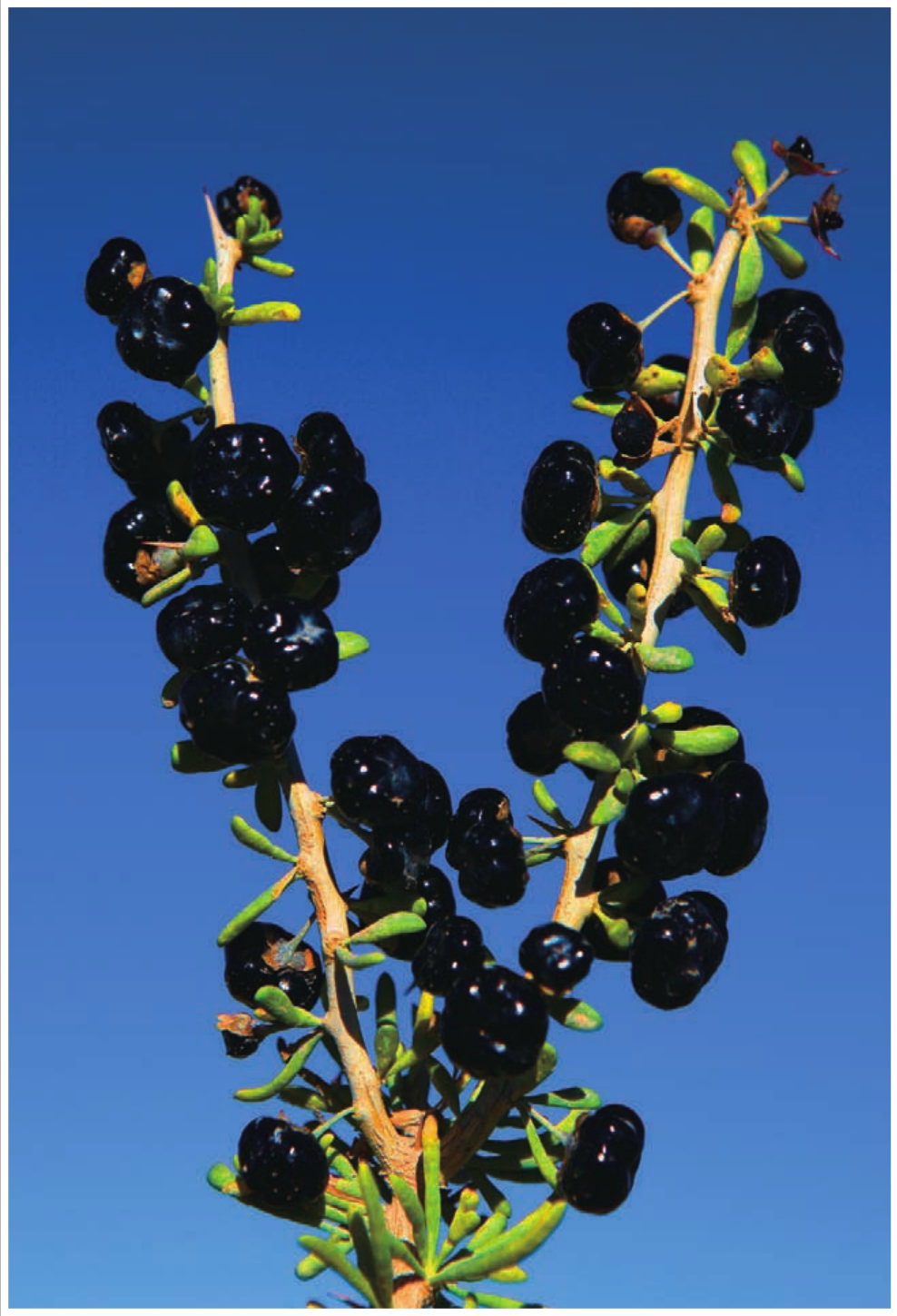
野生植物利用
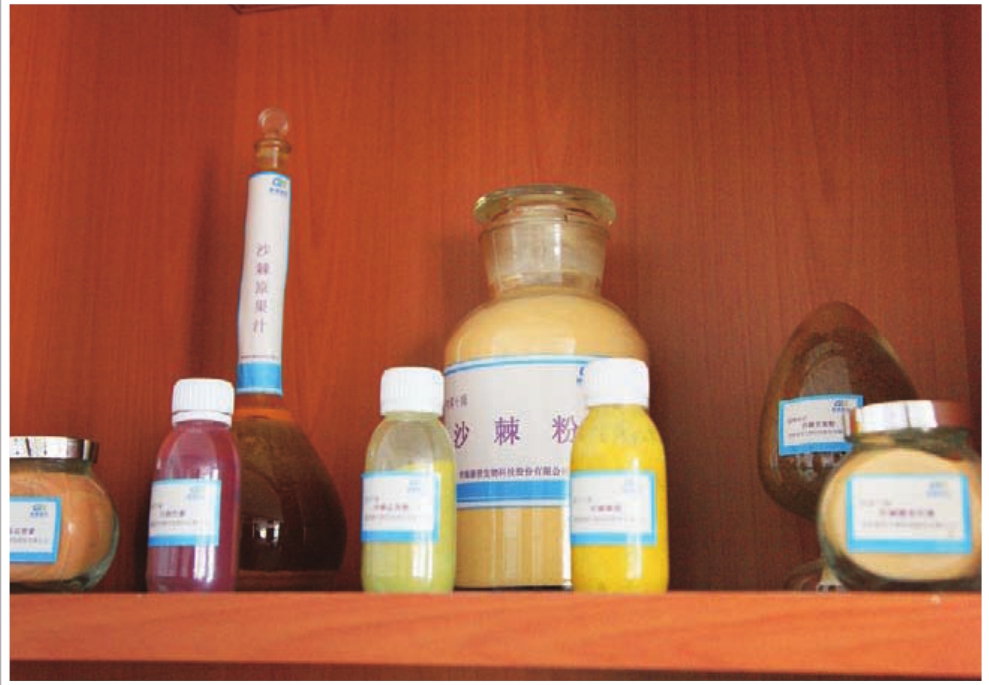
野生黑枸杞是柴达木枸杞中的特色资源,在青海都兰诺木洪地区广为分布,果实大、品质好、果皮薄。据有关单位测定,黑枸杞含有人体所需的18种氨基酸、丰富的还原糖、维生素以及钙、磷、铁、锗、硒、酮等营养成分。钙、镁、铜、锌、铁的含量高于红枸杞。含有抗癌、抗衰老、美容等功效的微量元素,具有极高的药用价值。
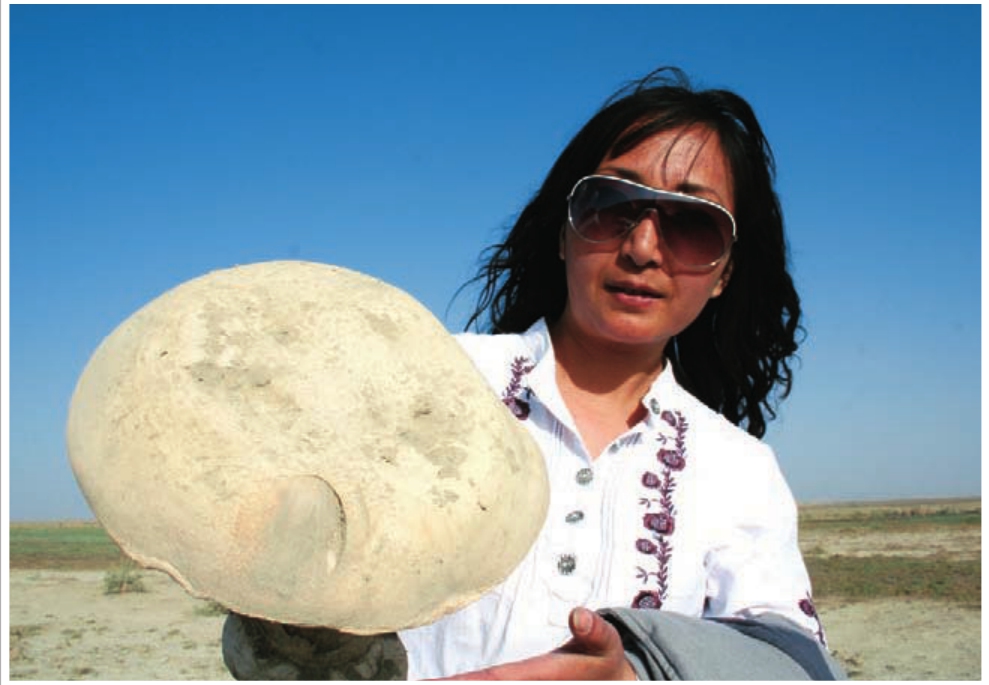
产于诺木洪的巨型蘑菇,最大的直径有35厘米,色白如玉、肉厚质嫩,食之醇香味美,它像土豆一样生在土壤中,见地表微微隆起时,尽快刨开表土,巨型蘑菇就出世了。据专家认定,这种蘑菇极为罕见之物,有很高的药用价值,目前尚需进一步研究,方能正式命名。
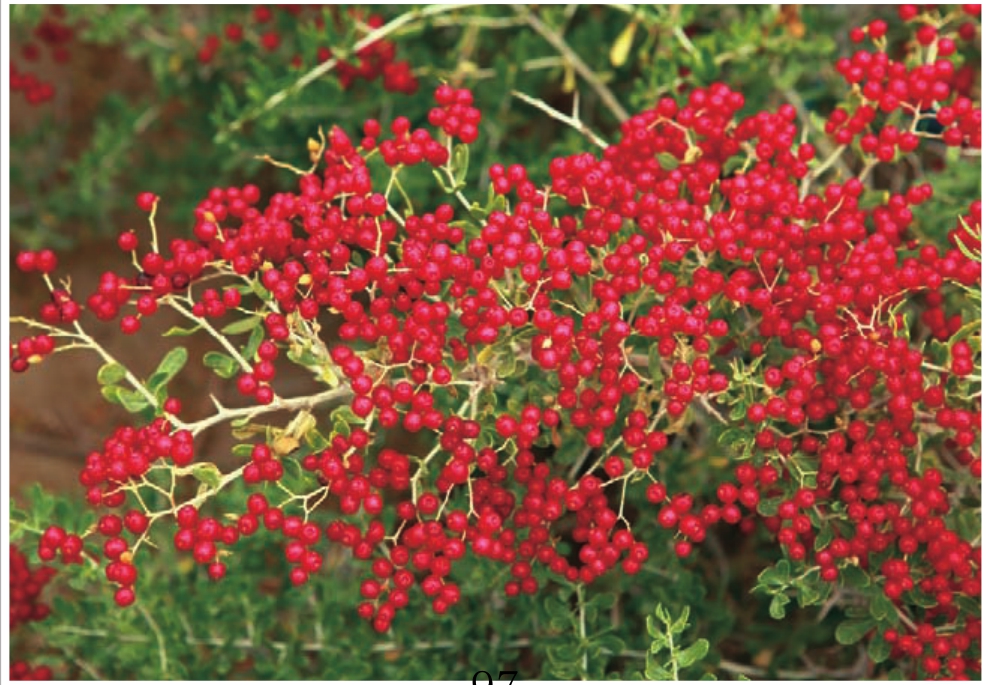
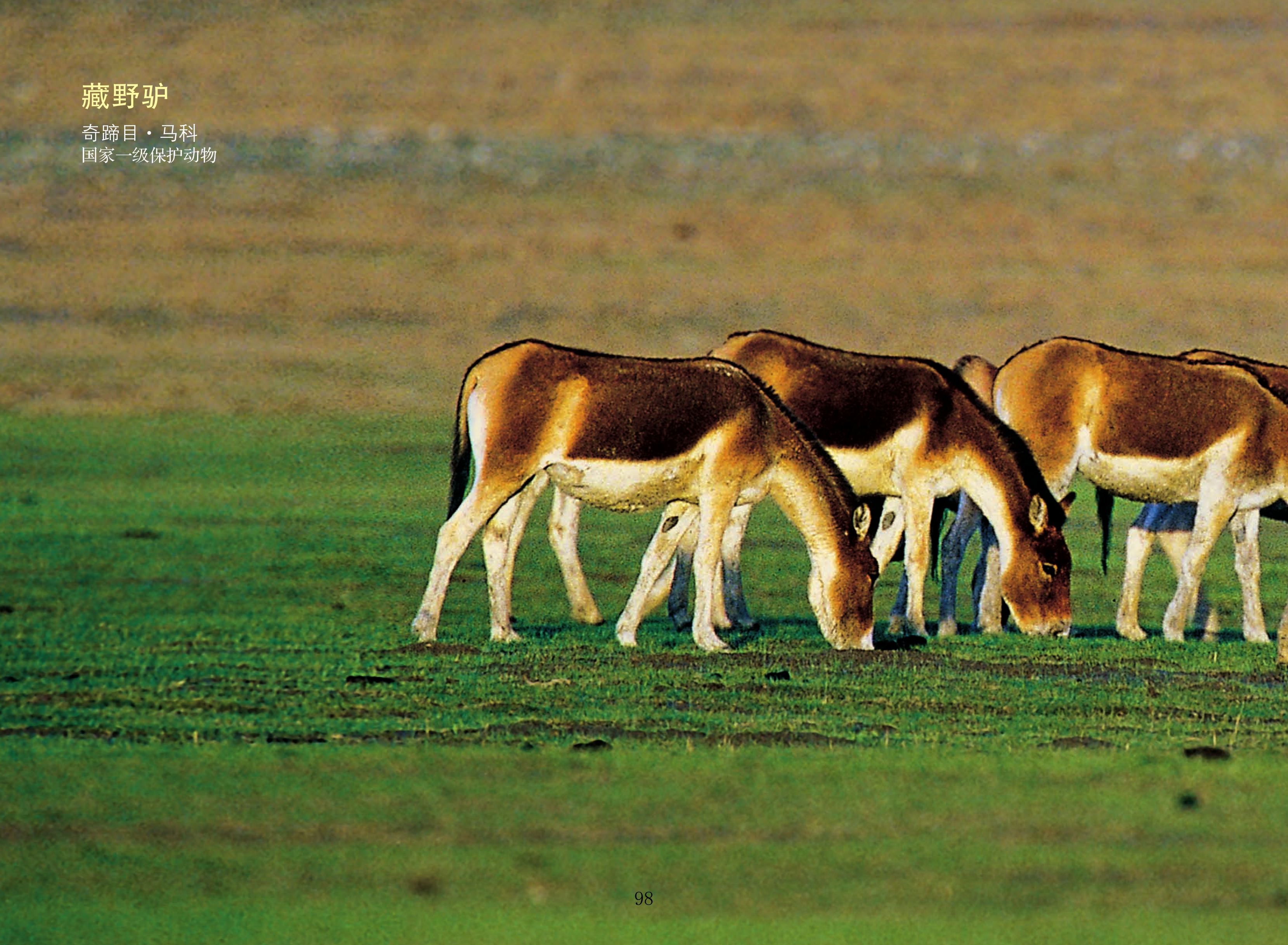
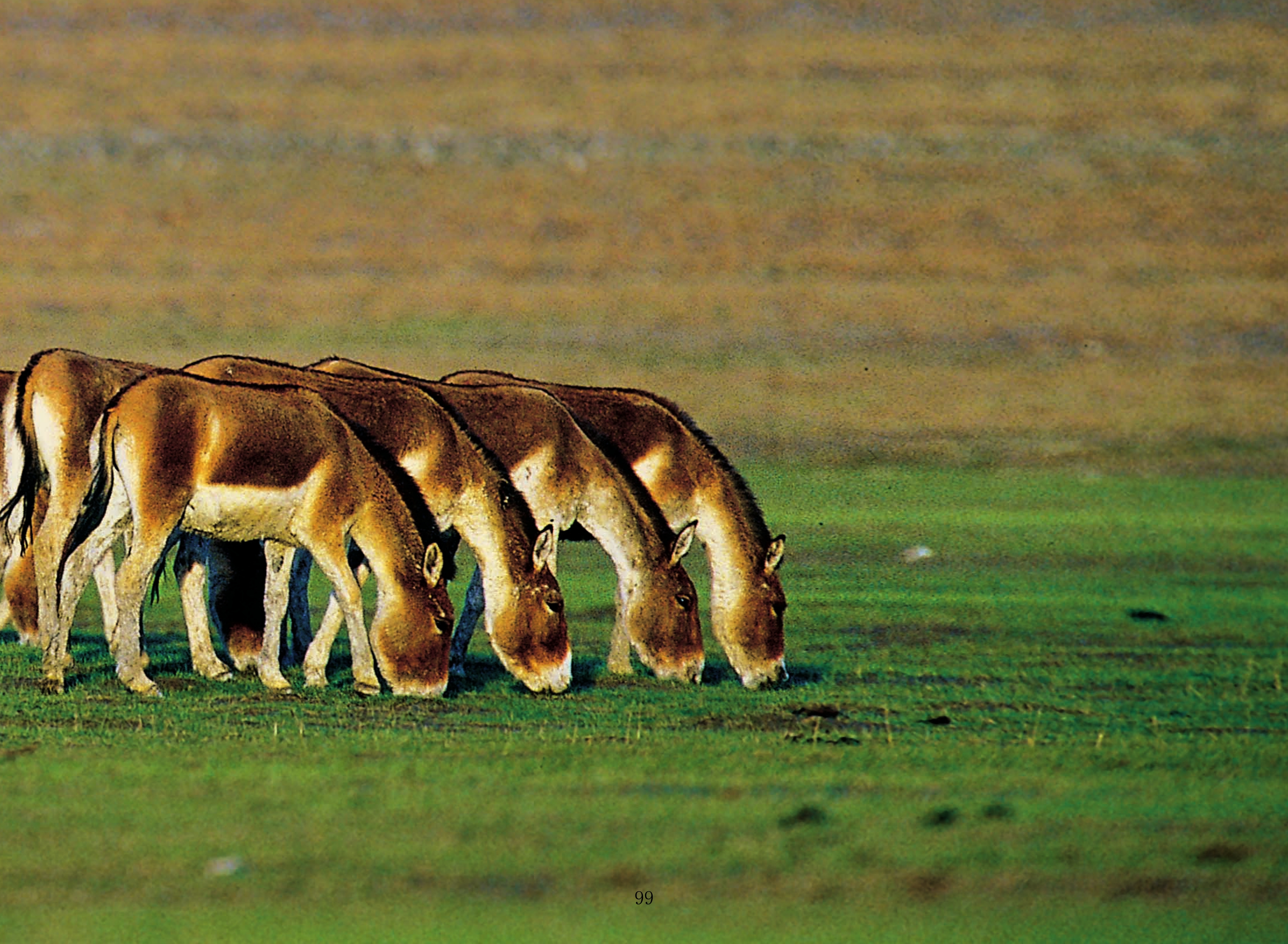
藏野驴奇蹄目·马科国家一级保护动物
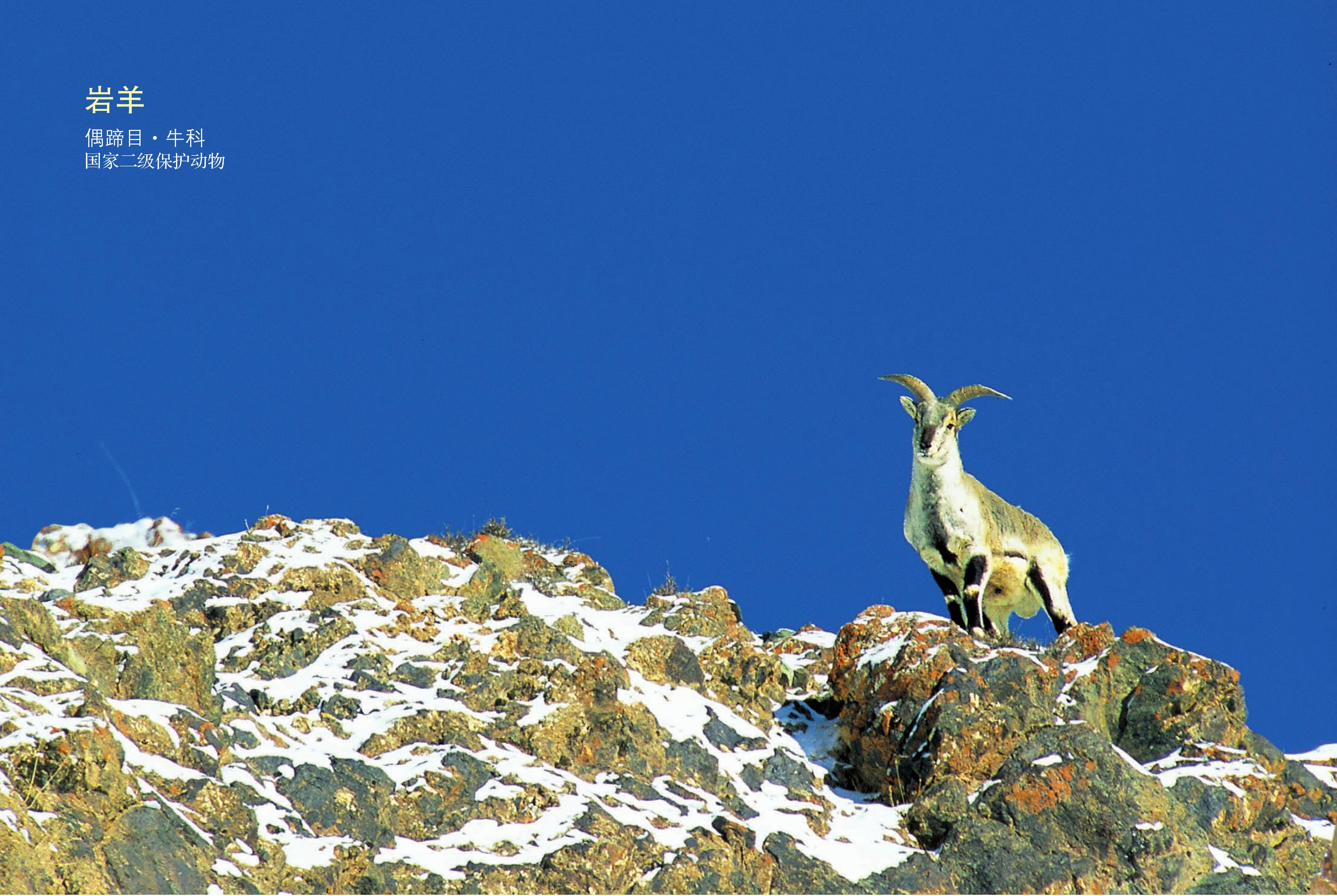
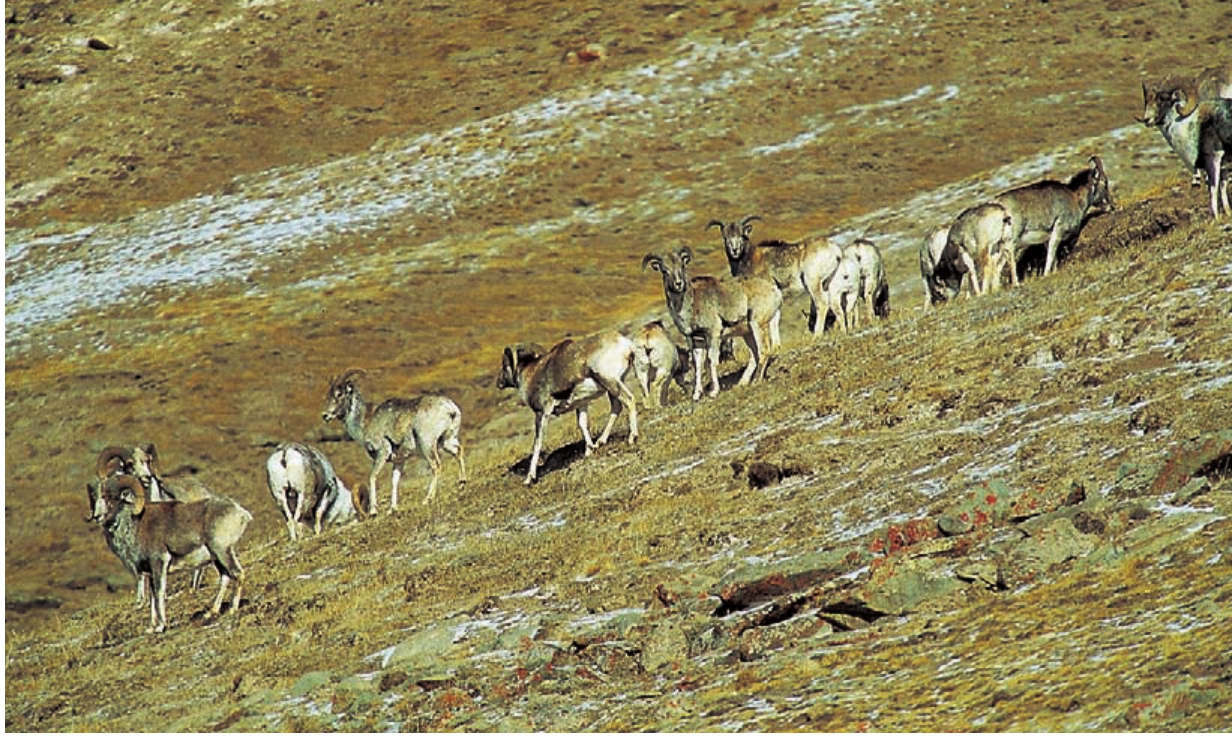
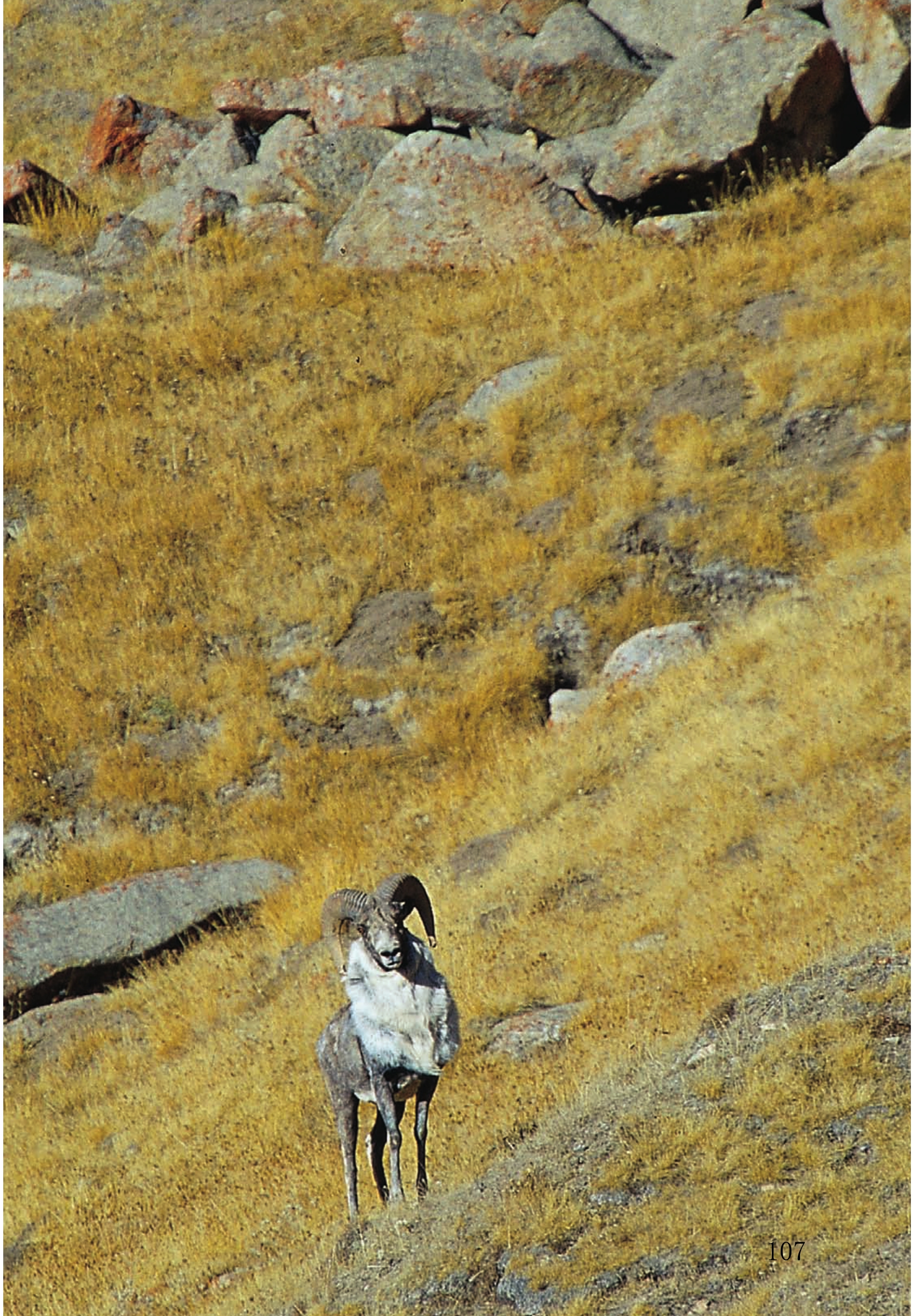
岩羊偶蹄目·牛科国家二级保护动物

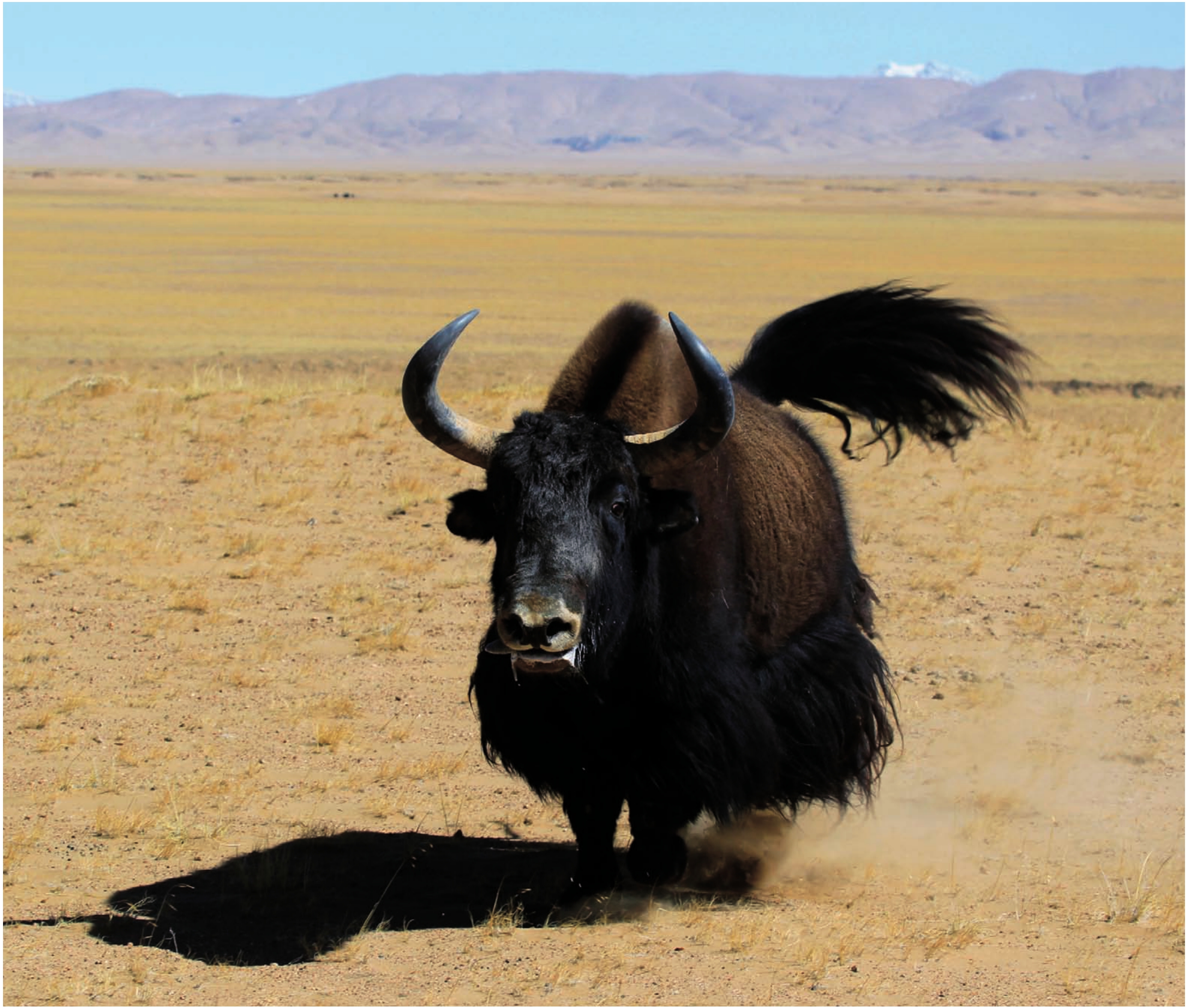
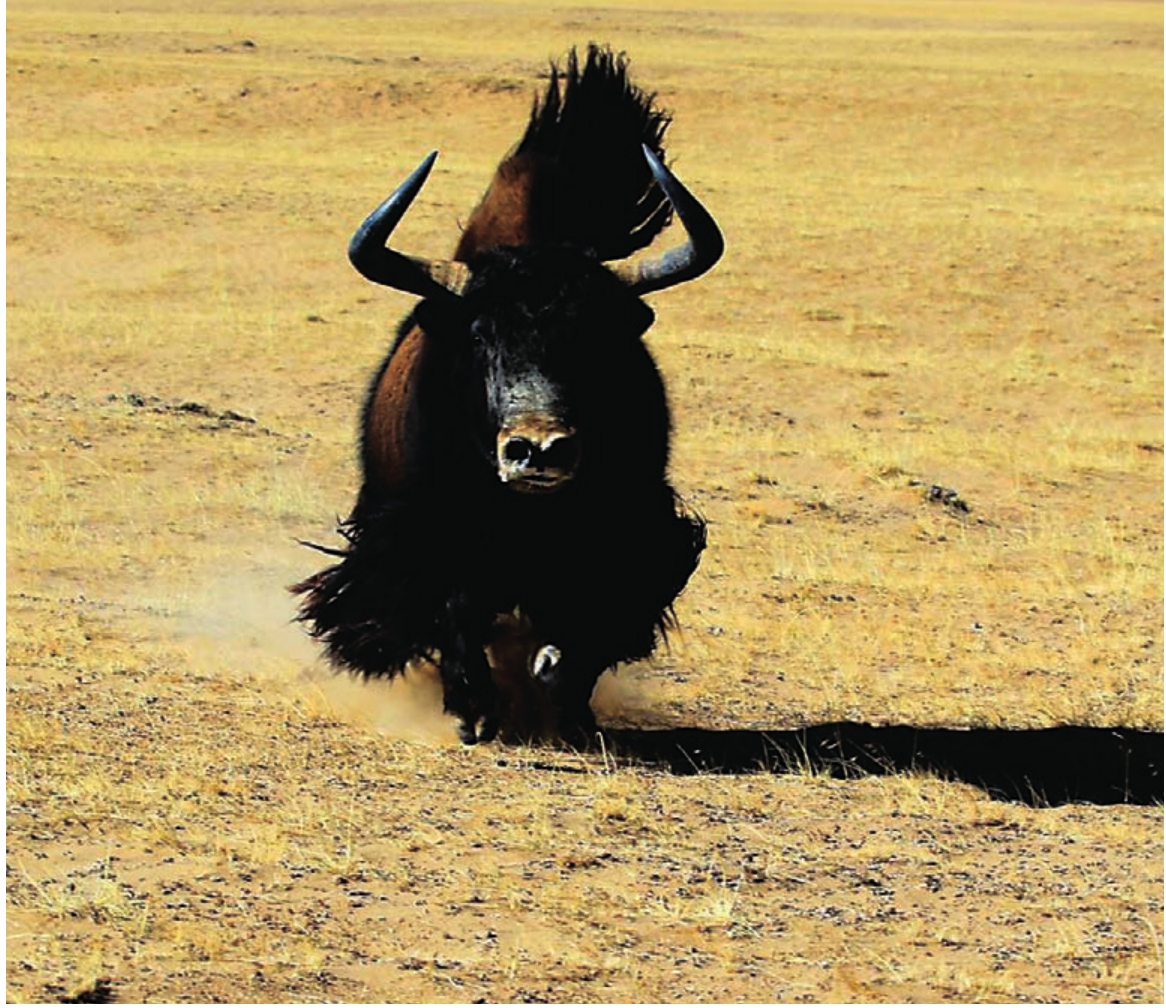
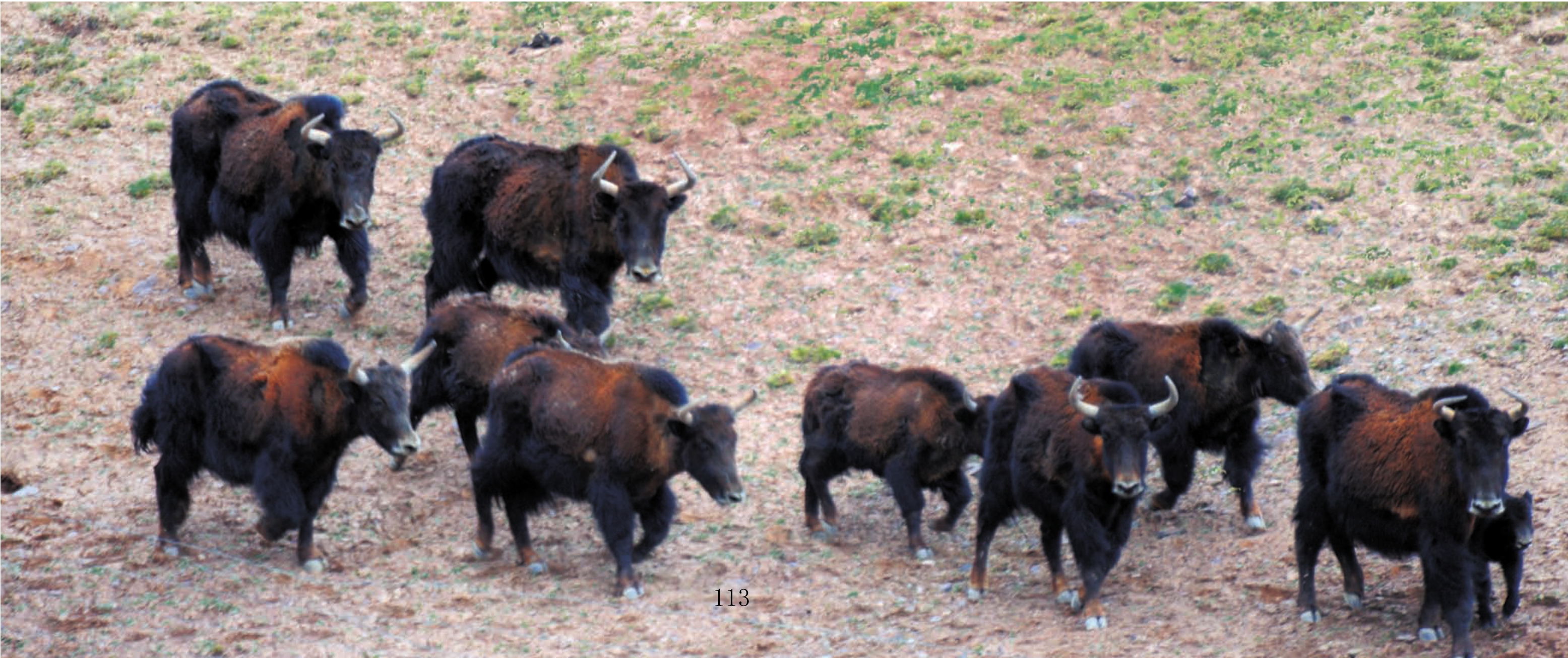
野牦牛偶蹄目·牛科国家一级保护动物

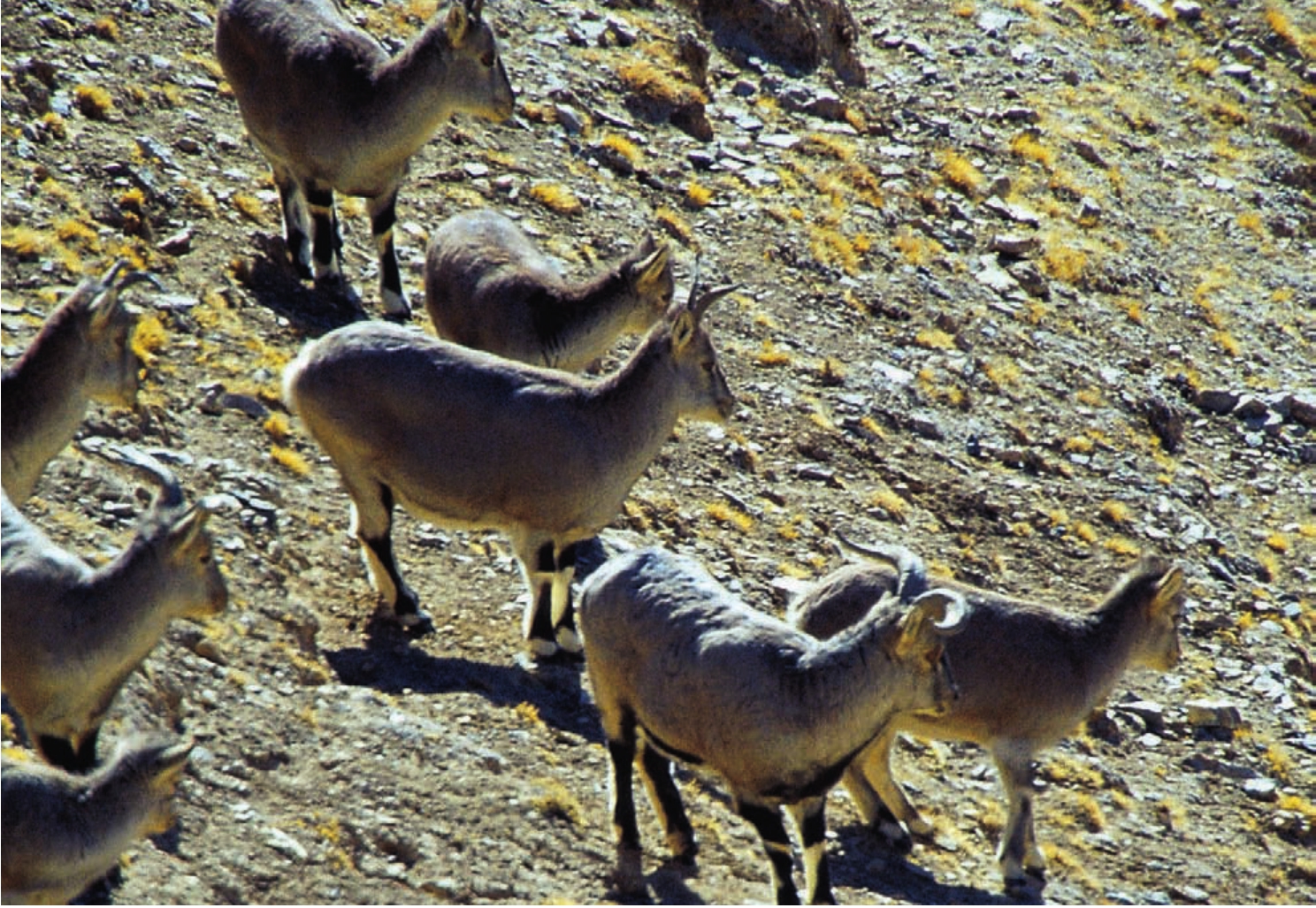
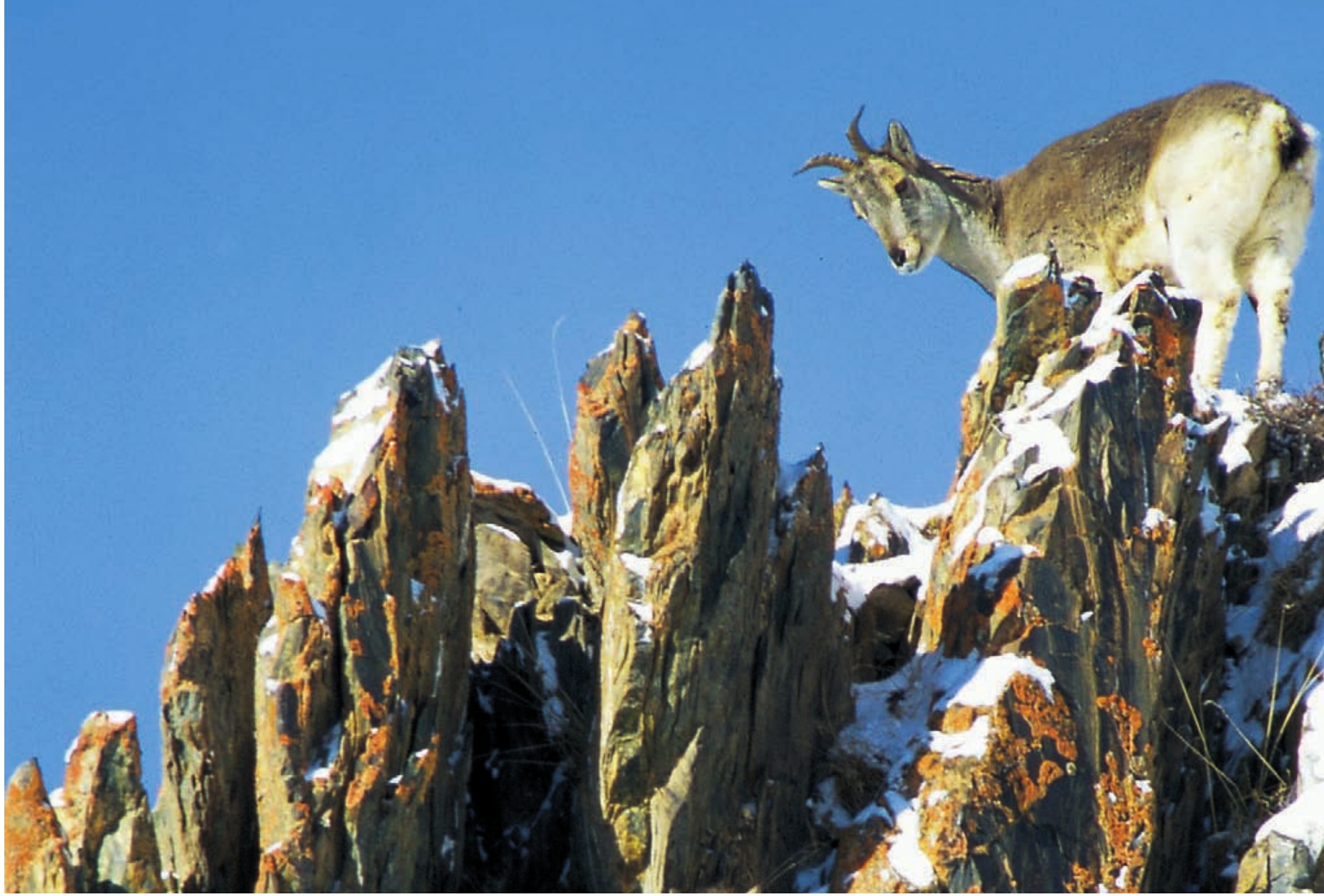
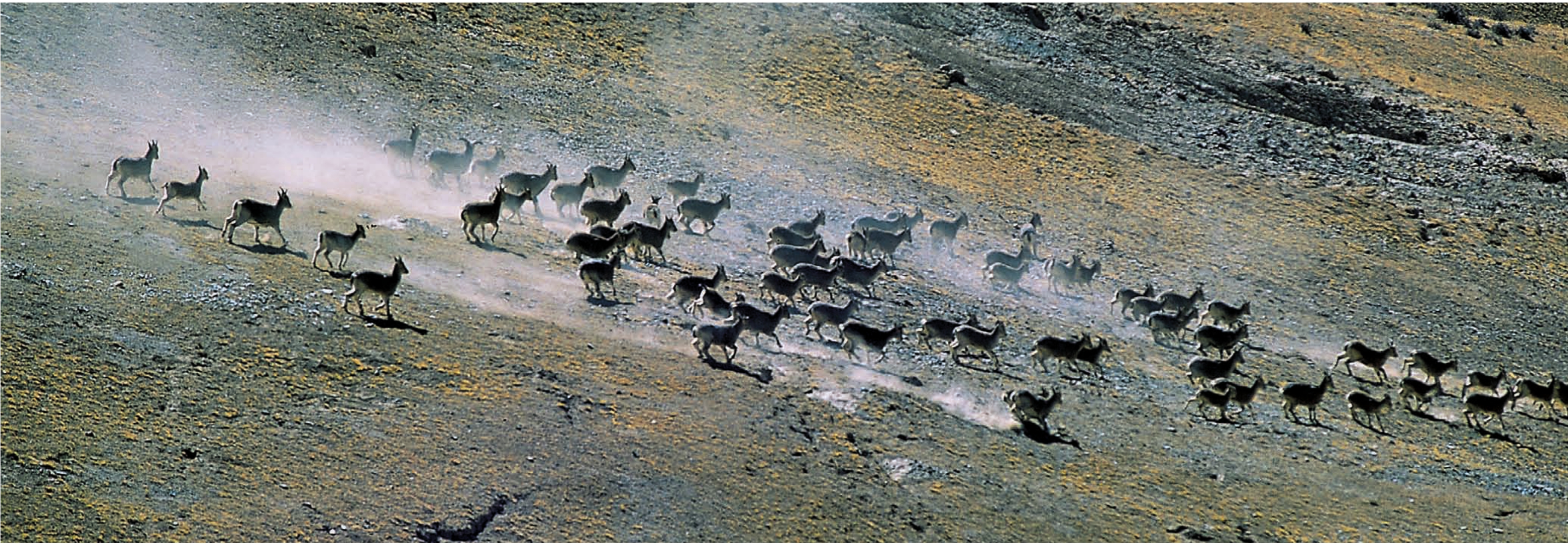
岩羊
岩羊是脊索动物门、脊椎动物亚门、哺乳纲、偶蹄目、牛科、岩羊属的唯一种。因喜攀登岩峰而得名,又名石羊,系青藏高原特有种。岩羊有3个亚种,分布于中国青藏高原、 四川西部、云南北部、内蒙古西部、甘肃、宁夏北部、新疆南部、陕西等地,以及毗邻的尼泊尔、锡金、克什米尔地区。栖息于海拔2500~5000米的无林山地。夏季结成十至数十只的群,冬季则结成数百只的大群,由1只或数只公羊率领。国家 二级保护动物。
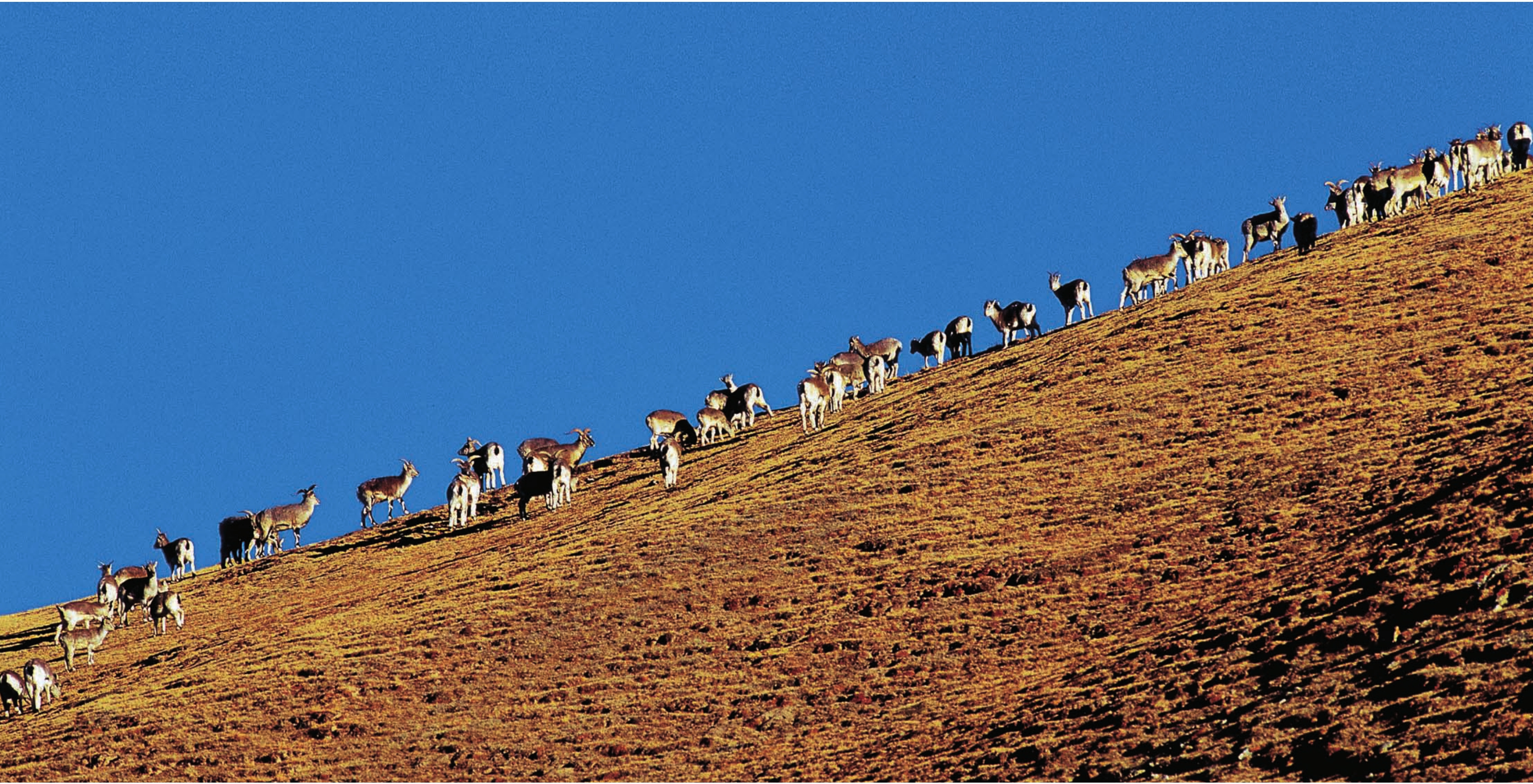
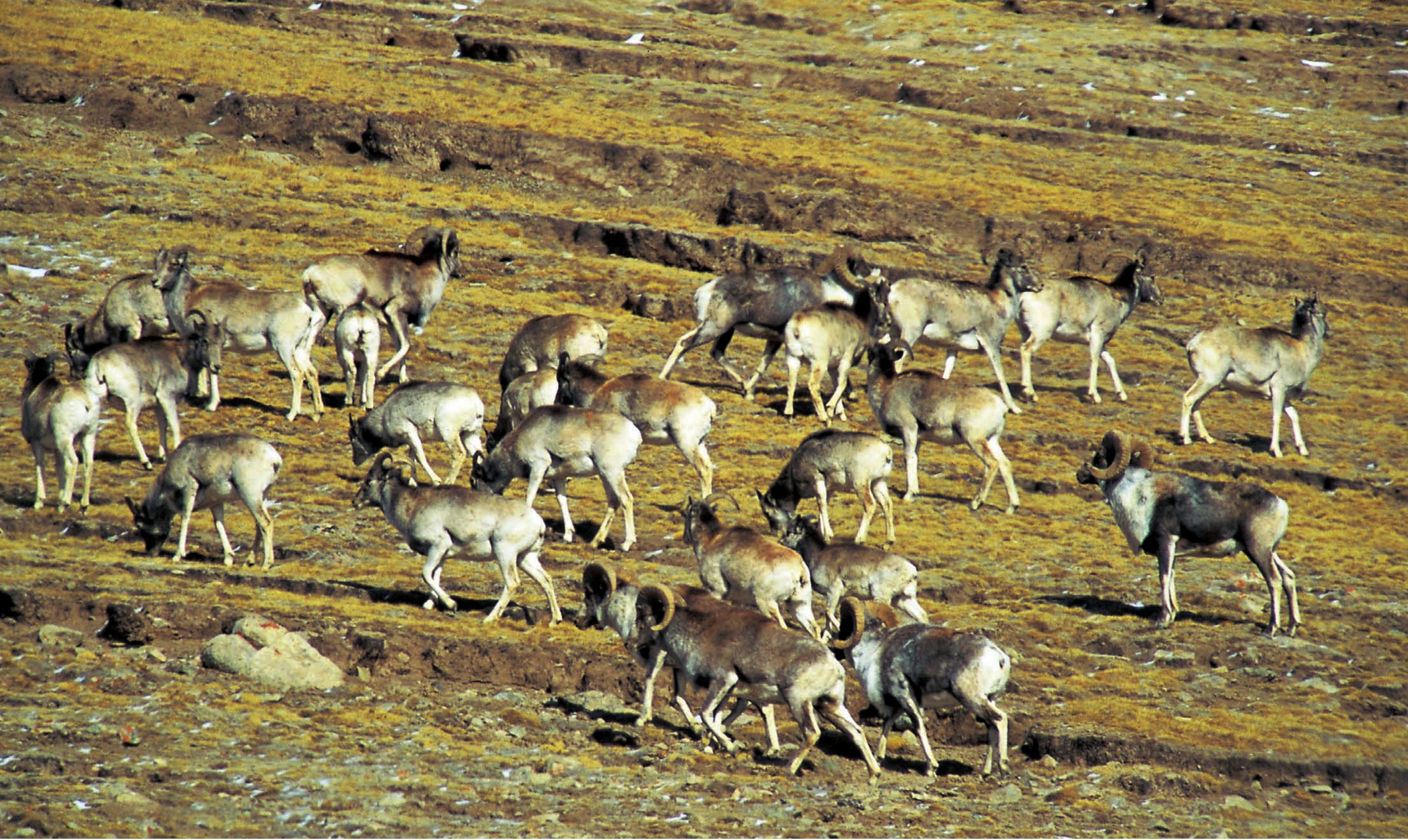
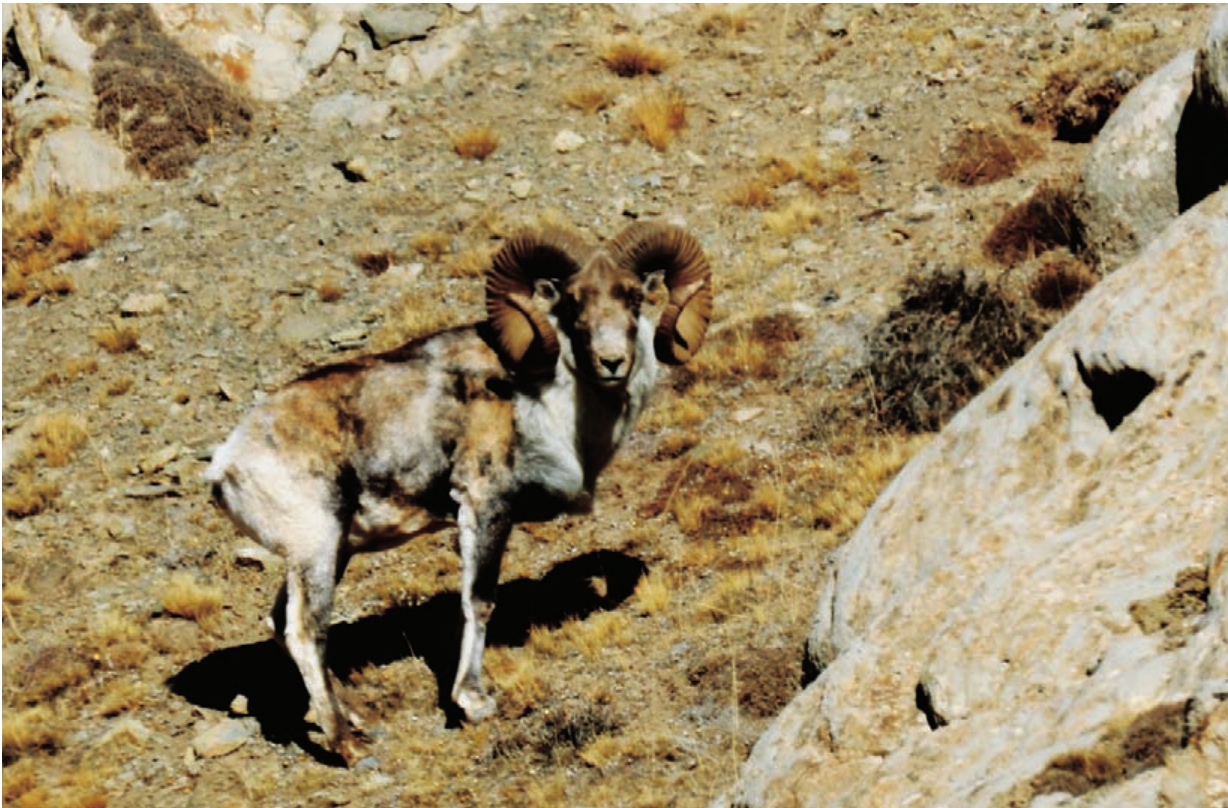
盘羊
盘羊,俗称大角羊、盘角羊,国家二级保护动物。 躯体肥壮,体长150-180厘米,肩高50-70厘米,体重110千克左右,体色一般为褐灰色或灰色。主要分布于亚洲中部广阔地区。属濒临灭绝的珍稀保护动物。盘羊栖息于沙漠和山地交界的冲积平原和山地低谷中。它们喜欢开阔、干燥的沙漠和大草原。嗅觉灵敏,不易接近。

藏羚羊
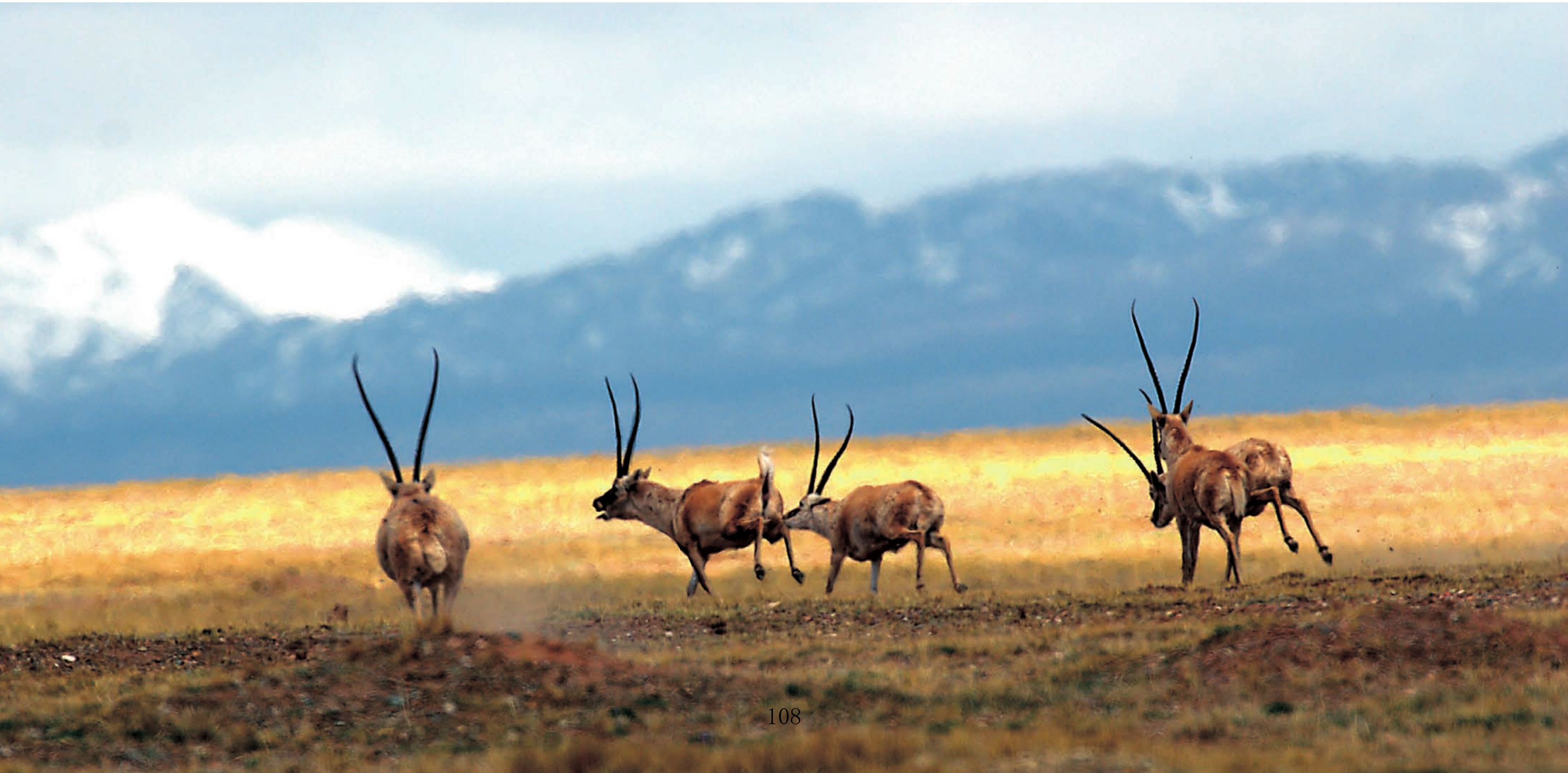
藏羚羊为羚羊亚科藏羚属动物,是中国重要珍稀物种之一,国家一级保护动物。体形与黄羊相似,体长为117-146厘米,尾长15-20厘米,肩高75-91厘米,体重45-60千克。主要栖息于海拔4600-6000米的荒漠草甸高原、高原草原等环境中。性情胆怯,早晨和黄昏结小群活动、觅食。藏羚羊善于奔跑,最高时速可达80公里,寿命最长8年左右。 雌藏羚羊生育后代时都要千里迢迢地到可可西里生育。主要分布在新疆、青海、西藏的高原上,另有零星个体分布在印度地区。
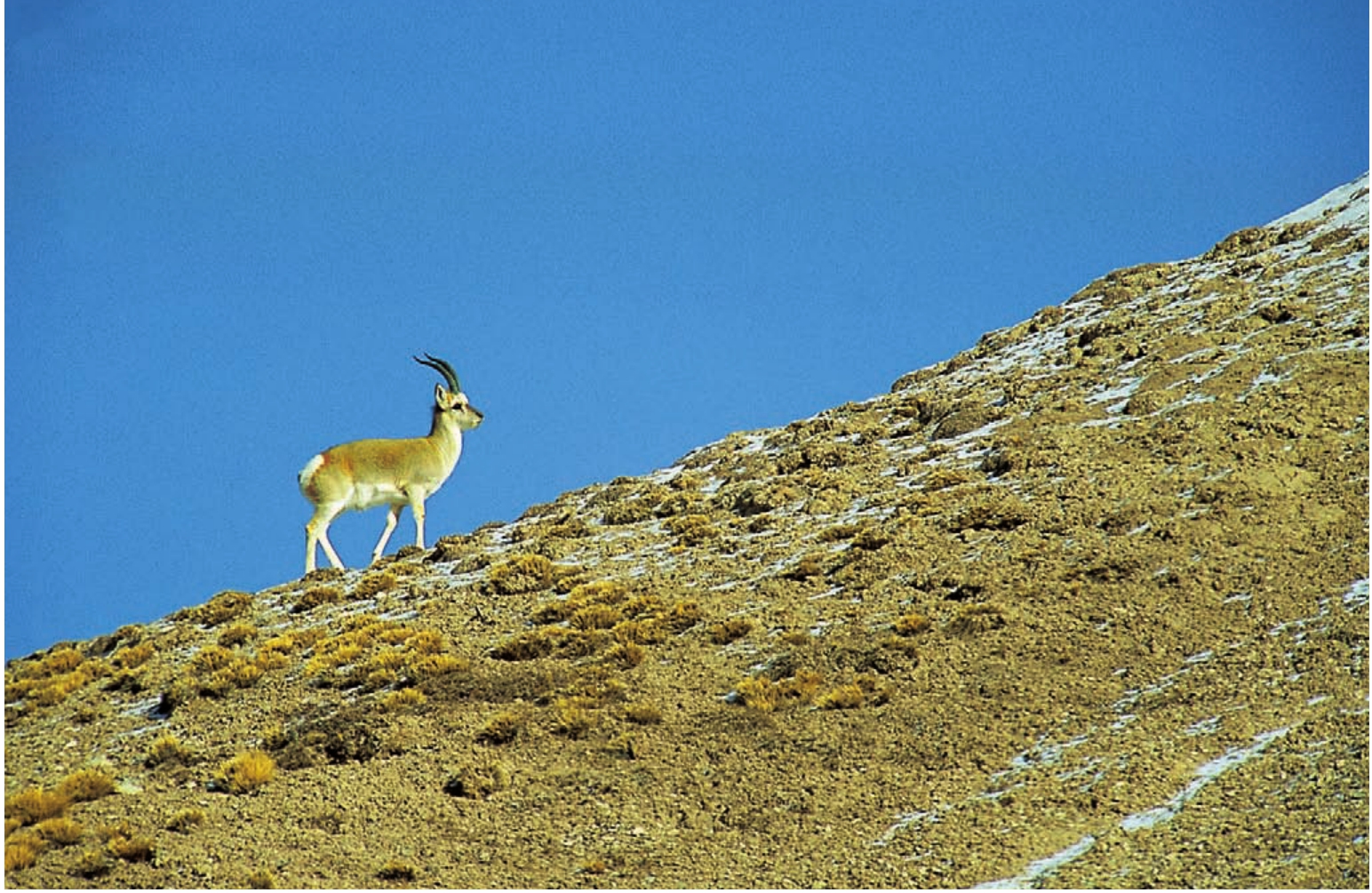
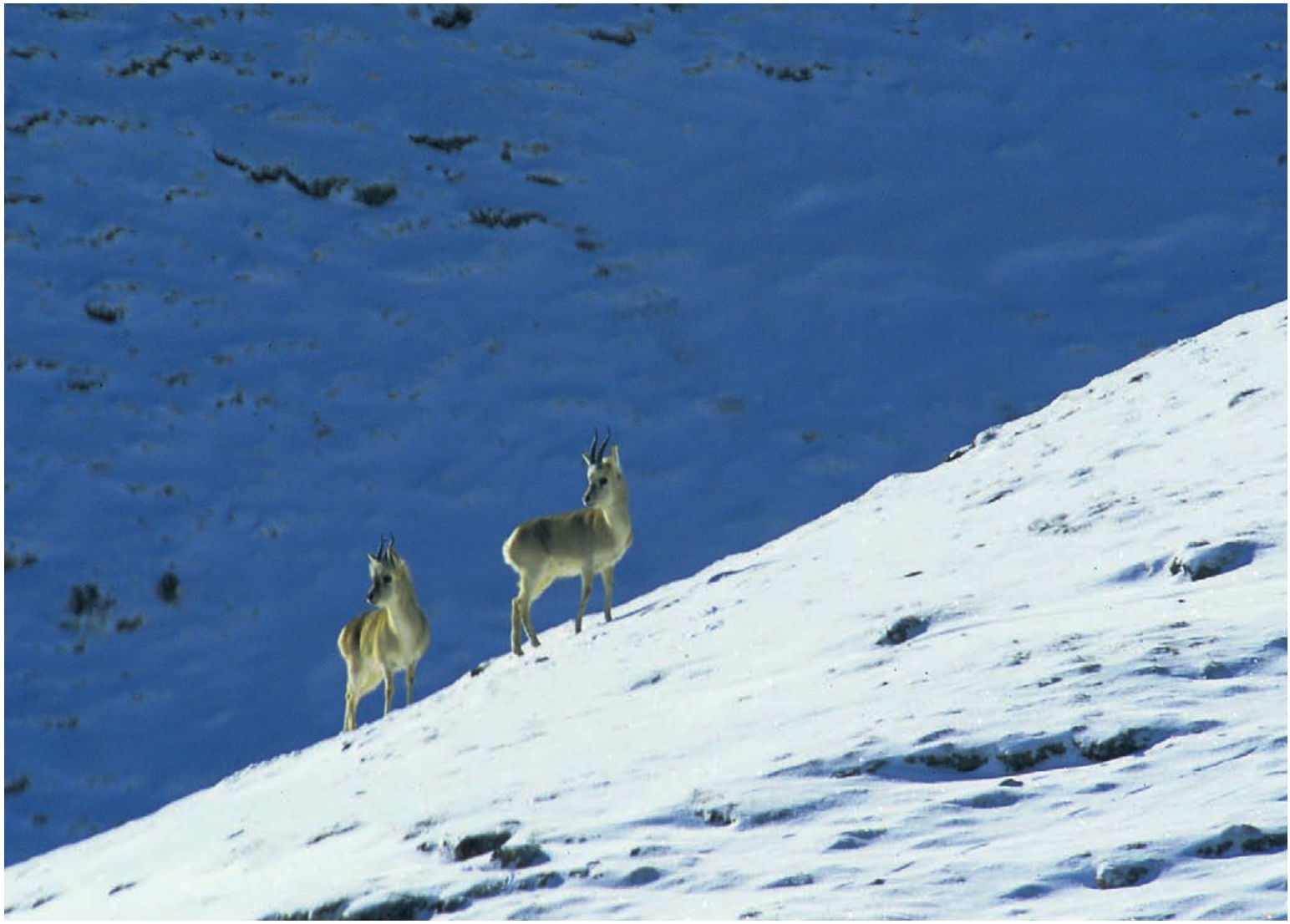
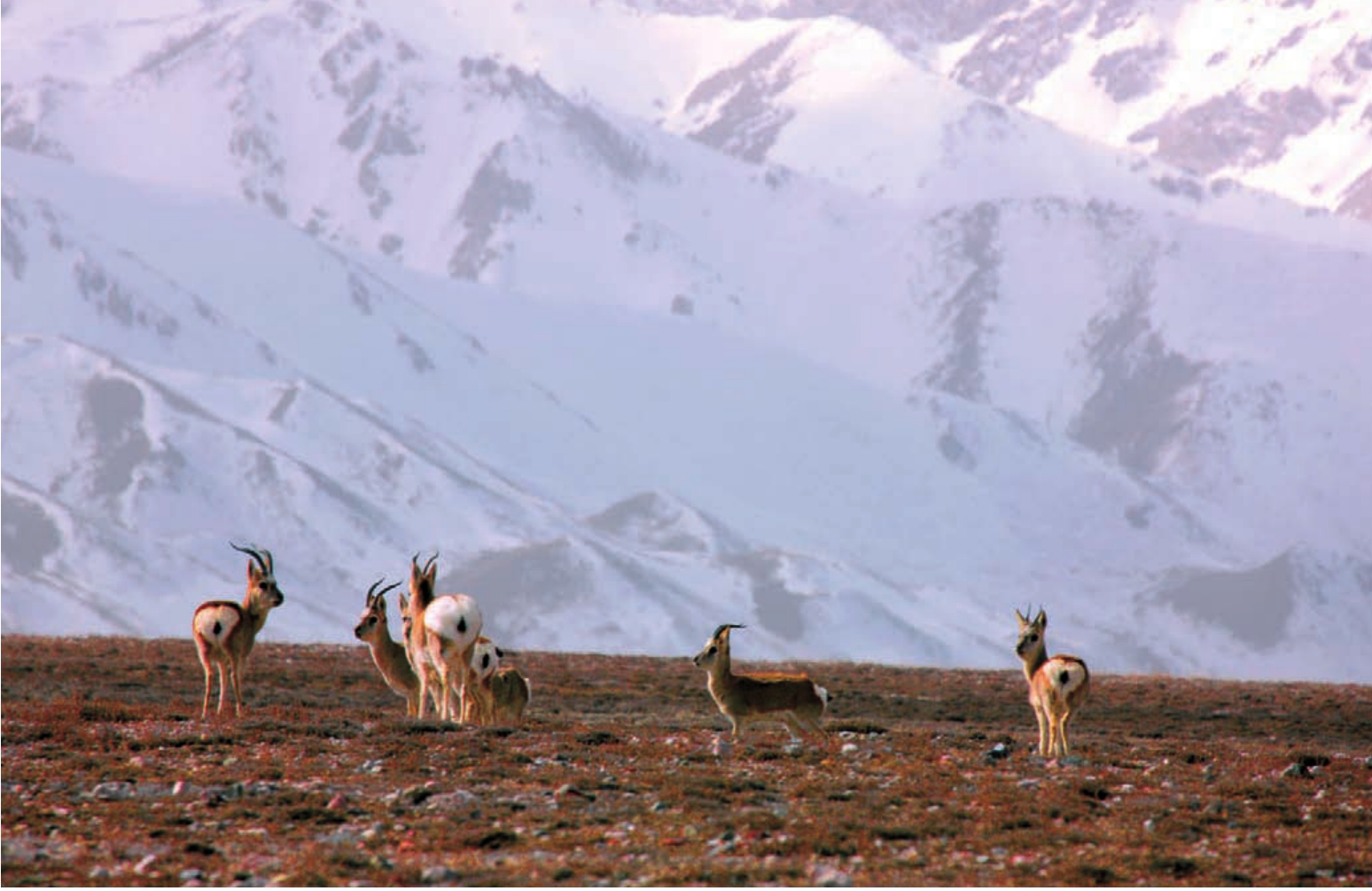
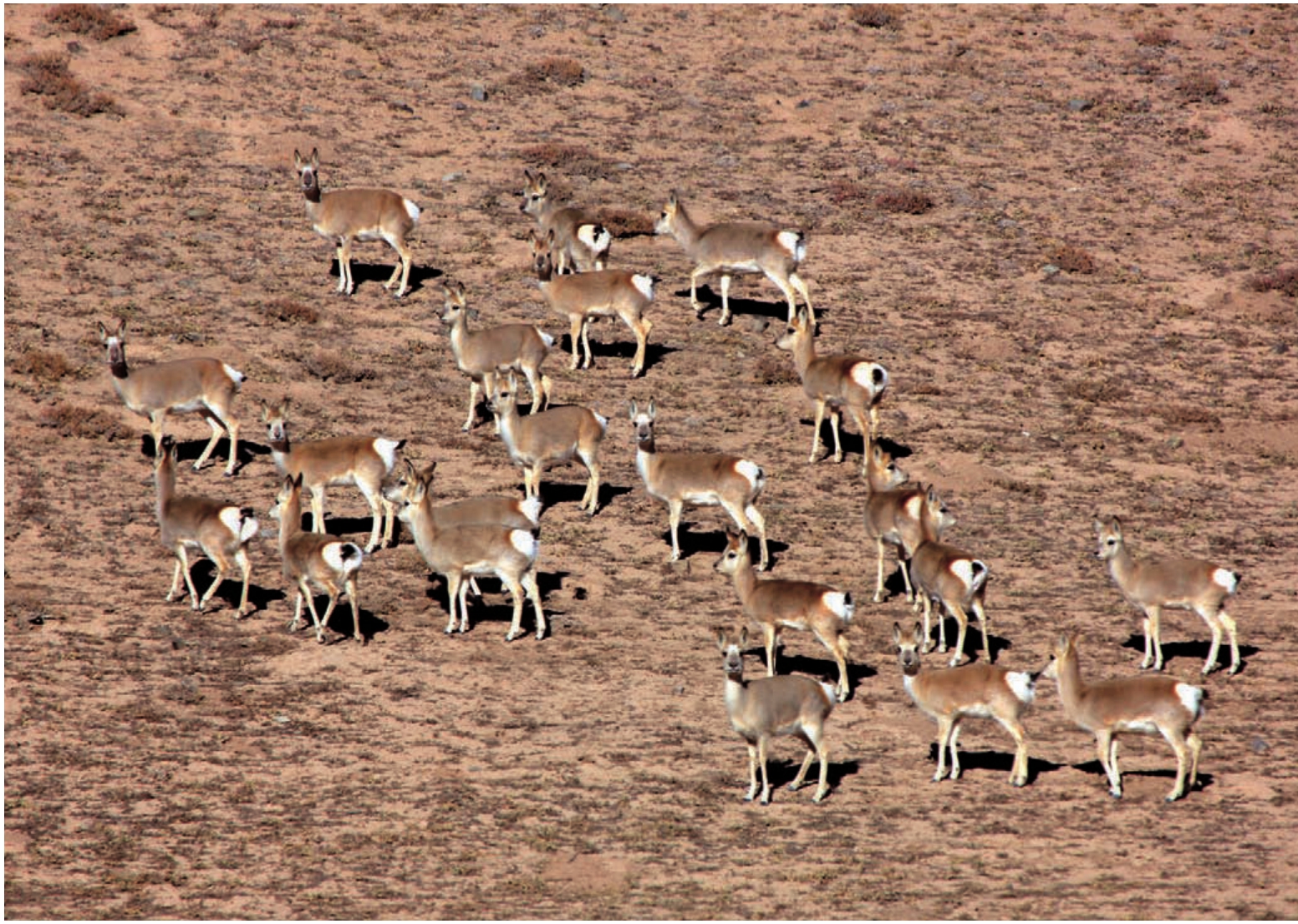
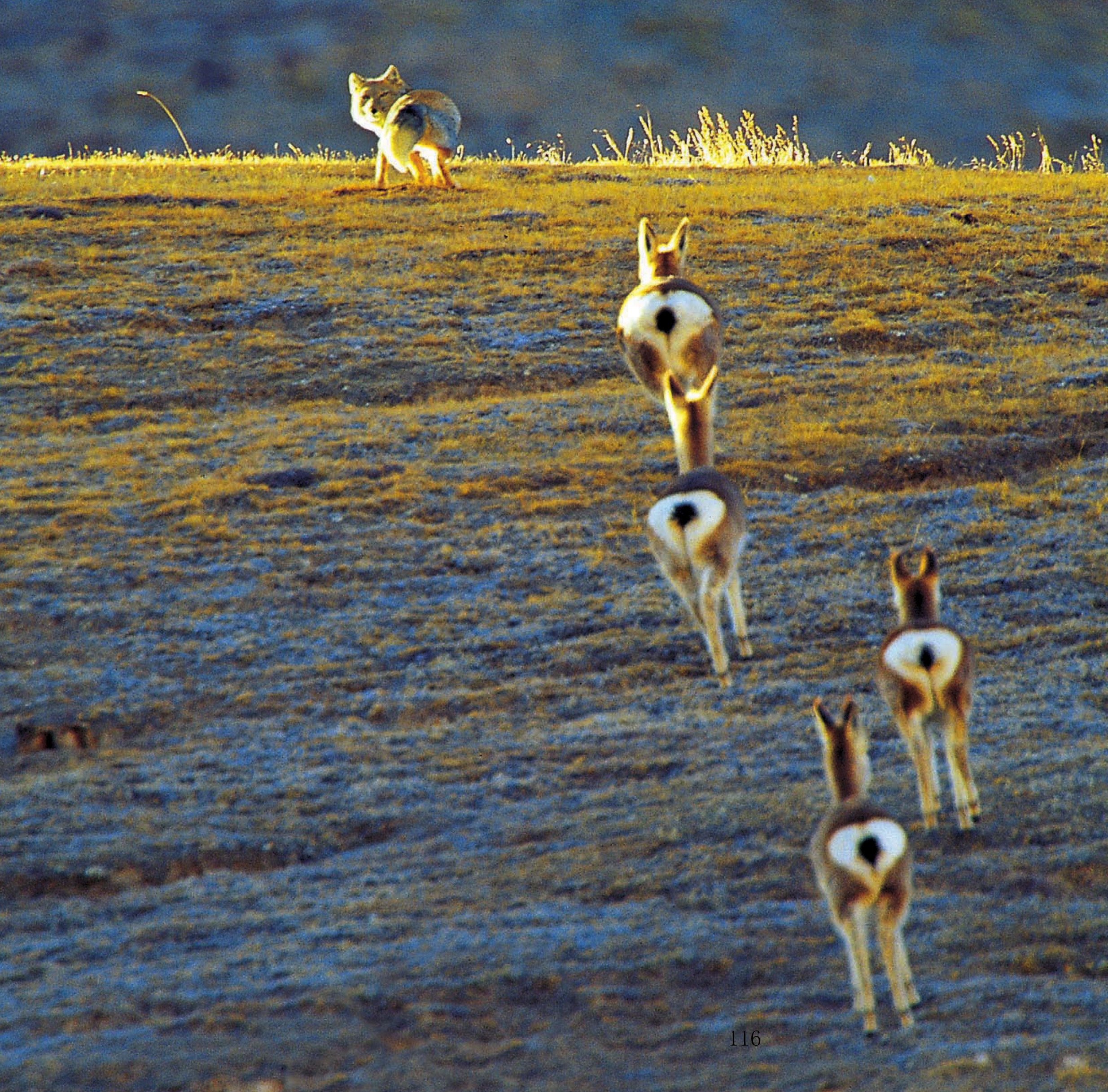
藏原羚
藏原羚,又称西藏黄羊、山黄羊、白屁股羊。体型瘦小,四肢细,尾短。臀部有一明显的白色大斑。臀斑周围呈锈棕色,故白斑更加引人注目。
它形似黄羊,但娇小。雄兽有角,角细长,由头部升起,弯向后方,并稍呈分歧状。栖息于海拔2000-6000米的高原荒漠、草原地带。在食料富足的地方,常结群成上百头的大群。由于体色与沙土颜色相似,所以较难发现。主要分布在西藏、青海高原上。
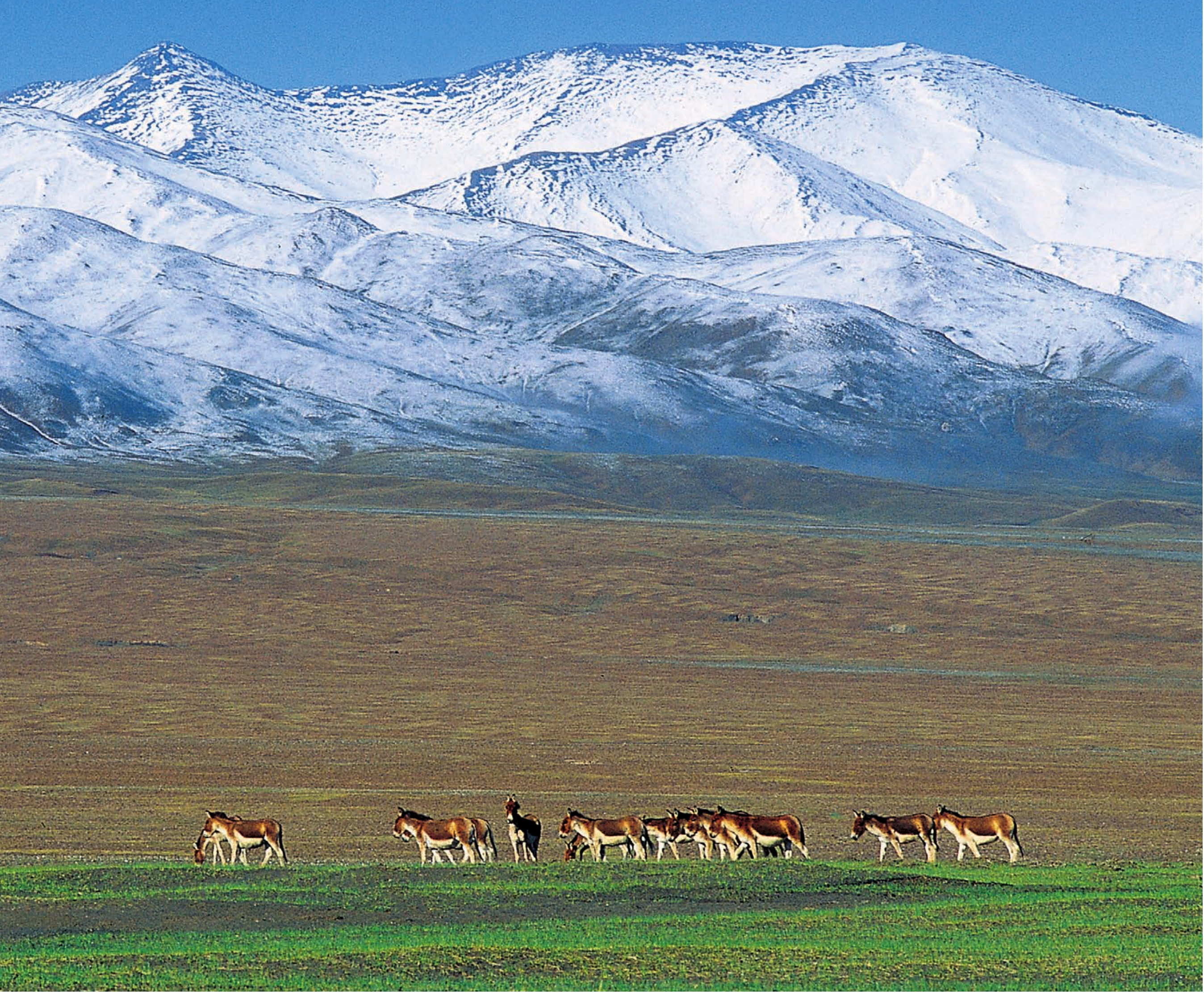
藏野驴
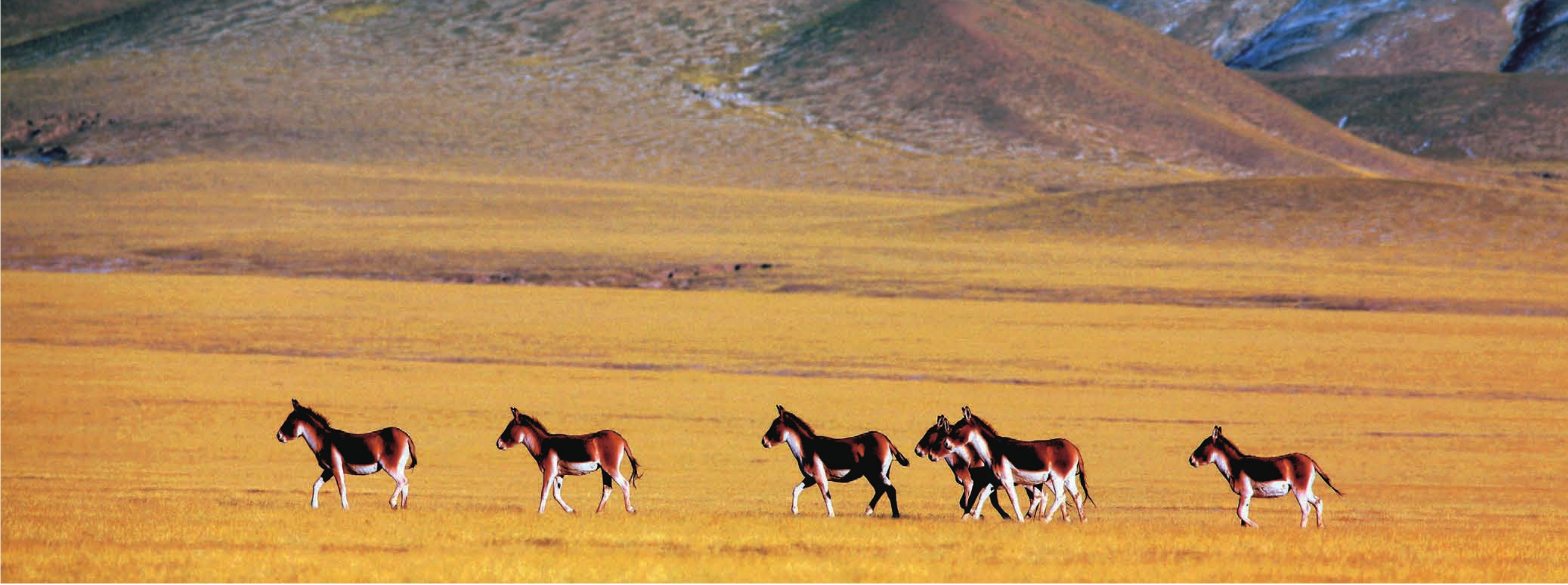
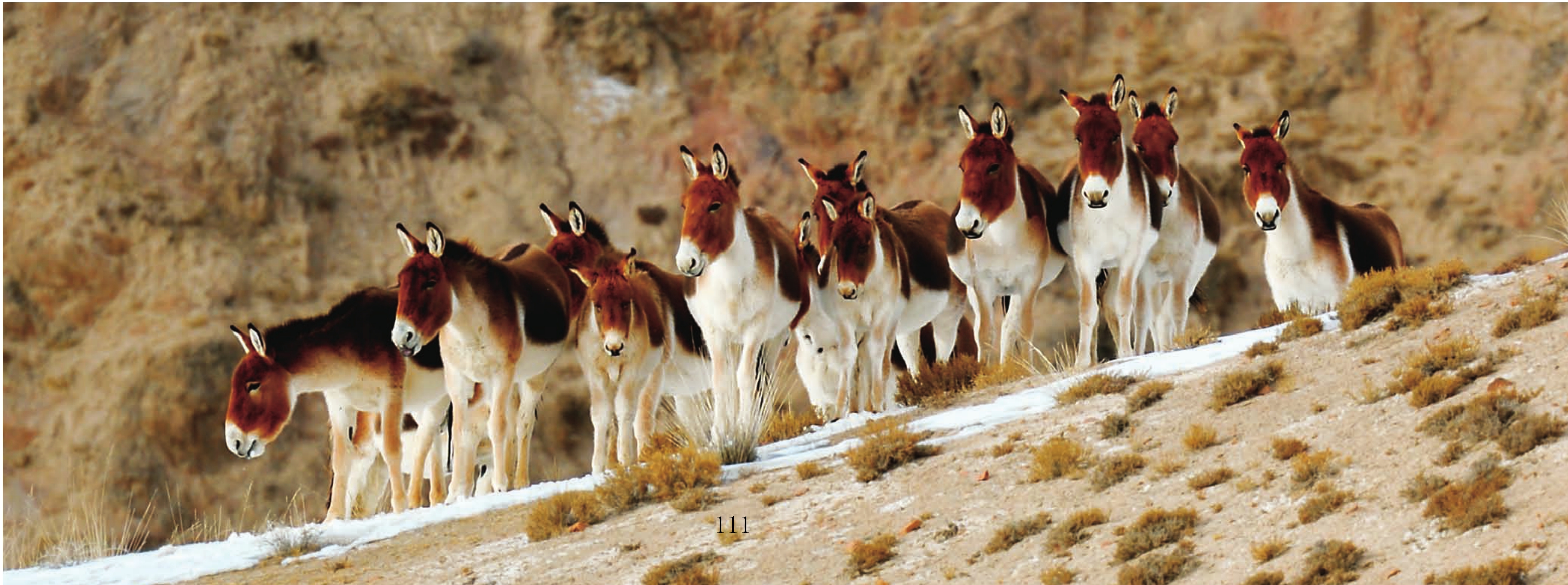
藏野驴,奇蹄目,马科,马属,青藏高原特有种,国家一级保护动物。藏野驴别名亚洲野驴,体形酷似驴、马杂交而产的骡子,因尾梢似马尾,所以有人又称其为“野马”。该物种为高原型动物,栖居于海拔3600米至5400米的地带,群居生活,对寒冷、日晒和风雪均具有极强的耐受力,多半由五六头组成小群,大的群体在十数头,最大群体可达上百头,小群由一头雄驴率领,游移生活。
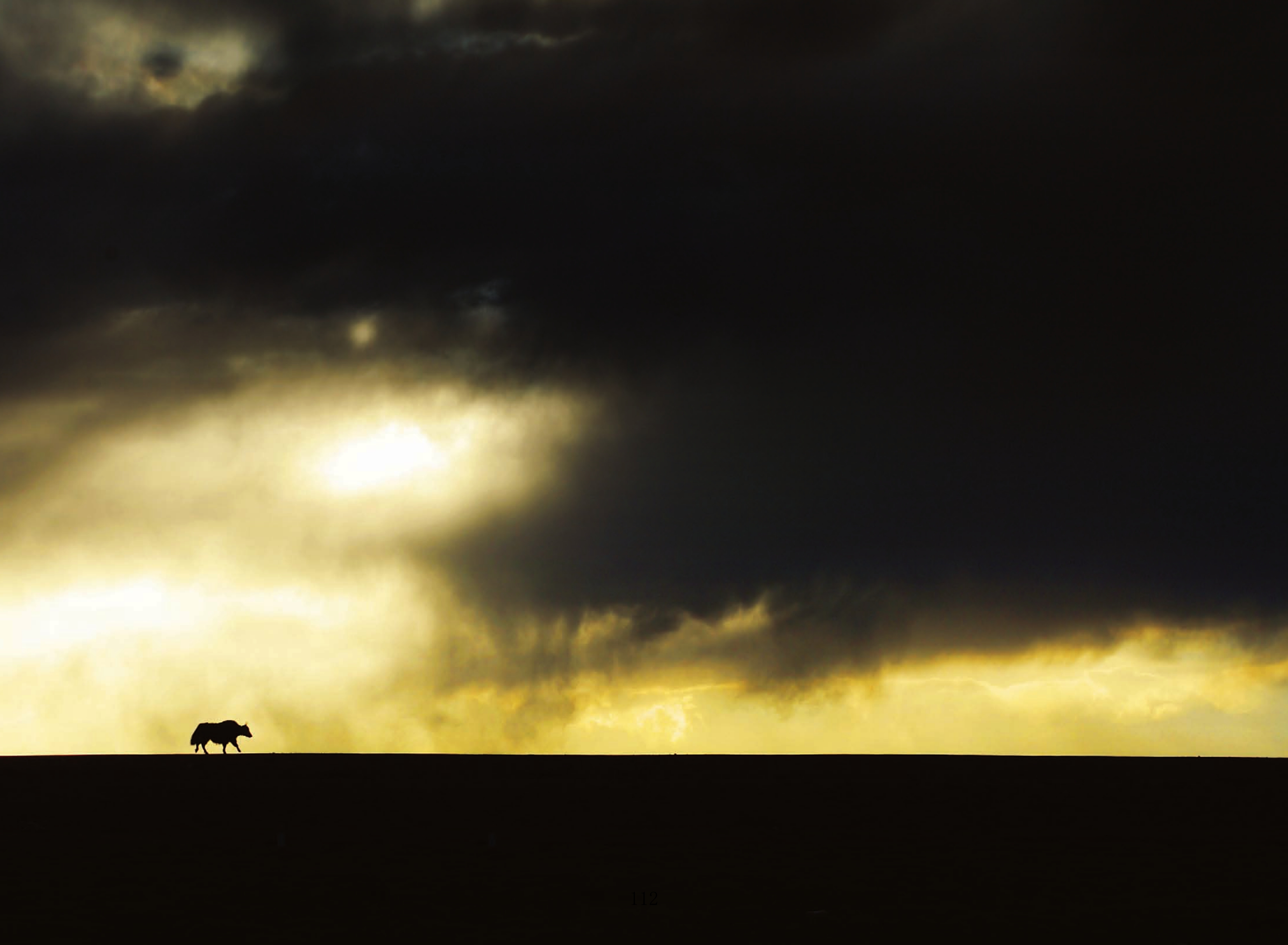
野牦牛
野牦牛又叫野牛,藏名音译亚归。偶蹄目、牛科、牦牛属。是家牦牛的野生同类,典型的高寒动物,极耐寒,青藏高原特有牛种,为国家一类保护动物。分布于新疆南部、青海、西藏、甘肃西北部和四川西部等地。栖息于海拔3000-6000米的高山草甸地带、人迹罕至的高山大峰、山间盆地、高寒草原、高寒荒漠草原等各种环境中。

白唇鹿
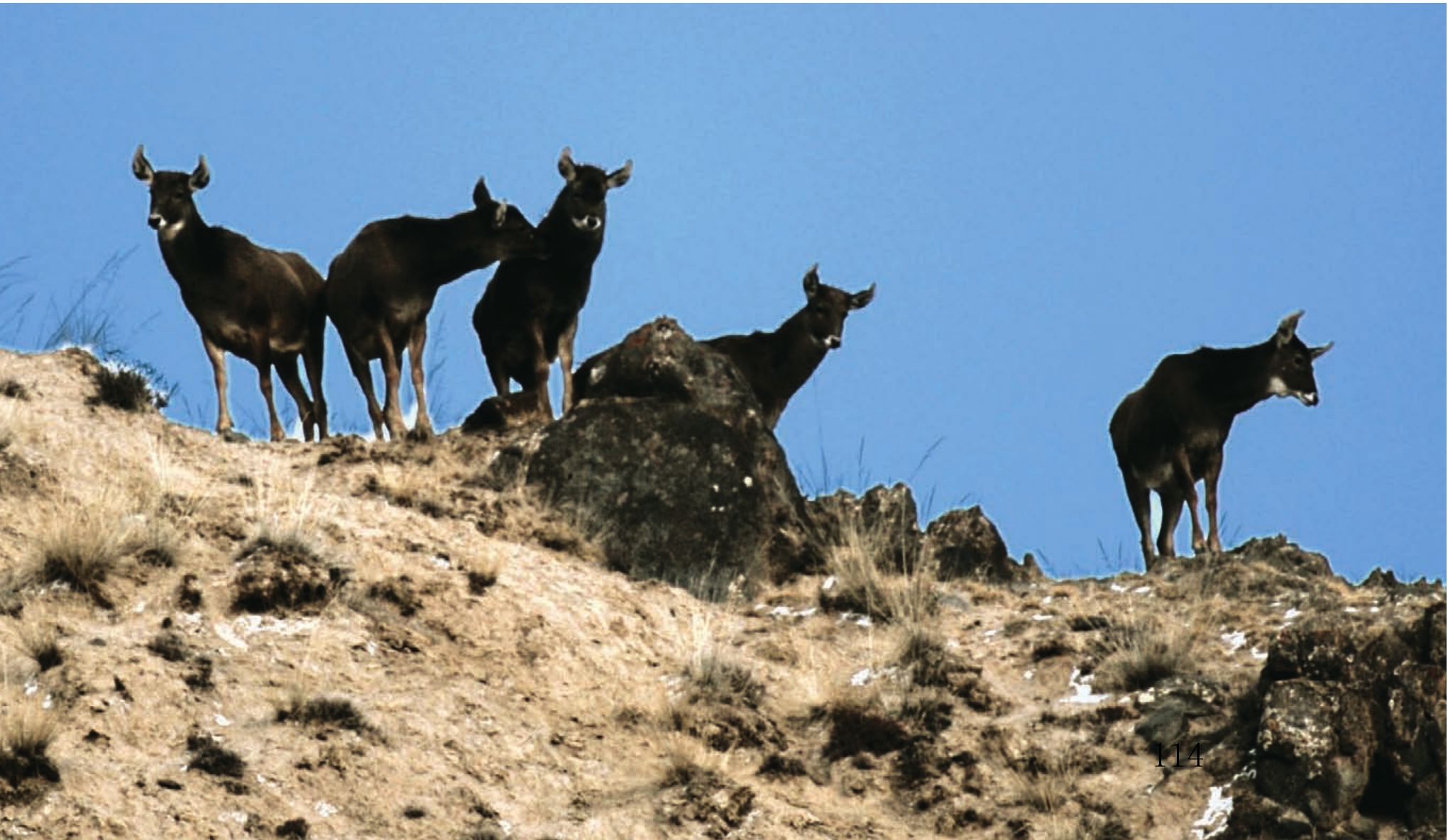
白唇鹿又名岩鹿、白鼻鹿、黄鹿、“哈马”(藏语), 为大型鹿类,体型大小与水鹿、马鹿相似。唇的周围和下颌为白色,为中国特产动物。白唇鹿是一种典型的高寒地区的山地动物,已列为国家一级保护动物。属青藏高原特有种,分布青海、甘肃及四川西部、西藏东部。
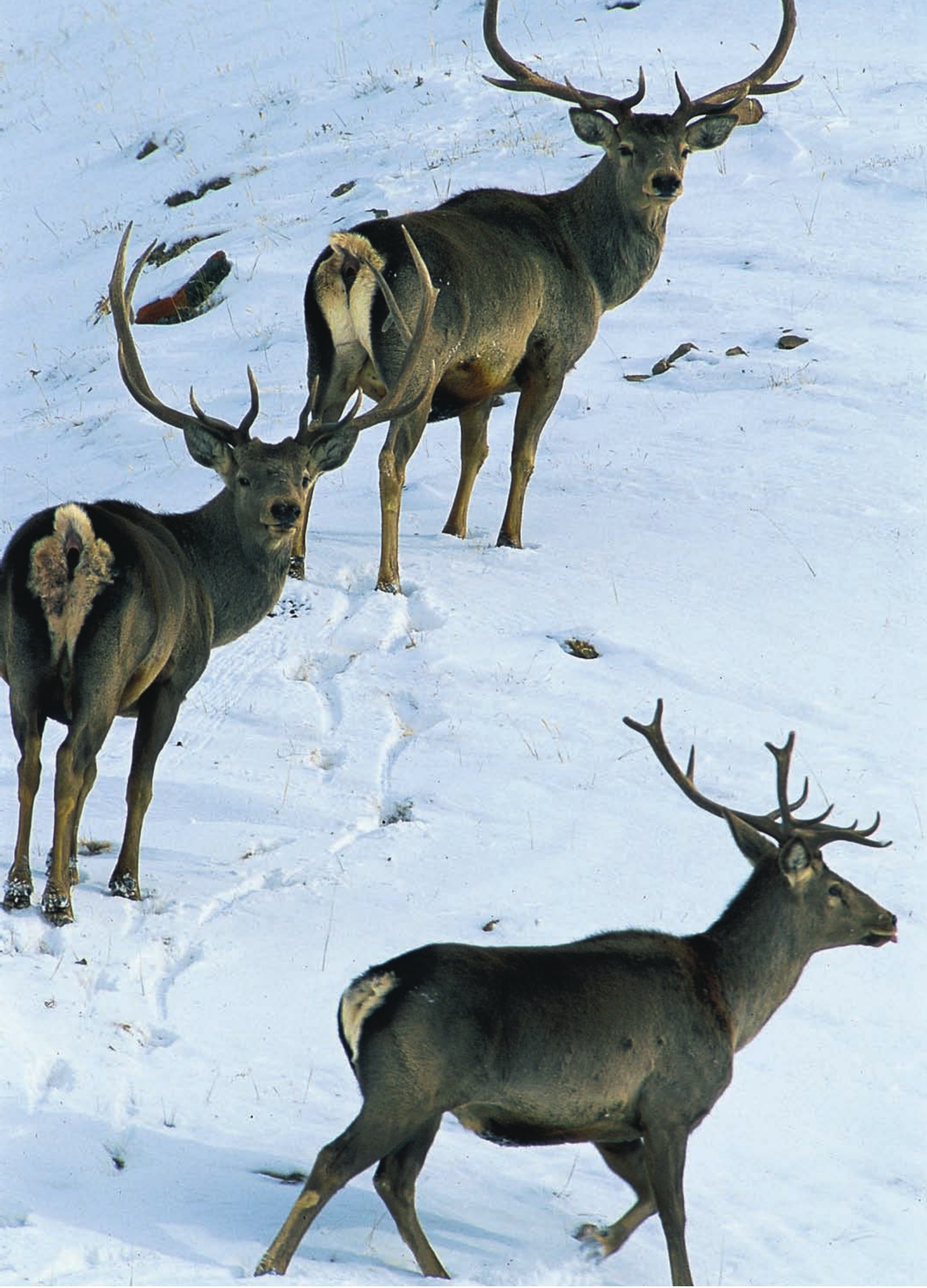
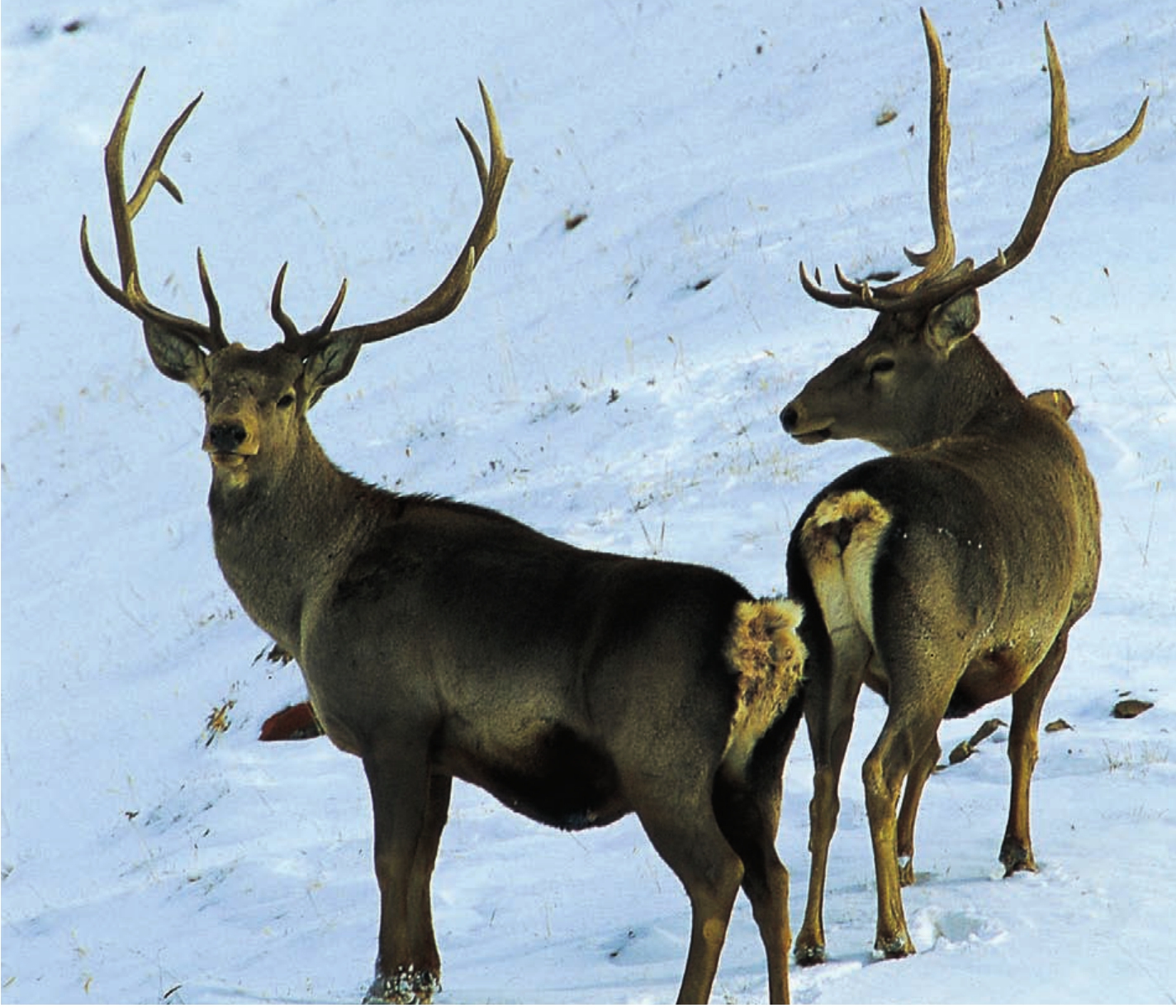
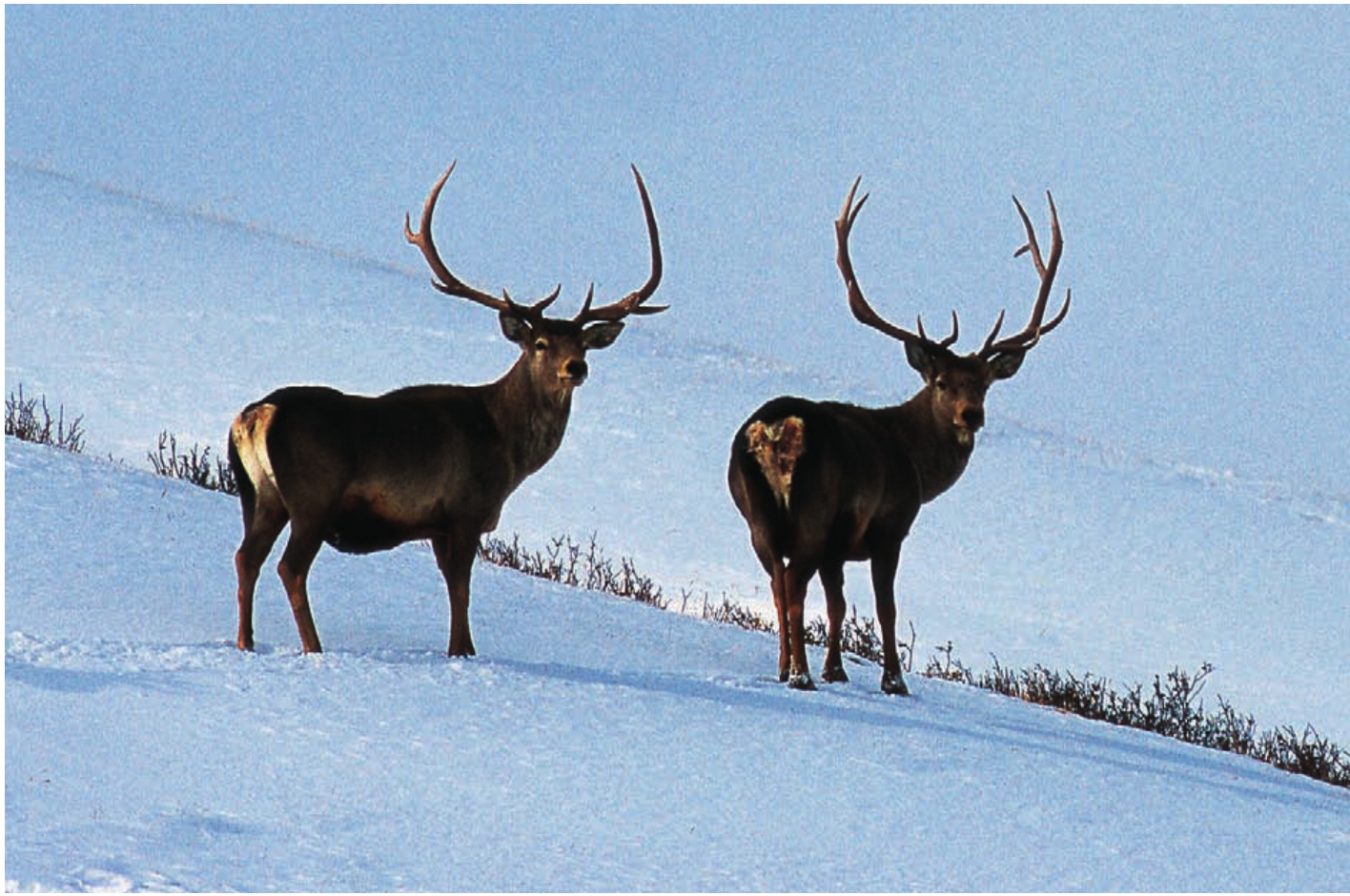
马鹿
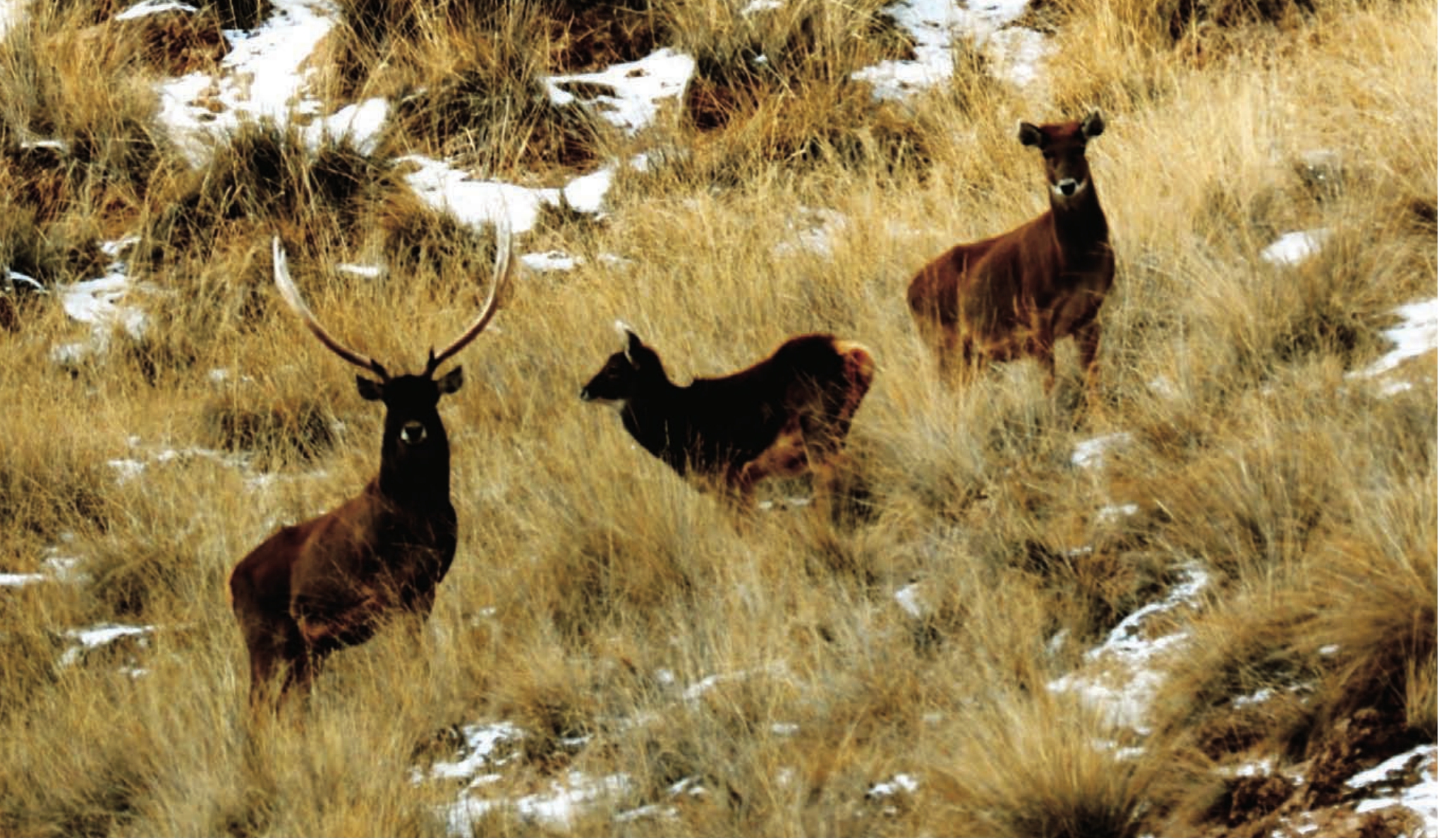
马鹿是仅次于驼鹿的大型鹿类,因为体形似骏马而得名,体长为160-250厘米,尾长12-15厘米,肩高约150厘米,体重一般为150-250千克,雌兽比雄兽小一些。它的夏毛较短,没有绒毛,一般为赤褐色,背面较深,腹面较浅,故有“赤鹿”之称。马鹿属于北方森林草原型动物,但由于分布范围较大,栖息环境也极为多样。
狐狸
狐狸,哺乳纲,犬科动物,又叫红狐、赤狐和草狐。它尖嘴大耳,长身短腿,身后拖着一条长长的大尾巴,全身棕红色,耳背黑色,尾尖白色,尾巴基部有个小孔,能放出一种刺鼻的臭气。
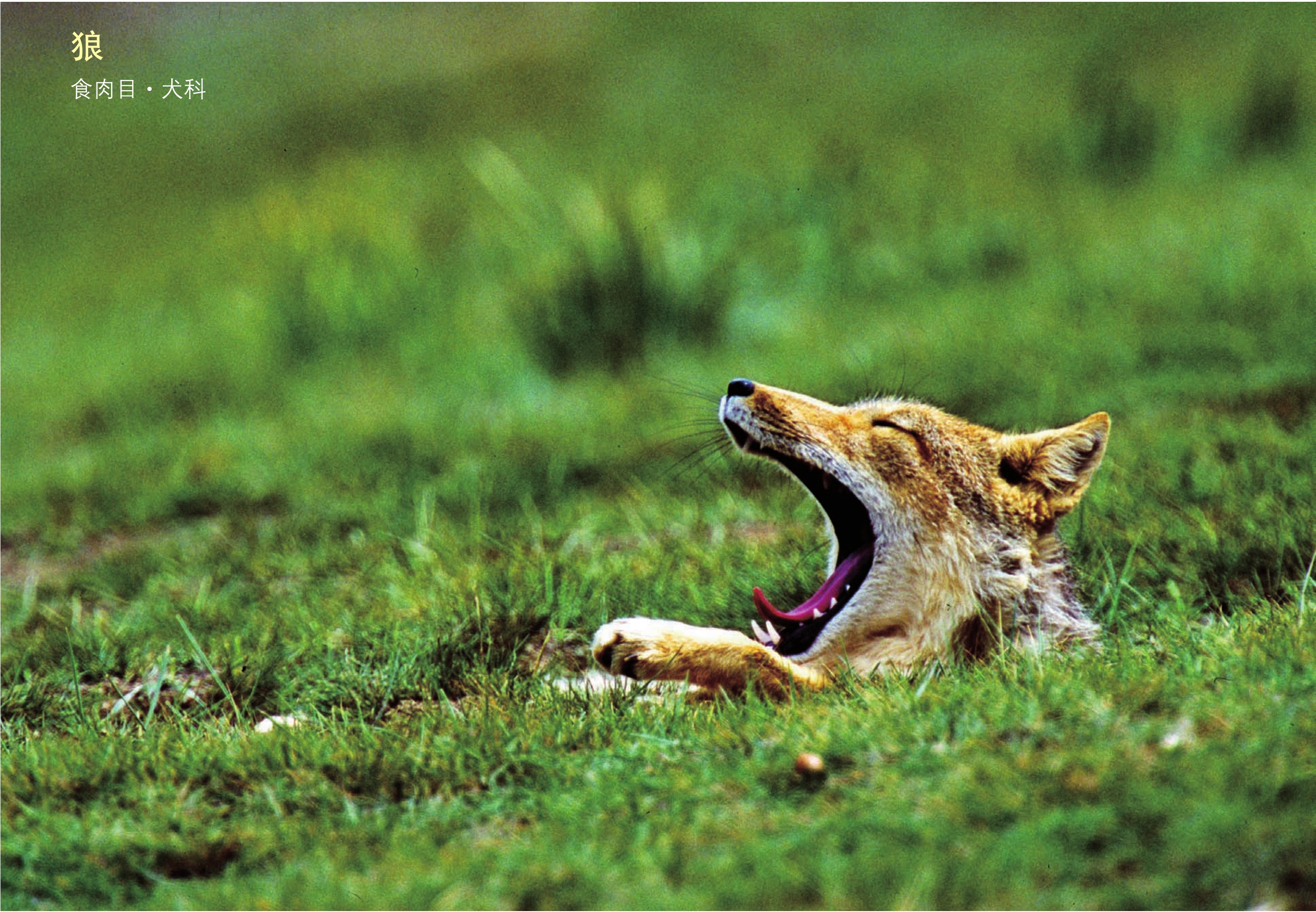
狼食肉目·犬科
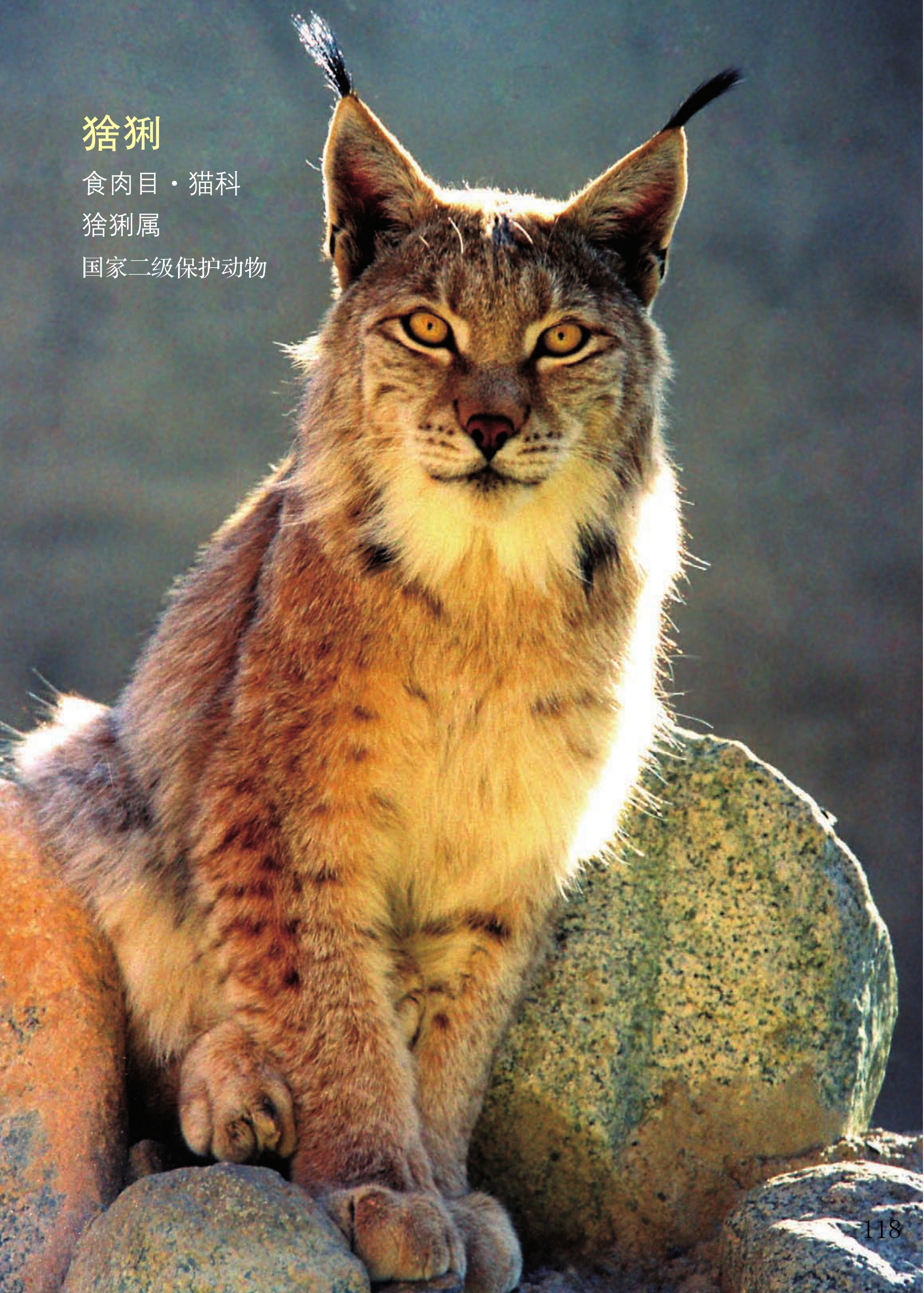
猞猁食肉目·猫科猞猁属国家二级保护动物
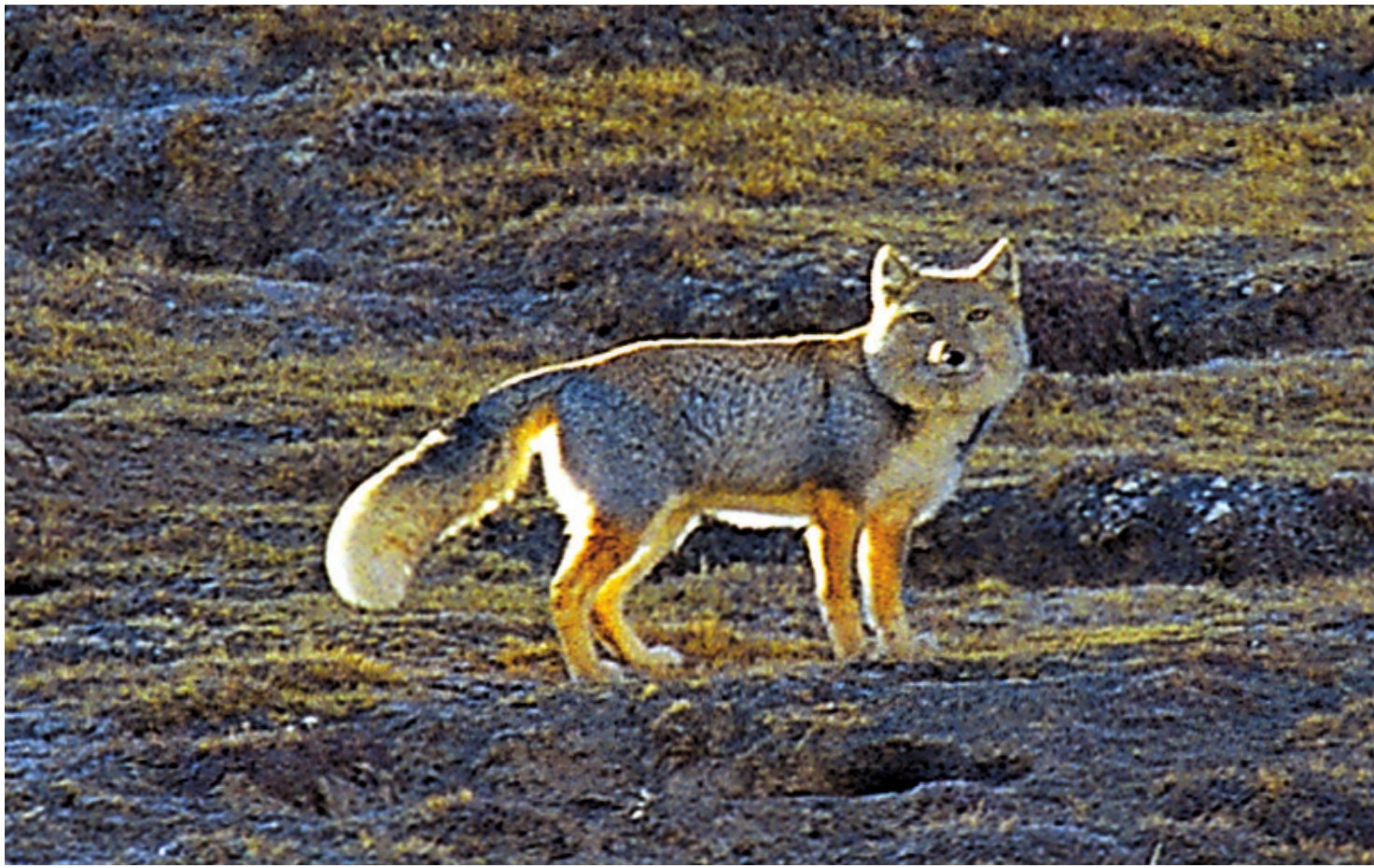
狐狸
雪豹

棕熊食肉目·熊科国家二级保护动物
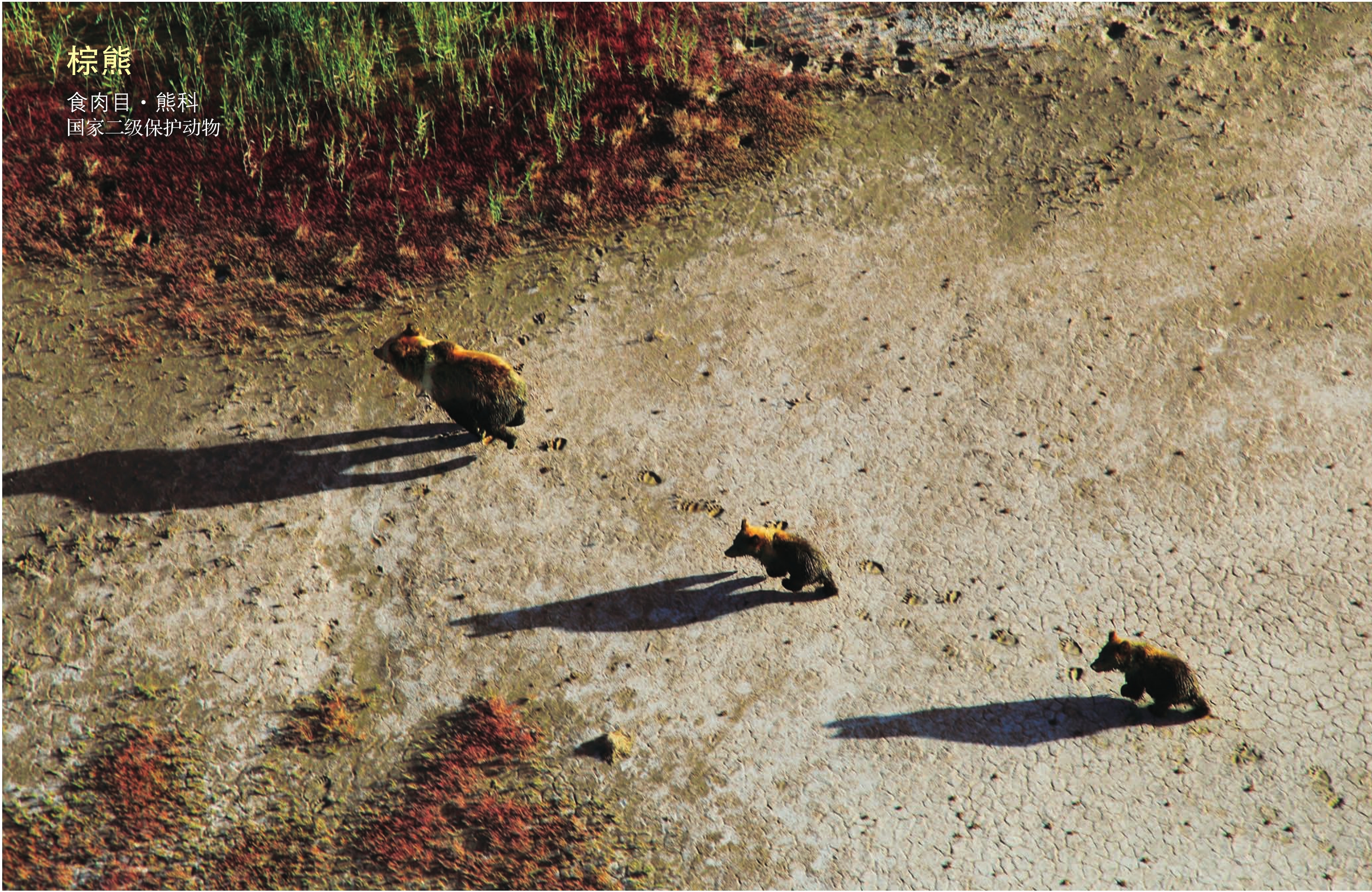

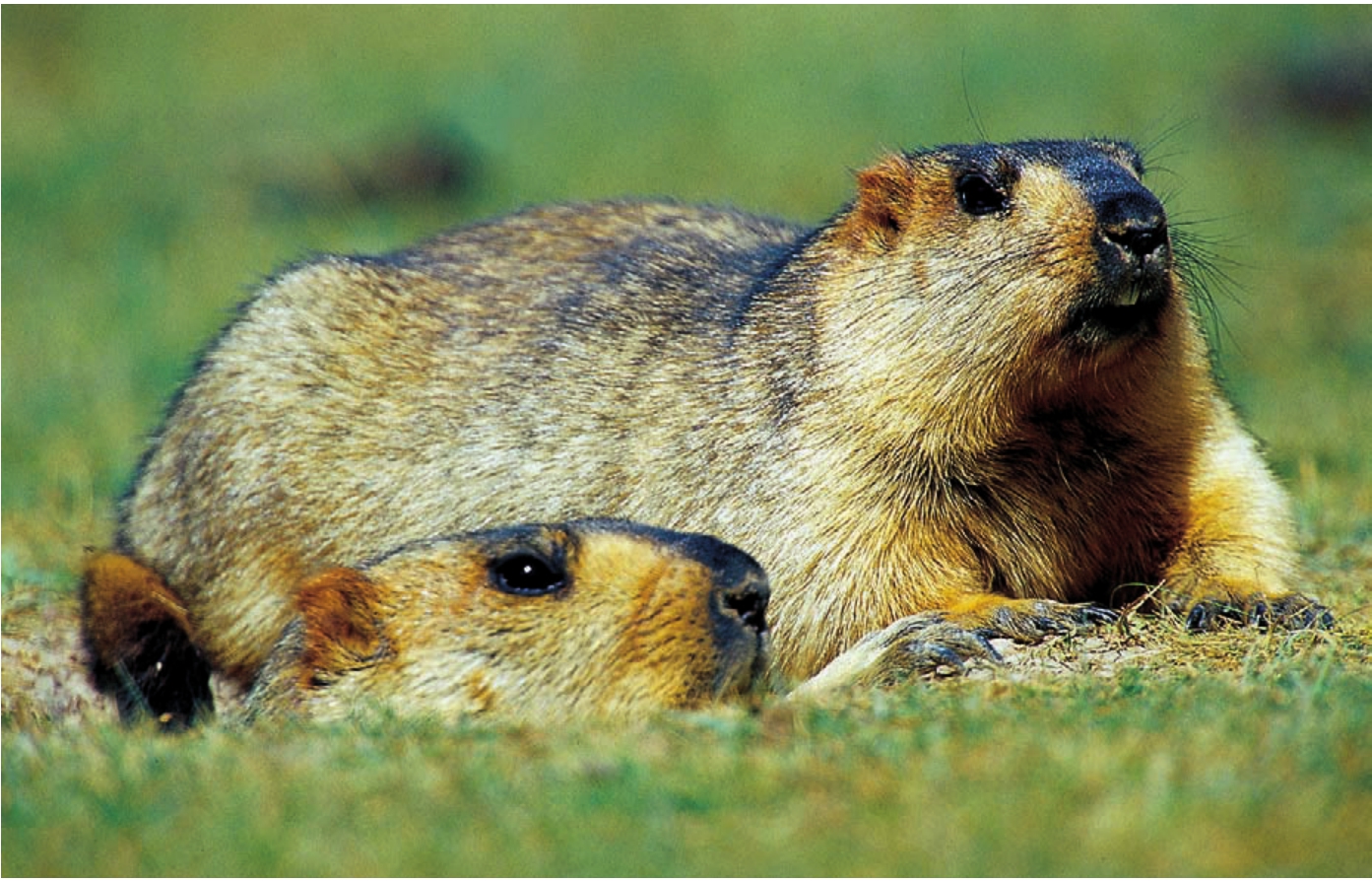
旱獭
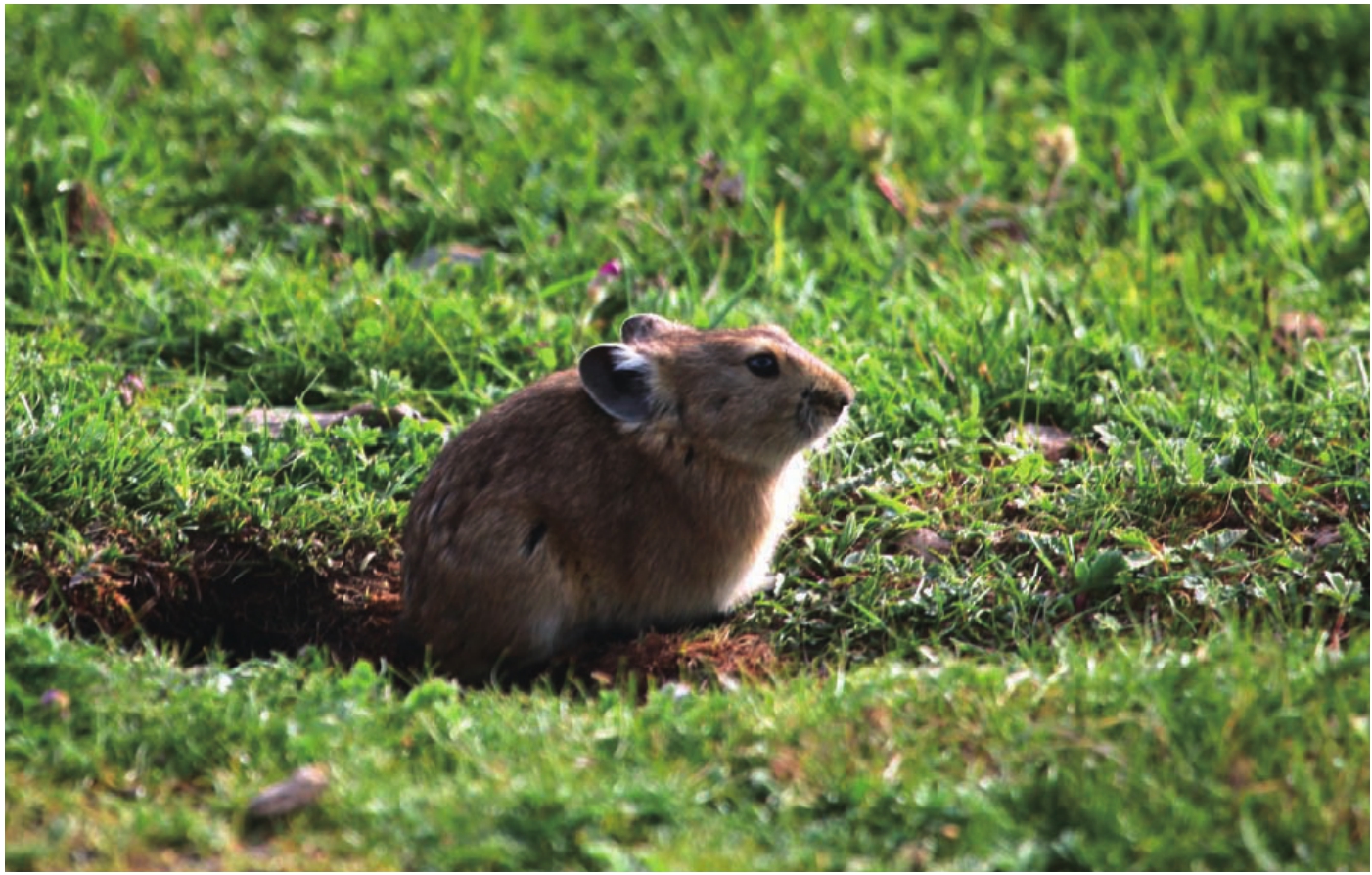
鼠兔
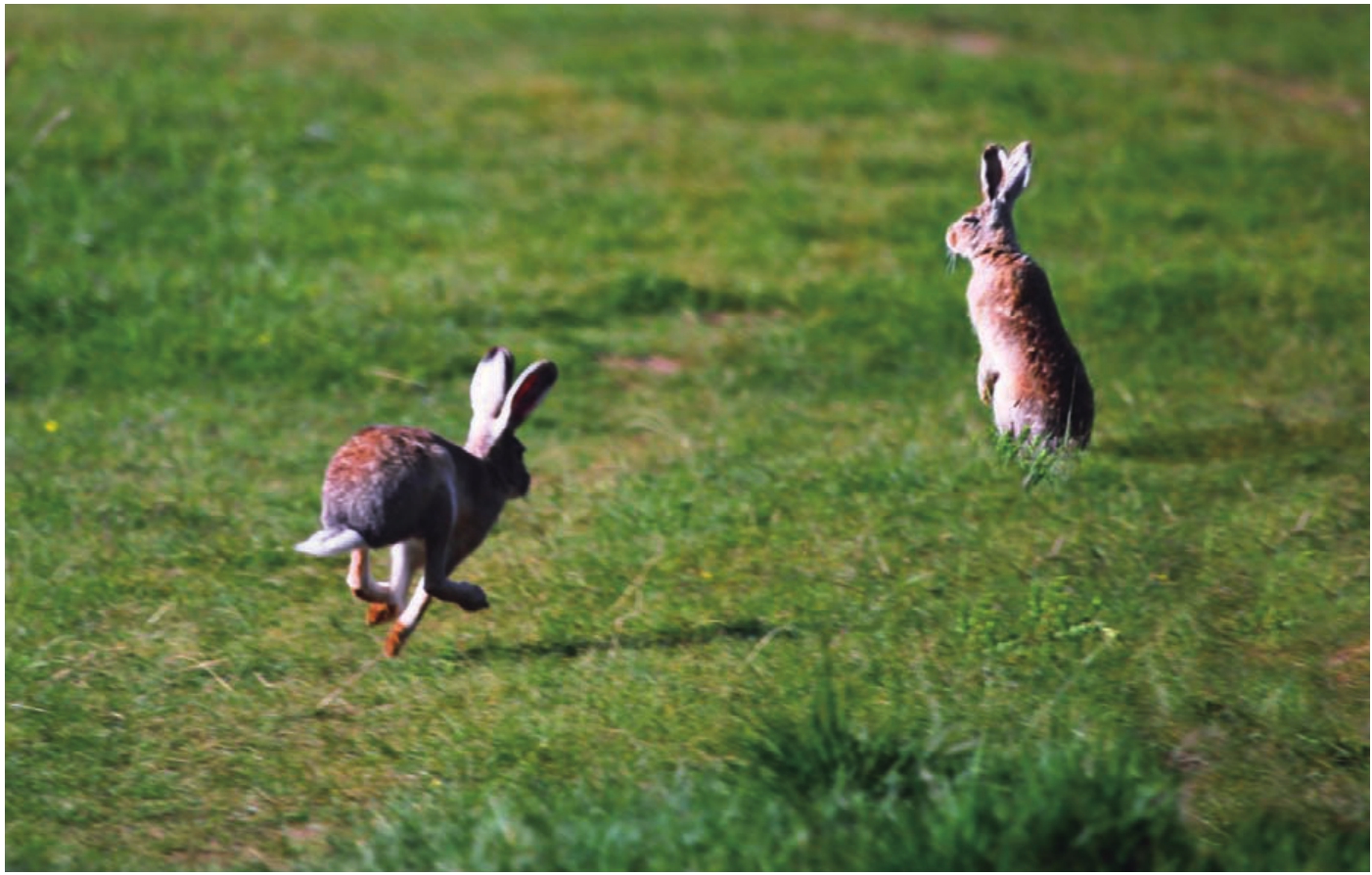
高原兔

秃鹫鹳形目·鹰科·秃鹫属国家二级保护动物

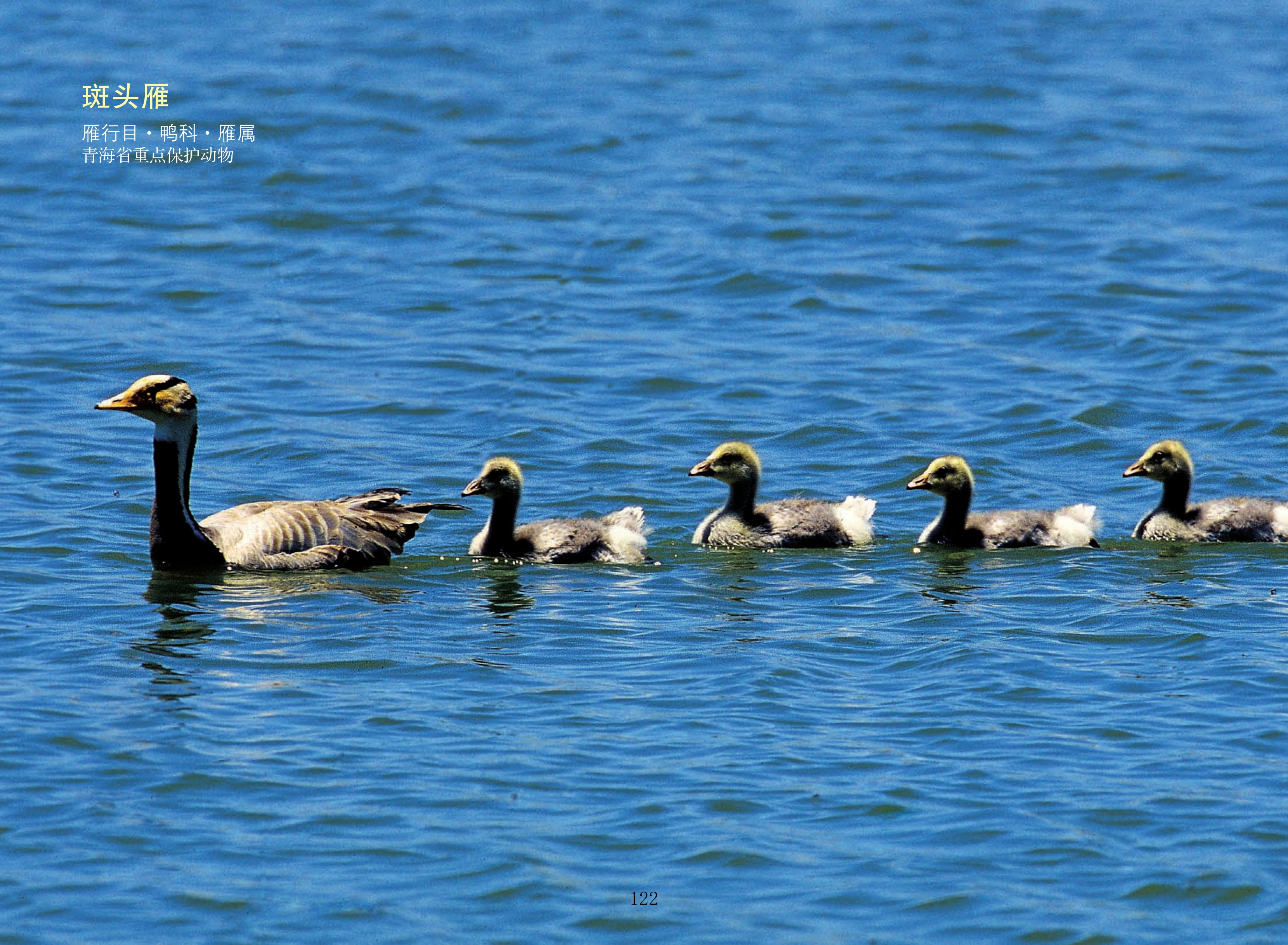

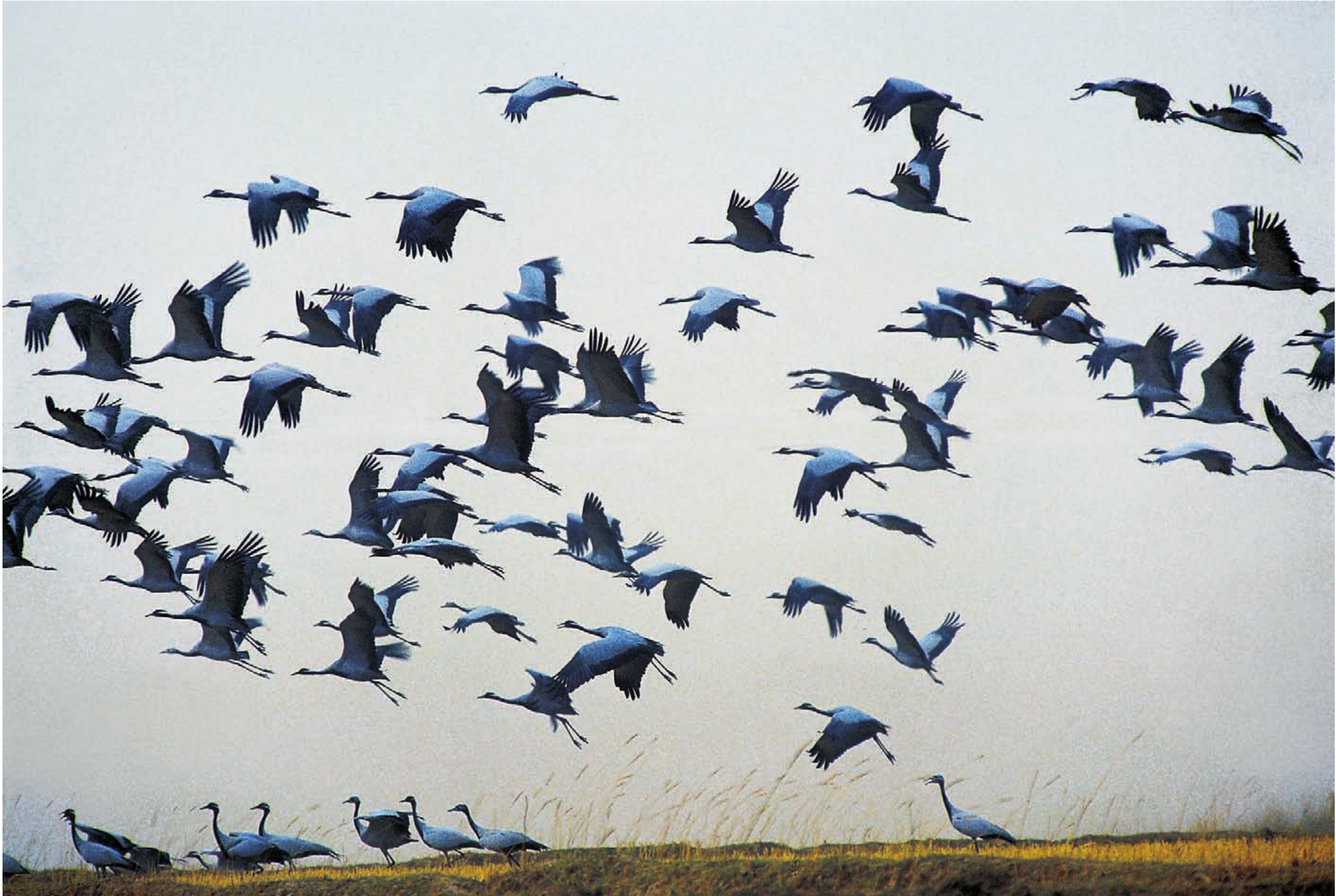
灰鹤
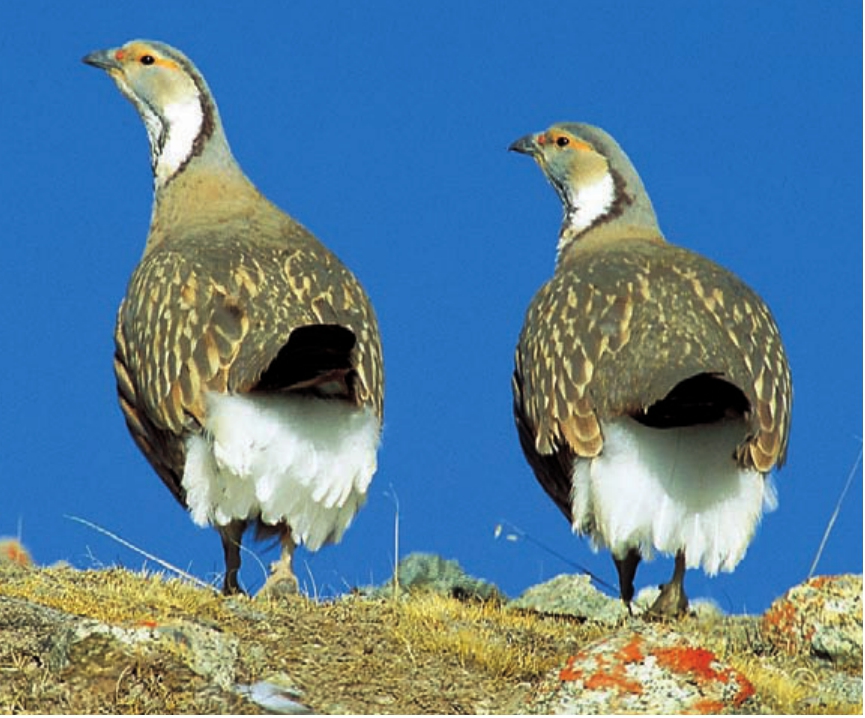
雪鸡
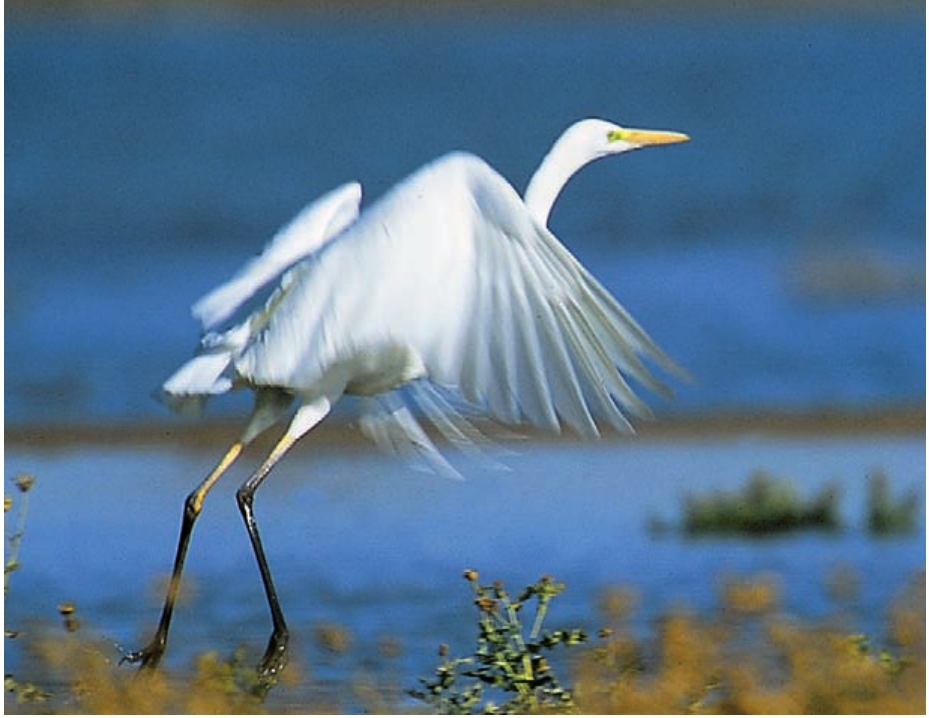
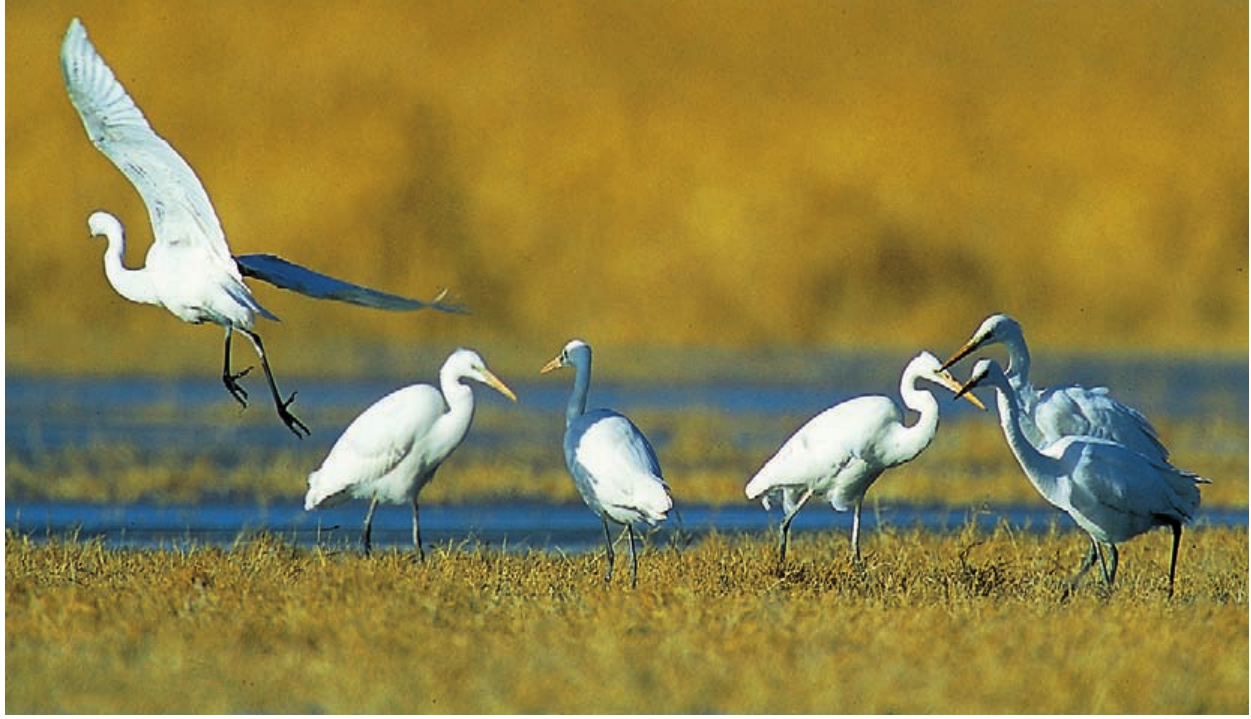
黄嘴白鹭
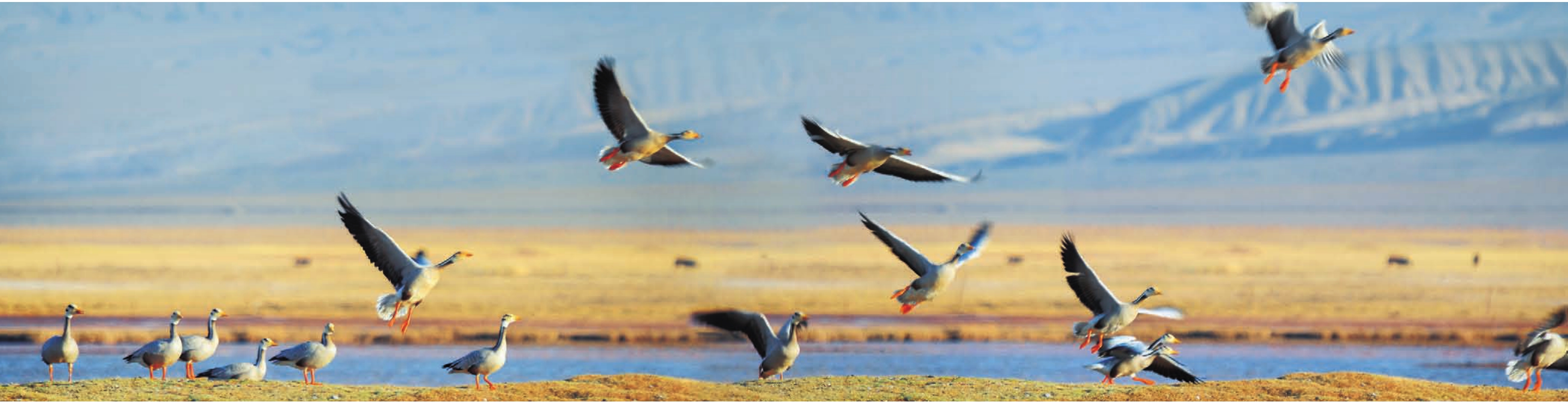
斑头雁
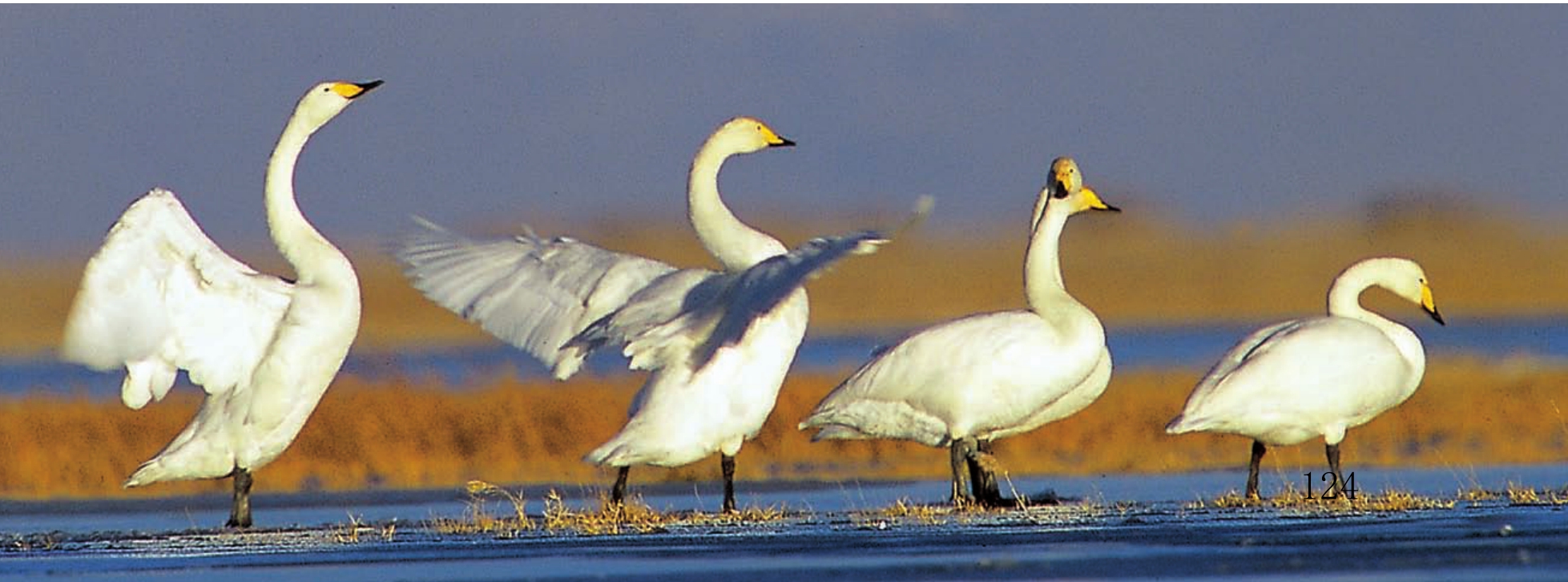
天鹅
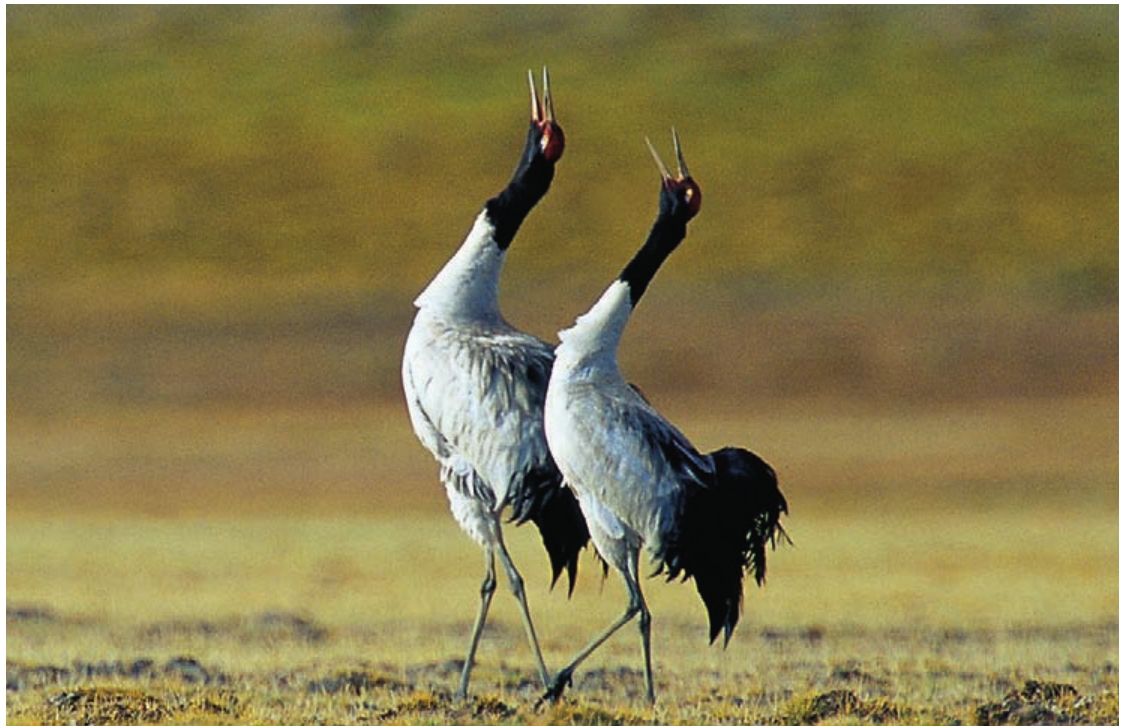
黑颈鹤
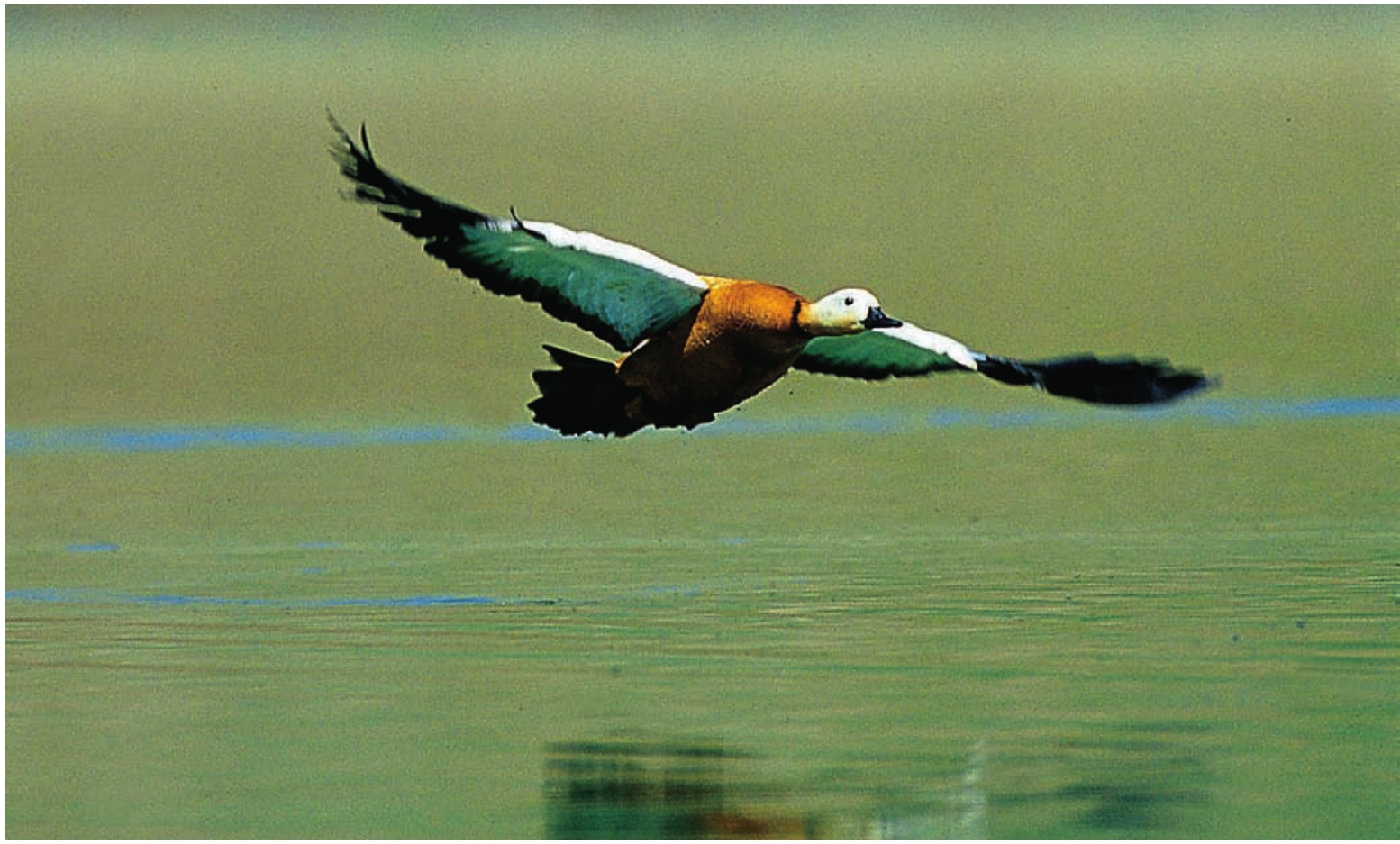
赤麻鸭
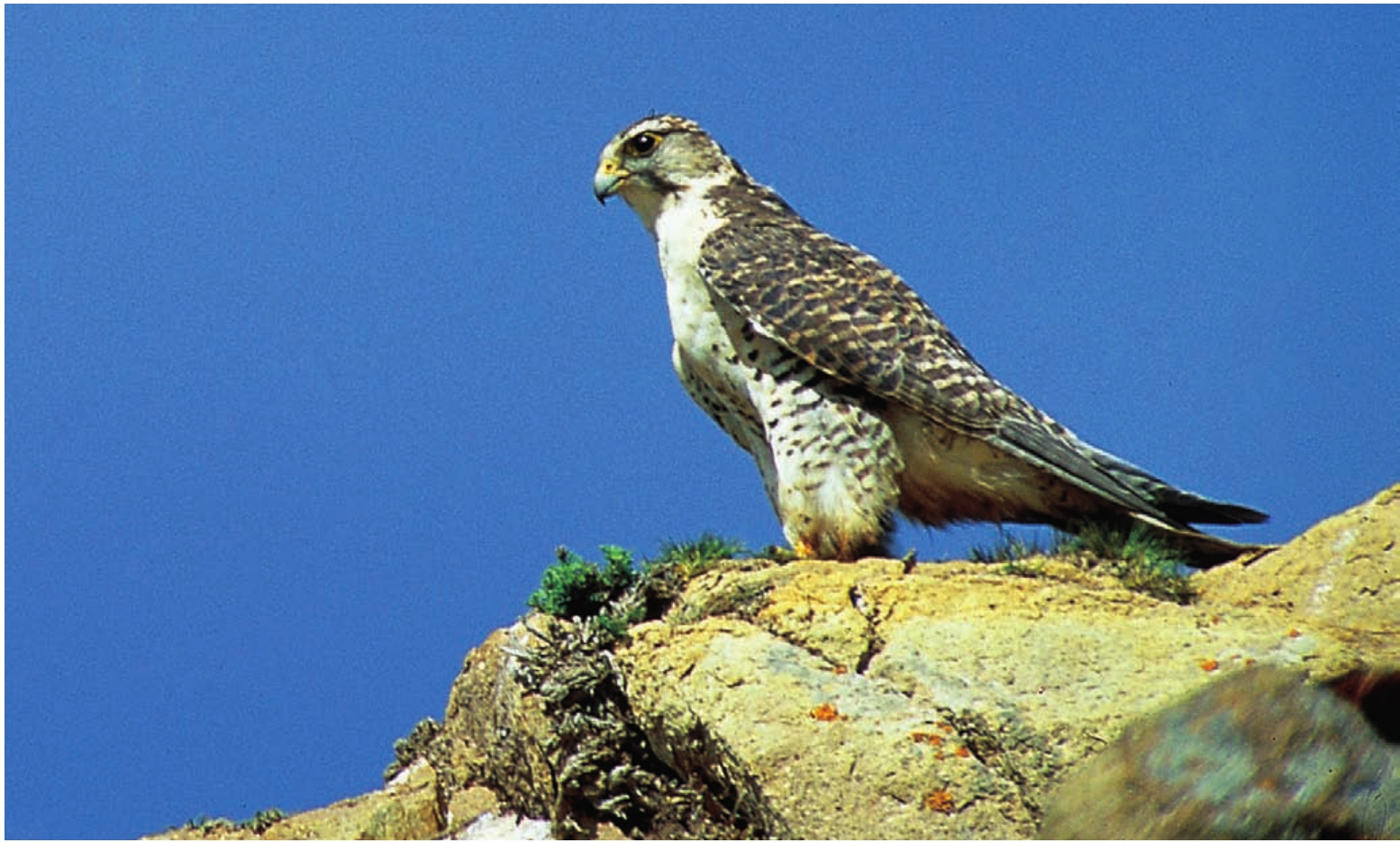
猎隼
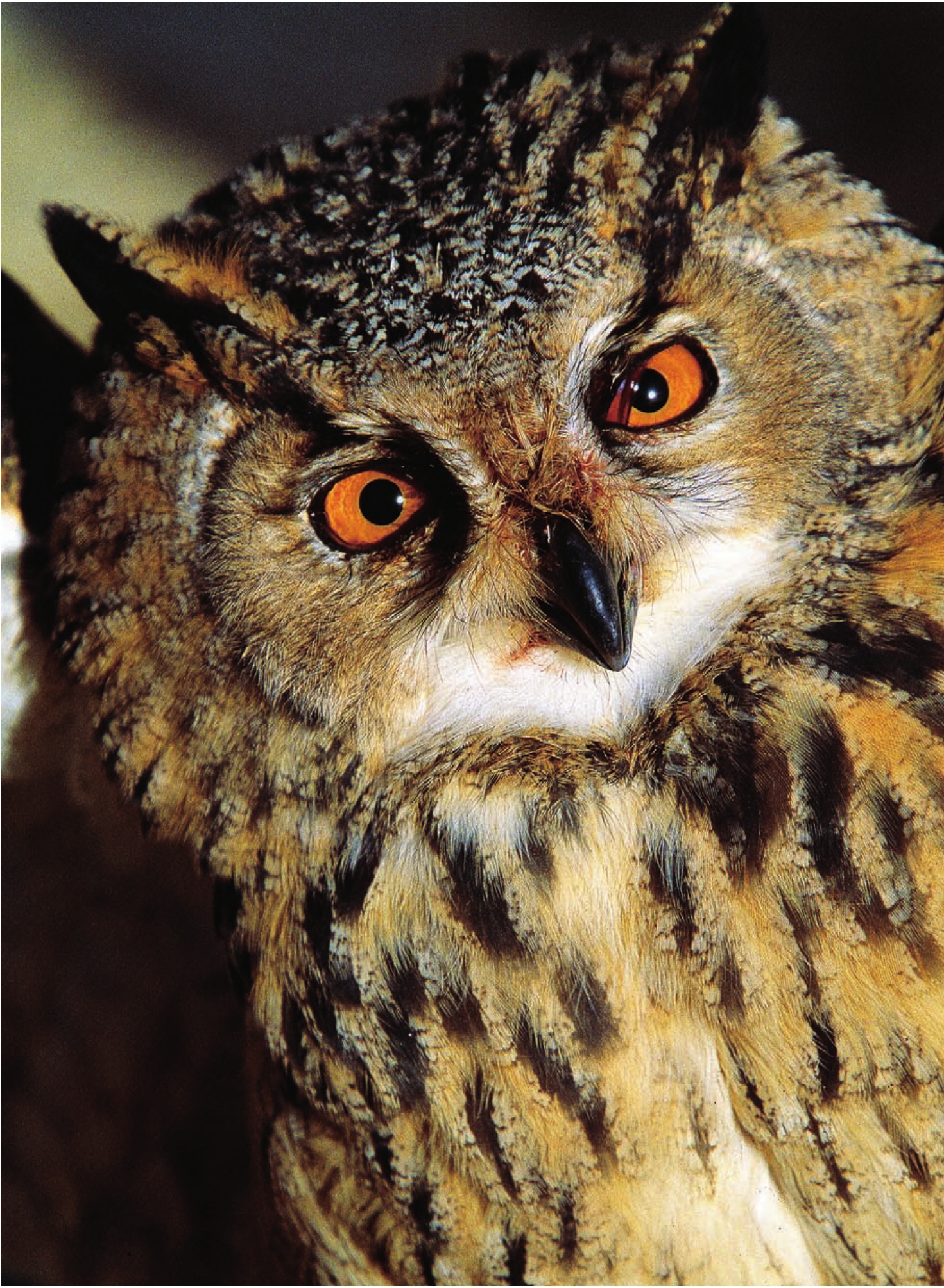
猫头鹰