第四章 革命英雄
Chapter 4 Revolutionary heroes
1、王佐
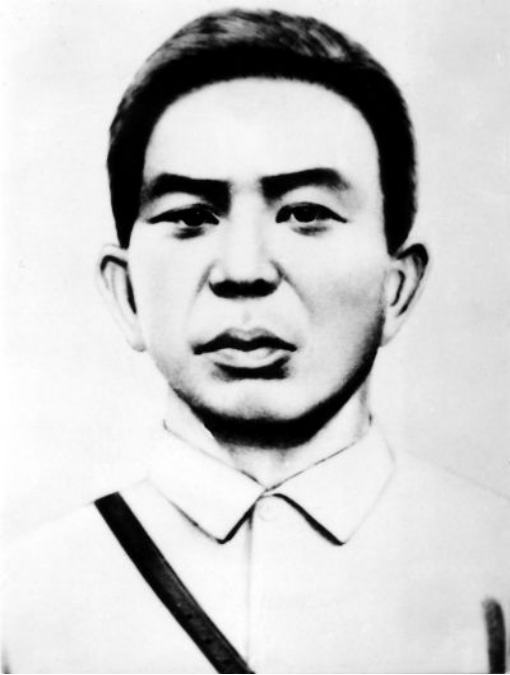
王佐(1898—1930),又名王云辉,绰号南斗。出生于遂川县下庄村(今井冈山市下庄)一个贫苦农民家庭,1923年参加绿林武装。1925年所部被地方政府收为新遂边陲保卫团,任副团长、团长,后为躲避地方豪绅追杀,重新恢复了原来队伍。1927年,在遂川县农民协会帮助下,将所部改称农民自卫军,支持遂川农民运动。同年6月,永新的国民党右派发动政变,乃率所部与宁冈、永新、安福等部农民自卫军于7月26日在永新暴动队配合下,攻克永新县城,营救被捕的革命同志,旋任赣西农民自卫军副总指挥。后与袁文才率部在宁冈坚持斗争。同年10月,对毛泽东率工农革命军进驻井冈山,给予积极支持和帮助。1928年1月所部接受改编,2月,编入工农革命军第一军第一师第二团,任副团长,兼第二营营长。4月加入中国共产党。5月,任中国工农红军第四军第一师第三十二团副团长兼第二营营长、红四军军委委员,并当选中共湘赣边界特委委员。7月,任湘赣边界防务委员会主任。领导建立了井冈山革命根据地的后方机关和五大哨口。1929年1月,红四军主动向赣南出击,奉命率第三十二团协同红五军留守井冈山,时任第三十二团团长。3月,成立湘赣边界红军独立第一团,任团长兼第一营营长。5月,任红五军第六纵队司令。7月,任红五军第五纵队司令,率部在井冈山坚持游击战争。1930年2月,在永新被错杀,中华人民共和国成立后被追认为革命烈士。
Wang Zuo (1898-1930), also known as Wang Yunhui, nicknamed Nandou. He was born in a poor peasant family born in Xiazhuang Village, Suichuan County (now Xiazhuang, Jinggangshan City) and he became one of the forest outlaws in 1923. In 1925, the troop was accepted by the local government as the new Xinsui Defense Corps and Wang Zuo served as the deputy regimental commander and the regimental commander. Later, in order to avoid the hunt of the local gentry, he restored the original team. In 1927, with the help of the Farmers Association of Suichuan county, his armed force was renamed the Peasant Self-Defense Force to support the Suichuan peasant movement.
In June, Yongxin’s Kuomintang rightists launched a coup. Wang Zuo led his force and the Peasant Self-Defense Forces of Ninggang, Yongxin, and Anfu and occupied the Yongxin County with the cooperation of Yongxin riot team and rescued the arrested comrades. Then he was appointed deputy commanders of the Ganxi Peasant Self-Defense Force.Later, he and Yuan Wencai led the force to fight with the enemy in Ninggang. In October, Mao Zedong led the Workers and Peasants’ Revolutionary Army to Jinggangshan, and Wang Zuo provided active support and assistance. In January 1928, his force accepted the reorganization of the Workers and Peasants’ Revolutionary Army. In February, it was incorporated into the Second Regiment of the First Division of the First Army of the Workers and Peasants' Revolutionary Army. Wang Zuo served as the deputy regimental commander and the second battalion commander. In April, Wang Zuo Joined the Communist Party of China. In May, he served as the deputy commander of the 32nd Regiment of the First Division of the Fourth Corps of the Chinese Workers’ and Peasants’ Red Army and the second battalion, and a member of the Military Commission of the Fourth Corps and he was elected as a member of the Special Committee of the Hunan-Jiangxi Border. In July, he served as the director of the Hunan-Jiangxi Border Defense Committee. Under his leadership the rear organs and five whistle points of the Jinggangshan Revolutionary Base were established. In January 1929, the Fourth Corp attacked Gannan, Wang Zuo was ordered to lead the 32nd Regiment in coordination with the Fifth Corp to stay in Jinggangshan. At that time, he was the commander of the 32nd Regiment. In March, the first independent regiment of the Red Army on the border of Hunan and Jiangxi was established, Wang Zuo served as the regimental commander and the first battalion commander. In May, he served as the commander of the Sixth Column of the Fifth Corp.In July, he served as commander of the Fifth Column of the Red Army, and insisted on guerrilla warfare in Jinggangshan. In February 1930, Wang Zuo was wrongly killed in Yongxin, after the founding of the People's Republic of China, he was regarded as a revolutionary martyr.
2、何挺颖
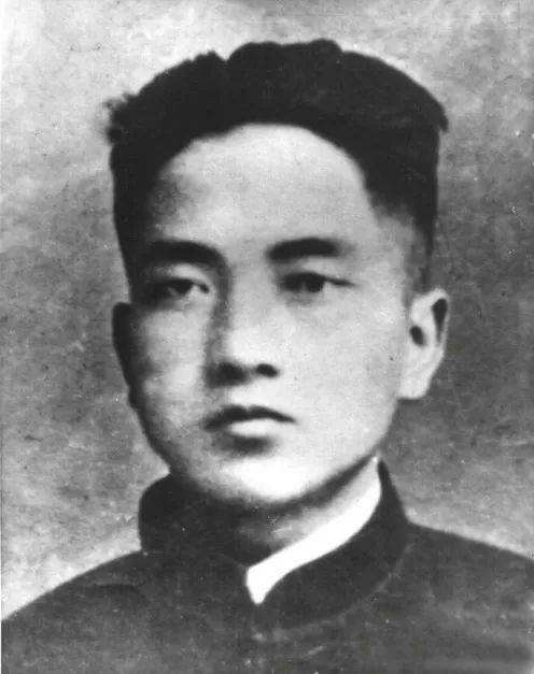
何挺颖,陕西南郑人。1925年,考入上海大同大学数学系,接受革命思想影响,参加了“五卅”运动,后加入中国共产党,参与创办《汉钟》杂志(后改名《新汉》)。1927年随毛泽东参加秋收起义,并成为主要领导人之一。1929年1月24日,在大余战斗中身负重伤,在转移途经吉潭村时再遭敌袭击,不幸牺牲,年仅24岁。
He Tingying came from Nanzheng, Shanxi. In 1925, he was admitted to the Mathematics Department of Shanghai Datong University. He accepted the revolutionary thought, participated in the May Thirtieth Movement, later joined the Communist Party of China and participated in the establishment of a magazine, Han Zhong (later renamed Xin Han).
In 1927, he participated in the Autumn Harvest Uprising with Mao Zedong and became one of the main leaders. On January 24, 1929, he was seriously injured in the Dayu battle, and was attacked by the enemy while transferring through Jitan Village. Unfortunately, he was only 24 years old when he died.
3、张子清
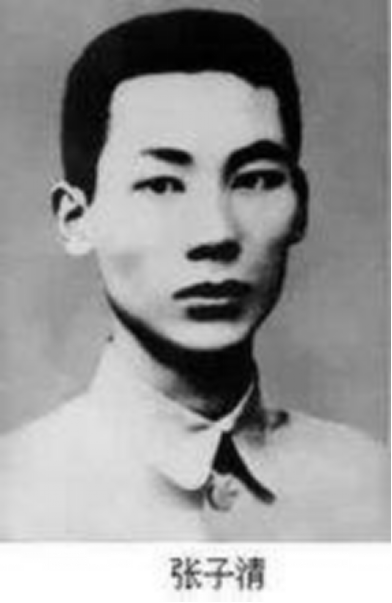
张子清(1902—1930),桃江县板溪乡人。中国工农红军早期著名将领。1912年张考入长沙陆军芝芳小学。1922年参加平江兵变,失败后潜回家乡组织游击队,进行反军阀的斗争。1924年,张子清奔走于长沙、武汉、上海之间,与郭亮等中国早期革命活动家结成挚友。1925年后加入中国共产党,次年入广州政治讲习班学习,毕业后投身北伐。1930年春转移至永新县洞里村焦林寺隐蔽养伤,同年5月病逝。
Zhang Ziqing (1902-1930) came from Banxi, Taojiang County. He was a famous general of the early Chinese Worker’s and Peasant’s Red Army. In 1912, Zhang was admitted to the Changsha Zhifang Elementary School. In 1922, he participated in the Pingjiang mutiny. After his defeat, he returned home and organized guerrillas to fight against the warlords. In 1924, Zhang Ziqing moved between Changsha, Wuhan, and Shanghai, and became close friends with Guo Liang and other early revolutionary activists.
He joined the Communist Party of China in 1925, and enrolled in a political workshop in Guangzhou the following year. After graduation, he joined the Northern Expedition. In the spring of 1930, he was transferred to the Jiaolin Temple in Dongli Village, Yongxin County for healing, and died of illness in May of the same year.
4、宛希先
宛希先(1906——1930),湖北黄梅人。中国工农红军早期重要领导人。1925年加入中国共产党。1926年秋到武汉,入国民革命军第二方面军总指挥部警卫团5连当兵 ,后任连长。1927年9月参加湘赣边界秋收起义,任工农革命军第1师1团1营党代表。起义部队到达三湾后,宛希先响应毛泽东的号召,是第一个站出来表示坚决革命到底的人。三湾改编后,任工农红军第一军第一师1团政治部主任兼1营党代表,并被增补为前敌委员会委员。1945年,党的七大追认他为革命烈士。
Wan Xixian (1906-1930) was from Huangmei, Hubei. He was an important leader of the early the Chinese Workers’ and Peasants’ Red Army and joined the Communist Party of China in 1925. He arrived in Wuhan in the autumn of 1926 and joined the 5th Company of the Guard regiment of the General Command of the Second Front of the National Revolutionary Army. In September 1927, he participated in the Autumn Harvest Uprising on the border between Hunan and Jiangxi, and served as the party representative of the first Battalion, first Division, first Corp of the Chinese Workers’ and Peasants’ Revolutionary Army. After the uprising troops reached Sanwan, Wan Xi xian responded to Mao Zedong's call firstly and he was the first person to stand up and show a firm determination. After the reorganization of Sanwan, he served as the director of the political department of the first regiment, first division, first Corp and the representative of the first battalion, and was added as a member of the former enemy committee. In 1945, the Seventh Party Congress recognized him as a revolutionary martyr.

5、王尔琢
王尔琢(1903年-1928年),湖南省石门县人,中国工农红军将领。黄埔军校第1期毕业生。1924年秋加入中国共产党,北伐战争时任国民革命军第四军25师74团参谋长。1927年8月参加南昌起义,1928年1月参加湘南起义,任工农革命军第1师参谋长。4月随朱德上井冈山与毛泽东部会师,任中国工农红军第4军参谋长兼第28团团长。1928年8月25日,在江西省崇义县思顺墟,因追剿逃离的红军连队,被追兵杀害,年仅25岁。2009年9月14日,王尔琢被评为100位为新中国成立做出突出贡献的英雄模范人物。
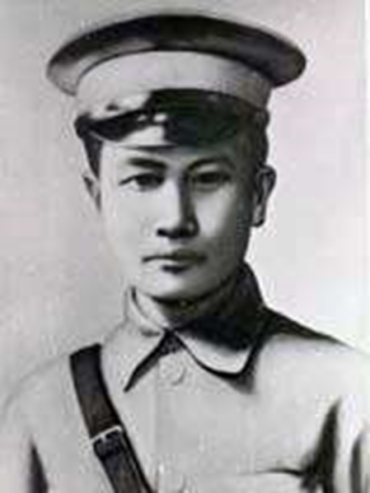
Wang Erzhuo (1903-1928), came from Shimen County, Hunan Province, he was a general of the Chinese Workers’ and Peasants’ Red Army, graduates of the first phase of the Huangpu Military Academy. He joined the Communist Party of China in the autumn of 1924 and served as the chief of staff of the 74th regiment of the 25th Division of the Fourth Corp of the National Revolutionary Army during the Northern Expedition War. In August 1927,he participated in the Nanchang Uprising and the Xiangnan Uprising in January 1928. He served as Chief of Staff of the 1st Division of the Workers and Peasants Revolutionary Army. In April, he joined the reunion of the force of Zhu De and Mao Zedong, and served as the chief of staff of the Fourth Corp and and the regimental commander of the 28th Regiment of the Chinese Workers’ and Peasants’ Red Army. On August 25, 1928, in Sishun Chongyi County, Jiangxi Province, Wang Erzhuo was killed by chasing soldiers at the age of 25. On September 14, 2009, Wang Erzhuo was selected as one of the 100 exemplary heroes who made outstanding contributions to the founding of People’s Republic of China.