第三章 井冈山革命胜迹
Chapter 3 Revolutionary Sites of Jinggangshan
井冈山风景名胜区的面积有213.5平方公里,占全市总面积的32.4%。经初步戡查,有风景点60多处,景物景观320多处。
Jinggangshan Scenic Area covers an area of 213.5 square kilometers, accounting for 32.4% of the city's total area. After preliminary investigation, there are more than 60 scenic spots and more than 320 landscape spots.
1、井冈山革命博物馆:该馆建于1959年,现有馆藏革命文物5863件,文献资料5000多份,历史图片4000多幅。馆标是1962年朱德同志重上井冈山时题写的。该馆经过几次维修、完善,以声、光、电和实景模型等现代化手法,再现了当年井冈山革命斗争的历史风貌。
1. Jinggangshan Revolution Museum: The museum was built in 1959. It has 5,863 revolutionary cultural relics, more than 5,000 documents and more than 4,000 historical pictures. The hallmark was inscribed in 1962 by Zhu De. After several repairs and improvements, the museum used sound, light, electricity, and real-life models to reappear the historical style of the revolutionary struggle of Jinggangshan.

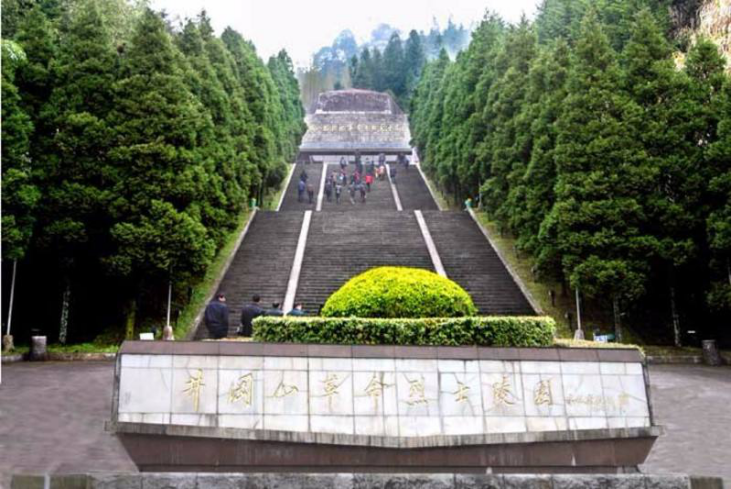
2、井冈山革命烈士陵园:该陵园建于1985年,1987年10月,在井冈山革命根据地创建60周年之际对外开放。烈士陵园由纪念堂、雕塑园、碑林和纪念碑四大部分组成,布局新颖、气势恢宏。
2. Jinggangshan Revolutionary Martyrs Cemetery: The cemetery was built in 1985 and opened in October 1987, on the 60th anniversary of the establishment of the Jinggangshan Revolutionary Base. The martyrs cemetery is composed of a memorial hall, a sculpture garden, a forest of monuments with a novel and magnificent layout.
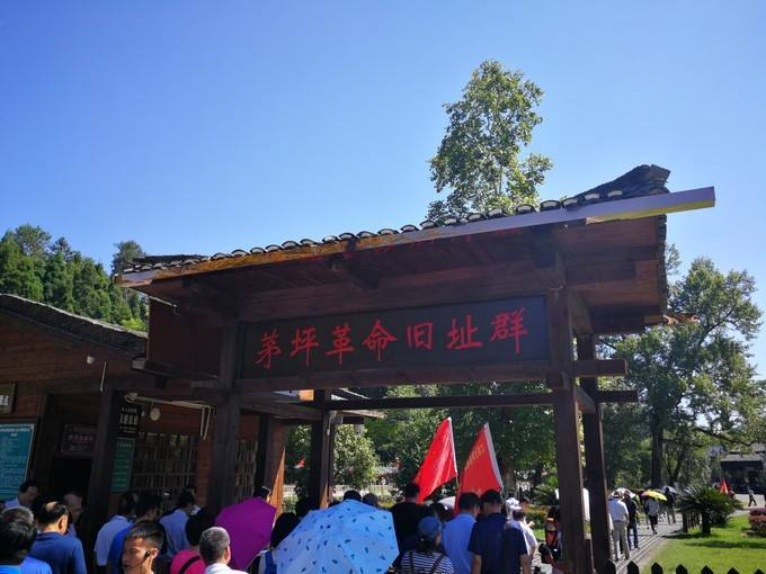
3、茨坪革命旧居旧址群:位于茨坪东山脚下,是一处青瓦黄墙的建筑群。陈列开放的革命旧址共有七处:毛泽东同志旧居、红四军军部旧址、湘赣边界防务委员会旧址、军官教导队旧址等,均被列为国家重点文物保护单位。
3. Ciping Revolutionary Residence Site Group: Located at the foot of Ciping East Mountain, it is a building group with blue tiles and yellow walls. There are seven revolutionary sites on display: the former residence of Mao Zedong, the former site of the Red Army Corps, the former site of the Hunan-Jiangxi Border Defense Committee, and the former site of the officer's training team.

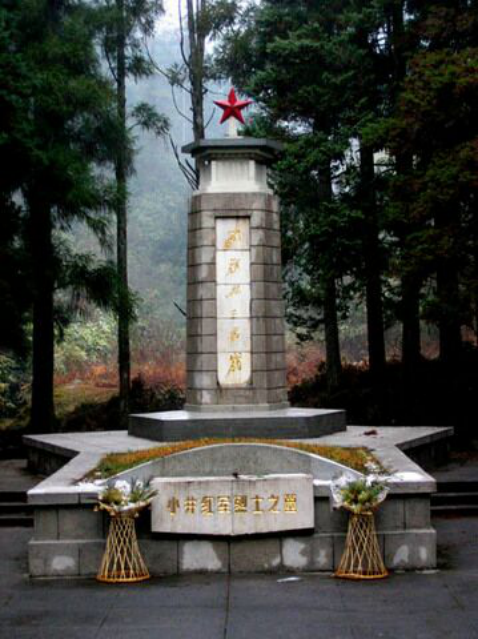
4、小井:这里有中国工农红军第一所医院——红光医院旧址,系省级重点文物保护单位。1929年1月,130多名红军重伤病员来不及转移,被敌人全部杀害。
4. Xiaojing: Here is the former site of the First-Hospital of the Chinese Workers and Peasants Red Army Hospital. In January 1929, more than 130 Red Army men seriously wounded were killed by the enemy.
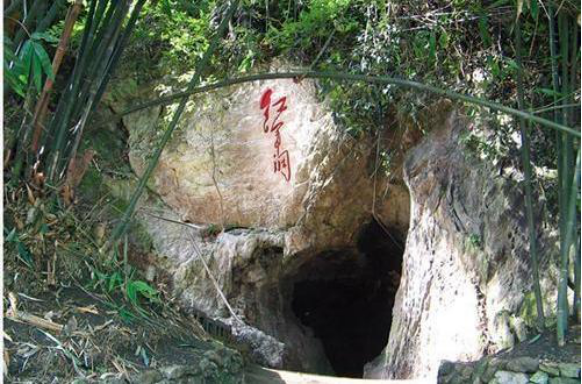
5、红军洞:洞深十多米,可容纳百人。因红军著名将领张子清师长等曾在这里养伤而得名。
5. Red Army Cave: The cave is more than ten meters deep and can hold hundreds of people. It was named after the famous Red Army general Zhang Ziqing, who had been rested here after he was wounded.
6、黄洋界景区(Huangyangjie Scenic Area)
黄洋界景区距茨坪17公里,全区面积700公顷,包括黄洋界、八面山、大井三大景点有游,览点10处。黄洋界是井冈山斗争时期的五大哨口之一,海拔1343米。著名的黄洋界保卫战就发生在这里,因毛泽东同志“黄洋界上炮声隆,报道敌军宵遁”诗句而闻名。1961年,国务院批准为全国重点文物保护单位。
Huangyangjie Scenic Spot is 17 kilometers away from Ciping, with an area of 700 hectares, including scenic spots of Huangyangjie, Bamian Mountain and Dajing, with 10 tourist spots. Huangyangjie was one of the five major whistles during the Jinggangshan struggle period, with an altitude of 1,343 meters. The famous Huanyangjie defense battle took place here. It was famous for Mao Zedong's poem, From Huangyangjie roars the thunder of guns, Word comes the enemy has fled into the night. In 1961, the State Council approved it as a national key cultural relic protection unit.
哨口工事:有战壕、两处机枪掩体、炮阵地、擂木工事等。凭借这些工事,红军以不足一营的兵力,打退国民党四个团的进攻,保卫了井冈山。此为全国重点文物保护单位。
Whistle Fortifications: There are trenches, two machine gun bunkers, artillery positions, and woodwork Fortress. With these fortifications, the Red Army defended Jinggangshan Mountain with inadequate battalion. This is a national key cultural relics protection unit.
哨口营房:这是一栋杉皮土木结构的民房,原是古商道上的一家客栈,1927年红军上山以后,将其修为营房。此为全国重点文物保护单位。
Whistle barrack: it is a cedar-shaped civil structure private house, originally an inn on the ancient commercial road. After the Red Army went up the mountain in 1927, it was converted into a barracks. This is a national key cultural relics protection unit.
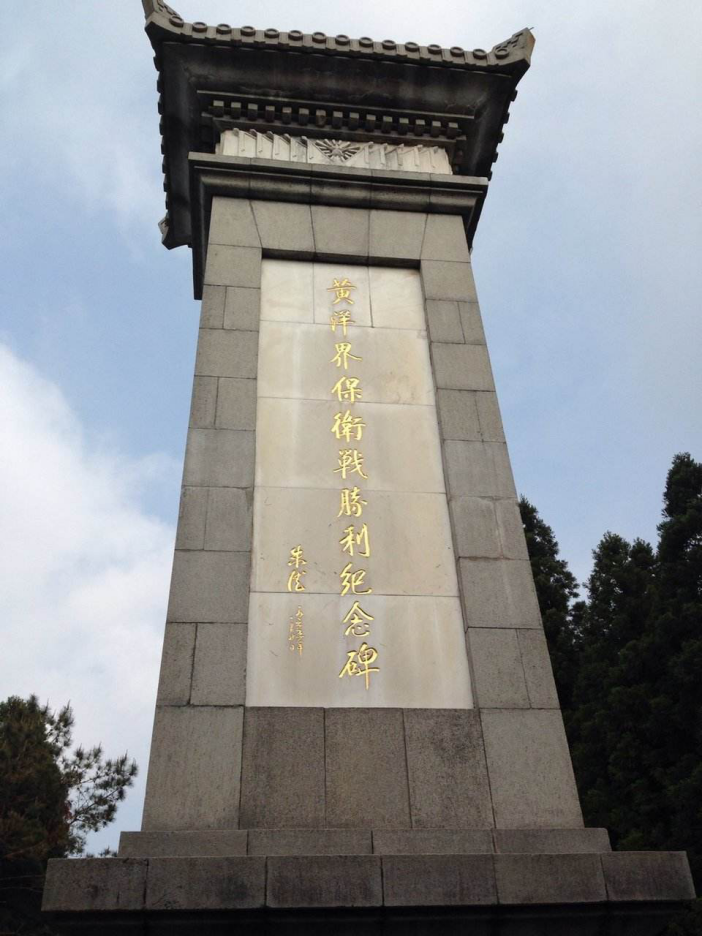
纪念碑:黄洋界保卫战胜利纪念碑由一块竖碑和一块横碑组成。横碑下面刻着毛泽东同志的著名诗篇《西江月井冈山》的手迹,背面是朱德同志题写的“黄洋界”三个道劲有力的大字。竖碑高12米,正面镌刻着朱德“黄洋界保卫战胜利纪念碑”的题字,背面是毛泽东的手迹“星星之火,可以燎原”。
Monument: The Victory Monument of the Huangyangjie battle consists of a vertical monument and a horizontal monument. Underneath the horizontal monument is the handwriting of Mao Zedong's famous poem Xijiangyue, Jing Gangshan, and on the back is the powerful three characters of Huang Yang Jie, inscribed by Zhu De. The vertical monument is 12 meters high and inscribed Zhu De’s words:The Victory Monument of the Huangyangjie Battle. The back was inscribed Mao Zedong's handwriting----a single spark can start a prairie fire.
7、大井毛泽东旧居:距茨坪7公里。1927年10月,毛泽东率领工农红军登上井冈山时就住在这里。这里流传着毛泽东访贫问苦、改造王佐部队、看书、练兵的许多故事。此外,还有朱德、陈毅旧居和彭德怀旧居。1961 年经国务院批准,大井毛泽东旧居列为全国重点文物保护单位。
7. Former residence of Mao Zedong: It is 7 km from Ciping. In October 1927, Mao Zedong led the Red Army of workers and peasants to live here when he ascended Jinggang Mountain. There are many stories of Mao Zedong's visits to the poor and the transformation of Wang Zuo's troops, reading, and training. In addition, there are Zhu De, Chen Yi's former residence and Peng Dehuai's former residence here. Approved by the State Council in 1961, the former residence of Mao Zedong was listed as a national key cultural relics protection unit.
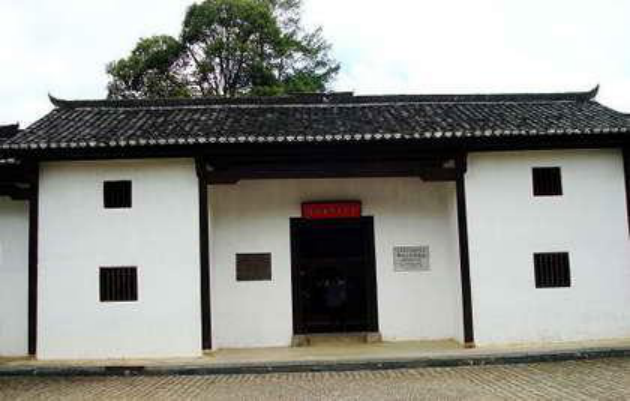
8、上井红军造币厂:井冈山斗争时期,红军设立辎重队和留守处,负责给养、管理打土豪的银元。1928年5月湘赣边界工农兵苏维埃政府成立后,资金大量需求,于是在上井村邹甲贵家中开设了“红军造币厂”。造币厂将打土豪缴来的杂银、银质首饰、银质器具,进行熔化加工,仿铸了墨西哥银元。为使这种银元与白区银元相区别,在银元上打了一个“工”,这就是革命根据地首次发行的“工”字银元。
8.Shangjing Red Army Mint: During the Jinggangshan struggle period, the Red Army set up a baggage team and rear station, which is responsible for the supply and management of the silver money captured from the landlords. After the establishment of the Soviet government of workers, peasants, and soldiers on the border between Hunan and Jiangxi in May 1928, a large amount of funds was needed, so the "Red Army Mint" was opened in Zou Jiagui's home in Shangjing Village. The mint processed the miscellaneous silver, silver jewelry, and silver utensils collected from the local tyrants by melting and imitated the Mexican silver dollar. In order to distinguish this type of silver dollar from the silver dollars in the areas ruled by KMT, a character “gong” was put on the silver dollar, which is the first character “gong” silver dollar issued in the revolutionary base area.
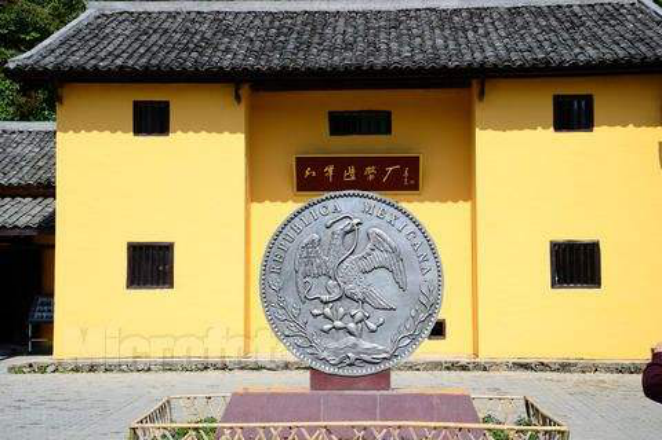
9、茅坪景区:茅坪位于黄洋界北麓,距茨坪36公里。井冈山斗争初期,曾是湘赣边界党、政、军最高领导机关所在地,是革命旧址相当集中的地方。
9. Maoping Scenic Spot: Maoping is located at the northern foot of Huangyangjie, 36 kilometers away from Ciping. In the early days of the Jinggangshan struggle period, it was once the seat of the party, government, and army's highest leadership organs of the Hunan-Jiangxi border. It was a place with many former revolutionary sites.
10、八角楼:距茨坪35公里,因房子顶上有一个八角形的天窗,当地群众习惯称它为八角楼。井冈山斗争时期,毛泽东曾经在这里居住和办公,并在一根灯芯下写下了《井冈山的斗争》、《中国的红色政权为什么能够存在?》这两篇光辉著作。
10. Octagonal Building: It is 35 kilometers away from Ciping. Because there is an octagonal skylight on the top of the house, the local people called it Octagonal Building. During the Jinggangshan struggle period, Mao Zedong lived and worked here. He wrote two brilliant works, The Struggle of Jinggangshan and Why Does China's Red Government Exist.
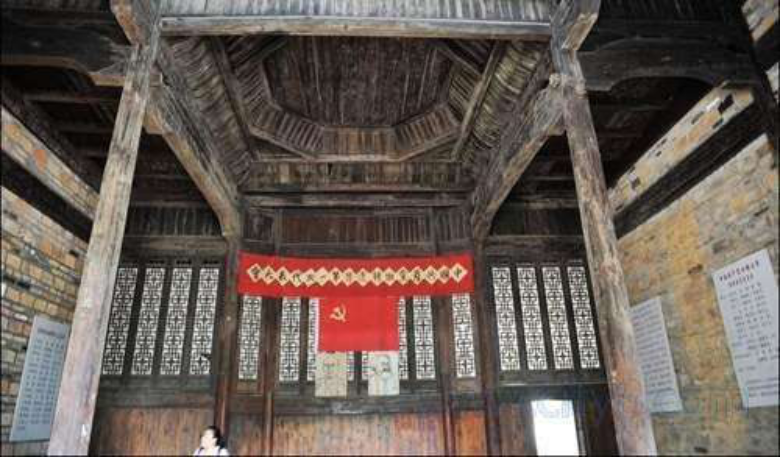
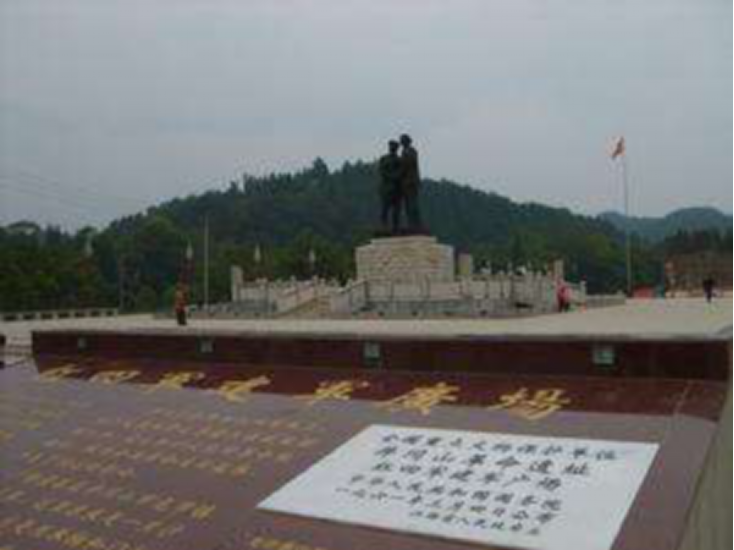
12、红四军建军广场旧址:1928年5月4日,在此宣布成立工农革命军第四军(后改称中国红军第四军)。当年曾是一块沙洲,开会的会台用木桶、木头、门板搭成,建国后,定为全国重点文物保护单位,并修复了会台。
12. The site of Jianjun Square of the Fourth Army: On May 4, 1928, the Fourth Army of the Workers and Peasants Revolutionary Army was established here (later renamed the Fourth Army of the Chinese Red Army). In the past, it was a sand field. The conference stage was erected with buckets, wood and door panels. After the founding of the People's Republic of China, it was listed as a national key cultural relics protection unit and the conference stage was restored.