第四章 革命英雌
Chapter Four Revolutionary Heroes
1、周恩来——南昌起义的总筹划者
Zhou Enlai----the Chief Planner of the Nanchang Uprising
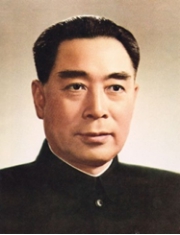
周恩来(1898-1976), 原籍浙江绍兴,1898年3月5日生于江苏淮安,是伟大的马克思主义者,无产阶级革命家、政治家、军事家和外交家,中国共产党、中华人民共和国主要领导人之一,中国人民解放军创建人之一。新中国成立后,周恩来先后任政务院、国务院总理,1976年1月逝世。
Zhou Enlai (1898-1976), originally born in Shaoxing, Zhejiang Province, was born in Huai'an, Jiangsu Province on March 5, 1898, and is a great Marxist, proletarian revolutionary, statesman, military man and diplomat, one of the leading leaders of the Communist Party of China, the People's Republic of China, and one of the founders of the people's liberation army Chinese. After the founding of New China, Zhou Enlai served as the State Council and Premier of the State Council, and died in January 1976.
1917年周恩来在天津南开学校毕业后赴日本求学。1919 年回国,他在“五四运动”中成为天津学生界的领导人,创建觉悟社。 1920 年赴法国勤工俭学。他于1921 年参加中国共产党。1924 年,周恩来从巴黎回国,任黄埔军校政治部主任、国民革命军第一军政治部主任、第一军第一师党代表,并担任中共广东区委员会委员长等要职。1926 年到上海,任中共中央军事委员会书记兼中共江浙区委军事委员会书记。1927 年3月,他领导上海工人第三次武装起义,赶走了驻守上海的北洋军阀部队。“四一二”反革命政变后,周恩来到达武汉,任中共中央军事部部长、中央常委。6月17、20日,在中央常委会议上,两次提出举行湖南暴动计划。由于共产国际的反对,计划被搁置。
Zhou Enlai went to Japan after graduating from Tianjin’s Nankai University in 1917. He came back to China in 1919 and became the leader of Tianjin' students in the May 4th movement.Then he founded the Consciousness Club. In 1920, he went to France for work-study. He joined the Communist Party of China in 1921.Zhou Enlai returned from Paris in 1924, served as Director of the Political Department of the Huangpu Military Academy, Director of the Political Department of the First Army of the National Revolutionary Army, Representative of the First Division party of the First Army, and served as Chairman of the Guangdong District Committee of the Communist Party of China. In March 1927, he led the third armed uprising of Shanghai workers, driving out the Northern Warlords stationed in Shanghai. After the "April 12" counter-revolutionary coup, Zhou Enlai arrived in Wuhan, where he served as head of the military department of the CPC Central Committee and a member of the Standing Committee of the CPC Central Committee. On June 17th and 20th, at the meeting of the Standing Committee of the Central Committee, two plans were put forward for the Hunan riots. The plan was shelved because of the communist international opposition.
1927年8月1日,在以周恩来为首的中共前敌委员会领导下,贺龙、叶挺、朱德、刘伯承等率领受中共直接掌握和影响下的军队2万余人举行了南昌起义。起义军主力在广东失败后,周恩来转移到香港,后回上海秘密工作,实际上成为中共中央工作的主要主持者。
On August 1, 1927,Under the leadership of the communist party's former enemy committee headed by Zhou Enlai,He Long, Ye Ting, Zhu De, Liu Bocheng, etc. led the armed forces under the direct control and influence of the Communist Party of China under the leadership of more than 20,000 people held the Nanchang uprising. After the defeat of the Rebels in Guangdong, Zhou Enlai moved to Hong Kong and then returned to Shanghai to work in secret, effectively becoming the main presiding officer of the Central Committee of the Communist Party of China.
2、朱德——南昌起义的主要领导人
Zhu De -----The main leader of the Nanchang Uprising
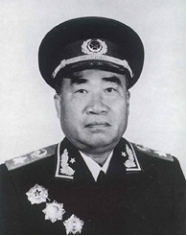
朱德(1886--1976),原名朱代珍,字玉阶,1886年12月1日出生于四川仪陇县李家湾一个佃农之家。伟大的马克思主义者,无产阶级革命家、政治家和军事家,中国共产党和中华人民共和国主要领导人之一, 中国人民解放军创建人之一。
Zhu De (1886-1976), formerly known as Zhu Daizhen, was born on December 1, 1886, in Lijiawan, Yiyi County, Sichuan Province, a farmhouse of farmers. The great Marxist, proletarian revolutionary, statesman and military man, one of the main leaders of the Communist Party of China and the People's Republic of China, Chinese one of the founders of the People's Liberation Army.
朱德6岁人私塾,20岁投身军界,考入云南讲武堂。毕业后分配到蔡锷部任少尉司务长,跟随蔡锷参加“护国战争”,因英勇善战,战功突出而闻名于军中。“护国战争”胜利后,朱德奉命驻守泸州。1917年7月升任少将旅长。1922年10月,朱德赴欧洲,在柏林经周恩来的介绍加入了中国共产党。1926年夏天,朱德回国,奉党中央之命从事革命活动。1927 年初,受命担任国民革命军第三军军官教育团团长之职,同时兼任南昌市公安局局长。党中央决定组织武装起义,朱德奉命与贺龙、叶挺、刘伯承等在南昌起义。他利用公开的身份,把敌人两个主力团团长用计拖住,为起义的成功创造了条件。起义成功后,朱德被任命为第九军副军长,率军撤出南昌向广东进发。途中,奉命率个师扼守大埔县三河坝地区,使起义军主力部队向潮州、汕头地区进军。南征潮汕失败时,他在危境中率领“铁军”余部近千人进人粵北湘南,与陈毅一起把部队转变为游击队;又组织了遍及湘南十余县的“湘南起义”,使这支仅有几百人的部队扩大到万余人。
Zhu De, at the age of 6, came into private school, 20 years old into the military, admitted the Yunnan Military Academy. After graduation, he was assigned to the Department of Lieutenant secretary, followed Cai Yu to participate in the "War of the Protected Country", well-known for courageous and skillful in battle and the outstanding work in the army. After the victory of the "War of the Protector", Zhu De was ordered to be stationed in Luzhou. In July 1917, he was promoted to Chief of the Brigade. In October 1922, Zhu De went to Europe and joined the Communist Party of China in Berlin by Zhou Enlai. In the summer of 1926, Zhu De returned to China to engage in revolutionary activities at the behest of the Central Committee of the Communist Party of China. In early 1927, he was appointed as the head of the officer education regiment of the Third Army of the National Revolutionary Army, and also served as the director of the Nanchang Public Security Bureau. The CPC Central Committee decided to organize an armed uprising, Zhu De was ordered to join He Long, Ye Ting, Liu Bocheng and so on in Nanchang uprising. He used his public capacity to drag down the enemy's two main regiment leader, creating the conditions for the success of the uprising. After the successful uprising, Zhu De was appointed deputy commander of the 9th Army, leading the army out of Nanchang to advance to Guangdong. On the way, ordered to lead a division to hold the Three River Dam area in Tai Po County, so that the main forces of the Rebel Army to Chaozhou, Shantou area march. When the southern tide failed, he led the "Iron Army" in the danger of nearly a thousand people into the north of Xiangnan, with Chen Yi to turn the troops into guerrilla groups, and organized a "Shannan Uprising" throughout more than ten counties in southern Hunan, so that this force with only a few hundred people expanded to more than 10,000 people
1928年4月,朱德和陈毅率领队伍与毛泽东领导的秋收起义的队伍会师组成了中国工农革命军(后改为中国工农红军)第四军,朱德任军长,毛泽东任党代表。
Zhu De and Chen Yi led the team and Mao Zedong's team of the autumn harvest uprising to form the Fourth Army of the Chinese Industrial, Agricultural and Revolutionary Army (later the Red Army of Chinese Workers and Farmers). Zhu De is the chief of the army and Mao Zedong is the party representative.
3、贺龙——南昌起义军事行动的指挥者
He Long ---The commander of the military operations of the Nanchang Uprising
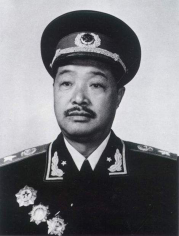 贺龙(1896—1969),生于 1896年3月22日,原名文常,字云卿。伟大的无产阶级革命家、军事家,中国人民解放军的创始人和主要领导者之一。
He Long (1896-1969), born on March 22, 1896, was originally known as Yunqing. He is a great proletarian revolutionary, military man, Chinese founder and leader of the People's Liberation Army.
贺龙出生在湖南桑植洪家关一户贫苦农民家庭。由于家境贫寒,念私塾5年,便辍学务农。在辛亥革命的影响下,于1914年参加了孙中山领导的中华革命党,在桑植、石门、沅陵等县从事反帝反封建的武装斗争。1926年夏,贺龙担任国民革命军第九军第一师师长,成为北伐军中著名的将领。1927 年6月,他升任国民革命军第二十军军长。1927 年8月1日他担任起义军总指挥并率部参加南昌起义。在起义部队南下途中,他经周逸群、谭平山介绍加人中国共产党。起义失败后,贺龙转移到香港,后又到上海。
He Long was born in Sangzhihong family in Hunan - a poor peasant family. Because of the poverty of the family, after five years of studying in private school, he dropped out of school to work in agriculture. Under the influence of the Xinhai Revolution, he joined the Chinese Revolutionary Party under Sun Yat-sen's leadership in 1914 and engaged in the armed struggle against imperialism and anti-feudalism in Sangzhi, Shimen, Lingling and other counties. In the summer of 1926, He Long served as the head of the 1st Division of the Ninth Army of the National Revolutionary Army, becoming a famous general in the Northern Expeditionary Army. He was promoted to the rank of commander of the 20th Army of the National Revolutionary Army in June 1927. On August 1, 1927, he served as the commander-in-chief of the Rebel Army and led the Ministry to participate in the Nanchang Uprising. On his way south to the rebel forces, he introduced the Chinese Communist Party through Zhou Yiqun and Tan Pingshan. After the defeat of the uprising, Helong moved to Hong Kong and then to Shanghai.
4、叶挺——南昌起义的前敌总指挥
Ye Ting ---- the Former commander-in-chief of the Nanchang Uprising
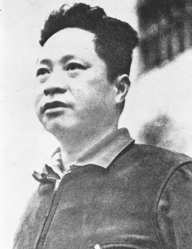 叶挺(1896-1946),原名叶间,字希夷,伟大的共产主义战士,我国无产阶级革命家、军事家,中国人民解放军的创建人和新四军领导人。1896 年叶挺出生于广东归善(今惠阳)一个农民家庭,1918年在保定军官学校毕业后,投身孙中山领导的民主革命,同年加人中国国民党。他在1921年任孙中山陆海军大元帅府警卫团第二营营长。次年6月,粤军总司令陈炯明叛变,叶挺奉命守卫总统府前院,掩护宋庆龄脱险。1924年赴苏联学习,同年加入中国共产党青年团,12月转入中国共产党,1925年9月回国,1926年在北伐战争中率国民革命军第四军独立团为先遣队讨伐军阀吴佩孚,他率部长驱直人,连战皆捷,在湖北汀泗桥和贺胜桥等战役中屡建战功,被誉为“北伐名将”。
Ye Ting (1896-1946), formerly known as The Leaf, the word Xiyi, the great communist warrior, the proletarian revolutionary, the military, the founder of the Chinese people's liberation army and the leader of the New Fourth Army. Ye Ting was born in 1896 in Guangdong Huixian (present-day Huiyang) a peasant family, in 1918 after graduating from Baoding Military Academy, joined the democratic revolution led by Sun Yat-sen, the same year the Chinese Nationalist Party He was the commander of the 2nd Battalion of the Guard Corps of the Great Marshal's Office of the Great Marshal of the Sun Yat-sen Navy in 1921. In June of the following year, the commander-in-chief of the Guangdong Army, Chen Yuming, defected, and Ye Ting was ordered to guard the front yard of the presidential palace to cover Song Qingling's escape from danger. He went to the Soviet Union in 1924 to study, joined the Communist Youth League of the Communist Party of China in the same year, transferred to the Communist Party of China in December, returned to China in September 1925, and in 1926 led the National Revolutionary Army's Fourth Army Independent Regiment in the Northern Expeditionary War to seek warlord Wu Peifu, who led the minister to drive straight people, In the battle of Hubei Tingyu Bridge and Hesheng Bridge, many times built the war, known as the "Northern Expedition master."
第一次国内革命战争失败后,叶挺参加领导“八一”南昌起义,任前敌总指挥兼十一军军长。南昌起义胜利后,叶挺率起义军主力在潮汕受挫,被迫转移到香港。同年12月,在广州起义中任总司令,广州起义失败后,受到组织上处分,被调往莫斯科学习,叶挺一气之下出走西欧。抗日战争中,叶挺担任新四军军长。1941 年皖南事变中被国民党囚禁。1946年4月8日,叶挺获救后由重庆赴延安途中飞机失事,在山西兴县黑茶山遇难,时年50岁。
After the failure of the first civil revolutionary war, Ye Ting participated in leading the "Bayi" Nanchang Uprising, serving as the former commander-in-chief of the enemy and commander of the 11th Army. After the victory of the Nanchang uprising, Ye Ting rate the main force of the uprising was frustrated in the tide and forced to move to Hong Kong. In December of the same year, in the Guangzhou uprising as commander-in-chief, the Guangzhou uprising failed, was organized sanctions, was transferred to Moscow to study, Ye quite a strong force to leave Western Europe. During the Anti-Japanese War, Ye Ting served as the commander of the New Fourth Army. He was imprisoned by the Kuomintang in 1941 during the Minnan Incident. On April 8, 1946, Ye Ting was rescued and was 50 years old when he was killed in a plane crash en route from Chongqing to Yan'an.