Text A Menopause
Definition
All healthy women transit from a reproductive or premenopausal period marked by regular ovulation and cyclic menstrual bleeding to a postmenopausal period marked by infertility and amenorrhea.The onset of the menopausal transition is generally marked by subtle changes in the length of the menstrual cycle and in the duration or amount of menstrual flow.As the menopausal transition progresses,menstrual cycles are missed until complete amenorrhea occurs, but the pattern of missed cycles is not predictable.Amenorrhea for a few months is not a good indicator of menopause because one half to three fourths of middle-aged women who are amenorrheic for 6 months resume cycles.Thus, menopause is typically defined retrospectively after 12 months of amenorrhea(Fig.10-1).
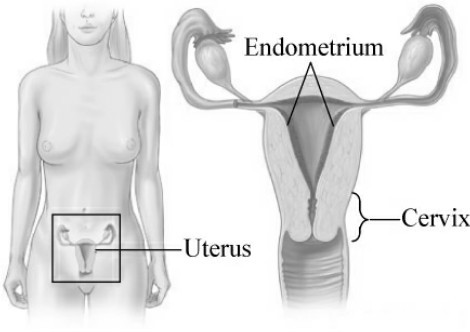
Fig.10-1 Female internal reproductive anatomy image
Epidemiology
The menopausal transition usually begins in the middle to late 40s and lasts approximately 4 years,with menopause occurring at a median age of 51 years and ranging in age from approximately 45 to 57 years.Age at menopause has not changed significantly over the past century.However,a century ago,most women in the United States did not live beyond menopause.A gradual increase in life expectancy to the low 80s now means that the average woman is postmenopausal for more than one third of her life.Age at menopause does not vary significantly by race or ethnicity,but on average,cigarette smokers experience menopause approximately 2 years earlier than nonsmokers.
Biology
During the early menopausal transition,estrogen levels are generally normal or even slightly elevated,whereas the levels of follicle-stimulating hormone(FSH)and luteinizing hormone(LH)begin to increase.As the menopause transition progresses,estrogen levels fall markedly,and FSH continues to increase.After menopause,women do not ovulate,and their ovaries do not produce estradiol or progesterone.
It is not clear what causes menopause,but two leading theories have been proposed.Age-related depletion of ovarian follicles may lead to decreased production of estrogen and inhibin and may thus cause altered hypothalamic-pituitary feedback that results in menopause.Alternatively,age-related changes in hypothalamic production of gonadotropin-releasing hormone and subsequent effects on FSH and LH may be responsible for the increased rate of loss of ovarian follicles,declining ovarian function,and menopause.
Menopausal Symptoms
Menopause is a very positive occurrence in the life of many women.It marks the end of cyclic bleeding and the need for birth control.It occurs at an age when children generally have become independent adults,thereby reducing family and child care responsibilities.Conversely,menopause is a notable sign of aging in a culture that values youth.In addition,it often occurs with other stresses,such as caring for elderly or ill parents.Women in the menopausal transition commonly report a wide variety of symptoms,including hot flushes, night sweats,vaginal dryness,trouble sleeping,sexual dysfunction,depression, anxiety,labile mood,memory loss,fatigue,headache,joint pains,weight gain,and urinary incontinence.
Only vasomotor symptoms,vaginal dryness,and sleep disturbance are consistently associated with the menopausal transition.Other reported symptoms may result from aging or stress associated with menopause.Some symptoms,such as depression,anxiety,memory loss,and fatigue,may be the consequence of frequent hot flushes or poor sleep.
Vasomotor Symptoms
Epidemiology.Vasomotor symptoms include hot flushes,chills,and sweats,A hot flush is a sudden feeling of warmth,generally most intense over the face,neck, and chest.The duration is variable,but it averages approximately 4 minutes.It is often accompanied by sweating that can be profuse and followed by a chill.
In most women,hot flushes are transient.Approximately 50%of women report resolution of symptoms within a few years,and symptoms resolve in about 90%within 8 years.However,some women continue to have frequent and severe flushes many years after menopause.Approximately 10%of women in their middle to late 60s report significant flushing.It is not clear why flushes persist for many years in some women and resolve in others.
Pathobiology.In human,body temperature is regulated by inducing vasodilation and sweating to release heat and vasoconstriction and shivering to conserve heat.Thermoregulation is complex and depends on central stimuli from the anterior hypothalamus and local changes in cutaneous vasoconstriction or dilation.A hot flush is very similar to a heat dissipation response because both result in vasodilation,sweating and reduction in core body temperature. The core body temperature at which postmenopausal women with hot flushes, vasodilate and sweat is lower than in premenopausal women or in postmenopausal women without hot flushes.Variability in core body temperature does not appear to be greater in postmenopausal women with hot flushes than in premenopausal women or in postmenopausal women without hot flushes,but normal small fluctuations in core body temperature may exceed the lowered threshold for vasodilation and result in hot flushes.
The cause of altered thermoregulation in postmenopausal women with hot flushes is not clear.One theory suggests that changes in estrogen levels associated with menopause alter central nervous system adrenergic neurotransmission. This theory is supported by studies showing that metabolites of norepinephrine increase during spontaneous and experimentally induced hot flushes,and that systemic administration of yohimbine,anα2-adrenergic antagonist that increases norepinephrine release,provokes hot flushes,whereas administration of clonidine,anα2-adranagic agonist that decreases norepinephrine release, reduces the frequency of hot flushes.Alternatively,some evidence indicates that declining estrogen levels during the menopause transition result in changes in serotonergic neurotransmission that could cause hot flushes.Lower estrogen levels are associated with lower levels of serotonin(5-hydroxytryptamine)in blood,resulting in increased sensitivity of 5-hydroxytryptamine-2A receptors in the hypothalamus.Stimulation of these receptors can alter the thermoregulatory set point in animals.Mild stressors,such as heat or anxiety,cause a brief release of 5-hydroxytryptamine that may stimulate central 5-hydroxytryptamine-2A receptors, lower the thermoregulatory set point,and cause flushing.This hypothesis is supported by the finding that drugs that increase central serotonin levels may be effective in the treatment of hot flushes.
Estrogen treatment effectively relieves hot flushes,but the exact role of estrogen in flushing is not clear.Fluctuations in estrogen levels in an individual woman do not correlate with the onset of flushes.Prepubertal girls with very low levels of endogenous estrogen,premenopausal women with marked fluctuations in estrogen during the menstrual cycle,and most postmenopausal women with low,constant levels of estradiol do not experience flushing. However,women with gonadal dysgenesis who are treated with estrogen for several months experience flushing when treatment is discontinued.Thus, withdrawal of estrogen,rather than the absolute estrogen level,appears to play a key role in the etiology of hot flushes.
In addition to changes in estradiol,menopause is associated with multiple other hormonal changes.In the Study of Women's Health Across the Nation (SWAN),a large cohort study in the United States,lower estradiol was associated with flushing in middle-aged women in univariate models.However,higher FSH was the only measure independently associated with flushing after adjustment for other hormone levels.Hot flushes correlate with pulsatile increases in LH,but suppression of LH with gonadotropin-releasing hormone agonists does not eliminate flushing
Vaginal Dryness
Epidemiology.The prevalence of vaginal dryness,discomfort,itching,and dyspareunia increases as women transit through the menopause.Up to 30%of perimenopausal and early postmenopausal women and a higher proportion of older menopausal women express these complaints.Urologic symptoms, including urgency,frequency,dysuria,and incontinence,are not clearly correlated with the menopause transition.
Pathobiology.Vaginal symptoms generally correlate with findings(often called vaginal atrophy)including pallor,dryness,friability,and decreased rugosity of the vaginal mucosa.Vaginal fluid in perimenopausal women is acidic,ranging from a p H of approximately 4.5 to 5.5 with mild alkalinization to approximately 6.0before ovulation.Acidity is produced by proton excretion from the vaginal epithelial cells and by metabolism of glycogen stored in vaginal epithelial cells by Lactobacillus species,the normal vaginal flora.The acid environment of the vagina inhibits growth of Escherichia coli(E.coli) and other enteric gram-negative bacteria that are a potential cause of urinary tract infections.Vaginal p H can easily be measured from lateral vaginal wall fluid.
In postmenopausal women,vaginal p H is generally neutral,and the predominant flora are often E.coli and other gram-negative bacteria.This appears to occur because estrogen deficiency associated with menopause causes vaginal epithelial cell dysfunction,including decreased storage of glycogen,less ability to acidify the vaginal fluid,and lowered production of vaginal lubrication.Vaginal epithelial cells, which are primarily superficial and intermediate cells in premenopausal women,shift to predominately immature parabasal cells in postmenopausal women.Treatment with estrogen improves or relieves vaginal dryness,lowers vaginal p H,and increases the proportion of superficial cells in the vaginal epithelium.
Sleep Disturbance
The prevalence of self-reported sleep disturbance increases from about 40%of premenopausal women to approximately 60%of postmenopausal women. Sleep disturbances,including trouble falling asleep and early awakening,are reported by menopausal women,but awakening during the night appears to be most bothersome.
The etiology of sleep disturbance associated with menopause is unclear. Postmenopausal women with hot flushes are more likely to report sleep disturbance than those without flushes,and women commonly report that they are awakened by hot flushes.However,studies using polysomnography find that nocturnal hot flushes do not consistently occur at the same time as sleep disturbance.Thus,disturbed sleep appears to be part of a menopausal syndrome,but it may not be caused by flushing.
Menopause-related sleep disturbance can be treated using standard approaches to sleep hygiene and prescription medications.Both oral and transdermal estrogen preparations improve sleep in perimenopausal and postmenopausal women with hot flushes.
(1,584 words)
New Words and Phrases
menopause['menəʊpɔːz]n. 绝经;更年期
reproductive[,riːprə'dʌktɪv]a. 生殖的;再生的
premenopausal[priː,menə'pɔːzəl]a. 绝经前的
ovulation['əʊvjʊleɪʃən]n. 排卵
cyclic['saɪklɪk]a. 循环的;周期的
postmenopausal[pəʊst,menəʊ'pɔːzəl]a. 绝经后的
infertility[,ɪnfə'tɪlɪtɪ]n. 不孕症
amenorrhea[ə,menəʊ'rɪə]n. 闭经,无月经
retrospectively[,retrəʊ'spektɪvlɪ]adv. 回顾地
ethnicity[eθ'nɪsətɪ]n. 种族
estrogen['estrədʒən]n. 雌激素
follicle['fɒlɪkl]n. 卵泡;小囊
follicle-stimulating hormone(FSH) 促卵泡生成激素,卵泡刺激素
lutein['luːtɪɪn]n. 黄体素,黄体化激素
luteinizing hormone(LH) 黄体生成素
ovary['əʊvərɪ]n. 卵巢
estradiol[,estrə'daɪəl]n. 雌(甾)二醇
progesterone[prəʊ'dʒestərəʊn]n. 黄体酮,孕酮
ovarian[əʊ'veərɪən]a. 卵巢的
ovarian follicle 卵泡,卵巢滤泡
depletion[dɪ'pliːʃən]n. 消耗,损耗
inhibin[ɪn'hɪbɪn]n. 抑制素
hypothalamic[,haɪpəʊθə'læmɪk]a. 下丘脑的
pituitary[pɪ'tjuːɪtərɪ]a. 垂体的n. 垂体
gonadotropin-releasing hormone 促性腺激素释放激素
hot flush 潮热,热潮红
labile['leɪbaɪl,-bɪl]a. 易变的,不稳定的
incontinence[ɪn'kɒntɪnəns]n. 失禁;无节制
urinary incontinence 尿失禁,遗尿
vasomotor[,veɪzəʊ'məʊtə]a. 血管舒缩的
profuse[prəʊ'fjuːs]a. 丰富的,很多的
vasodilation[,veɪzəʊdaɪ'leɪʃən]n. 血管舒张
thermoregulation['θзːməʊ,reɡjʊ'leɪʃən]n. 温度调节
stimulus['stɪmjʊləs]([复]stimuli)n. 刺激;刺激物
dissipation[dɪsɪ'peɪʃən]n. 驱散(作用),逸散(作用)
threshold['θreʃhəʊld]n. 界限;阈值
lower threshold n. 下辨别阈
adrenergic[,adrə'nзːdʒɪk]a. 肾上腺素能的n. 肾上腺素能药
neurotransmission[,njʊərəʊtrænz'mɪʃən]n. 神经传递
norepinephrine[,nɔːrepɪ'nefrɪn]n. 去甲肾上腺素
yohimbine n. 育亨宾(碱)
clonidine['klɒnɪdiːn]n. 可乐定(抗高血压药)
serotonergic[,sɪərətə'nзːdʒɪk]a. 5-羟色胺激活的;含5-羟色胺的
serotonin[,sɪərəʊ'təʊnɪn]n. 5-羟色胺(血管收缩素)
hydroxytryptamine[haɪ,drɒksɪ'trɪptəmiːn]n.羟苯丙胺
prepubertal[priː'pjuːbətəl]a. 青春期前的
gonadal[ɡəʊ'nædəl]a. 性腺的
dysgenesis[dɪs'dʒenɪsɪs]n. 发育不全
cohort['kəʊhɔːt]n. 一群(人),同生群
cohort study 队列研究,定群研究
univariate[,juːnɪ'veərɪeɪt]a. 单变量的
pulsatile['pʌlsətaɪl]a. 搏动的
dyspareunia[,dɪspə'ruːnɪə]n. 性交困难
urologic[,jʊərəʊ'lɒdʒɪk]a. 泌尿科学的,泌尿道的
pallor['pælə]n. (尤指因疾病、恐惧所致的脸色的)苍白,灰白
friability[fraɪə'bɪlɪtɪ]n. 易碎性;脆碎度
rugosity[ruː'ɡɒsətɪ]n. 皱褶
alkalinization[,ælkə,lɪnɪ'zeɪʃən]n. 碱化,碱化作用
proton['prəʊtɒn]n. 质子
glycogen['ɡlaɪkəʊdʒən]n. 糖原
Lactobacillus[,læktəʊbə'sɪləs]n. 乳酸菌,乳酸杆菌
flora['flɒrə]n. 植物区系;植物群
Escherichia[,eʃə'rɪkɪə]n. 埃希杆菌属
Escherichia coli(E.coli) 大肠杆菌
enteric[en'terɪk]a. (小)肠的
urinary tract infection 尿路感染,尿道发炎
acidify[ə'sɪdɪfaɪ]v. 酸化,(使)变酸
lubrication[,luːbrɪ'keɪʃən]n. 润滑,润滑作用
parabasal cell 副基底细胞,副基细胞
polysomnography[,pɑːliːsɑːm'nɔːɡrəfɪ]n. 多导睡眠描记术
nocturnal[nɒk'tзːnəl]a. 夜的,夜间发生的
hygiene['haɪdʒiːn]n. 卫生;卫生学;保健(法)
 Exercises
Ⅰ.Reading Comprehension
A.Answer the following questions.
1.After how long of amenorrhea is menopause typically defined?
2.What will happen when women do not ovulate after menopause?
3.Is menopause a very positive occurrence in the life of many women?
4.What is body temperature regulated by in human's body?
5.What appears to play a key role in the etiology of hot flushes?
B.Decide whether the following statements are True or False.
1.Amenorrhea for a few months is not a good indicator of menopause.
2.That depletion of ovarian follicles may lead to decreased production of estrogen and inhibin and may thus cause altered hypothalamic pituitary feedback that results in menopause is related to age.
3.A hot flush is not similar to a heat dissipation response.
4.Estrogen treatment does not effectively relieve hot flushes.
5.Higher FSH was the only measure independently associated with flushing after adjustment for other hormone levels.
Ⅱ.Words and Expressions
A.Fill in the blanks with the words or expressions given below,and change the form where necessary.
ovary postmenopause vasoconstriction menopause
endometrium reproduce premenopause hot flush
uterus progesterone parasympathetic menstruation
estrogen amenorrhea hormone
1.__________ are the body's reaction to a decreased supply of the hormone estrogen,which occurs naturally as women approach menopause.
2.Vaginal dryness and vaginal atrophy occur when your__________ levels drop.
3.The symptoms of menopause are caused by changes in estrogen and__________ levels.
4.Estrogen levels may drop suddenly after some medical treatments,as is seen when the__________ are removed surgically.
5.If you have a__________ and decide to take estrogen,you must also take progesterone to prevent endometrial cancer(cancer of the lining of the uterus).
6.The__________ nervous system is one aspect of the autonomic nervous system,which regulates unconscious bodily functions such as heart and respiration rates.
7.After a full year without a period,you can say you have been“through menopause.”__________ follows menopause and lasts the rest of your life.
8.Menopause is time in a woman's life when her periods of__________ eventually stop and the body goes through changes that no longer allow her to get pregnant.
9.The__________ is the mucous membrane that lines the inside of the uterus.It changes throughout the menstrual cycle.It becomes thick and rich with blood vessels to prepare for pregnancy.If the woman does not get pregnant,part of it is shed,causing menstrual bleeding.
10.As a result of the fall in hormone levels,changes occur in the entire female__________ system.
B.Fill in the blanks with the suitable words or expressions from each group.
The transition from reproductive to non-reproductive is the result of a reduction in female hormonal production by the 1 .This transition is normally not sudden or abrupt,tends to occur over a period of years,and is a/an 2 consequence of aging.However,for some women,the accompanying signs and effects that can occur during the 3 transition years can significantly 4 their daily activities and sense of well-being.In addition, women who have some sort of functional disorder affecting the 5 system (e.g.endometriosis,polycystic ovary syndrome,cancer of the reproductive organs)can go into menopause at a/an 6 age than the normal timeframe. The functional disorders often significantly 7 the menopausal process and create more significant health problems,both 8 and emotional,for the affected woman.
Women who have their 9 removed but retain their ovaries do not immediately go into menopause,even though their periods cease.Adult women who have their 10 removed however,go immediately into surgical menopause,no matter how young they are.
An early menopause can be related to cigarette smoking,higher body mass index,racial and ethnic factors,illnesses,chemotherapy,radiation and the 11 removal of the uterus and/or both ovaries.
Menopause can be officially declared(in an adult woman who is not 12 ,is not lactating(授乳),and who has an intact uterus)when there has been 13 (absence of any menstruation)for one complete year.However,there are many signs and effects that lead up to this point,many of which may extend well beyond it too.These include:irregular menses, 14 instability(hot flashes and night sweats), 15 of genitourinary(泌尿生殖器)tissue, increased stress, 16 tenderness, 17 dryness,forgetfulness,mood changes,and in certain cases osteoporosis and/or heart disease.These effects are related to the 18 changes a woman's body is going through,and they affect each woman to a different extent.The only sign or effect that all women universally have 19 is that by the end of the menopause transition every woman will have a complete 20 of menses.
1.A.lungs B.ovaries C.kidneys D.uterus
2.A.natural B.important C.necessary D.different
3.A.menstruation B.cancer C.menopause D.appendicitis
4.A.abrupt B.help C.disrupt D.benefit
5.A.reproductive B.mental C.neural D.vascular
6.A.smaller B.younger C.bigger D.older
7.A.slow down B.turn off C.break off D.speed up
8.A.physical B.feeling C.mental D.healthy
9.A.intestines B.uterus C.tissues D.capillaries
10.A.tissues B.kidneys C.arteries D.ovaries
11.A.physical B.neural C.surgical D.potential
12.A.pregnant B.hormonal C.chronic D.severe
13.A.amenorrhea B.myocardial C.bleeding D.metabolic
14.A.vasodilation B.vasoconstriction C.vasomotor D.vascular
15.A.dementia B.atrophy C.migraine D.onset
16.A.abdomen B.stomach C.breast D.uterus
17.A.uterine B.hepatic C.endometrial D.vaginal
18.A.blood B.hormonal C.motion D.emotional
19.A.in common B.in large C.in reality D.in fact
20.A.transition B.cessation C.start D.process
Ⅲ.Translation
A.Translate the following sentences into Chinese.
1.All healthy women transit from a reproductive or premenopausal period marked by regular ovulation and cyclic menstrual bleeding to a postmenopausal period marked by infertility and amenorrhea.
2.Women in the menopausal transition commonly report a wide variety of symptoms,including hot flushes,night sweats,vaginal dryness,trouble sleeping,sexual dysfunction,depression,anxiety,labile mood,memory loss,fatigue,headache,joint pains,weight gain,and urinary incontinence.
3.The core body temperature at which postmenopausal women with hot flushes,vasodilator and sweat is lower than in premenopausal women or in postmenopausal women without hot flushes.
B.Translate the following sentences into English.
1.绝经期间,女性卵巢停止排卵,雌激素和性激素分泌减少。这些激素的变化引发绝经症状,行经次数减少,最终停止。有时月经突然停止,但大多时候,行经是逐渐停止的。停止行经1年即为绝经,也称之为绝经后期。绝经后期,女性不再能够怀孕。
2.在绝经过渡前期,雌激素水平一般情况下正常或稍有升高,而卵泡刺激素(FSH)和黄体生成素(LH)水平开始升高。随着绝经过渡期的进一步发展,雌激素水平明显下降,FSH水平继续升高。绝经后,女性不再排卵,卵巢不再分泌雌二醇或孕酮。
Ⅳ.Writing
A.Write an Abstract of Text A.
B.Write a topic-related and literature-based report on Menopause.