上海欢迎您系列·英文版(套装书全4册)
-
1.1上海的游=Tour in Shanghai
-
1.1.1前折页
-
1.1.2Welcome to Shanghai
-
1.1.3目录CONTENTS
-
1.1.4A Panoramic View of Scenic Spots and Cultural Site...
-
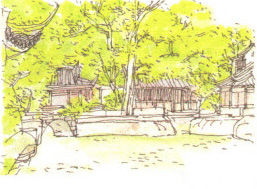
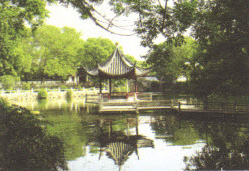
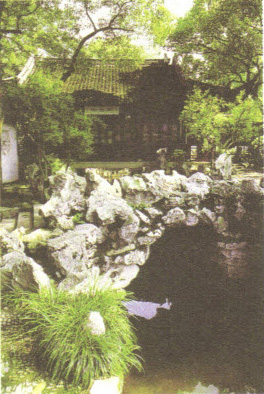
1.1.5江南名园 Famous Gardens in the Region South of the Cha...
-
1.1.5.1Yuyuan Garden 豫 园
-
1.1.5.2Guyi Garden 古猗园
-
1.1.5.3Qiuxia Garden 秋霞圃
-
1.1.5.4Zuibaichi Park 醉白池
-
1.1.5.5Huilongtan Park 汇龙潭
-
1.1.5.6Qushui Garden 曲水园
-
1.1.5.7寺庙与教堂 Temples and Churches
-
1.1.5.8Longhua Temple 龙华寺
-
1.1.5.9Jing'an Temple 静安寺
-
1.1.5.10Jade Buddha Temple 玉佛寺
-
1.1.5.11Confucian Temple in Jiading 嘉定孔庙
-
1.1.5.12Sheshan Cathedral 佘山圣母大教堂
-
1.1.5.13Ohel Moshe Synagogue 摩西会堂
-
1.1.6名人故居 Former Residences of Famous People
-
1.1.6.1Former Residence of Sun Yatsen 孙中山故居
-
1.1.6.2Former Residence of Mao Zedong on Maoming Road, Sh...
-
1.1.6.3Former Residence of Song Qingling 宋庆龄故居
-
1.1.6.4Former Residence of Zhou Enlai 周恩来故居
-
1.1.6.5Former Residence of Lu Xun 鲁迅故居
-
1.1.6.6Former Residence of Cai Yuanpei 蔡元培故居
-
1.1.6.7上海山、水与古镇 Hills, Rivers and Old Towns in Shanghai
-
1.1.6.8Boat Cruise on the Huangpu River 浦江游览
-
1.1.6.9Sightseeing along the Suzhou Creek 苏州河之旅
-
1.1.6.10Songjiang Town 松江镇
-
1.1.6.11Zhujiajiao Town 朱家角镇
-
1.1.6.12Jiading Town 嘉定古镇
-
1.1.6.13Jinze Town 金泽古镇
-
1.1.6.14Qibao-an Ancient Town 七宝老街
-
1.1.6.15Sheshan Hill 佘山
-
1.1.7博物馆 Museums
-
1.1.7.1Shanghai Museum 上海博物馆
-
1.1.7.2Shanghai Archives Establishment (New Hall at the B...
-
1.1.7.3Shanghai Urban Planning Exhibition Center 上海城市规划展示...
-
1.1.7.4Shanghai History Museum 上海城市历史发展陈列馆
-
1.1.7.5Shanghai Museum of Science and Technology 上海科技馆
-
1.1.7.6Shanghai Oceanarium 上海海洋水族馆
-
1.1.8现代工业与农业观光 Tourism of Modern Industry and Agricultu...
-
1.1.8.1Shanghai International Automobile City 上海国际汽车城
-
1.1.8.2Shanghai General Motor Co., Ltd. 上海通用汽车有限公司
-
1.1.8.3Sunqiao Modern Agricultural Development Zone 孙桥现代农...
-
1.1.8.4Dongping National Forest Park 东平国家森林公园
-
1.1.8.5Pudong Lingkong Agricultural Grand View Garden 浦东凌...
-
1.1.8.6Urban Vegetable Garden of Fengxian 奉贤都市菜园
-
1.1.8.7Shenlong Ecological Park 申隆生态园
-
1.1.9万国建筑博览 World Exposition of Architecture
-
1.1.9.1Shanghai Club 上海总汇
-
1.1.9.2The Hong Kong and Shanghai Banking Corporation Ltd...
-
1.1.9.3Cathay Hotel (also known as the Sassoon House) 华懋饭...
-
1.1.9.4Bank of China Building 中国银行大厦
-
1.1.9.5Astor House 礼查饭店(浦江饭店)
-
1.1.9.6Shanghai Garden Houses and Villas 上海老洋房别墅
-
1.1.9.7Shanghai Stone-gate House and Civil Residences 上海石...
-
1.1.10沪上景观 Scenic Spots and Historic Sites in Shanghai
-
1.1.10.1The Bund 外滩
-
1.1.10.2The People's Square 人民广场
-
1.1.10.3The Oriental Pearl TV & Radio Tower 东方明珠广播电视塔
-
1.1.10.4Shanghai Site of the 1st National Congress of the ...
-
1.1.10.5Grand View Garden in Shanghai 上海大观园
-
1.1.10.6Shanghai Botanical Garden 上海植物园
-
1.1.10.7Shanghai Wild Animal Park 上海野生动物园
-
1.1.10.8Oriental Green Boat 东方绿舟
-
1.1.10.9Shanghai Xintiandi 上海新天地
-
1.1.10.10Lingang New Town 临港新城
-
1.1.10.11Madame Tussauds 杜莎夫人蜡像馆
-
1.1.10.12Riverside Avenue 滨江大道
-
1.1.11INDEX(索引)
-
1.2上海的玩=Entertainment in Shanghai
-
1.2.1《上海歡迎您》编委会名单
-
1.2.2扉页
-
1.2.3Welcome to Shanghai
-
1.2.4Have Fun in Shanghai
-
1.2.5By the Side of the Huangpu River: the Bund and Pud...
-
1.2.6Classic Leisure Streets
-
1.2.7Night Life and Performances in Shanghai
-
1.2.8"Foreign-style" Shopping in Shanghai
-
1.2.9Shanghai International Tourism Festival
-
1.2.10INDEX(索引)
-
1.3上海的吃=Food in Shanghai
-
1.3.1《上海歡迎您》编委会名单
-
1.3.2扉页
-
1.3.3Welcome to Shanghai
-
1.3.4Enjoy Delicacies in Shanghai
-
1.3.5Traditional Chinese Restaurants
-
1.3.5.1No. One Cantonese Cuisine Xinya(Sunya) Cantonese R...
-
1.3.5.2Great Cuisines Meet Shanghai Classical Hotel
-
1.3.5.3Crab Dinner Wangbaohe Restaurant
-
1.3.5.4Huaiyang Flavor Laobanzhai Restaurant
-
1.3.5.5A Marriage of Sichuan and Yangzhou Cuisines Luyang...
-
1.3.5.6Pillar of Strength Jie-Er-Jing Sichuan Cuisine
-
1.3.5.7Shanghai-Style Beijing Cuisine Yanyunlou Restauran...
-
1.3.5.8Taste of paradise Xiaoshaoxing Restaurant
-
1.3.5.9Famous Hotpot Hongchangxing Restaurant
-
1.3.5.10Renowned Cantonese Restaurant Xinghualou
-
1.3.5.11Trendy, Funky and Fabulous New Zhenjiang Restauran...
-
1.3.5.12The Delicious "Mei Food" at Meilongzhen Restaurant
-
1.3.5.13The Taste of Suzhou Canglang Pavilion
-
1.3.5.14Expert in Freshwater Seafood Laozhengxing Restaura...
-
1.3.5.15A Fine Vegetarian Cuisine Gongdelin Restaurant
-
1.3.5.16Shanghai's Top Notch Vegetarian Cuisine Songyuelou
-
1.3.5.17A Symbol of Reunion Ningbo Tangtuan Restaurant
-
1.3.5.18Winner of Crowd's Love Nanxiang Steamed Bun Restau...
-
1.3.6Well-known Specialty Restaurants
-
1.3.6.1Specialty Shanghai Style Dim Sums and Gourmet Dish...
-
1.3.6.2Hong Kong Style Cantonese Cuisine Heng Yue Xuan (H...
-
1.3.6.3A Menu for the Pleasure of the Palate Laitianhua R...
-
1.3.6.4Fragrant Huaiyang Cuisine Nanling Restaurant
-
1.3.6.5A World of Gourmet Tastes Meiyuancun Restaurant
-
1.3.7Elegant Western Restaurants
-
1.3.7.1Champion of French Cuisine Red House Restaurant
-
1.3.7.2One-Hundred-Year-Old Classic DeDa Western Restaur...
-
1.3.7.3Feast from Around the World Golden Jaguar Buffet ...
-
1.3.7.4Happy Hour Guangzhou Banana Leaf Curry House
-
1.3.7.5Crisp and Refreshing The Shanghai Bund Brewery
-
1.3.8The Trendy Dim Sums in Shanghai
-
1.3.9Unforgettable Traditional Shanghai Classics
-
1.3.10INDEX(索引)
-
1.4上海的住=Lodgement in Shanghai
-
1.4.1版权信息
-
1.4.2Preface
-
1.4.3Historical Hotels
-
1.4.3.1“The No.1 Hotel in China”—Astor House Hotel
-
1.4.3.2The Central Zero Point of Shanghai—Forever Park Ho...
-
1.4.3.3A World Famous Hotel—Peace Hotel
-
1.4.3.4The “Multinational Apartments” of the Past—Hengsha...
-
1.4.3.5Unique Sights and Delicate Cuisines—Broadway Mansi...
-
1.4.3.6A Historical Hotel with Legends—Nanjing Hotel
-
1.4.3.7A “Promised Land” with Double Blessings on All Its...
-
1.4.3.8The First State Guest House of New China—Jin Jiang...
-
1.4.3.9A Splendid Ancient Castle—Pacific Hotel
-
1.4.4New Landmarks
-
1.4.4.1A Place to Overlook the Whole City—Grand Hyatt Hot...
-
1.4.4.2An Important Place for Foreign Affairs—New Jin Jia...
-
1.4.4.3Distinguished Guests from Five Continents All Get ...
-
1.4.4.4The Unique Platinum Five-Star Hotel in Shanghai Th...
-
1.4.4.5A Beautiful Flower in Full Bloom—Okura Garden Hote...
-
1.4.4.6The First Hotel in Shanghai Providing a 24—hour Bu...
-
1.4.4.7A Hotel Adjacent to the Shopping Paradise—Howard J...
-
1.4.4.8A Business Hotel on the Pedestrian Street Sofitel—...
-
1.4.5Garden-Like Hotels
-
1.4.5.1An Oasis in the City Xijiao State—Guest Hotel
-
1.4.5.2A Place to Enjoy the State VIP Privilege—Hongqiao ...
-
1.4.5.3A Once Mysterious State Guest House—Radisson Plaza...
-
1.4.5.4A Garden Hotel in the City—Dongjiao State Guest Ho...
-
1.4.5.5A Boat Floating Amidst a Sea of Plants—Oriental Gr...
-
1.4.5.6A Village in the City—Guhua Garden Hotel
-
1.4.5.7A Typical Garden of the South of the Yangtze River...
-
1.4.6Featured Hotels
-
1.4.6.1Providing All-around “Golden Key” Service—Grand Me...
-
1.4.6.2The Best Choice for Various Conferences and Activi...
-
1.4.6.3Famous for Its Crab Feasts—Central Hotel
-
1.4.6.4The Only Hotel with the Room Service of Flight Che...
-
1.4.6.5With the Best Business Centre in Shanghai—City Hot...
-
1.4.6.6Enjoy a Home-like Atmosphere Seventh Heaven Hotel
-
1.4.6.7The First Choice for Business People—Bailemen Hote...
-
1.4.6.8A Hotel with “Shadow Service” System—Golden Jade S...
-
1.4.6.9A Hotel with the Best View of the Bund—Seagull Hot...
-
1.4.6.10The Classic Mason—Mason Hotel
-
1.4.6.11Romantic Mediterranean Lapis Casa—Boutique Hotel
-
1.4.6.12A High Grade Business Hotel in Pudong—Sofitel Shan...
-
1.4.6.13A Hotel to Watch the Sunset by the River—Baoshan H...
-
1.4.7INDEX(索引)