1.6.1.5 五、手势标准
五、手势标准

GESTURING STANDARDS

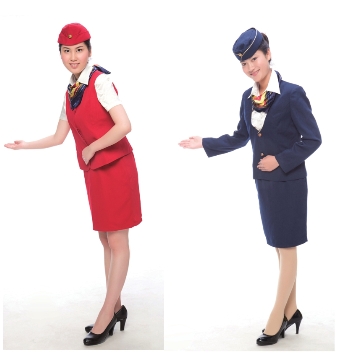
航空服务人员在介绍某人、请人做某事、为客人指示方向时,上身略向前倾,手臂伸直,五指自然并拢,掌心稍稍向上,目光面向客人方向以肘关节为支点,上身稍向前倾15°,指向目标方向。这可以表示对他人的敬重、诚恳、恭敬、礼貌。(图1.13)如果掌心朝下含有压制、控制他人的含义,用一个手指指点,含有教训人的意思。

When air services staff are introducing someone, asking someone to do something, showing directions for the guests, they should lean the upper body slightly forward, arms outstretched, fingers closed together naturally, palms kept up slightly, eyes faced to the guests’ direction, use the elbow as a fulcrum, the upper body slightly forward 15 degrees to the target’s direction.These postures indicate respect, and polite to others.(Fig.1.13) Do not keep the palm down, which means suppressing others, do not point with a finger, which means rebuking.

图1.13 引导指示手势
Fig.1.13 Directions instructions gesture

具体来说,请客人开始行进时,应面向客人稍许欠身;若双方并排行进时,服务人员应居于左侧;若双方单行行进时,服务人员应居于左前方约一米的位置;在陪同引导客人时,服务人员行进的速度须与客人相协调;经过拐角或楼梯处时,须关照提醒客人留意;在行进中与客人交谈或答复其提问时,应将头部、上身转向客人。

Specifically, bow slightly when asking the guests to begin to move; air services staff should be on the left when moving side by side with guests; staff should keep about one meter in front of guests’ left side when introducing guests move forward; note moving speed; remind guests be careful at corner or on stairs; face guests when talking to them.

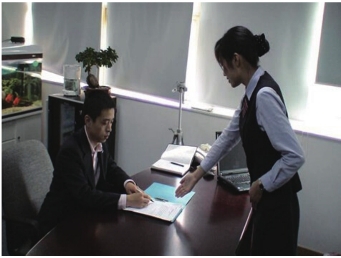
为他人进行阅读指示时,五指并拢,指向阅读内容,面带微笑,同他人有目光交流,并有语言配合。(图1.14)

When giving reading instructions, close five fingers, point to the readings, smile, keep eyecontact and use instructive words at the same time.(Fig.1.14)

图1.14 阅读指示手势
Fig.1.14 Reading instructions gesture