-
1 BBC
-
2 Narrative St...
-
3 Test 2
What is BBC?
Are you thinking about the above picture when you see "BBC"?
In public speaking, we use BBC to indicate Beginning, Body and Conclusion.
Beginning: in the opening session, it is necessary to point out your topic and you have to attract the audiences' attention. The following tips will help you to start a wonderful beginning.
raise a thought-provoking question
make an interesting or controversial statement
recite a relevant quotation
recount a joke
Please remember,all no matter what method you use to start your speech, it should relate to your topic.
Body: in the body session, it's better for you to set out three supporting points or aspects and use enough materials to prove or argue the supporting ideas.
The points should be organized so that related points follow one another so that each point builds upon the previous one. This will also give your speech a more logical progression, and make the job of the listener a far easier one.
【Vina's Tip 1: Mindmap】
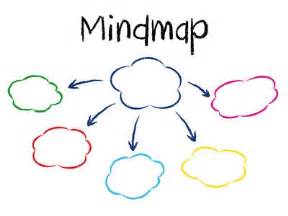
"Mindmap" is something we usually used to generate our ideas. You might go to the website mindmapping.com for the details.
In brief, the mind map is something like the following pic. U have one key word and several related aspects.
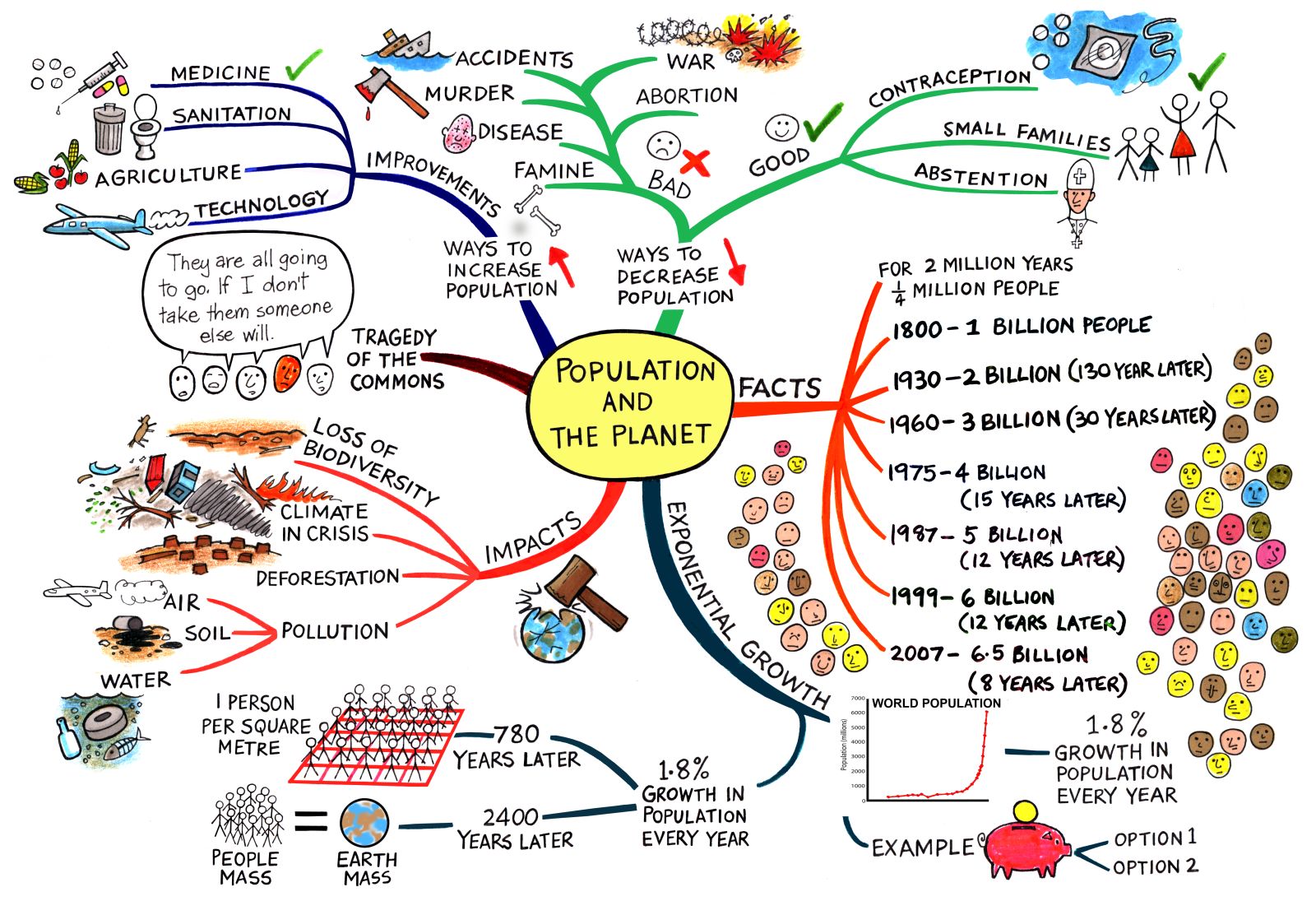
Of course, you can make your mindmap really huge, just like this one. Mindmap can help you well organize your ideas. It is really a good way to enable you to arrange points in a really logical way.
Conclusion: in the ending session, like the openning, it is important for you to restate your topic. You can view this as an opportunity to:
summarize the main points of your speech
provide some further food for thought for your listeners
leave your audience with positive memories of your speech
end with a final thought/emotion