
Paragraph1
distinct a.
clearlyseen, heard, felt, understood, etc.; noticeable
e.g. Nowthat the boss was no longer present, there was a distinct change in herattitude.
The children have distinctmemories of their grandfather in his last days.
Comparison: distinct & distinctive
distinct: Something that is distinct can clearly beseen, heard, smelled, etc.
e.g. Thereis a distinct smell of beer in this room.
distinctive: It means having a special quality, character,or appearance that is different and easy to recognize.
e.g. Beerhas a very distinctive smell; it’s quite distinct from the smell of wine.
Practice:
One ofthe _________ features of this book is its __________ illustrations.
本书特点之一就是具有清楚明了的图解。
(Keys: distinctive,distinct)
Paragraphs2-9
clutch vt. hold or grasp tightly; vi.try to grasp or seize
e.g. The frightenedwoman clutched her bags to her breast.
He clutched at the rope we had thrownto him but could not reach it.
Synonyms: seize, grasp
e.g. Sheseized my arm as she fell.
grasp the essence / main points
glimpse n.
①a quick look at sb. or sth.
e.g. Icaught a glimpse of our new neighbor.
②a short experience of sth. that helps you begin to understand it
e.g. Herworried face gave me a glimpse of her true feelings.
她的忧伤表情使我感受到她内心的真实感情。
reserve n.
a qualityin sb.’s character that make them not like expressing their emotions or talkingabout their problems
e.g. Beinga man of reserve, Mr. York was never popular with his colleagues.
Judy has tried every means tobreak through the reserve of her stepson.
Derivation:reserveda.
e.g. TheEnglish have a reputation for being reserved.
whereabouts
n.approximatelocation; ad. used to ask in what general area sth. or sb. is
e.g. Theorphan’s whereabouts is / are still unknown.
The police have appealed for informationconcerning the whereabouts of the stolen car used in the robbery.
Whereabouts did you grow up?
demeanorn.
the way sb.behaves, dresses, speaks, etc. that shows what their character is like
Practice:
①他的举止沉着、稳健。
Hisdemeanor was clam and steady.
②这个女孩子的态度娴静而谦逊。
The girlhas a quiet, modest demeanor.
scribble (down)v.
write sth.quickly and untidily
e.g. I scribbled hisphone number in my address book.
He scribbled down ournames.
grope v.
①try to findsth. that you cannot see by feeling with your hands
Collocations:
grope for
e.g. Ginnygroped for her glasses on the bedside table.
gropearound
e.g. Wegroped around in the darkness.
②go somewhere by feeling the way with your hands because you cannot see
Collocations:
gropeyour way along / across, etc.
e.g. I was groping my way blindly through the trees.
tip off.
give anadvanced warning or hint to
e.g. Somebodymust have tipped the burglars off that the house would be empty.
The police was tipped off aboutthe robbery.
goody (pl. goodies) n.
①sth. that is nice to eat
e.g. We bought lots of goodies for thepicnic.
②sth. attractive, pleasant, or desirable
e.g. Thecompetition gives you the chance to win all sorts of goodies.
Variant spelling: (British English)goodie
flail v.
(causesth. to) wave or swing about wildly
e.g. I flailed my arms to get her attention.
The baby’s feet flailed under thequilt.
rear end
(informal)the part of your body which you sit on
sneak v.
gosomewhere secretly and quietly in order to avoid being seen or heard
Collocation:
sneak in /out / away / off
e.g. They sneaked off without paying!
She snuck out of thehouse once her parents were asleep.
Synonym: creep
crunchy-chewy-salty-sweet bite
Here themodifier “crunchy-chewy-salty-sweet” describes the texture and taste of thefast food, which is crunchy, chewy, salty and sweet.
Word formation: The four adjectives are chained up withhyphens to form a new modifier placed before a noun.
e.g. a red-hot news story
anall-round athlete
tiptoe v.
walkquietly and carefully on your toes, so that nobody hears you
e.g. Hismother tiptoed into the room.
I tiptoed along the corridor.
Collocation:
tiptoearound (sth.): try to avoid dealing with a difficult or embarrassing subject orproblem
e.g. Theywere tiptoeing around the delicate subject of money.
poor (old) soul
used toshow pity for sb.
e.g. The poor old soul had fallen and broken her hip.
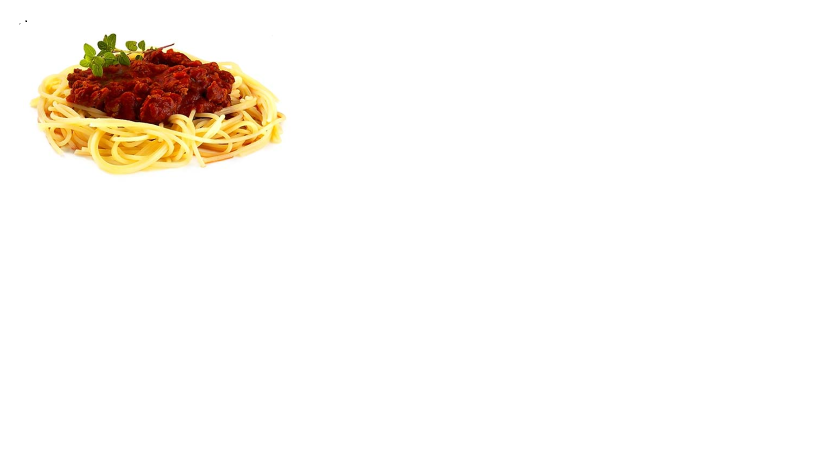
spaghetti 意大利式细面条a type of pasta in very long thinpieces, that is cooked in boiling water
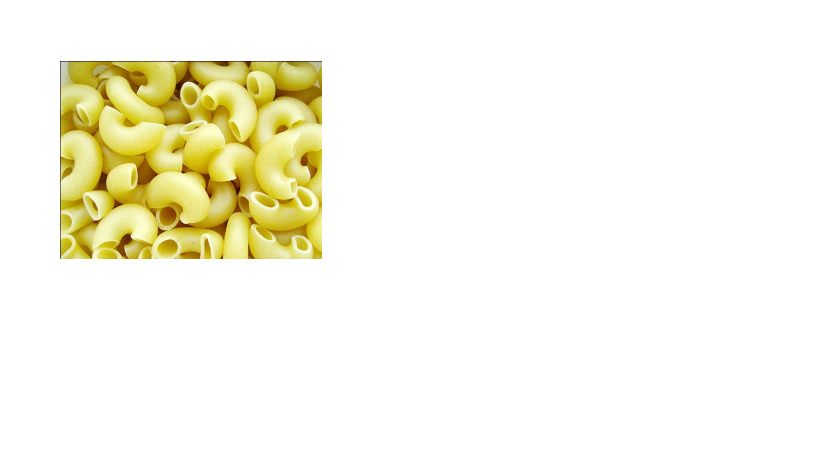
macaroni通心粉a type of pasta in the shape of smalltubes.
tagliatelle意大利干面条a type of pasta that is cut intovery long thin flat pieces
go out to sb. used to say that someone feels a lot ofsympathy towards another person
e.g. Hisheart went out to Mrs. Bradshaw and her fatherless child.

grin v.
show thatyou are very happy or pleased by smiling widely

Collocation:
grin fromear to ear: grin very widely
slink v.
go ormove in a quiet, stealthy way; move as if one feels guilty or ashamed, or doesnot want to be seen
e.g. Shetried to slink (=sneak) out of the office so that nobody would see her.
The cat slunk (=sneaked) throughthe grass toward its prey.
Paragraphs10-14
malicious a.
veryunkind and cruel, and deliberately behaving in a way that is likely to upset orhurt sb.
e.g. amalicious remark
malicious gossip
Derivation:
malice (n.): a desire to harm sb. because youhate them
e.g. Hedid it through malice.
I amquite certain that his wife bears malice to/towards/against (=feels continuingdislike for) me.
run with the crowd
Comparison and translation
Anindependent man, Peter never goes with the tide.
彼得是个有主见的人,从不随大流。
You cando what you want to do, but never follow the crowd.
你想做什么就做什么,可别随大流。
Hait hasn’tgot a mind of his own on any matter of importance; he just swims with the tide.
海特在任何重要问题上都没有自己的主见,他只是随大流。
She isalways falling into line with the majority.
她总是随大流。
shackle n.
a metalfastening, usually one of a pair, for encircling and confining the ankle orwrist of a prisoner or captive; (fig.)a restraint or check to action or progress, often used in the plural form.
e.g. Thepoliceman placed shackles on the suspect’s hands.
It is hard to break through theshackles of habit.

