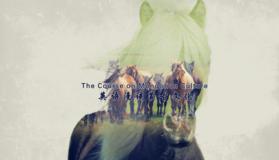
英语漫谈蒙古文化

萨仁格日乐 涛歌 苏乙拉图 Johnathan Sarah

目录

  • 1 Unit1  Mongolian People
    • 1.1 A New Friend from America
    • 1.2 Genghis Khan
    • 1.3 The Origin of the Names of Temujin and Genghis Khan
    • 1.4 Language points
    • 1.5 [i] and [ɪ] sounds
    • 1.6 Chapter test
  • 2 Unit2 Nomadic Lifestyle
    • 2.1 Where Mongolian People Live?
    • 2.2 Why Mongolians lead nomadic lifestyle
    • 2.3 Yurts
    • 2.4 Language points
    • 2.5 Treat the environment like life
    • 2.6 Chapter test
  • 3 Unit3 Five Animals
    • 3.1 Five Animals of Mongolians
    • 3.2 The Camel and the Goat
    • 3.3 Five Animals
    • 3.4 Language points
    • 3.5 [ɛ] and [æ] sounds
    • 3.6 Chapter test
  • 4 Unit4 Food and Drinks
    • 4.1 Mongolian Food
    • 4.2 The Milk Tea
    • 4.3 Mongolian Chegee
    • 4.4 Language points
    • 4.5 [ɝ] and[ɚ] sounds
    • 4.6 Chapter test
  • 5 Unit5 Clothing
    • 5.1 Mongolian Robes
    • 5.2 Mongolians Clothing
    • 5.3 Mongolian Hats,Mongolian boots
    • 5.4 Language points
    • 5.5 [ʊ] and [u] sounds
    • 5.6 Chapter test
  • 6 Unit6 Colors
    • 6.1 The Color I Like Best
    • 6.2 Mongolian People Respect White
    • 6.3 Colors
    • 6.4 Language points
    • 6.5 [ɑ] [ʌ]  [ɔ]
    • 6.6 Chapter test
  • 7 Unit7 Music
    • 7.1 Mongolian Music
    • 7.2 Horse Head Fiddle
    • 7.3 Long song (Urtiin duu),Odes (magtaal),Throat singing (khoomii)
    • 7.4 Language points
    • 7.5 Word Stress
    • 7.6 Chapter test
  • 8 Unit8 Mongolian Art
    • 8.1 Mongolian Arts
    • 8.2 The Nose Patterns
    • 8.3 Leather Carving,Paper Cuts
    • 8.4 Language points
    • 8.5 Unstressed Syllables
    • 8.6 Chapter test
  • 9 Unit9 Sports
    • 9.1 Mongolian Traditional Sports Naadam Fair
    • 9.2 A famous mongalian wrestler
    • 9.3 Naadam Fair
    • 9.4 Language points
    • 9.5 Rhythm in Sentence
    • 9.6 Chapter test
  • 10 Unit10 Climate and Weather
    • 10.1 Daily Greetings and Weather Conditions
    • 10.2 The Two Brave Young Mongolian Girls
    • 10.3 The Climate and the Character of Mongolian People
    • 10.4 Language points
    • 10.5 Focus Word
    • 10.6 Chapter test
  • 11 Unit11 Mongolian Medicine
    • 11.1 Talking About Mongolian Medicine
    • 11.2 Traditional Mongolian Medicine
    • 11.3 Treatment Practices of Mongolian Medicine
    • 11.4 Language points
    • 11.5 Tag  Questions with Rising Intonation
    • 11.6 Chapter test
  • 12 Unit12 Mongolian Education
    • 12.1 Education in Mongolian School and learning Mongolian
    • 12.2 The Story of the Five Arrows
    • 12.3 Hohhot MinZu college
    • 12.4 Language points
    • 12.5 Intonations
    • 12.6 Chapter test
  • 13 Unit13 The Festivals
    • 13.1 Talking About Mongolian New Year
    • 13.2 Tsagaan Sar
    • 13.3 The God of Medicine
    • 13.4 Language points
    • 13.5 Stressed ‘do’
    • 13.6 Chapter test
  • 14 Unit14 Love and Marriage
    • 14.1 Going to a Mongolian Wedding
    • 14.2 The Story Behind “Meeting at the Ovoo”
    • 14.3 Wedding Customs
    • 14.4 Language points
    • 14.5 [ð] and [θ] sounds
    • 14.6 Chapter test
  • 15 Unit15 Religion
    • 15.1 Going to Church
    • 15.2 Ovoo Sacrifice
    • 15.3 Why Mongolians believe in Buddism?
    • 15.4 Language points
    • 15.5 Linking Words Together
    • 15.6 Chapter test
  • 16 Unit16 Traveling in Inner Mongolia
    • 16.1 A Travel Plan
    • 16.2 A Legend of lakes of Hulun and Buir
    • 16.3 The Travel Guide for Inner Mongolia Autonomous Region
    • 16.4 Language points
    • 16.5 Rising Intonation
    • 16.6 Chapter test
  • 17 阅读
    • 17.1 阅读
  • 18 问卷调查
    • 18.1 问卷调查
Daily Greetings and Weather Conditions
  • 1 学习目标
  • 2 视频

学习目标

通过本讲的学习,你需要掌握:

1. 蒙古族人如何互相打招呼;

2. 如何口述故事“草原英雄小姐妹的故事”;

3. 提高口语能力的技巧。

4. 本章涉及的语言知识点;

5. 本章涉及的语音知识点。