
-
1 text A
-
2 new words


Starter
Think of one advantage of GM foods for farmers and for people who eat the foods.

Then work with the whole class to make a list of the advantages and compare the list with the advantages mentioned in the text.
Text
Pros and Cons of Eating GMOs
Rebecca Rissman
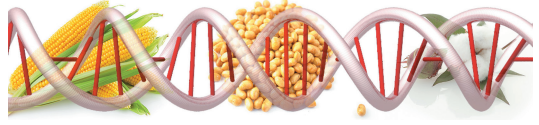
1.Many people have questions about genetically modified food products.Because their genes are altered, some people wonder if they are healthy, harmful, or safe. Farmers, seed companies, scientists, and consumers may have different perspectives. To better understand the issue, it can be helpful to look at some of the pros and cons of GMOs.
2.One pro of GMOs is they allow farmers to grow more food on less land. Pest-resistant and herbicide-resistant GM crops are especially helpful for this. They reduce the amount of time and money farmers spend on killing weeds and pests. Research shows that many GMO farmers use less pesticide than non-GMO farmers. Because GM crops often are designed to be hardy and tough, more of them can survive the growing season. This means farmers lose less product and food production is more efficient.
3.Another pro for GMOs is they can be designed to solve specific problems. For example, scientists can increase the nutrients and vitamins in a specific crop. This means the people or animals that eat the crop will get these vitamins and nutrients. A recent report found that animals that have been fed GM grains throughout their entire lives and over several generations are healthy and have no problems.
4.Scientists are experimenting with other ways GMOs can be helpful too. For example, farmers can grow flax and soybean varieties that produce more of the healthier omega-3 fats usually only found in fish. GM foods have been part of the food system for more than 20 years, and there is currently no information that links GMOs to health problems in humans. Most medical professionals in the United States support the safety of GM foods.
5.GMOs also have some critics. One of the biggest complaints is there is little evidence about how GMOs might affect humans. GMOs are still very new. Scientists have been unable to look at their long-term effects. There are also questions about how GMOs are regulated.
6.Another argument against GMOs is that they may harm the
environment. For example, one of the goals of GM crops is to use fewer
chemicals. But some people believe GMO farmers use more synthetic
pesticides and herbicides than other types of farmers.
7.Both sides of the GM argument raise important points. GMOs can be extremely helpful for farmers and provide presumably healthy and safe food for people to eat. However GMO technology must be used with care, and scientists must continue to learn more about it to determine if it has any effects on consumers.
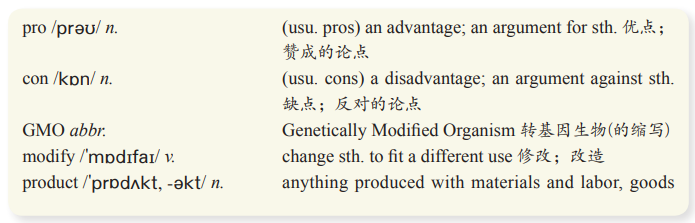
New Words


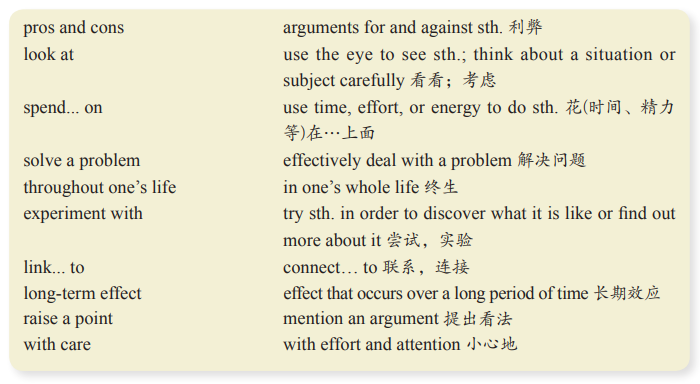
Phrases & Expressions
Proper Name

Notes on the Text
1.To better understand the issue, it can be helpful to look at some of the pros and cons of GMOs. 看看关于转基因生物的利弊也许能帮我们更好地了解这一问题。it是形式主语,指代后面的不定式短语to look at...。句首的不定式to better understand the issue是这句话的状语。
2.Pest-resistant and herbicide-resistant GM crops are especially helpful for this. 抗虫及抗除草剂的转基因农作物在这方面尤其有帮助。this指的是前一句中to grow more food on less land这一情况。
3.They reduce the amount of time and money farmers spend on killing weeds and pests. 它们减少了农民在除草和杀虫上所花的时间和资金。farmers spend on killing weeds and pests是定语从句,修饰the amount of time and money。
4.A recent report found that animals that have been fed GM grains throughout their entire lives and over several generations are healthy and have no problems. 最近一篇报告发现,数代终生食用转基因谷物的动物健康良好,没有任何问题。这句话的主句是A recent report found...。第一个that引导宾语从句animals... are healthy and have no problems。第二个that引导定语从句have been fed GM grains throughout their entire lives and over several generations,修饰animals。
5.For example, farmers can grow flax and soybean varieties that produce more of the healthier omega-3 fats usually only found in fish. 比如说,农民可以种植亚麻和大豆的变种,它们富含更多更健康的Ω—3脂肪,这种脂肪通常只有鱼身上才有。这句话有两个定语,一个是that引导的定语从句,修饰varieties,另一个是后置定语usually only found in fish,修饰omega-3 fats。
Exercises
Understanding the Text
1.Answer the following questions.
1.What questions do people ask about genetically modified food products?
2.What pro of GMOs is mentioned in this paragraph?
3.What are the advantages of pest-resistant and herbicide-resistant GM crops over non-GM crops?
4.Why would scientists increase the nutrients and vitamins in a specific crop?
5.Did animals that were fed GM grains show any sign of problem?
6.When flax and soybean are genetically modified, what can they produce?
7.How do most American doctors think of GM foods?
8.What are the two questions that critics raise about GMOs?
9.Why do some people believe that GMOs may harm the environment?
10.What should scientists do about GMOs in the future?
2.Topics for Discussion.
1.Have you ever worried about the safety of GM food? Would you avoid GM food if possible? Why or why not?
2.Since GM crops are more productive, should farmers be encouraged to grow more GM crops? Why or why not?
Reading Analysis
3.Read Text A again and complete the following table.
Now retell the main idea of the passage, using the information in the table you have completed.
Vocabulary
4.Fill in the blanks with the words given below. Change the forms where necessary.

5.Fill in the blanks with the expressions given below. Change the forms where necessary.

Structure
6.Complete the following sentences by translating the Chinese into English.
Model:
Because their genes are altered, some people wonder if they are healthy, harmful, or safe.
Model:
One pro of GMOs is they allow farmers to grow more food on less land...
Another pro for GMOs is they can be designed to solve specific problems
Translation
7.Translate the following sentences into English.
8.Translate the following sentences into Chinese, paying attention to the underlined words.

