
Henry James & Psychological Realism
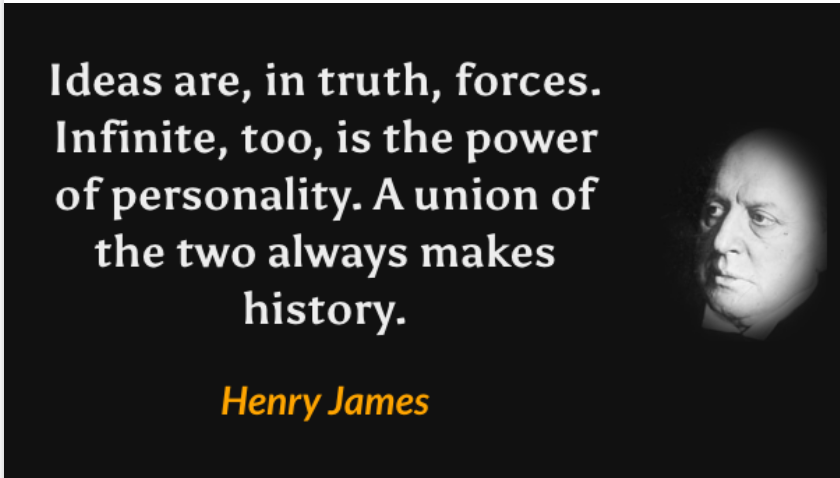
Full Name: Henry James (1843-1910)
Born: April 15, 1843 (New York City, USA)
Died: February 28, 1916 (London, England)
Nationality: American (later became a British citizen in 1915)
Literary Movement: Realism, Psychological Realism, Modernism (early influence)
Notable Novels/Novellas:
Daily Miller (1879)
The Portrait of a Lady (1881)
The Turn of the Screw (1898)
The Wings of the Dove (1902)
The Ambassadors (1903)
The Golden Bowl (1904)
Notable Critical Essay: The Art of Fiction (1884)
Biographical Overview:
Henry James was an American-born writer who became one of the foremost novelists of the late 19th and early 20th centuries. Born into an intellectual family (his brother was the philosopher William James), James spent much of his life in Europe, eventually settling in England. His works often explore themes of consciousness, morality, and the clash between American innocence and European sophistication.
Literary Style & Contributions:
Psychological Depth: James is renowned for his intricate character studies, using stream-of-consciousness techniques before they became mainstream in Modernism.
International Theme: Many of his novels contrast American and European cultures, examining social norms and personal identity.
Narrative Technique: He pioneered the use of an unreliable narrator and limited third-person perspective, influencing later writers like James Joyce and Virginia Woolf.
Complex Prose: His later works feature dense, highly nuanced sentences, demanding close reading.
Key Works:
Daisy Miller (1878) – A novella about a young American woman in Europe, critiquing social conventions.
The Portrait of a Lady (1881) – A masterpiece exploring freedom, betrayal, and self-discovery.
The Turn of the Screw (1898) – A Gothic ghost story with ambiguous horror.
Major Late Novels (The Wings of the Dove, The Ambassadors, The Golden Bowl) – Examine deceit, perception, and moral dilemmas.
Legacy:
Henry James is a cornerstone of literary realism and a bridge to Modernism. His focus on inner experience and narrative experimentation paved the way for 20th-century fiction. Critics often debate his "late style," but his influence remains undeniable in both literature and adaptations (e.g., The Heiress, The Innocents).
Famous Quote: "Live all you can; it's a mistake not to." (from The Ambassadors)
******************************************************************************************************************
Psychological Realism in Literature
Psychological realism is a literary technique that focuses on depicting characters’ inner thoughts, emotions, and motivations with depth and complexity, often prioritizing internal experience over external action. Unlike traditional realism, which emphasizes objective reality and social detail, psychological realism delves into the subjective workings of the mind, exploring how perception, memory, and consciousness shape a character’s experience of the world.
Key Features of Psychological Realism:
Interiority & Stream of Consciousness
The narrative emphasizes characters’ private thoughts, often using techniques like free indirect discourse (blurring the narrator’s voice with the character’s) or stream of consciousness (unfiltered, flowing thoughts).
Example: James’ The Portrait of a Lady dissects Isabel Archer’s decisions through her internal struggles.
Complex Character Development
Characters are multi-layered, with conflicting desires, unconscious biases, and evolving self-awareness.
Example: In The Wings of the Dove, Milly Theale’s psychological depth reveals her mix of vulnerability and manipulation.
Ambiguity & Unreliable Narration
Reality is filtered through a character’s subjective (and sometimes distorted) perspective, leaving room for doubt.
Example: The governess in The Turn of the Screw may be hallucinating or truly seeing ghosts—James leaves it unresolved.
Slow Pacing & Introspection
Plots often unfold gradually, prioritizing mental drama over physical action.
Example: The Ambassadors centers on Lambert Strether’s delayed realization about life and morality.
Moral and Emotional Dilemmas
The focus is on ethical choices, self-deception, and the consequences of introspection.
Henry James’ Role in Psychological Realism
James pushed the novel form toward deeper psychological exploration, influencing Modernists like Woolf and Joyce. His late works (e.g., The Golden Bowl) are especially dense with inner monologues and nuanced social perceptions.
Why It Matters: Psychological realism reshaped literature by making the mind itself a narrative space, paving the way for Modernism and today’s character-driven fiction.
*********************************************************************************************************
Selected Reading:
The Jolly Corner (1908)【pp.77-100】

