Eugene O'Neill (1888–1953)
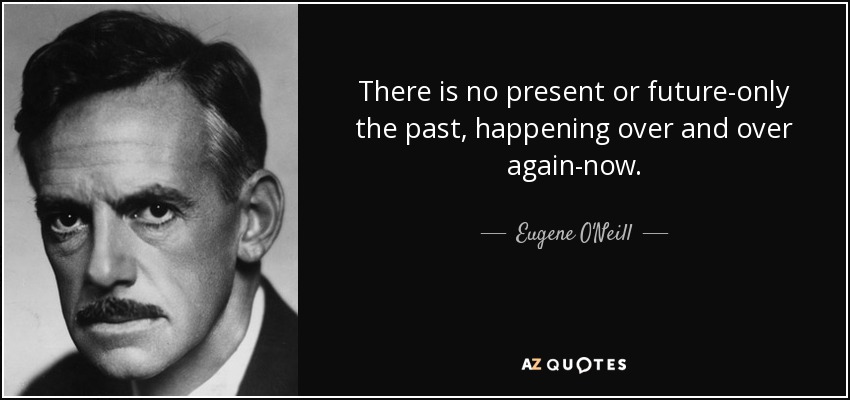
Full Name: Eugene Gladstone O’Neill
Born:October 16, 1888, New York City, U.S.
Died: November 27, 1953, Boston, Massachusetts, U.S.
Occupation: Playwright
Notable Awards: Nobel Prize in Literature (1936), Four Pulitzer Prizes for Drama
Early Life
Eugene O’Neill was born into a theatrical family—his father, James O’Neill, was a famous actor known for his role in *The Count of Monte Cristo*. Despite this, O’Neill’s early life was marked by instability, including struggles with alcoholism, depression, and tuberculosis. He briefly attended Princeton University but dropped out, later working as a sailor and spending time in Buenos Aires and New York’s waterfront bars, experiences that deeply influenced his writing.
Literary Career
O’Neill is considered America’s greatest playwright and a pioneer of modern American drama. His works introduced psychological depth, tragic realism, and experimental techniques to the American stage.
Major Plays:
- **Beyond the Horizon (1920)** – Won his first Pulitzer Prize, marking his breakthrough.
- **The Emperor Jones (1920)** – Used expressionistic techniques to explore power and madness.
- **Anna Christie (1922)** – Won his second Pulitzer, dealing with redemption and family conflict.
- **Desire Under the Elms (1924)** – A dark, Freudian tragedy set in rural New England.
- **Strange Interlude (1928)** – A nine-act play with stream-of-consciousness monologues.
- **Mourning Becomes Electra (1931)** – A Greek tragedy reset in post-Civil War America.
- **The Iceman Cometh (1946)** – A bleak, existential drama about illusion and despair.
- **Long Day’s Journey Into Night (1956, posthumous)** – His autobiographical masterpiece, awarded a posthumous Pulitzer.
Themes & Style
O’Neill’s plays often explore:
- **Family dysfunction** (influenced by his turbulent relationship with his parents and brother).
- **Human despair, addiction, and existential suffering.**
- **The conflict between dreams and harsh reality.**
- **Psychological and spiritual struggles.**
His writing evolved from naturalism to expressionism and later to deeply personal, tragic realism.
Legacy
- The only American playwright to win the Nobel Prize in Literature (1936).
- Won four Pulitzer Prizes (a record for drama).
- Inspired future playwrights like Tennessee Williams, Arthur Miller, and Edward Albee.
*****************************************************************************************************
Eugene O'Neill: His Life and His Works
Presented by 王璐、李艳玲、向文雯,English Education Class 1903 on June 1, 2022.
Eugene O'Neill and Desire Under the Elms ( 1924) presented by 王宝怡( presenter) 、姜燕芳(Carbot) 李远琴(Abbey)、肖雯晨(Eben) on May 31, 2022.
Selected Reading:
Desire Undr the Elms, pp.208-213