-
1 时态、语态、主谓一致
-
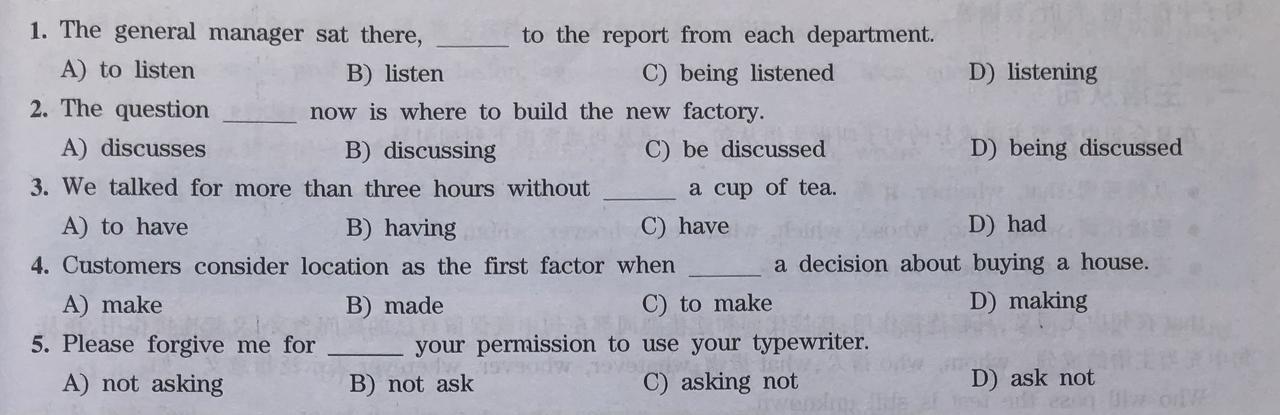
2 非谓语动词
-
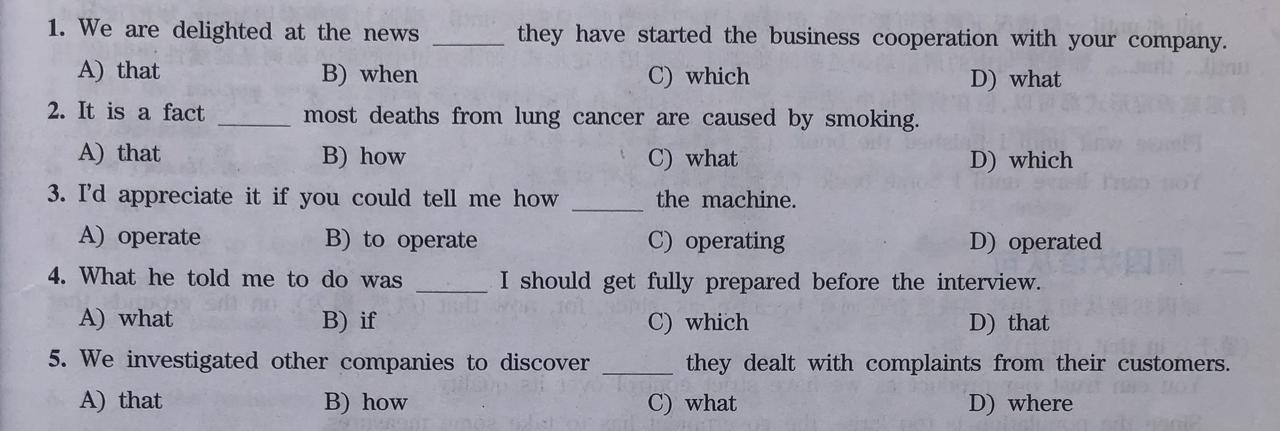
3 名词性从句
-
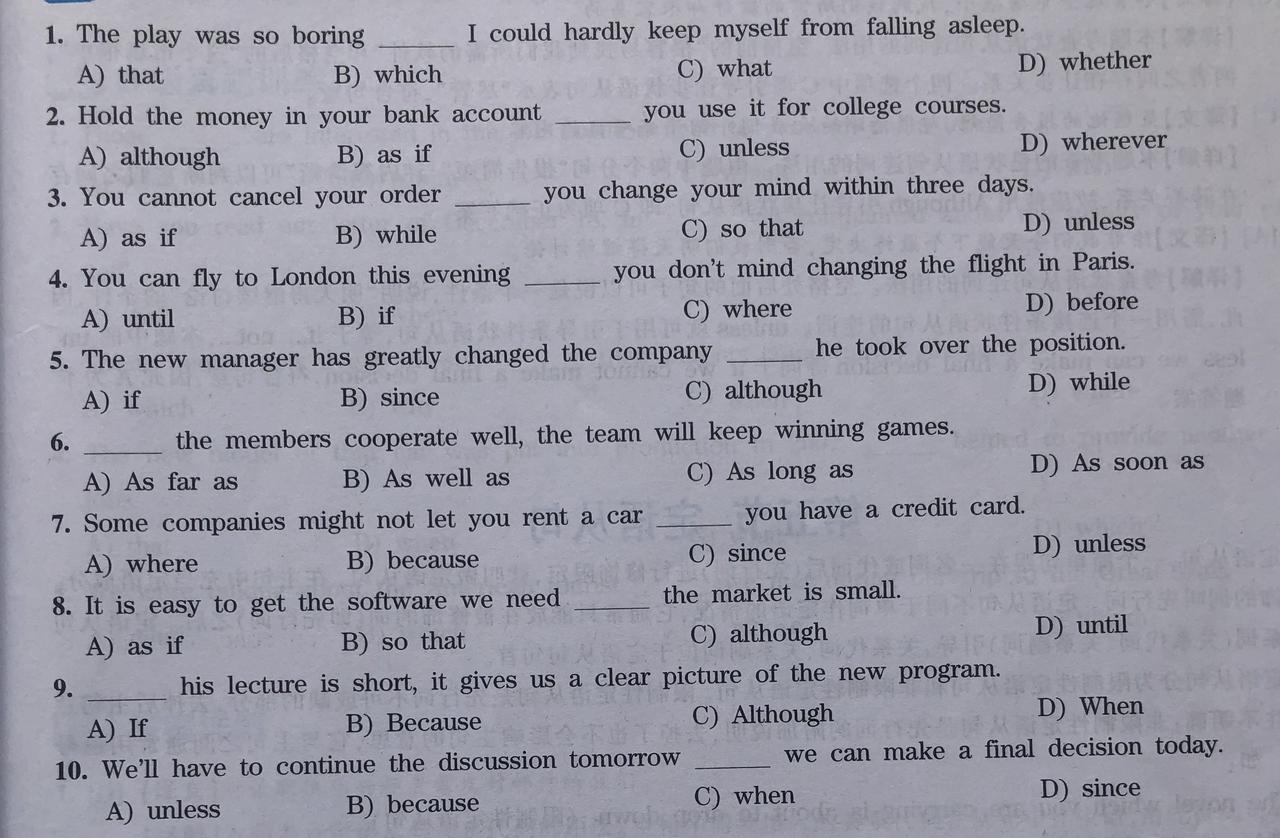
4 状语从句
Vocabulary & Structure
第一节 时态、语态、主谓一致
一、时态
时态是一种动词形式,不同的时态用以表示不同的时间与方式。它是表示行为、动作、状态在各种时间条件下的动词形式。以下总结英语中主要的12种时态:
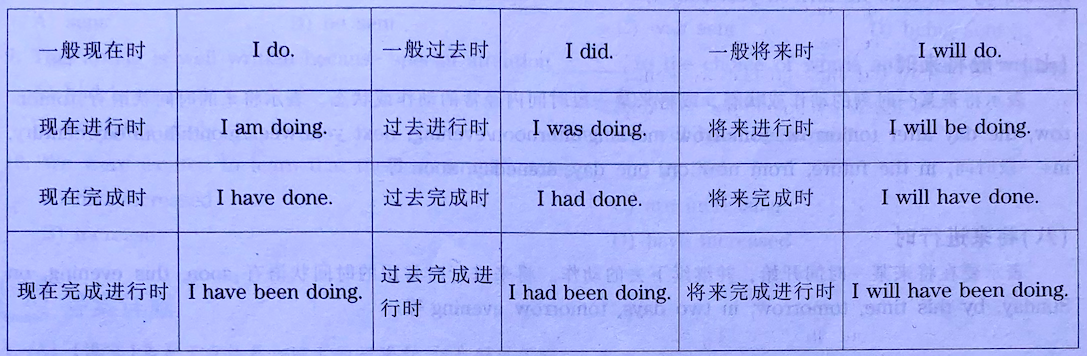
通常每种时态都有其对应的典型时间状语,辨认出这些标志性时间状语,判断该句的时态就会变得容易。
(一)一般现在时
表示经常的或习惯性的动作, 常与表示频率的时间状语连用,如usually,always,often,everymorning/night/evening/day/week/year,frequently,sometimes,occasionally,hardly,never,scarcely,rarely,seldom,from time to time,twice a week,once a month等。
(二)一般过去时
表示过去某个时间里发生的非持续性动作或存在的状态,也表示经常或反复发生的动作。用动词的过去式表示,常和表示过去的时间状语连用,例如:yesterday,last morning/night/evening/day/week/year,in+过去的年份,two days ago,before,the age of,the day before yesterday
(三)现在进行时
表示正在进行的动作或存在的状态。现在进行时表示动作发生的时间是“现在”,动作目前的状态是“正在进行中”。可用来表示现在进行时的时间状语,常用的有:now,this week,,at the moment,,right now,at once等。
(四)过去进行时
表示过去在某一时间段或某一段时间内正在发生或进行的动作或状态。常与表示过去的时间状语连用,如:last day,last Saturday等;或者与when,while,,as引导的过去时间状语连用。与always,,constantly,forever等词连用,表示感情色彩。
例如:The girl was always yelling at her mother“这女孩老是冲着她妈妈喊”。
(五)现在完成时
表示过去发生的动作对现在造成的影响或结果,或表示过去的动作或状态持续到现在。通常和以下副词、连词或介词词组连用:yet,ever,just,already,never,for ages,,so far,.for a long time,,up till now,since the year of2000等。也可以与现在有关的时间状语连用:today,tonight,,this week,this month,this year,,this century,this morning,this afternoon等。
(六)过去完成时
表示过去某一时间或动作以前已经发生或完成了的动作对过去的某一点造成的某种影响或是结果,用来指在另一个过去行动之前就已经完成了的事件。过去完成时一般用在主句是一般过去的复合句的从句当中。介词by通常与过去完成时连用,因为by有“在…之前”的意思。如:by ten o'clock yesterday,by the end of last month,by the time he arrived yesterday等。
(七)一般将来时
表示将来某一时刻的动作或状态,或将来某一段时间内经常的动作或状态。表示将来的时间状语有:tomorrow,the day after tomorrow,tomorrow morning/afternoon/evening,next year/week/month/hour/day/century, in+一段时间,in the future,from now on,,one day,.someday,soon等。
(八)将来进行时
表示要在将来某一时间开始,并继续下去的动作。将来进行时常用的时间状语有:soon,this evening,on Sunday,by this time,tomorrow,in two days,tomorrow evening
(九)将来完成时
表示在将来某一时间以前已经完成或一直持续的动作。经常与before+将来时间或by+将来时间连用,也可与 before或by the time短语引导的现在时的从句连用。
二、语态
语态是动词的一种形式,用以表示主语和谓语之间的关系。英语中分为主动语态与被动语态两种。主动语态表示主语是动作的执行者,被动语态表示主语是动作的承受者,只有及物动词才能用于被动语态。
We saw him play football on the field..(主动语态)
He was seen to play football on the field.(被动语态)
三、主谓一致
主谓一致即谓语动词在人称和数上要和主语保持一致,主谓一致包括语法一致、意义一致和就近一致,语法一致即谓语动词在单复数形式上要和主语保持一致;意义一致就是谓语动词要和主语意义上的单复数保持一致;就近一致就是谓语动词要和靠近它的主语部分保持一致。

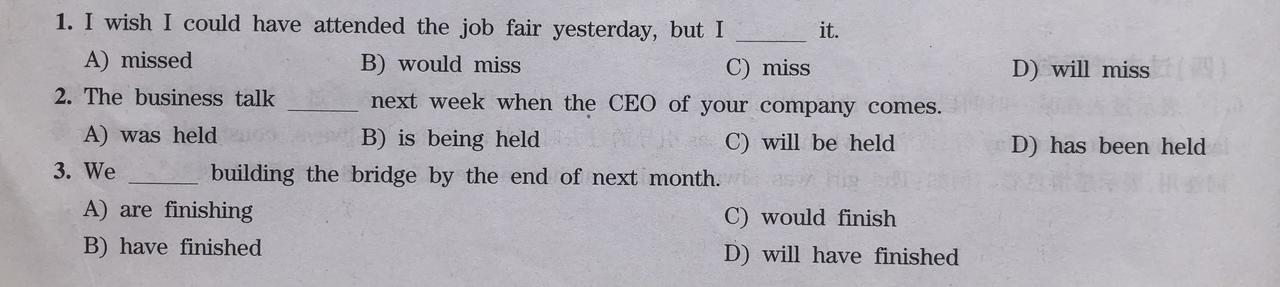
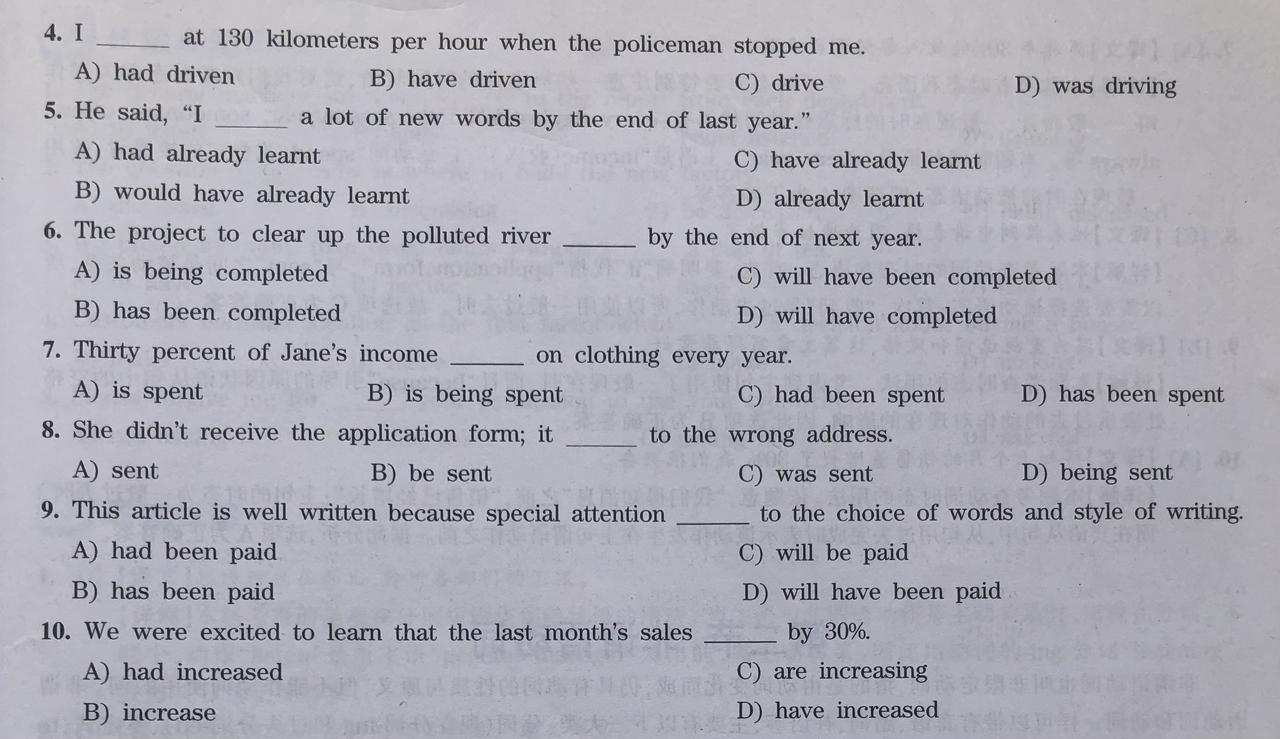
keys: ACDDA CACBA