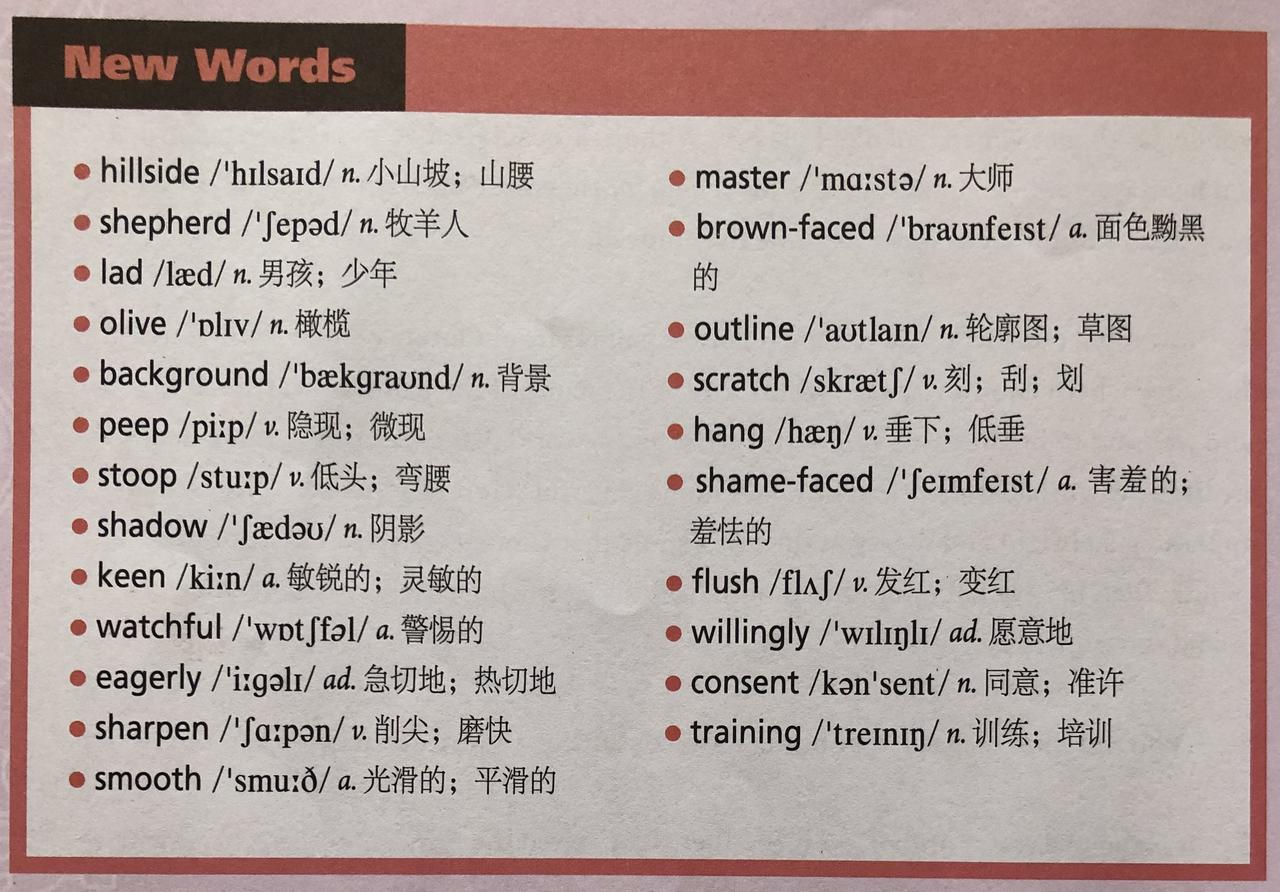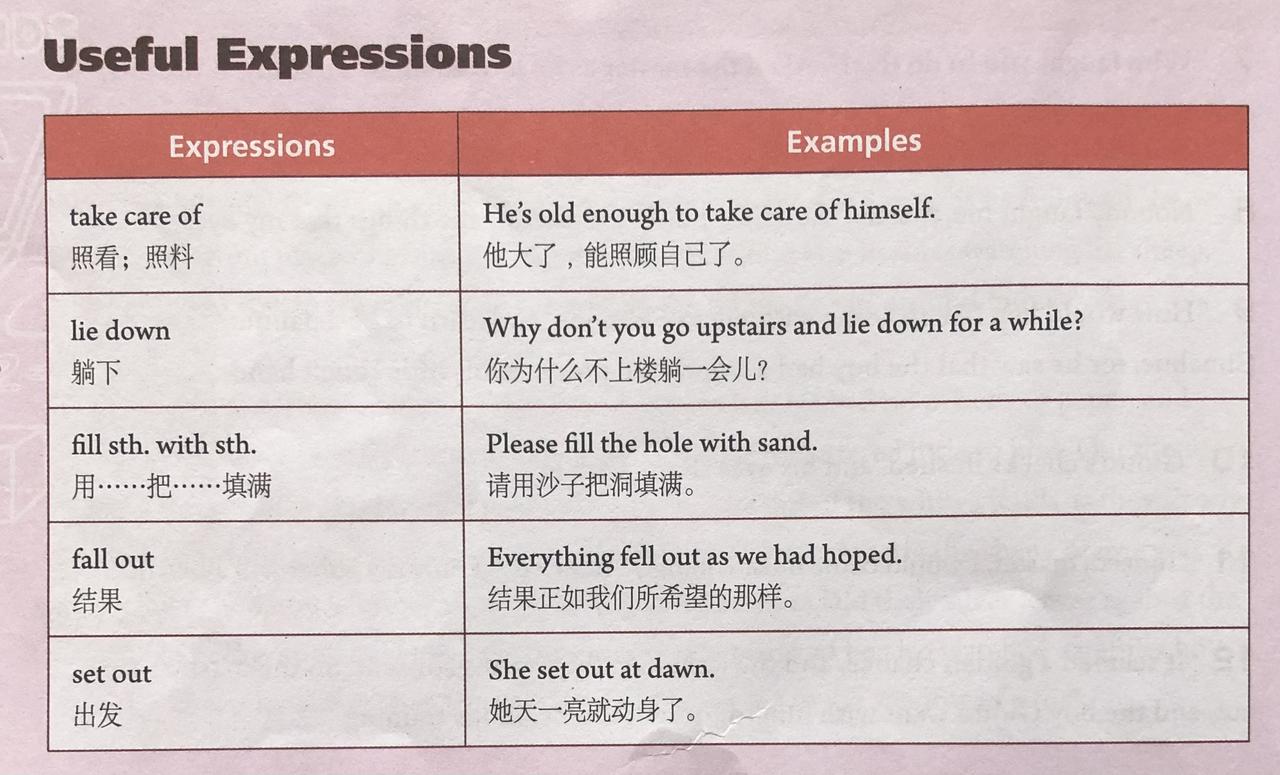
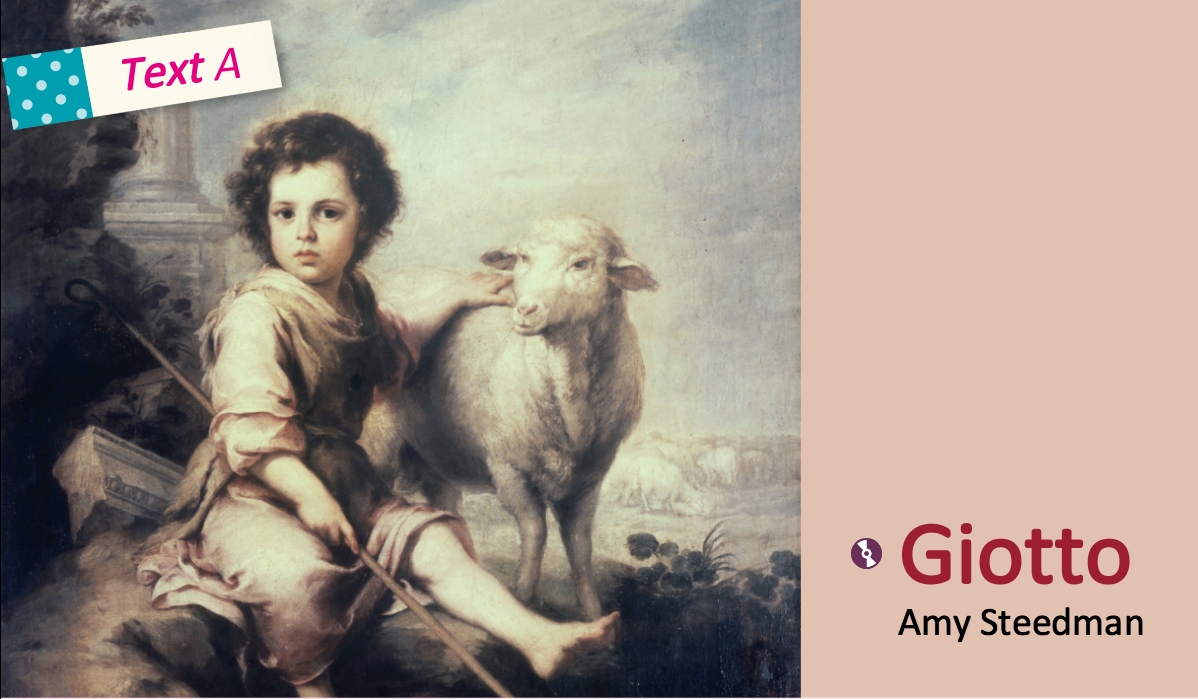
1 When Giotto was ten years old his father sent him to take care of the sheep upon the hillside. Giotto spent long happy days, in sunshine and rain, as he followed the sheep from place to place. But Giotto did something else besides watching his sheep, and that was to try to draw pictures of all the things he saw around him.
乔托十岁时,父亲让他去山坡上放羊。无论天晴下雨,乔托总是跟着羊群走东串西,度过了一段漫长而快乐的日子。除了照看羊群之外,乔托还干点儿别的,那就是试图把他见到的身旁万物画下来。
2 It was no easy matter for the little shepherd lad. He had no pencils or paper, and he had never seen a picture in all his life. But all this mattered little to him. Out there, under the blue sky, his eyes made pictures for him out of the white clouds as they slowly changed from one form to another. He learned to know exactly the shape of every flower and how it grew; he noticed how the olive trees laid their silver leaves against the blue background of the sky that peeped in between; and he also watched carefully how his sheep looked as they stooped to eat, or lay down in the shadow of a rock.
这对一个放羊的小孩子来说绝非易事。没有笔,没有纸,甚至他有生以来还从没见过一幅真正的画。但所有这些对乔托来说都不重要。就在放羊的山坡上,在蔚蓝的天空下,他的眼睛捕捉住白云缓慢变幻的一幅幅图画。他认识了每一朵花的准确形状,了解了它的生长过程;他观察到了橄榄树那银色的树叶与其缝隙中隐约露出的蓝色天空交相辉映的景象;他也仔细观察他的羊群弯腰吃草或是躺在岩石的阴影里休息的样子。
3 Nothing escaped his keen and watchful eyes. He would eagerly sharpen a piece of stone, choose out the smoothest rock, and try to draw on its flat surface all those wonderful shapes which had filled his eyes with their beauty. Olive trees, flowers, birds and beasts were there, but especially his sheep, for they were his friends, and he could draw them in a different way each time they moved.
没有什么能逃过他那双敏锐、善于观察的眼睛。他急切地用双手磨尖一块石头,挑选出最光滑的岩石,并在平整的石面上试图画下他眼睛所看到的各种美丽、奇妙的形状 。橄榄树、鲜花、小鸟、野兽都会出现在他的画里,但尤其多的是他的绵羊。因为羊是他的朋友,他可以画它们每次移动时不同的姿态。
4 Now it fell out that one day a great master painter from Florence came riding through the valley where Giotto was feeding his sheep. The name of the painter was Cimabue, who was said to be the most wonderful artist in the world. When Cimabue came near, the little brown-faced shepherd boy gave him a cheerful “Good day, master.” There was something so bright and merry in the boy’s smile that Cimabue stopped and began to talk to him. Then his eye fell upon the smooth flat rock over which the boy had been bending, and he started with surprise.
一天,碰巧一位佛罗伦萨的绘画大师骑马经过乔托放羊的山谷。这位画家的名字叫契马布埃,据说他是当时世界上最杰出的艺术家。当契马布埃走近时,这个脸色黝黑的小牧童欢快地跟他打招呼:“你好,老爷。”小男孩非常爽朗活泼的笑容吸引着契马布埃停下来和他说话。当目光落到小男孩一直俯身其上的那块光滑平整的岩石上时,他甚感惊奇。
5 “Who did that?” he asked pointing to the outline of a sheep scratched upon the stone.
“那是谁画的?”他指着岩石上一只羊的轮廓图问道。
6 “It is the picture of one of my sheep there,” answered the boy, hanging his head with a shame-faced look.
“画的是我那边的一只羊,”小男孩回答道。他低着头,一脸害羞的样子。
7 “Who taught you to do this?” asked the master as he looked more carefully at the lines drawn on the rock.
“谁教过你画画?”这位大师更仔细地观察了画在岩石上的线条,然后问道。
8 “Nobody taught me, master,” he said. “I only try to draw the things that my eyes see.”
“没人教过我,老爷。”他说,“我只是想画下我眼睛所看到的东西。”
9 “How would you like to come with me to Florence and learn to be a painter?” asked Cimabue, for he saw that the boy had a wonderful power in his little rough hands.
“你想不想跟我一起去佛罗伦萨学习绘画呢?”契马布埃问道,因为他看出在男孩粗糙的小手中有一种神奇的力量。
10 Giotto’s cheeks flushed, and his eyes shone with joy.
乔托高兴得脸都红了,眼睛里闪烁着快乐的光芒。
11 “Indeed, master, I would come most willingly,” he cried, “if only my father will allow it.”
“当然,老爷,我非常愿意。”他大声说道,“只要我父亲同意就行。”
12 It seemed a golden chance, and the father gladly gave his consent. So the master set out, and the boy Giotto went with him to Florence to begin his training.
这看起来是个大好的机会,他的父亲很高兴地同意了。于是大师启程,小男孩乔托跟他一起去了佛罗伦萨,开始了他的绘画学习。

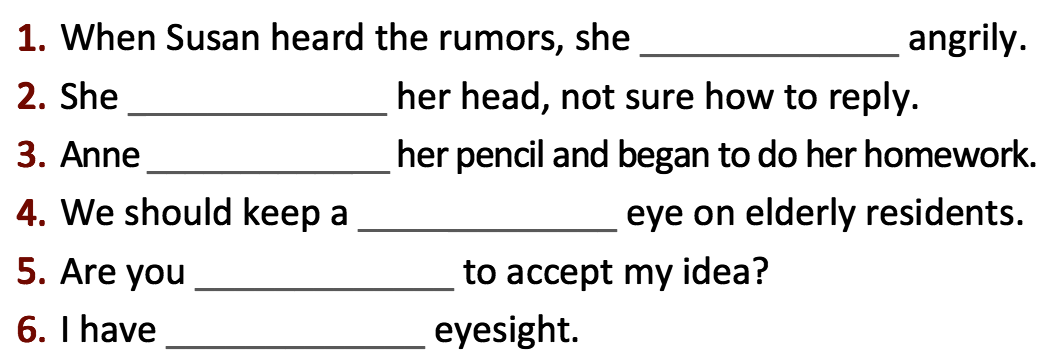
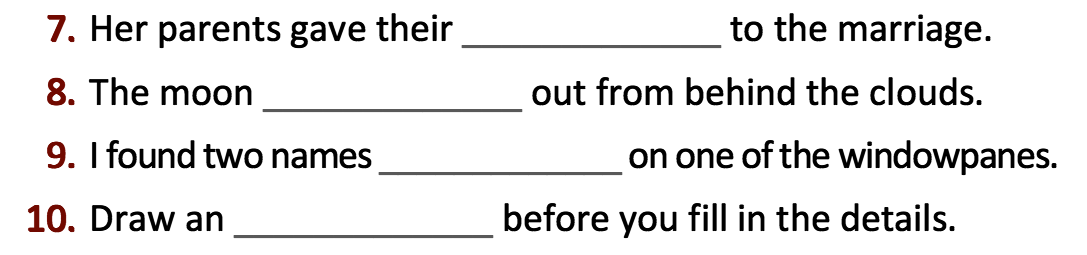
(P167)Listen to the passage and fill in the blanks with the words and phrase given in the box.
Giotto was an _________ painter from Florence. When Giotto was young, he was a poor shepherd boy, but he loved to _________ everything he saw. The great painter Cimabue _________ Giotto drawing pictures of his sheep on a rock. They were so _________ that Cimabue asked if he could take Giotto to Florence to learn painting. _________ his teacher Cimabue, Giotto made great progress in painting. He mainly focused on traditional _________ subjects, but he gave these subjects an earthly _________ and force. Therefore, Giotto is regarded as the _________ of the central tradition of Western painting.