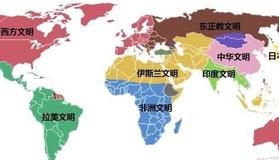
西方文明史

冯新艳

目录

  • 1 Course Orientation
    • 1.1 课程概要
    • 1.2 课程考核
  • 2 The First Civilizations
    • 2.1 预习作业:Mesopotamia
    • 2.2 PPT for the 1st session
    • 2.3 Video about GUNS, GEMS AND STEEL
    • 2.4 Video about ancient Egypt
    • 2.5 Video about Egypt-2
    • 2.6 PPT for the 2nd session
  • 3 Greek Period
    • 3.1 预习作业:Dark Age
    • 3.2 Aegean Civilizations
    • 3.3 Evidence of Homer
    • 3.4 PPT and video for the 3rd session
    • 3.5 预习作业:Archaic Greece
    • 3.6 Gods in Greece
    • 3.7 Path to Democracy
    • 3.8 PPT for the 4th session
    • 3.9 预习作业:Hellenic&Hellenistic Period
    • 3.10 Hellenistic & Idealism
    • 3.11 PPT for the 5-6th Session
    • 3.12 Greek philosophy (含预习作业)
    • 3.13 Plato and Stoics
    • 3.14 PPT for the 7th session
    • 3.15 古希腊文明综合测验
  • 4 古罗马文明
    • 4.1 预习作业:Rome-1
    • 4.2 The Twelve Tables
    • 4.3 Poets in Augustus's Period
    • 4.4 PPT for the 8th session
    • 4.5 预习作业:Rome-2
    • 4.6 Pompeii in Italy
    • 4.7 PPT for the 9th session
    • 4.8 预习作业:Rome-3
    • 4.9 Development of Christianity
    • 4.10 Summary about Ancient Rome
    • 4.11 PPT for the 10th sesssion
    • 4.12 古罗马文明综合测验
  • 5 Middle Ages
    • 5.1 预习作业:Feudalism
    • 5.2 The manorial System
    • 5.3 Christianity in Middle Ages
    • 5.4 PPT for the 11th session
    • 5.5 预习作业:Saints
    • 5.6 Video:Knights
    • 5.7 Video:Knighthood
    • 5.8 Reading Comprehension
    • 5.9 PPT for the 12th session
    • 5.10 预习作业:Late Middle Ages
    • 5.11 PPT for the 13th session
    • 5.12 中世纪文明综合测验
  • 6 Threshold of a New Age
    • 6.1 预习作业1:Renaissance
    • 6.2 预习作业2:《神曲》
    • 6.3 Video: Renaissance
    • 6.4 Video:Age of Explorations
    • 6.5 PPT for the 14th session
    • 6.6 预习: Science
    • 6.7 Video:The Enlightenment
    • 6.8 PPT for the 15th session
    • 6.9 教学反馈问卷
  • 7 About Critical Thinking
    • 7.1 About Critical Thinking
    • 7.2 How Human Mind Functions
    • 7.3 Are You a Naïve or Selfish Thinker
    • 7.4 Be Aware of Pathologies of Thought
    • 7.5 How to be Fair-minded
    • 7.6 How to Evaluate Thinking
    • 7.7 How to Analyze Thinking
    • 7.8 Tools for Critical Thinking
    • 7.9 Inferences and Assumptions
    • 7.10 Emotion and Reason
    • 7.11 Types of Questions-1
    • 7.12 Types of Questions-2
    • 7.13 Questions for self-development
    • 7.14 Fallacies
    • 7.15 Overview of Critical Thinking
  • 8 期末考试
    • 8.1 期末考试须知
  • 9 调整淘汰部分
    • 9.1 写作任务须知
How to Evaluate Thinking

TIP:

       Cognitive processes are important in human thought --- processes such as classifying, inferring, assuming, planning. However, it is important to guard against the assumption that engaging these processes automatically ensures skilled and disciplined reasoning.  For example, whenever we plan, we do not necessarily plan well. Sometimes we plan poorly. The mere fact of planning does not automatically carry with it high quality cognition.

      To ensure excellent thought, we need to meet intellectual standards when engaging in cognitive processes.

     Please read about some basic intellectual standards and then finish question 7.


Material: Intellectual Standards


Q7: Analysis of though, like any other cognitive process, can be done well or poorly. Thus, as we analyze thought, we must at every step apply relevant intellectual standards to that analysis. Now please consider the following checklist for assessing reasoning. See if you can identify the intellectual standards in this list.


Material: A Checklist for Reasoning