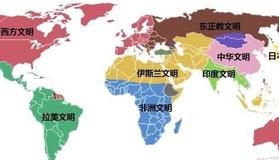
西方文明史

冯新艳

目录

  • 1 Course Orientation
    • 1.1 课程概要
    • 1.2 课程考核
  • 2 The First Civilizations
    • 2.1 预习作业:Mesopotamia
    • 2.2 PPT for the 1st session
    • 2.3 Video about GUNS, GEMS AND STEEL
    • 2.4 Video about ancient Egypt
    • 2.5 Video about Egypt-2
    • 2.6 PPT for the 2nd session
  • 3 Greek Period
    • 3.1 预习作业:Dark Age
    • 3.2 Aegean Civilizations
    • 3.3 Evidence of Homer
    • 3.4 PPT and video for the 3rd session
    • 3.5 预习作业:Archaic Greece
    • 3.6 Gods in Greece
    • 3.7 Path to Democracy
    • 3.8 PPT for the 4th session
    • 3.9 预习作业:Hellenic&Hellenistic Period
    • 3.10 Hellenistic & Idealism
    • 3.11 PPT for the 5-6th Session
    • 3.12 Greek philosophy (含预习作业)
    • 3.13 Plato and Stoics
    • 3.14 PPT for the 7th session
    • 3.15 古希腊文明综合测验
  • 4 古罗马文明
    • 4.1 预习作业:Rome-1
    • 4.2 The Twelve Tables
    • 4.3 Poets in Augustus's Period
    • 4.4 PPT for the 8th session
    • 4.5 预习作业:Rome-2
    • 4.6 Pompeii in Italy
    • 4.7 PPT for the 9th session
    • 4.8 预习作业:Rome-3
    • 4.9 Development of Christianity
    • 4.10 Summary about Ancient Rome
    • 4.11 PPT for the 10th sesssion
    • 4.12 古罗马文明综合测验
  • 5 Middle Ages
    • 5.1 预习作业:Feudalism
    • 5.2 The manorial System
    • 5.3 Christianity in Middle Ages
    • 5.4 PPT for the 11th session
    • 5.5 预习作业:Saints
    • 5.6 Video:Knights
    • 5.7 Video:Knighthood
    • 5.8 Reading Comprehension
    • 5.9 PPT for the 12th session
    • 5.10 预习作业:Late Middle Ages
    • 5.11 PPT for the 13th session
    • 5.12 中世纪文明综合测验
  • 6 Threshold of a New Age
    • 6.1 预习作业1:Renaissance
    • 6.2 预习作业2:《神曲》
    • 6.3 Video: Renaissance
    • 6.4 Video:Age of Explorations
    • 6.5 PPT for the 14th session
    • 6.6 预习: Science
    • 6.7 Video:The Enlightenment
    • 6.8 PPT for the 15th session
    • 6.9 教学反馈问卷
  • 7 About Critical Thinking
    • 7.1 About Critical Thinking
    • 7.2 How Human Mind Functions
    • 7.3 Are You a Naïve or Selfish Thinker
    • 7.4 Be Aware of Pathologies of Thought
    • 7.5 How to be Fair-minded
    • 7.6 How to Evaluate Thinking
    • 7.7 How to Analyze Thinking
    • 7.8 Tools for Critical Thinking
    • 7.9 Inferences and Assumptions
    • 7.10 Emotion and Reason
    • 7.11 Types of Questions-1
    • 7.12 Types of Questions-2
    • 7.13 Questions for self-development
    • 7.14 Fallacies
    • 7.15 Overview of Critical Thinking
  • 8 期末考试
    • 8.1 期末考试须知
  • 9 调整淘汰部分
    • 9.1 写作任务须知
How Human Mind Functions
  • 1 1
  • 2 2

TIPS:

  • 建议讨论题答案初稿写在你的“课程笔记本”上 (你可抄题后回答,也可标注题号后回答)。

  • 答案可在阅读材料中找到明确线索,请尽量用自己的理解回答。

  • What is significant in this part is not the answer you get, but the efforts you make to arrive at the answer and to explicate your  answer accurately and logically.


Understanding the Human Mind: The Big Picture