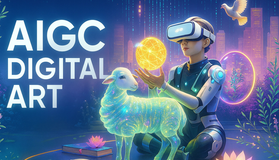
课后练习:AIGC艺术创作与策展方案设计
After-Class Exercise: AIGC Art Creation and Curatorial Proposal Design
1. 练习目标:
1. Exercise Objectives:
本练习旨在帮助你超越工具操作层面,深度融合AIGC的理论、应用与伦理思考,通过完成一个完整的项目提案,提升你的技术策展能力、批判性思维和前瞻性设计思维。
This exercise aims to help you move beyond technical operations and deeply integrate AIGC theory, application, and ethical considerations. By completing a comprehensive project proposal, you will enhance your technical curation skills, critical thinking, and forward-looking design mindset.
2. 任务背景:
2. Task Background:
假设你是一名受美术馆委托的策展人/艺术家,需要策划一个名为 “纠缠智能:AI时代的共生叙事” 的展览。请你提交一份初步方案。
Assume you are a curator/artist commissioned by an art museum to plan an exhibition titled "Entangled Intelligences: Symbiotic Narratives in the Age of AI." Please submit a preliminary proposal.
3. 核心任务(二选一):
3. Core Tasks (Choose One):
• 任务A(创作型):创作一件AIGC艺术作品作为展览核心展品,并为其撰写展陈说明。
• Task A (Creative): Create an AIGC artwork as the centerpiece of the exhibition and write an exhibition description for it.
• 任务B(策展型):策划一个展览单元,概述其主题、拟邀请的3位(真实或虚构的)AIGC艺术家/团体及其作品方向,并说明其内在逻辑。
• Task B (Curatorial): Plan an exhibition unit, outline its theme, propose three (real or fictional) AIGC artists/collectives and their artistic directions, and explain the underlying logic.
4. 技能提升要求(方案必须包含以下部分):
4. Skill Development Requirements (Proposal Must Include the Following):
• 技术应用与阐释(对应子项目2):
• Technical Application and Explanation (Corresponding to Sub-project 2):
清晰说明你将使用或建议艺术家使用何种AIGC工具链(如:Midjourney + Runway + 后期处理),并阐述选择这些工具的理由,而非简单罗列。
Clearly explain which AIGC toolchain (e.g., Midjourney + Runway + post-processing) you will use or recommend artists to use, and justify the selection of these tools rather than merely listing them.
描述创作/策展过程中的人机协作工作流。例如,你如何通过提示词工程、迭代生成、图像/视频编辑等步骤实现最终构想。
Describe the human-AI collaborative workflow in the creation/curation process. For example, how you will use prompt engineering, iterative generation, image/video editing, and other steps to achieve the final vision.
• 概念与理论对话(对应子项目1 & 3):
• Conceptual and Theoretical Engagement (Corresponding to Sub-projects 1 & 3):
你的作品或展览主题必须回应并体现课程中探讨的至少一个核心概念(如:涌现性、作者权、提示工程、后人类美学、文化记忆等)。
Your artwork or exhibition theme must respond to and reflect at least one core concept discussed in the course (e.g., emergence, authorship, prompt engineering, post-human aesthetics, cultural memory, etc.).
在说明中,需要批判性地反思你的项目:它如何体现了AIGC融入艺术的意义?又揭示了何种潜在风险或伦理困境?(如:训练数据偏见、版权问题、对人类创造力的冲击等)
In your explanation, critically reflect on your project: How does it demonstrate the significance of AIGC integration into art? What potential risks or ethical dilemmas does it reveal? (e.g., training data bias, copyright issues, impact on human creativity, etc.)
• 呈现与表达:
• Presentation and Expression:
以PDF文档形式提交。
Submit in PDF format.
包含视觉材料:任务A需提供作品效果图或关键帧;任务B需提供展览单元的氛围图或概念图(可使用AIGC工具辅助生成)。
Include visual materials: For Task A, provide renderings or key frames of the artwork; for Task B, provide mood boards or concept images of the exhibition unit (AIGC tools may be used for assistance).
文字阐述部分约500-800字,要求逻辑清晰,术语使用准确。
The written explanation should be approximately 500-800 words, with clear logic and accurate terminology.
5. 评估标准:
5. Evaluation Criteria:
• 概念深度(40%):对AIGC艺术特征与意义的理解与运用程度。
• Conceptual Depth (40%): Depth of understanding and application of AIGC artistic features and significance.
• 技术执行力(30%):工具选择的合理性、工作流设计的逻辑性。
• Technical Execution (30%): Rationale for tool selection and logical workflow design.
• 批判性与反思性(20%):对自身项目所涉伦理、文化议题的思考深度。
• Criticality and Reflectiveness (20%): Depth of reflection on ethical and cultural issues related to the project.
• 呈现与清晰度(10%):提案的整体专业性与表达清晰度。
• Presentation and Clarity (10%): Overall professionalism and clarity of expression in the proposal.
这个练习将迫使你不再是被动学习,而是主动整合知识,像一个真正的创作者和思考者一样去规划和辩护你的创意,从而实现真正的技能跃升。
This exercise will push you beyond passive learning, encouraging you to actively integrate knowledge and plan and defend your ideas like a true creator and thinker, thereby achieving genuine skill advancement.

