一、项目介绍
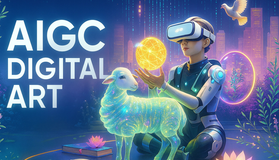
人工智能生成内容(AIGC)技术在数字艺术领域的创新应用正以前所未有的速度发展,其在释放创意潜力、提升创作效率的同时,也带来了复杂的安全、伦理与法治挑战。从隐私保护、算法偏见到内容所有权与责任归属,AIGC技术面临着"技术快跑、规范滞后"的现实矛盾。2023年《生成式人工智能服务管理暂行办法》的出台和2025年《人工智能生成合成内容标识办法》的实施,标志着我国AIGC法治化治理进入新阶段。
本项目聚焦数字艺术领域的AIGC伦理困境与法治规范平衡,通过解读关键法规、分析典型案例,引导学习者深入理解AIGC技术面临的伦理挑战和法治要求,掌握"数据-版权-算法-内容"立体合规框架,培养在技术创新中坚守伦理底线和法治原则的意识和能力。
Artificial Intelligence Generated Content (AIGC) technology is innovating and applying in the field of digital art at an unprecedented speed. While releasing creative potential and improving creation efficiency, it also brings complex security, ethical and legal challenges. From privacy protection and algorithmic bias to content ownership and responsibility attribution, AIGC technology faces the practical contradiction of "technology advancing rapidly while norms lagging behind". The introduction of the Interim Measures for the Management of Generative Artificial Intelligence Services in 2023 and the implementation of the Measures for the Identification of AI-Generated Synthetic Content in 2025 mark a new stage in the legal governance of AIGC in China.
This project focuses on the ethical dilemmas and balance of legal norms of AIGC in the field of digital art. By interpreting key regulations and analyzing typical cases, it guides learners to deeply understand the ethical challenges and legal requirements faced by AIGC technology, master the "data-copyright-algorithm-content" three-dimensional compliance framework, and cultivate the awareness and ability to adhere to ethical bottom lines and legal principles in technological innovation.
二、教学目标
知识目标
理解数字艺术领域AIGC面临的四大伦理困境(隐私保护、算法偏见、内容所有权、责任归属)的内涵与表现
掌握AIGC数字艺术的三重法治困境(数据合规、内容安全、伦理责任)及其法规应对措施
了解国内外AIGC治理政策框架和行业自律实践
能力目标
能够识别数字艺术创作中AIGC可能引发的伦理风险场景,分析案例中的伦理问题根源
能够结合具体案例(如AI数字艺术侵权案),分析其中涉及的法治风险,并匹配对应的法规条款
能够运用"数据脱敏"、"公平性优化算法"等方法提出AIGC伦理问题的具体解决方案
素质目标
培养对AIGC技术的伦理意识与责任意识,树立"技术服务于人类价值"的正确观念
培养在AIGC技术创新中坚守法治底线的意识,树立"合法创新"的技术应用观念
形成批判性思维和系统思考能力,能够辩证看待技术发展与规范治理的关系
三、教学重点
AIGC伦理困境的内涵与表现:隐私保护、算法偏见、内容所有权、责任归属四大伦理困境的典型表现和现实案例
AIGC法治框架的核心要求:《生成式人工智能服务管理暂行办法》《人工智能生成合成内容标识办法》等法规对数字艺术创作的具体要求
伦理与法治的平衡策略:如何在鼓励技术创新的同时有效防范伦理风险和法治违规
四、教学难点
AIGC内容责任归属的界定:在复杂案例中准确界定开发者、服务提供者、使用者的责任边界
技术创新与规范治理的平衡:如何在不抑制创意的前提下落实合规要求,理解"合规不是创新的阻碍,而是可持续创新的保障"
多维度风险的统筹应对:同时应对数据合规、内容安全、伦理责任等多重挑战的系统化解决方案设计
五、项目特色
本项目采用"伦理-法治"双视角分析框架,通过真实案例解析和法规解读,帮助学习者建立完整的AIGC治理知识体系。课前通过法规预习和案例搜集奠定基础,课中通过案例分析和讨论深化理解,课后通过拓展任务强化应用能力,形成完整的学习闭环。
This project adopts a dual-perspective analysis framework of "ethics-law", and helps learners establish a complete knowledge system of AIGC governance through real case analysis and regulation interpretation. Pre-class through regulation preview and case collection to lay the foundation, in-class through case analysis and discussion to deepen understanding, post-class through extension tasks to strengthen application ability, forming a complete learning closed loop.

