9:44

第八次分组(国际法上的国家) Sovereignty
第一组:Montevideo Convention on the Rights and Duties of States?
第二组:Sovereignty 简介?
第三组:永久中立国?
第四组:国家权利义务宣言草案?
第五组:联合国国家及其财产管辖豁免公约?
第六组:国际法上的承认?举例
第七组:国家承认的宣告说与构成说?
第八组:史汀生不承认主义?埃斯特拉达主义?
第九组:法统主义?托巴主义?威尔逊主义?
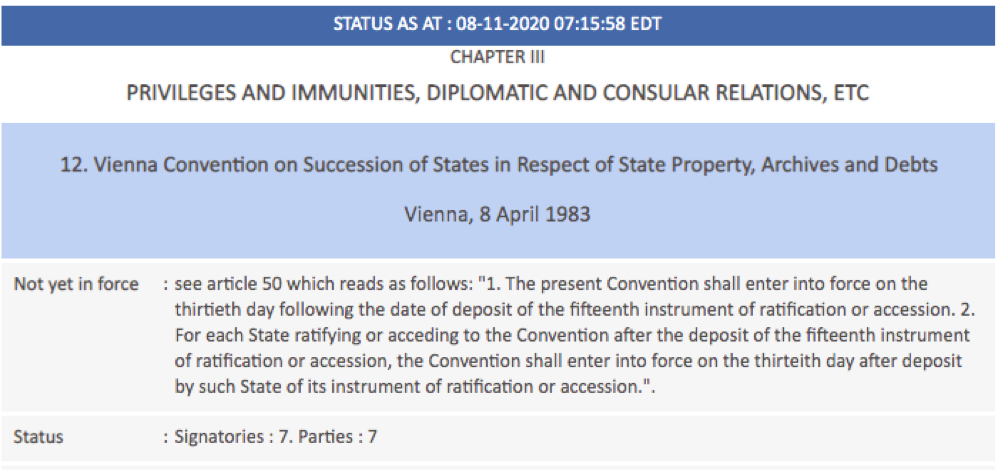
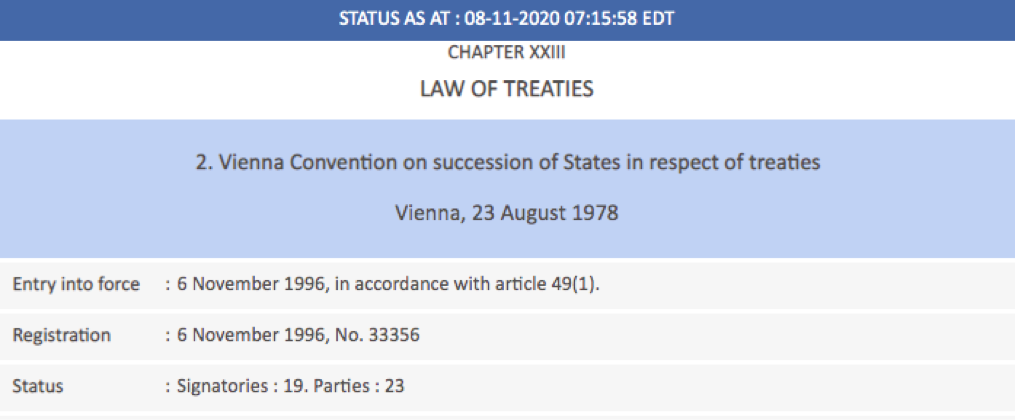
第十组:评论:关于国家在条约方面的继承的维也纳公约? 链接:公约简介
Did Thomas Paine Write, 'The Duty of a True Patriot Is to Protect His Country from Its Government'?
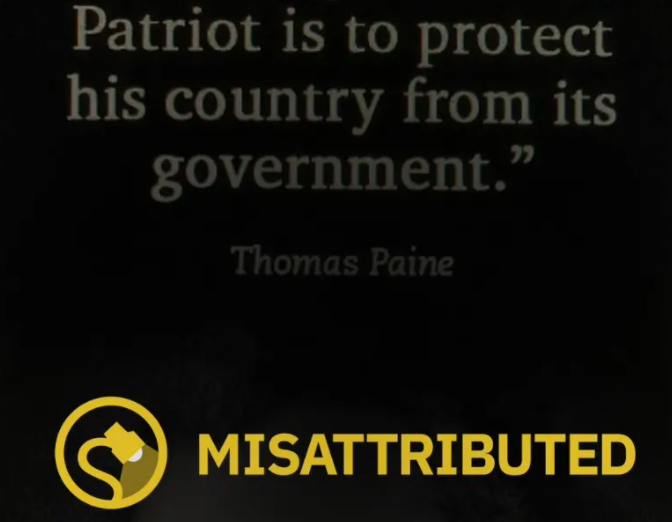
The Quote's True Source
The Thomas Paine National Historical Association published that the "true patriot" quote appeared to have been spun out of a sentence in Edward Abbey's book, "A Voice Crying in the Wilderness (Vox Clamantis in Deserto): Notes from a Secret Journal."
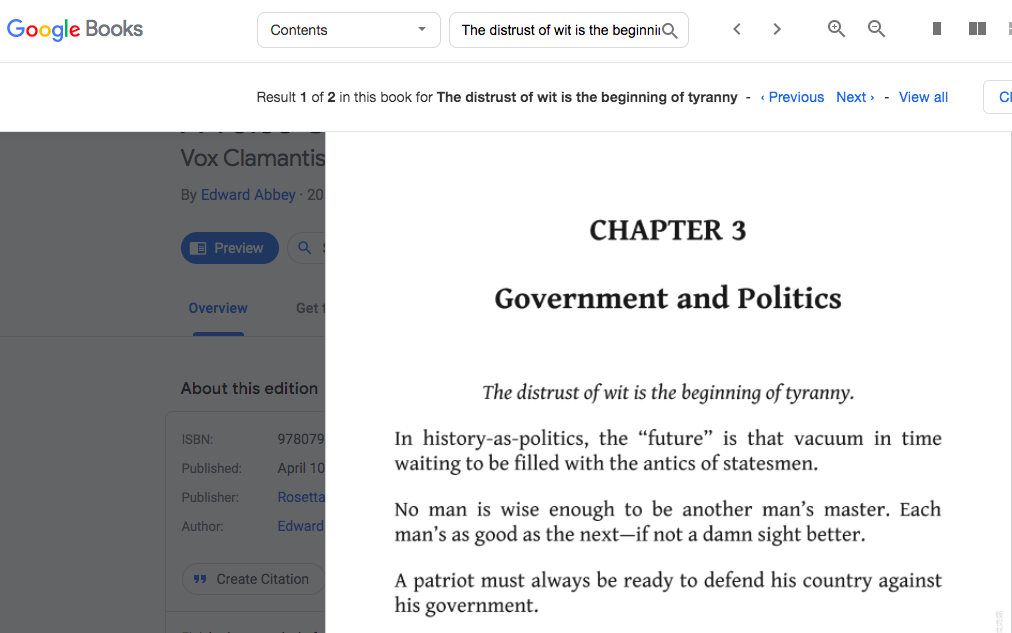
A Voice Crying in the Wilderness Vox Clamantis in Deserto: Notes from a Secret Journal By Edward Abbey · 2015
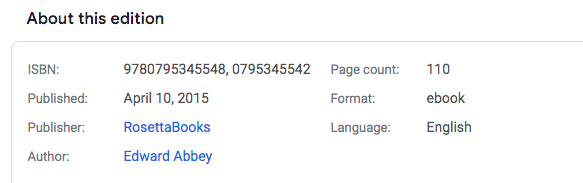 Chapter 3: Government and Politics
The distrust of wit is the beginning of tyranny.
In history-as-politics, the "future" is that vacuum in time waiting to be filled with the antics of statesmen.
No man is wise enough to be another man's master. Each man's as good as the next—if not a damn sight better.
A patriot must always be ready to defend his country against his government.
All forms of government are pernicious, including good government.
Sources:
1776: Paine, Common Sense (Pamphlet) | Online Library of Liberty. https://oll.libertyfund.org/page/1776-paine-common-sense-pamphlet.
Abbey, Edward. A Voice Crying in the Wilderness: Vox Clamantis in Deserto: Notes from a Secret Journal. Rosetta Books, 2015.
“Did Paine Write These Quotes?” The Thomas Paine National Historical Association, https://thomaspaine.org/pages/resources/did-paine-write-these-quotes.html.
【Edward Paul Abbey (January 29, 1927 – March 14, 1989) was an American author, essayist, and environmental activist noted for his advocacy of environmental issues and criticism of public land policies. His best-known works include Desert Solitaire, 在他去世前两周完成并在死后出版的《荒野中的哭泣之声》是一部格言和常识智慧的集合,其中充满了对爱德华·艾比最喜欢的事物,尤其是自然和自由的讽刺、诙谐和鼓舞人心的想法。】
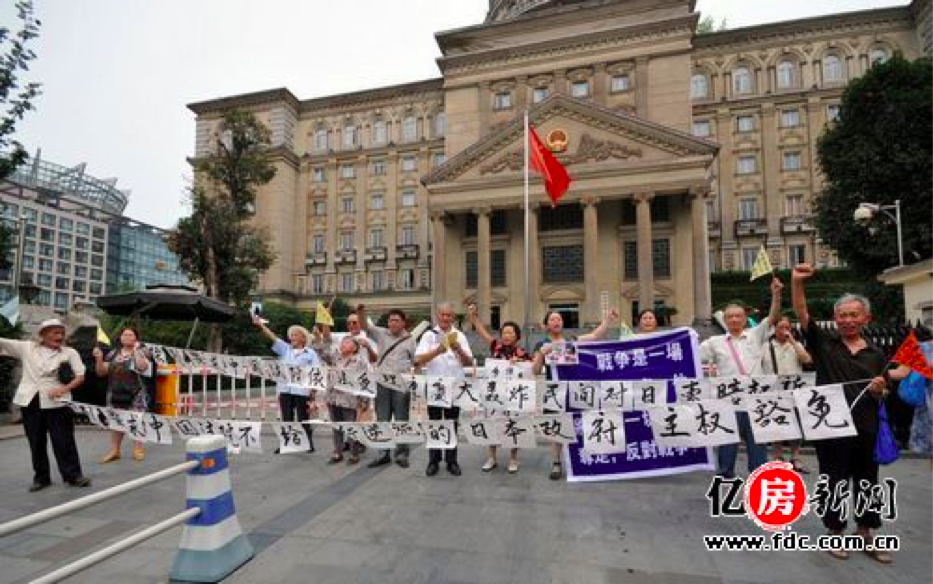
2012年9月10日,重庆大轰炸15名受害者正式向重庆市高级人民法院递交诉状
蒙特维多国家权利义务公约(英语:Montevideo Convention on the Rights and Duties of States,简称:蒙特维多公约 / Montevideo Convention)是1933年12月26日于第七届美洲国家国际会议期间在乌拉圭首都蒙得维的亚所签署的一项国际公约。该公约中有关建国声明的部分内容已经成为国际习惯法的一部分[2]。在会议上,美国总统富兰克林·罗斯福与美国国务卿科德尔·赫尔公布了“睦邻政策”,该政策旨在反对美国干涉美洲国家事务。《蒙特维多公约》由19个国家签署;但是在美国、巴西和秘鲁三个国家,它们对公约内容有一些保留[1]。
《蒙特维多公约》于1934年12月26日起开始生效,并于1936年1月8日登记于《国际联盟条约汇编(League of Nations Treaty Series)》。[3]
这次会议在美国历史上也是非常引人瞩目的,因为与会的美国代表索福尼斯巴·布雷肯里奇博士是美国第一位参加国际会议的女性。[4]
公约内容[编辑]
《蒙特维多公约》定义了“国家”及国家的权利和义务。该公约最为人所熟知的是其第一条,该条款内容确立了国际组织所承认之国家的四项标准,同时也成为国际习惯法的准确称述。
| “ | 作为一个国际法所承认之国家应具备以下资格: ⑴ 常住人口; | ” |
| ——《蒙特维多公约》第一条 | ||
此外,公约第三条第1句明确指出“国家的政治存在独立于其他国家的承认”。这被称为主权国家宣告说。这一理论与主权国家构成说相冲突,构成说认为只有国家在获得其他国家承认的前提下,该国才算存在。需要注意的是,宣告说不应该与埃斯特拉达主义相混淆。另,公约的第一条并没有提及“独立”与“主权”字样。[5]
《蒙特维多公约》另一个重要部分就是禁止通过武力获取主权。
| “ | 缔约国各方明确其各自行为规则的确切义务是不承认以诉诸或威胁诉诸武力;或以威胁外交代表;或以其他任何有效的强制措施所获得的领土。 | ” |
| ——《蒙特维多公约》第十一条[6] | ||
第十一条内容反映了史汀生主义,现已通过《联合国宪章》第二条第4款而成为国际法的组成部分。
缔约方[编辑]
目前已经批准《蒙特维多公约》的国家仅限美洲的16个国家。
| 国家[1][7] | 签署日 | 核准日 | 状态 |
|---|---|---|---|
 美国 美国 | 1933年12月26日 | 1934年7月13日 | 已生效 |
 多米尼加 多米尼加 | 1933年12月26日 | 1934年12月26日 | 已生效 |
 智利 智利 | 1933年12月26日 | 1935年3月28日 | 已生效 |
 危地马拉 危地马拉 | 1933年12月26日 | 1935年6月12日 | 已生效 |
 墨西哥 墨西哥 | 1933年12月26日 | 1036年1月27日 | 已生效 |
 古巴 古巴 | 1933年12月26日 | 1936年4月28日 | 已生效 |
 哥伦比亚 哥伦比亚 | 1933年12月26日 | 1936年7月22日 | 已生效 |
 厄瓜多尔 厄瓜多尔 | 1933年12月26日 | 1936年10月3日 | 已生效 |
 尼加拉瓜 尼加拉瓜 | 1933年12月26日 | 1937年1月8日 | 已生效 |
 萨尔瓦多 萨尔瓦多 | 1933年12月26日 | 1937年1月9日 | 已生效 |
 巴西 巴西 | 1933年12月26日 | 1937年2月23日 | 已生效 |
 哥斯达黎加[注 1] 哥斯达黎加[注 1] | 不适用 | 1937年9月28日 | 已生效 |
 洪都拉斯 洪都拉斯 | 1933年12月26日 | 1937年12月1日 | 已生效 |
 巴拿马 巴拿马 | 1933年12月26日 | 1938年11月13日 | 已生效 |
 委内瑞拉 委内瑞拉 | 1933年12月26日 | 1940年2月13日 | 已生效 |
 海地 海地 | 1933年12月26日 | 1941年8月13日 | 已生效 |
阿根廷、巴拉圭、秘鲁和乌拉圭四国在1933年12月26日签署了《蒙特维多公约》,却迄今没有批准它[1][9]。
在第七届美洲国家国际会议的与会国中,只有玻利维亚未在《蒙特维多公约》上签字[9]。而哥斯达黎加虽然没有出席该次会议却批准了该条约[8]。
国际习惯法[编辑]
注释[编辑]
参考文献[编辑]
^ 1.0 1.1 1.2 1.3 1.4 A-40: CONVENTION ON RIGHTS AND DUTIES OF STATES. 美洲国家组织. [2019-02-18].
^ Hersch Lauterpacht. Recognition in International Law. Cambridge University Press. 2012: 419 [2019-02-18]. ISBN 9781107609433.
^ League of Nations Treaty Series, vol. 165, pp. 20-43.
^ From colony to superpower: U.S. foreign relations since 1776, by George C. Herring, Oxford University Press, 2008, p. 499. Online at Google Books. Retrieved 2011-09-20.
^ see for example State Failure, Sovereignty and Effectiveness, Legal Lessons from the Decolonization of Sub-Saharan Africa, Gerard Kreijen, Published by Martinus Nijhoff, 2004, ISBN 90-04-13965-6, page 110
^ Hersch Lauterpacht. Recognition in International Law. Cambridge University Press. 2012: 419. ISBN 9781107609433.
^ Convention on Rights and Duties of States adopted by the Seventh International Conference of American States. 联合国. 联合国条约汇编. [2019-02-18].
^ 8.0 8.1 Encyclopedia of the Inter-American System. Greenwood Publishing Group. 1997-01-01: 287 [2013-07-23].
Delegations from twenty states participated - from the United States and all those in Latin America except Costa Rica (provision was made for Costa Rica to later sign the conventions and treaties preseented in the conference).
^ 9.0 9.1 Convention on the Rights and Duties of States. 耶鲁大学. [2013-07-23].
外部链接[编辑]
联合国公约汇编原文(英文)(法文)